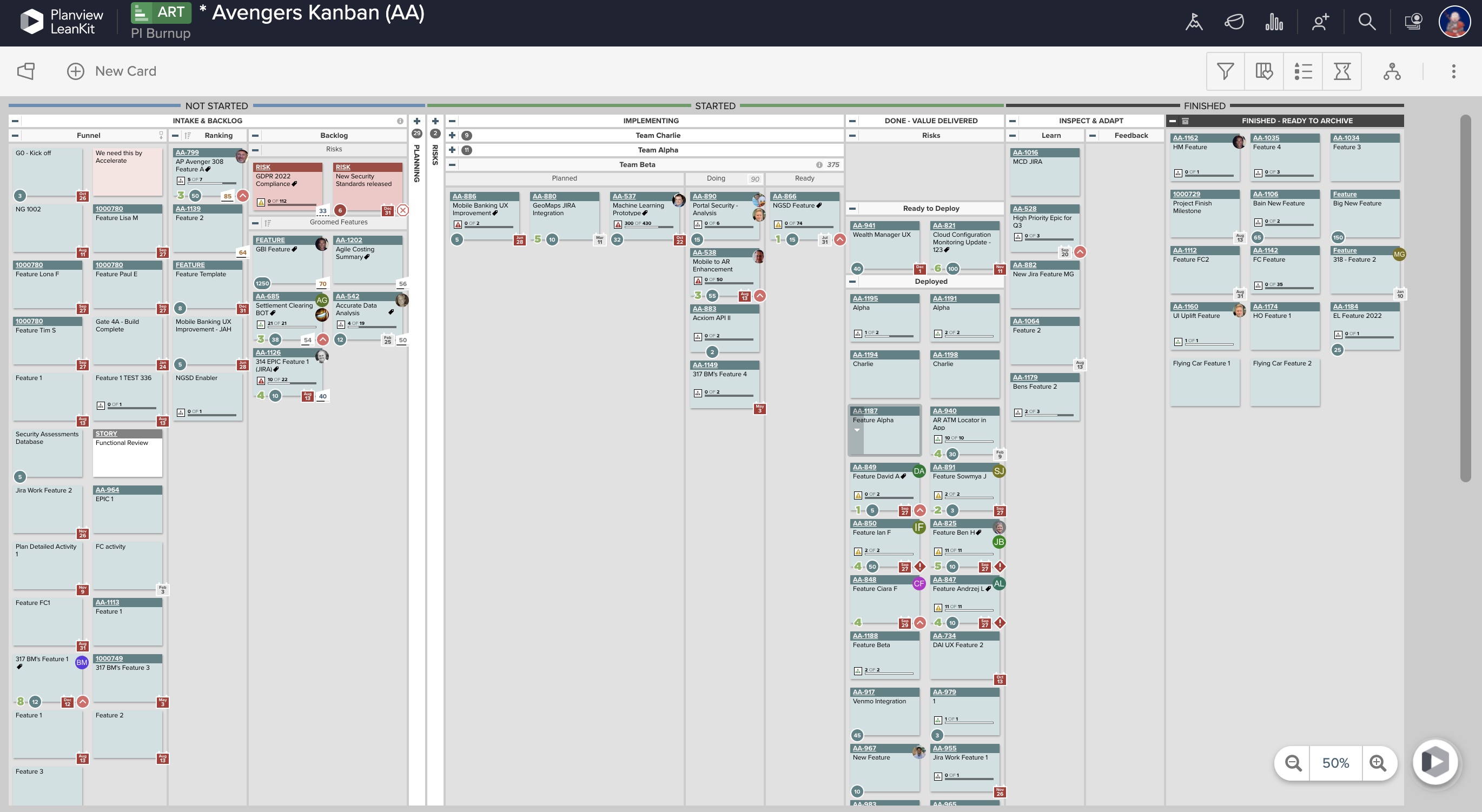
AgilePlace is a project management solution built around flexibility, data-driven analytics, and workflow automation. The software was acquired by Planview in December 2017 to expand that company's capabilities.
$19
per user, per month
Project Insight
Score4 out of 10
N/A
Project Insight is a web-based project and portfolio management software. Project teams can access, edit and update their projects information anytime, anywhere, with any supported browser, tablet and mobile device. Features for experienced project managers include: MS Project import/export, intelligent scheduling, resource allocation, Outlook integration, document management, approvals, time/expense tracking, issue management, 100s of dashboards and advanced permissions.
This tool enables the visual management needed in many offshore teams to easily and quickly see the pending work, work in progress and completed work.For teams that work with a waterfall methodology and do not have AGILE internalized, I believe there are other solutions from Planview or other providers.
My rating would vary depending on the types of projects that need to be managed. Since I am in software, I don't think it was an excellent fit to manage software projects unless they are small projects with only a few tasks. On the other hand, if you are needing to manage a wide range of departments that are working on a single project with many moving pieces, then I would think that PI might be a better fit. Think of it as a jack of all trades, but master of none.
A de minimis incentive was given to thank the reviewer for their time. The incentive was not used to bias or drive a particular response, nor was the incentive contingent on a positive endorsement. More Info
A de minimis incentive was given to thank the reviewer for their time. The incentive was not used to bias or drive a particular response, nor was the incentive contingent on a positive endorsement. More Info
Ability to add more than 1 visual cue to the card. We use custom icons and sometimes more than 1 is appropriate but you have to choose which is most important since only 1 can be applied.
Better visibility to board access from the user administration screens. Currently have to run 1-2 reports to see this information. Would like to be able to click on a user within Configure Users and see what boards they have access to quickly.
A de minimis incentive was given to thank the reviewer for their time. The incentive was not used to bias or drive a particular response, nor was the incentive contingent on a positive endorsement. More Info
LeanKit isn't the best designed Kanban system I've seen, but overall it's pretty usable. The boards I've used are pretty complex, so it can be difficult to find things. I found that searching and filtering for specific cards was somewhat of a challenge. Dragging a card from one lane to another is kind of a fun way to get things done though.
A de minimis incentive was given to thank the reviewer for their time. The incentive was not used to bias or drive a particular response, nor was the incentive contingent on a positive endorsement. More Info
A de minimis incentive was given to thank the reviewer for their time. The incentive was not used to bias or drive a particular response, nor was the incentive contingent on a positive endorsement. More Info
A de minimis incentive was given to thank the reviewer for their time. The incentive was not used to bias or drive a particular response, nor was the incentive contingent on a positive endorsement. More Info
Every time I have reached out to the AgilePlace support team I have received a timely response in addition to professional & personal feedback. Their consultants are knowledgeable and the management team is happy to jump in and help when needed.
I found Project Insight somewhat opaque overall. I thought the training was sparse and answers to questions few and far in between. There was a lot of power there for the dedicated user/administrator. For me, who was a casual user and administrator, I found support lacking. I didn't administer Project Insight much, just some work on integrations with other tools.
A de minimis incentive was given to thank the reviewer for their time. The incentive was not used to bias or drive a particular response, nor was the incentive contingent on a positive endorsement. More Info
A de minimis incentive was given to thank the reviewer for their time. The incentive was not used to bias or drive a particular response, nor was the incentive contingent on a positive endorsement. More Info
Originally, we had evaluated two other tools next to Planview LeanKit: Kanbantool and Kanbanflow. The latter was a close contestant for productive use, as it was also very customizable and a joy to work with and look at. It also had lower user fees and a mobile integration. In the end, we picked Planview LeanKit because of several reasons: Aesthetics: The look was much more clean and professional. Reporting: It was obvious from the start that we could use Planview LeanKit as a tool for improvement. API: We needed to integrate the Kanban into our central systems and Planview LeanKit API was (and still is) a way to do it. Card Headers: This sounds like a simple thing, but the headers above the titles fit our work perfectly and looked perfect, which helped the decision.
A de minimis incentive was given to thank the reviewer for their time. The incentive was not used to bias or drive a particular response, nor was the incentive contingent on a positive endorsement. More Info
When I got to the company where I used Project Insight, we had our own custom tool that fit the tasks that it was designed for but wouldn't grow with the company unless resources were put onto expanding capabilities. We needed something more.
We replaced that tool with Redmine. It worked well and was easy to use, but it looked pretty dated when we got it, and since we didn't have many resources for managing, it looked dated after a few years without receiving upgrades. It was a decent tool for small teams that were focused on similar tasks. Redmine was much more straightforward than Project Insight and felt more reliable since we never had an issue with our internal servers. On the other hand, Redmine felt dated and didn't fit as many of the tasks that were needed. Redmine's price was right if you installed it locally and was probably still cheaper if you used their SAAS version.
Jira, on the other hand, felt like an excellent tool for software teams. Jira had a great project and task management and felt right for a software team. Jira also had useful integrations, even with Project Insight. Jira seemed pretty unreliable, worse than Project Insight. Our team would have preferred Jira, but I think it didn't work for other teams.
A de minimis incentive was given to thank the reviewer for their time. The incentive was not used to bias or drive a particular response, nor was the incentive contingent on a positive endorsement. More Info
A de minimis incentive was given to thank the reviewer for their time. The incentive was not used to bias or drive a particular response, nor was the incentive contingent on a positive endorsement. More Info
A de minimis incentive was given to thank the reviewer for their time. The incentive was not used to bias or drive a particular response, nor was the incentive contingent on a positive endorsement. More Info
A de minimis incentive was given to thank the reviewer for their time. The incentive was not used to bias or drive a particular response, nor was the incentive contingent on a positive endorsement. More Info