

What is Coda?
Coda is a unified workspace platform that transforms documents into interactive applications by combining documentation, spreadsheet functionality, relational databases, and AI-powered automation—enabling teams to consolidate multiple tools and automate complex workflows without writing code. The platform operates as a block-based document system where every page can contain interactive tables, buttons that trigger automations, live formulas, and conditional logic, all rendering from a shared underlying data architecture.
Key Capabilities
- Document-as-Application Architecture: Coda's core innovation is block-based documents that function as applications, where every page can contain interactive tables with database functionality, buttons that trigger automations, and formulas calculating live data without coding.
- Coda AI: Powered by OpenAI's models but tailored to work inside Coda, the AI system can interact with tables, pages, and other building blocks. The AI Column applies an AI prompt to an entire table column, useful for handling structured data at scale. The AI Block creates dynamic summaries or lists of action items from a page or table and can automatically update its summary as the source information changes. AI Chat is a conversational sidebar where teams can ask questions about documents, such as "What were the key decisions from this project brief?" or "Who is handling the marketing tasks?"
- Two-Way Action Packs: Enhancement to integrations allows Coda to not just pull data but also trigger actions in other apps—for instance, a button in Coda can create a GitHub branch, post an update to Slack, and change a Jira epic status all at once.
- Workflow Automation & Extensibility: Rule-based automations trigger on time or row changes, enabling workflows that rival dedicated automation platforms. The platform offers a full REST API for programmatic access to docs and a Pack Studio that lets developers build custom integrations using TypeScript.
- Connected Data & Real-Time Collaboration: Coda's connected data feature allows seamless roll-up of plans into executive dashboards and automatic syncing of updates. The company serves 2,764 organizations across 50 countries, from startups to enterprises including Figma, Pinterest, and BNP Paribas.
Acquisition & Strategic Positioning
In December 2024, Grammarly acquired Coda, with founder Shishir Mehrotra becoming Grammarly's CEO, positioning the combined entity against Microsoft 365 and Google Workspace by merging AI communication capabilities with Coda's document-as-app platform.
Technical Specifications
- Scale & Integration: Coda combines documents, spreadsheets, and databases into one platform with powerful automation and 600+ integrations.
- Billing Model: Coda uses a unique Maker billing model where only document creators are charged—editors and viewers are free.
- Security: Coda uses TLS 1.2+ for data in transit and AES-256 for data at rest, which is the industry standard for protecting information.
Categories & Use Cases
Videos
Screenshots
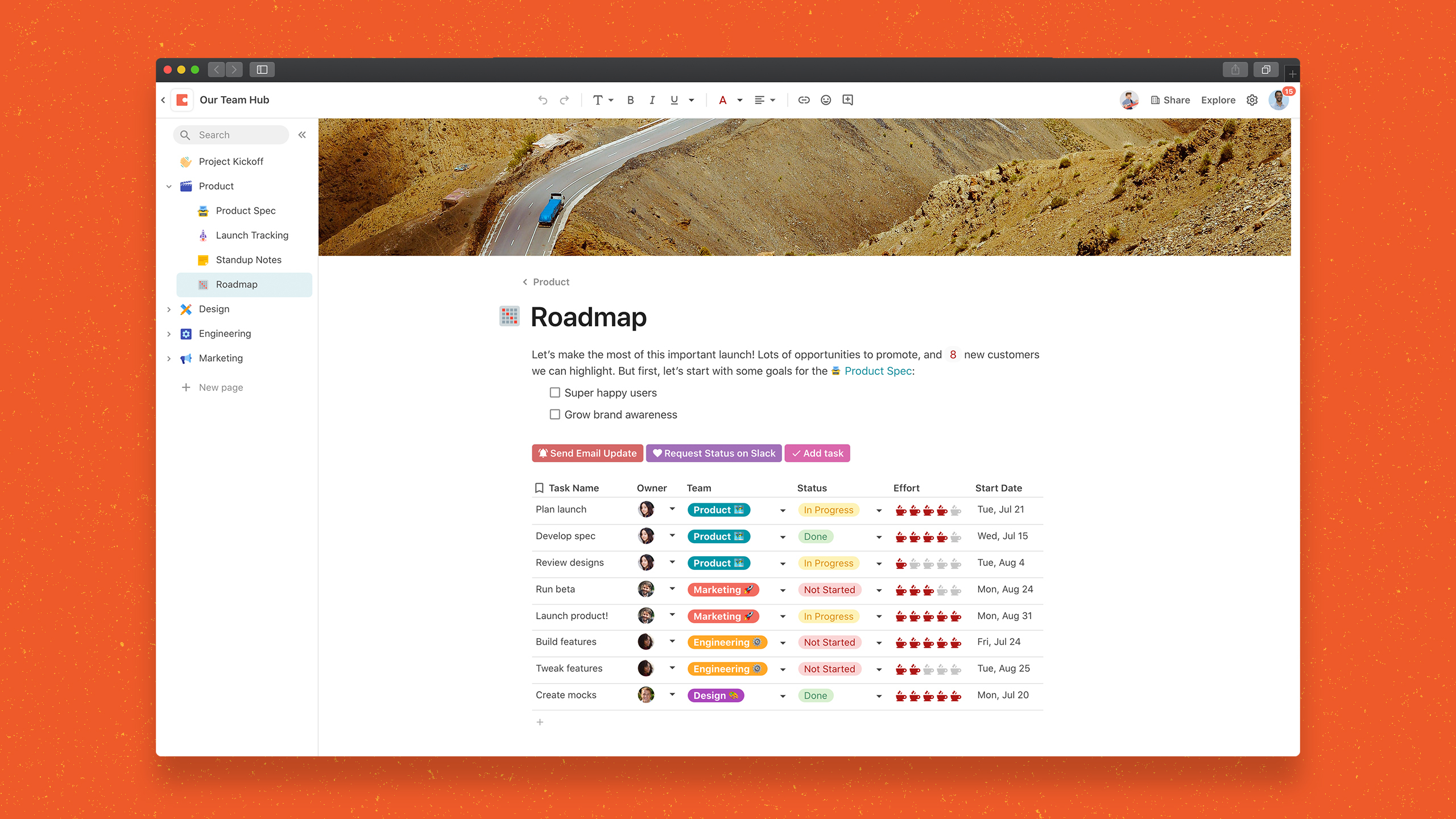

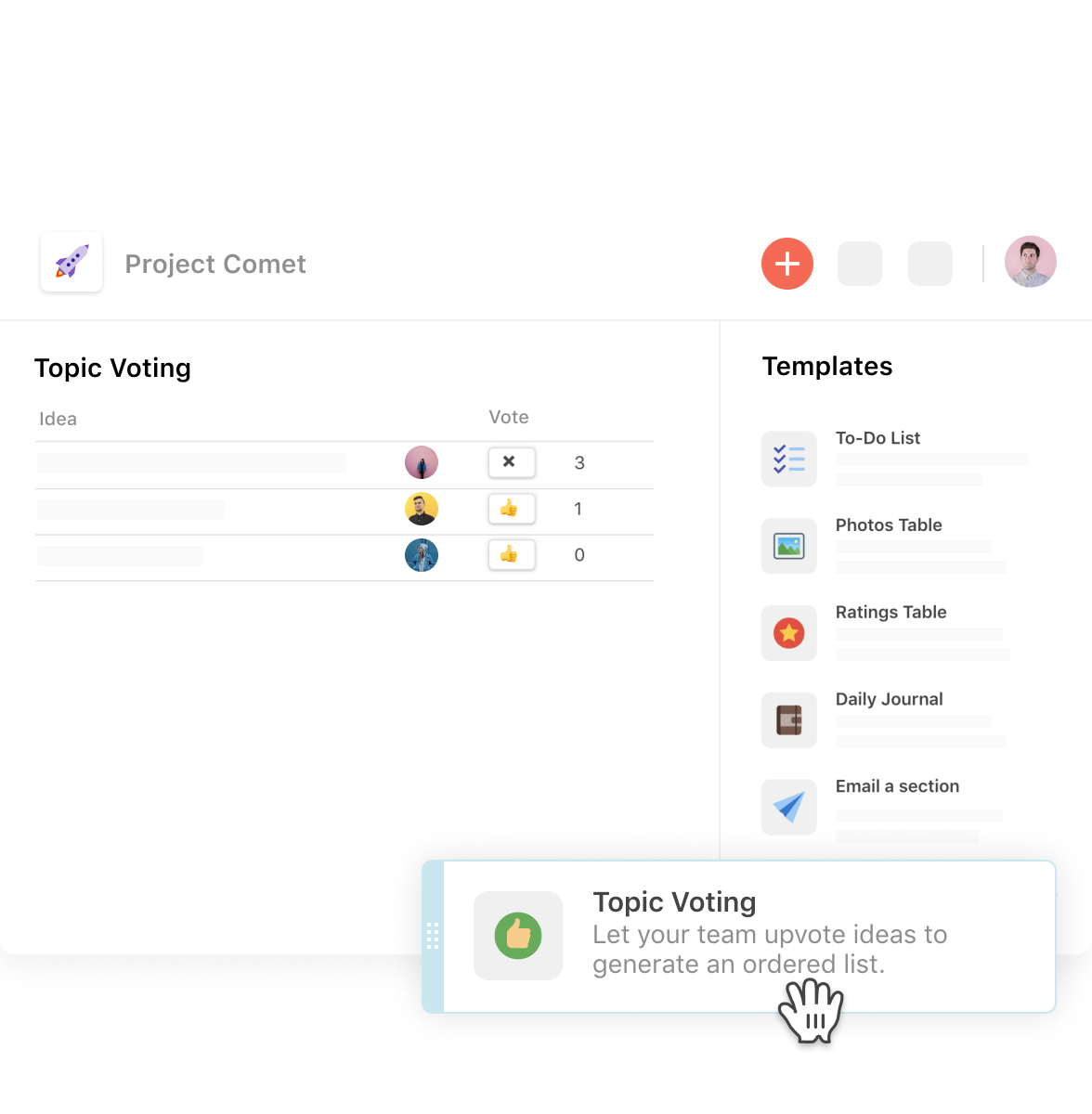
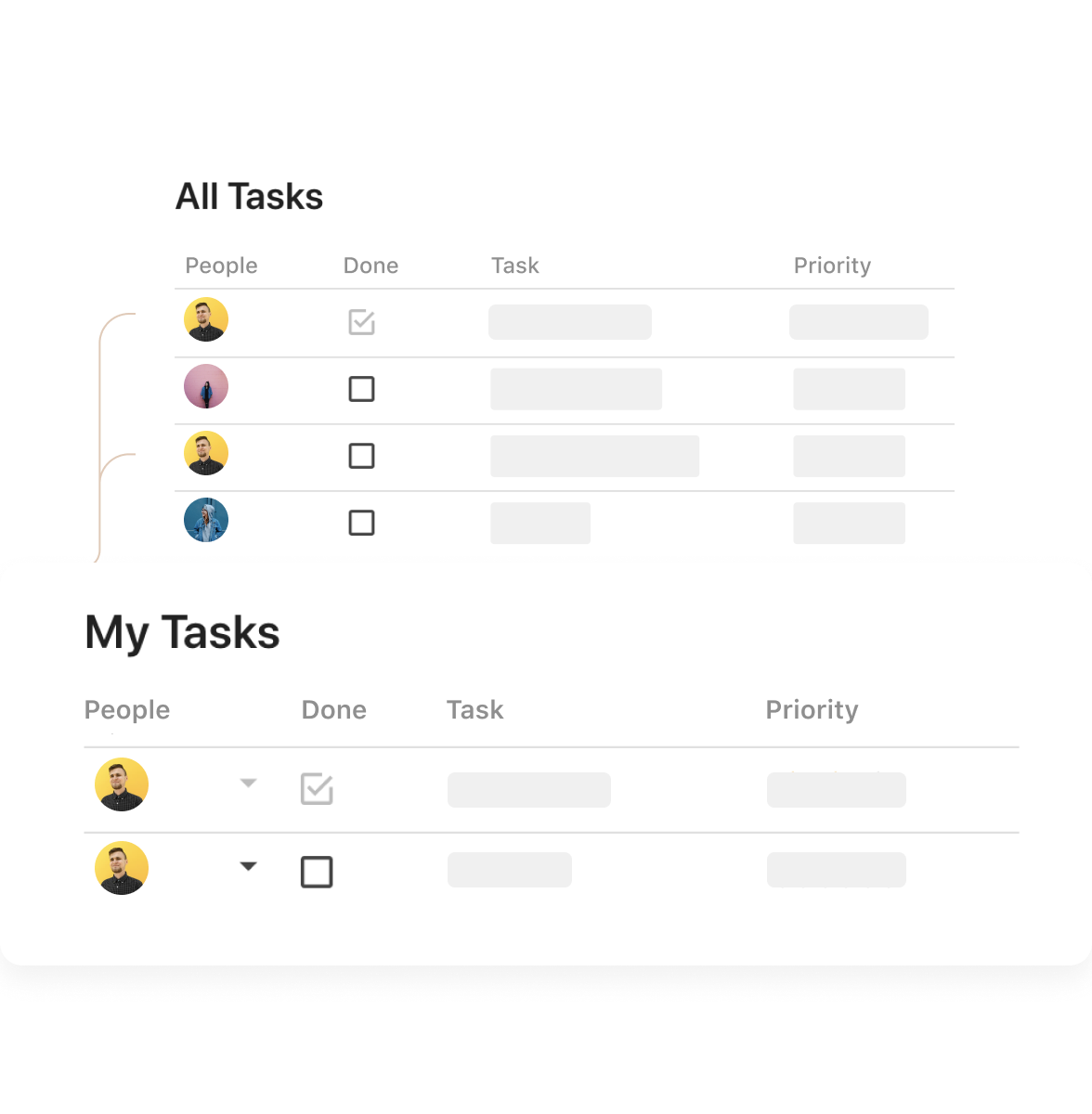


1 / 6
Screenshot of One unified surface means ideas aren’t limited to a file type. A project doesn’t have to be split across tabs of documents, spreadsheets, and apps.
Product Demos
Technical Details
| Deployment Types | SaaS |
|---|---|
| Mobile Application | Apple iOS, Android |
FAQs
What is Coda?
Coda is a unified workspace platform that transforms documents into interactive applications by combining documentation, spreadsheet functionality, relational databases, and AI-powered automation—enabling teams to consolidate multiple tools and automate complex workflows without writing code. The platform operates as a block-based document system where every page can contain interactive tables, buttons that trigger automations, live formulas, and conditional logic, all rendering from a shared underlying data architecture.
How much does Coda cost?
Coda starts at $12.
What are Coda's top competitors?
Atlassian Confluence, Quip, and Notion are common alternatives for Coda.