
TrustRadius: an HG Insights company

IBM Targetprocess

Score8.5 out of 10

87 Reviews and Ratings

What is IBM Targetprocess?

IBM Targetprocess is a Strategic Portfolio Management (SPM) SaaS that connects strategy, funding, and execution. It helps enterprises prioritize work, dynamically allocate resources, and continuously adapt plans. With real-time visibility and financial insights, organizations can deliver faster, clearer business outcomes.

Read more details.

Media

Screenshot of Resource Management: Reduces risk by dynamically managing resources, capacity, and demand
Screenshot of Program Management: To deliver value throughout a strategic portfolio
Screenshot of Portfolio Budgeting: Shifting from project to product funding
Screenshot of Strategic Planning: Continuously links work, labor, and investments to business strategy
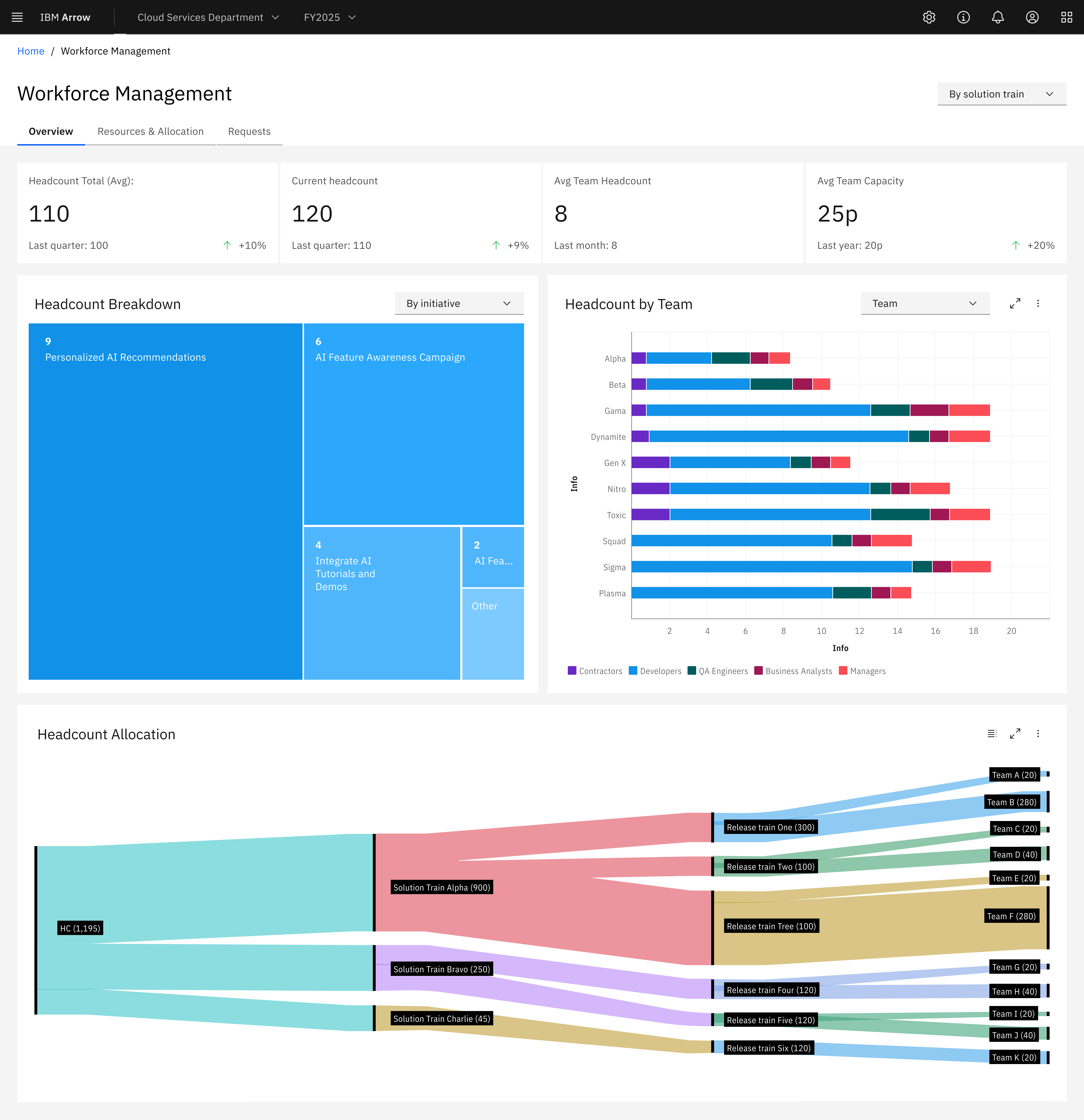
Screenshot of Workforce Management
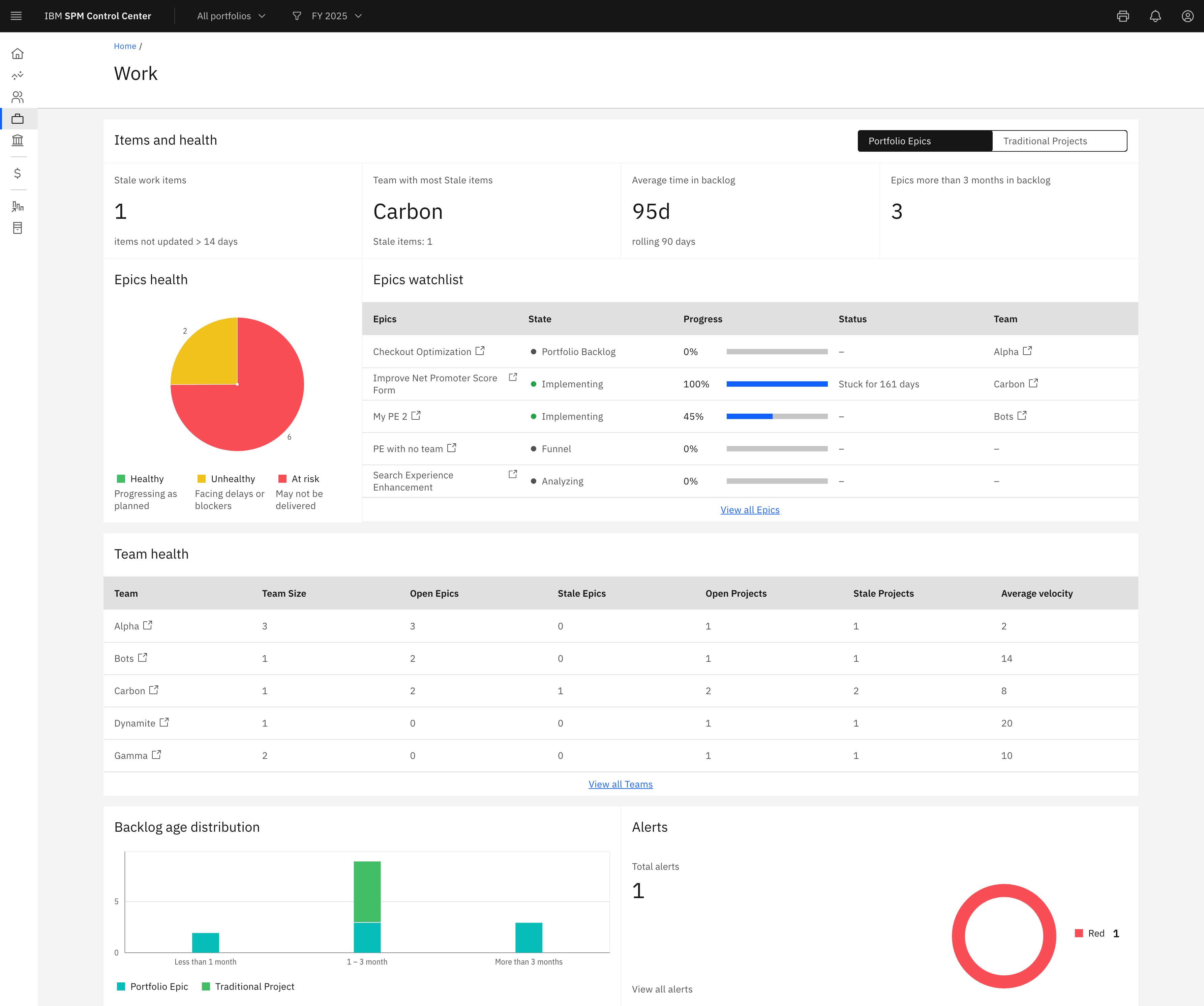
Screenshot of Work
Screenshot of Corporate Goals
Screenshot of SPM Priorities
Screenshot of SPMCC Finance
Screenshot of SPMCC Funding Request
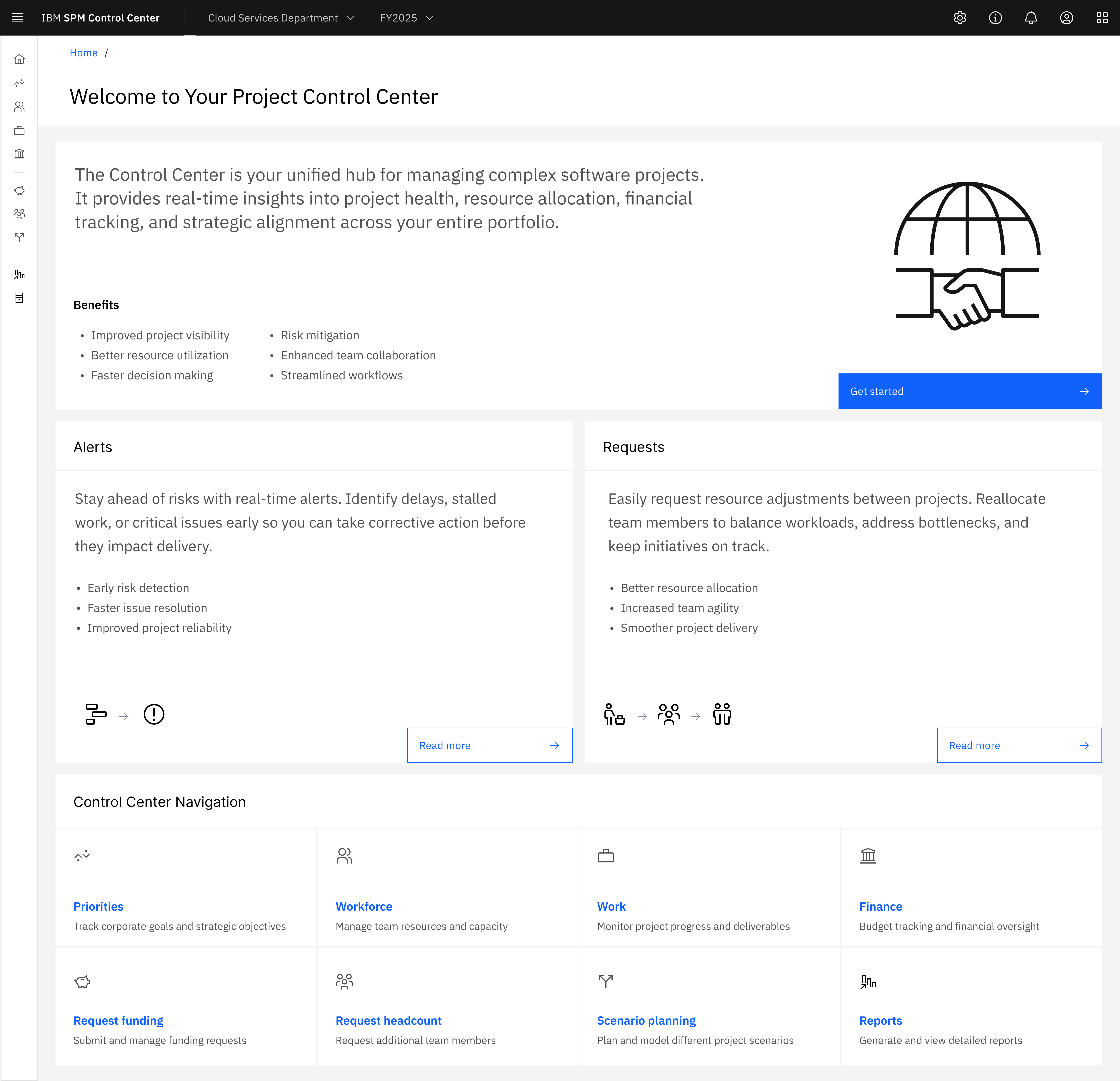
Screenshot of SPM CC Home

1 / 11

Screenshot of Resource Management: Reduces risk by dynamically managing resources, capacity, and demand

Top Performing Features

  • Support for Agile Methodology

    Agile is a time boxed, iterative approach to development that builds software incrementally instead of trying to deliver it all at once near the end.

    Category average: 8.4

  • Timesheet Tracking

    Timesheet tracking is the ability to track all billable and non-billable hours for each project.

    Category average: 7.7

  • Resource Management

    Resource management is workload planning to maximize resources.

    Category average: 8.3

Areas for Improvement

  • Velocity Calculation

    Product uses historical data to calculate team velocity and help understand how much time future work will take.

    Category average: 6.2

  • Support for Waterfall Methodology

    Waterfall methodology is a tradition development method that is linear and sequential.

    Category average: 5.6

  • Search

    Users can search for related materials across files, discussions threads, schedules, etc. using project keywords or tags.

    Category average: 6

Who Buys & Uses IBM Targetprocess

Pros

  • Extensive customization options to align with organizational needs
  • Robust dashboards and reporting with clean, useful visualizations
  • Seamless integration capabilities with other SaaS solutions like Jira and Apptio

Cons

  • Complex and difficult User Interface (UI) and User Experience (UX)
  • Performance issues, particularly with large datasets causing lags
  • Challenges with flexible role-based access control (RBAC) customization

Optimizing Workflows and Visibility Using IBM Targetprocess

Use Cases and Deployment Scope

We widely use IBM Targetprocess tool for PI planning before starting the next quarter, OKR's planning, Working assignment to the engineers and cross team collaboration. This will help us to prioritize the tasks, track the dependencies, sprint planning , backlog grooming and delivery tracking. this will reduce the time and improve the productivity

Pros

  • PI planning, On Every quarter the identified taks have been tracked with it
  • This works well for backlog grooming
  • This will help us to manage the cross team deliverables

Cons

  • The UI is bit complex for new users who never used it. i think this can be sorted out by providing the steps to access?
  • dashboards with large datasets can cause performance lags or timeouts
  • Introduce more flexible, template-based RBAC configurations.

Return on Investment

  • Faster PI planning and backlog grooming
  • Unified views across teams and portfolios
  • Improved capacity planning and forecasting

Alternatives Considered

IBM Cloudability

Other Software Used

Atlassian Jira, Trello, Corporate Planner

Overall a good product as part of IBM Apptio suite

Use Cases and Deployment Scope

We use IBM Targetprocess across the organization for our Jira ticket managements and track the projects via different sprints using kanban dashboards, hierarchical lists, etc

Pros

  • Integration with other tooling
  • Agile scaling
  • We can create custom workflows

Cons

  • User On-boarding can be improved - as whenever we add a new user through Apptio administration - we need to assign separate permissions within IBM Targetprocess for the basic/read-only permissions as well. User only sees an error message that does not point out the issue why he/she is not able to sign in.
  • User sync from Apptio administration to IBM Targetprocess can be added. Example - If I am deleting the user itself from Apptio administration. It should delete the user along with permissions from IBM Targetprocess and the license should get freed immediately, rather we have to manually delete it inside IBM Targetprocess separately

Usability

Return on Investment

  • Improved Quarterly planning
  • Enhanced Project management
  • Simplified for Scrum Masters to collaborate with different teams

Alternatives Considered

Atlassian Jira and Planview AgilePlace

Other Software Used

Atlassian Jira

Operational transformation and ROI with IBM target process.

Use Cases and Deployment Scope

We use IBM Targetprocess for high-level strategic goals with everyday team execution across Software development units. Planning failed because demand constantly exceeded the actual workforce capacity, leading to burnout and delayed deliverables.

Pros

  • Visualization and Dynamic boards.
  • Domain customization.
  • Capacity and Demand planning.

Cons

  • Overwhelming initial setup.
  • Advanced Reporting limitations.

Usability

Return on Investment

  • 40% decrease in planning time.
  • 15% cross team efficiency.

Pretty decent at what it does

Use Cases and Deployment Scope

Organize our software backlog and track all the work items done by the various teams. We also track our issues, bugs, dependencies, releases, and more for all of the projects and teams that work within our IT and technology development departments. Dashboards are then used to track progress across these and to see how they influence each other.

Pros

  • Customization
  • Multifaceted
  • Single Source of truth

Cons

  • Automation and detailed views can be complicated to maintain
  • Customization is often at the portfolio level leading to more portfolios then we would want
  • Forecasting could be more advanced

Usability

Return on Investment

  • Clearer planning
  • Better cross team collaboration

Other Software Used

GitLab

LTP

Use Cases and Deployment Scope

We use TP for creating work instructions, capturing decomposition of features and planning.
TP helps developers from knowing what work has priority.

Pros

  • TP properly visualizes work items for daily use.
  • TP assists to reduce time in planning meetings due to the usability of the boards.
  • Planning boards help discussion about budgets with management.

Cons

  • TP only features deterministic planning. We desire probabilistic planning.
  • The learning curve for starters is pretty high.

Usability

Other Software Used

GitLab, JFrog Artifactory