
Aha! Roadmaps vs. Avaza
| Product | Rating | Most Used By | Product Summary | Starting Price |
|---|---|---|---|---|
 Aha! Roadmaps | Score6.8 out of 10 | N/A | Aha! Roadmaps is used to set strategy, prioritize features, and share visual plans. It includes Aha! Ideas Essentials for crowdsourcing feedback. For an integrated product development approach, Aha! Roadmaps and Aha! Develop can be used together. The software is available with a 30-day trial. | $59 per month per user |
 Avaza | Score8 out of 10 | Mid-Size Companies (51-1,000 employees) | Avaza is a software suite targeted for all business sizes. It includes modules for project management and collaboration, resource scheduling, team chat, time tracking, expense management, quoting and invoicing. Depending on their business needs, companies can use as many, or as few, of the modules as they need. Avaza offers reporting functionality, and the project management module is designed with both list view and Kanban style task management, so users can choose… | $0 |
| Aha! Roadmaps | Avaza | |||||||||||||||
|---|---|---|---|---|---|---|---|---|---|---|---|---|---|---|---|---|
| Editions & Modules |
|
| ||||||||||||||
| Offerings |
| |||||||||||||||
| Entry-level Setup Fee | Optional | Optional | ||||||||||||||
| Additional Details | Startup pack available for early stage companies. | — | ||||||||||||||
| More Pricing Information | ||||||||||||||||
| Aha! Roadmaps | Avaza | |
|---|---|---|
| Considered Both Products | No answer on this topic | No answer on this topic |
| Key User Insights | ||
| Would buy again | ||
100% Would buy again 10 Answers | No answers on this topic | |
| Delivers good value for the price | ||
100% Delivers good value for the price 9 Answers | No answers on this topic | |
| Happy with the feature set | ||
100% Happy with the feature set 10 Answers | No answers on this topic | |
| Lived up to sales and marketing promises | ||
100% Lived up to sales and marketing promises 5 Answers | No answers on this topic | |
| Implementation went as expected | ||
100% Implementation went as expected 7 Answers | No answers on this topic | |
| Aha! Roadmaps | Avaza | ||||||||||||||||||||||||||||||||||||||||
|---|---|---|---|---|---|---|---|---|---|---|---|---|---|---|---|---|---|---|---|---|---|---|---|---|---|---|---|---|---|---|---|---|---|---|---|---|---|---|---|---|---|
| Project Management |
| ||||||||||||||||||||||||||||||||||||||||
| Professional Services Automation |
| ||||||||||||||||||||||||||||||||||||||||
| Aha! Roadmaps | Avaza | |
|---|---|---|
| Small Businesses |  Craft.io Score10 out of 10 |  Any.do Score8 out of 10 |
| Medium-sized Companies |  ProductPlan Score9.5 out of 10 |  KanbanFlow Score7.3 out of 10 |
| Enterprises |  Roadmunk Score4.7 out of 10 |  Microsoft To Do Score7.9 out of 10 |
| All Alternatives | View all alternatives | View all alternatives |
| Aha! Roadmaps | Avaza | |
|---|---|---|
| Likelihood to Recommend | 7.3 | 10.0 |
| Likelihood to Renew | - | 10.0 |
| Usability | 6.3 | 9.0 |
| Support Rating | 9.1 | 10.0 |
| Aha! Roadmaps | Avaza | |
|---|---|---|
| Likelihood to Recommend |
|
|
| Pros |
|
|
| Cons |
|
|
| Likelihood to Renew | No answers on this topic |
|
| Usability |
|
|
| Support Rating |
|
|
| Alternatives Considered |
|
|
| Return on Investment |
|
|
| ScreenShots | Aha! Roadmaps Screenshots      | Avaza Screenshots  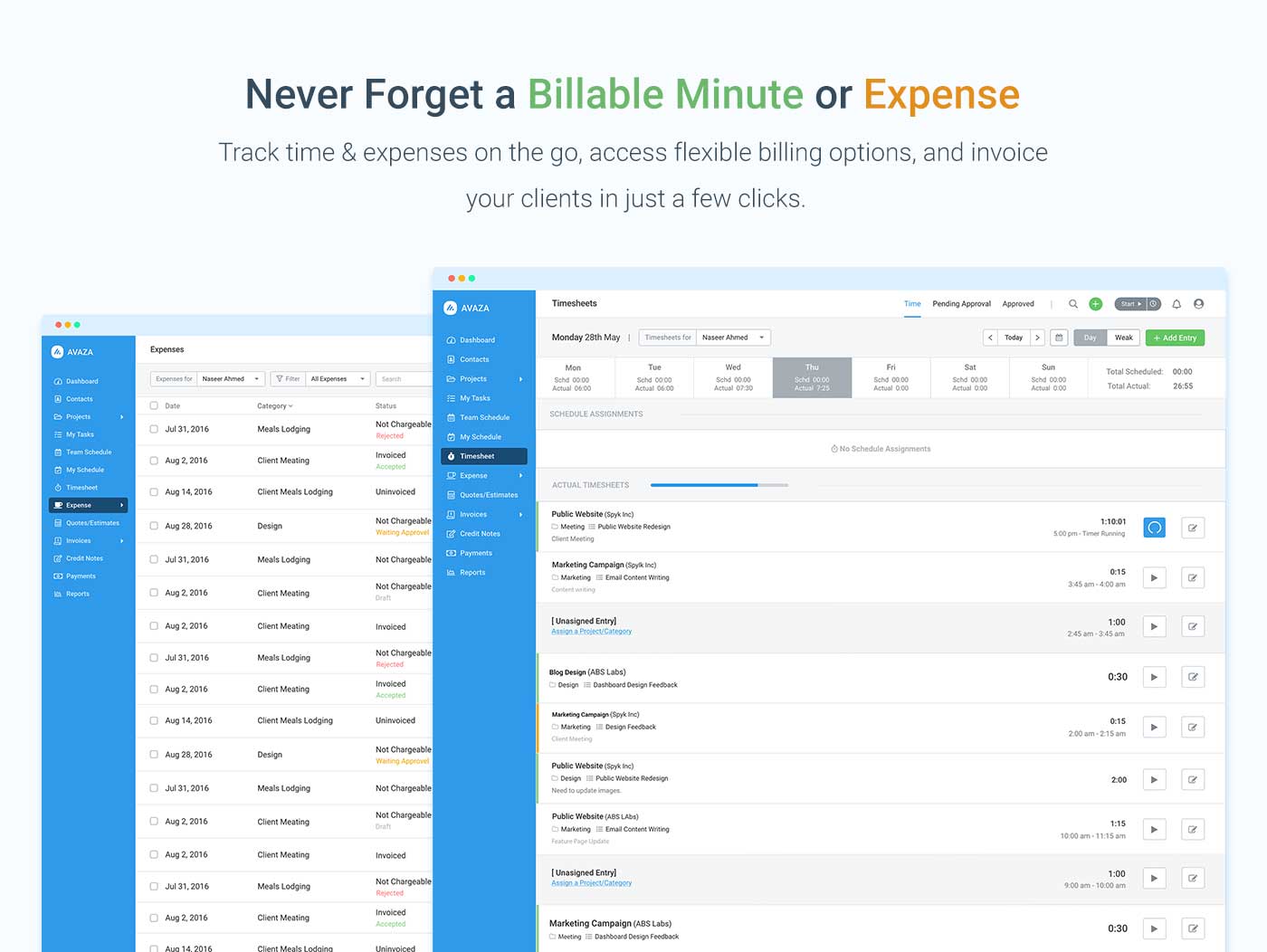    |


