Chose Altify
N/A

| Product | Rating | Most Used By | Product Summary | Starting Price |
|---|---|---|---|---|
 Altify | Enterprise companies (1,001+ employees) | Altify’s suite of Salesforce native solutions guide and coach sellers to identify and map key relationships, uncover business insights, align sales processes to buying processes, qualify, manage and execute deals, and grow wallet share in accounts. | N/A | |
 Asana | N/A | Asana is a web and mobile project management app. With tasks, projects, conversations, and dashboards, Asana lets an entire team know who's doing what by when, enabling workload balancing. Users can also add integrations for GANTT charts, time tracking and more. | $13.49 per month per user |
| Altify | Asana | |||||||||||||||
|---|---|---|---|---|---|---|---|---|---|---|---|---|---|---|---|---|
| Editions & Modules | No answers on this topic |
| ||||||||||||||
| Offerings |
| |||||||||||||||
| Entry-level Setup Fee | Optional | Optional | ||||||||||||||
| Additional Details | — | A discount is offered for annual billing. | ||||||||||||||
| More Pricing Information | ||||||||||||||||
| Altify | Asana | |
|---|---|---|
| Considered Both Products | Altify |  Asana  Md Tanjil Islam Bappi Infrastructure Engineer Chose Asana Asana is a highly effective instrument for managing teams and projects. The paid edition provides a multitude of features that can be tailored and used in accordance with the organisation's specific requirements. Email integration facilitates notifications that remind team …  Darshan Bhatt UX Designer Chose Asana Asana is better for the teams who seeks strealined, easy to use user interfaces with less complexity . Which makes Asana a go to PMS to get things done rather then spending whole time on understanding about how feature works.  Adam Tuchscherer Sales/Finance Exec Chose Asana Overall for the money Asana brings a lot of value for organizations who want to do more with less and need a task and project management solution as a small company is growing and scaling to get to the next level. In the space when we evaluated didn't find a lot of other …  Thomas Verschoren Senior Solutions Specialist Chose Asana Against Jira it offers a more modern experience with less complex user interfaces. The admin and setup experience is also way faster with less (or no) legacy complexity. Against other modern players like Linear and Basecamp it offers way more integrations so we can pull in data …  Rafiqul Islam Full-stack Software Engineer Chose Asana Asana is a top-tier project management software that helps us organize and track projects from start to finish. It allows us to apply tasks/to-dos to multiple projects without duplication, divide complex projects into smaller tasks, and track project progress. It also helps us …  Ammar Aboalrub Freelancer Chose Asana Since I have tried the two applications and saw their advantages and disadvantages, I see that Asana is much better in terms of dealing with files, ease of use, and the many features and characteristics that it has. Also, I noticed that it does not consume much space on my …  Karuthapandian Muthuraj Marketing Operations Specialist Chose Asana Support and Excellent Design UI.  Brian Keary Owner and CEO Chose Asana Side by side with the other two Asana by far beats Monday.com and is comparable and slightly better than ClickUp. Monday is completely browser-based and is hard to navigate and figure out how to set up. Asana and ClickUp are the exact opposite. Both are easy to set up and …  Chantelle Chase Brand Development & Culture Specialist Chose Asana I like how extensive the capabilities are for Asana. With other softwares it seems there are many things lacking. I feel like Asana is also a very user friendly platform and aesthetically pleasing which is important in a modern office. We have many young people entering our …  Christopher Fazio Director of Sales Chose Asana I love how Asana keeps everything and everyone on task. Great product.  Lee L Kennedy Analytics Director Chose Asana Basecamp was a great tool, but it was paid and things like recurring tasks and opening new projects was a pain. Asana, as a free tool, has been better for our organization as it serves the basic functions very well and is not complicated otherwise. I really like the … |
| Altify | Asana | |||||||||||||||||||||||||||||||||||||||||||||
|---|---|---|---|---|---|---|---|---|---|---|---|---|---|---|---|---|---|---|---|---|---|---|---|---|---|---|---|---|---|---|---|---|---|---|---|---|---|---|---|---|---|---|---|---|---|---|
| Project Management |
| |||||||||||||||||||||||||||||||||||||||||||||
| Professional Services Automation |
|
| Altify | Asana | |
|---|---|---|
| Small Businesses |  Lead411 Score 8.3 out of 10 |  Stackby Score 8.8 out of 10 |
| Medium-sized Companies |  Paperflite Score 8.0 out of 10 |  InEight Score 8.2 out of 10 |
| Enterprises | Paperflite Score 8.0 out of 10 | InEight Score 8.2 out of 10 |
| All Alternatives | View all alternatives | View all alternatives |
| Altify | Asana | |
|---|---|---|
| Likelihood to Recommend | 7.5 (0 ratings) | 9.1 (0 ratings) |
| Likelihood to Renew | - (0 ratings) | 9.6 (0 ratings) |
| Usability | - (0 ratings) | 8.7 (0 ratings) |
| Availability | - (0 ratings) | 8.4 (0 ratings) |
| Support Rating | - (0 ratings) | 5.0 (0 ratings) |
| Product Scalability | - (0 ratings) | 8.2 (0 ratings) |
| Altify | Asana | |
|---|---|---|
| Likelihood to Recommend |
|
 Marina Torttoli Marketing Director |
| Pros |
|
|
| Cons |
|
|
| Likelihood to Renew | No answers on this topic |
|
| Usability | No answers on this topic |
|
| Reliability and Availability | No answers on this topic |
 Ronen Soreq Project Manager |
| Support Rating | No answers on this topic |
 Adam Lumley Director of Marketing & Communications |
| Alternatives Considered |
|
Rafiqul Islam Full-stack Software Engineer |
| Scalability | No answers on this topic |
Ronen Soreq Project Manager |
| Return on Investment |
|
Ammar Aboalrub Freelancer |
| ScreenShots | Altify Screenshots  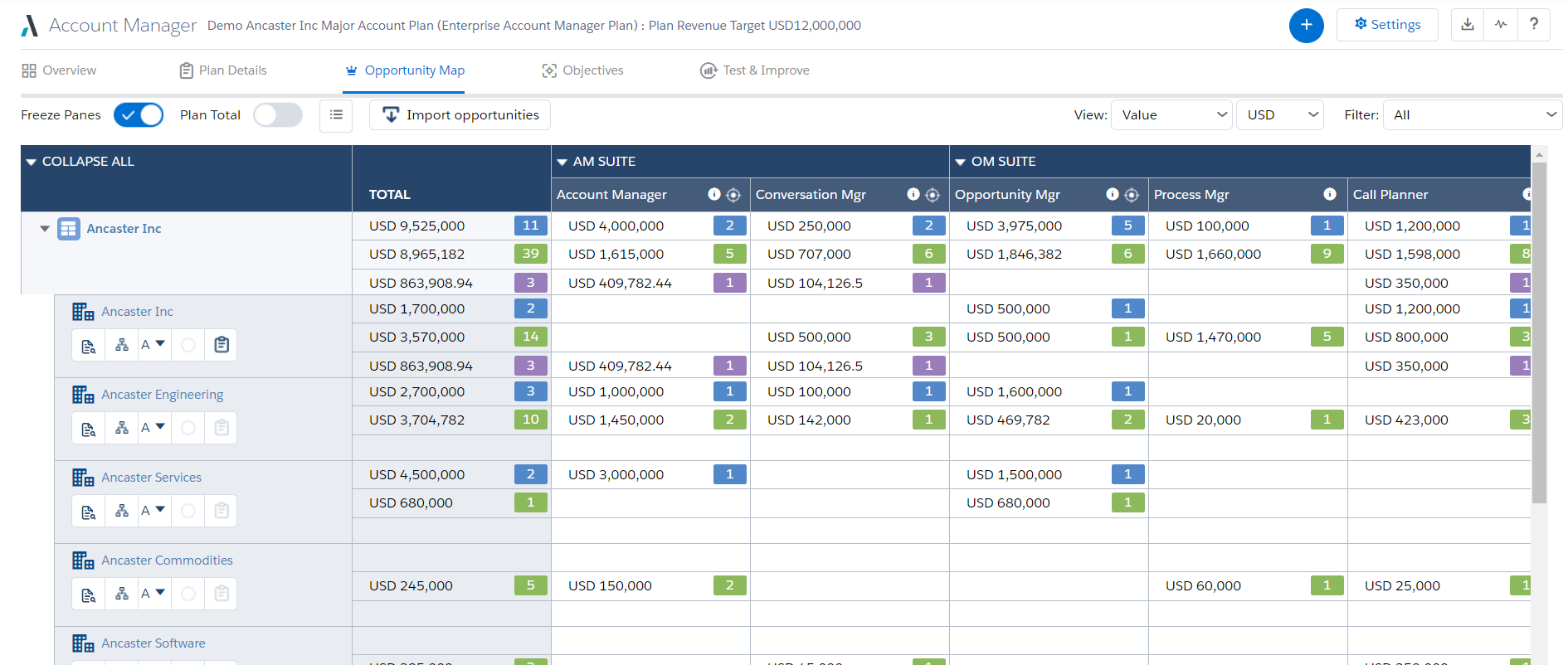    | Asana Screenshots 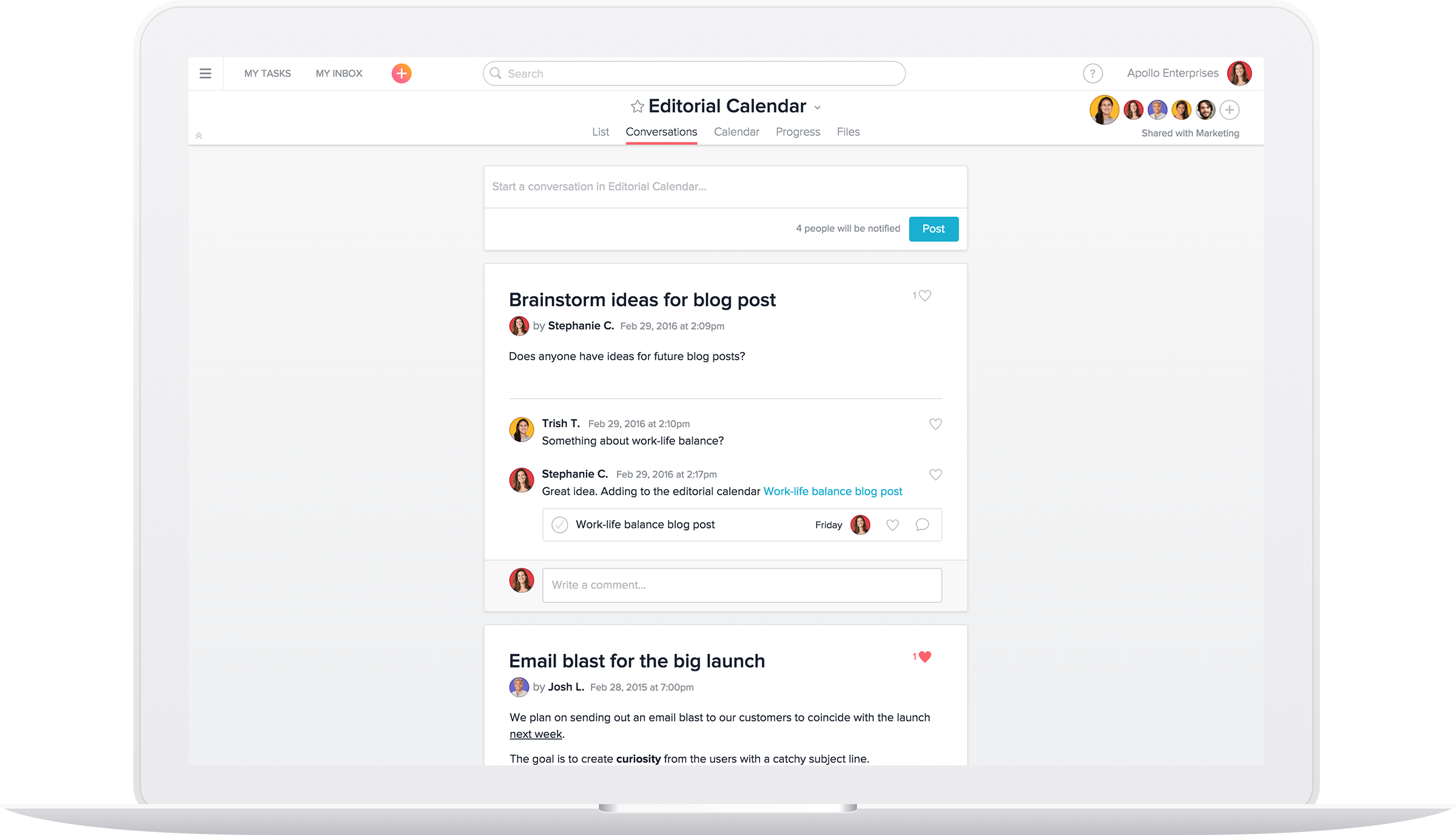     |