Apache Camel is an open source integration platform.
N/A
SAP Integration Suite
Score 8.5 out of 10
N/A
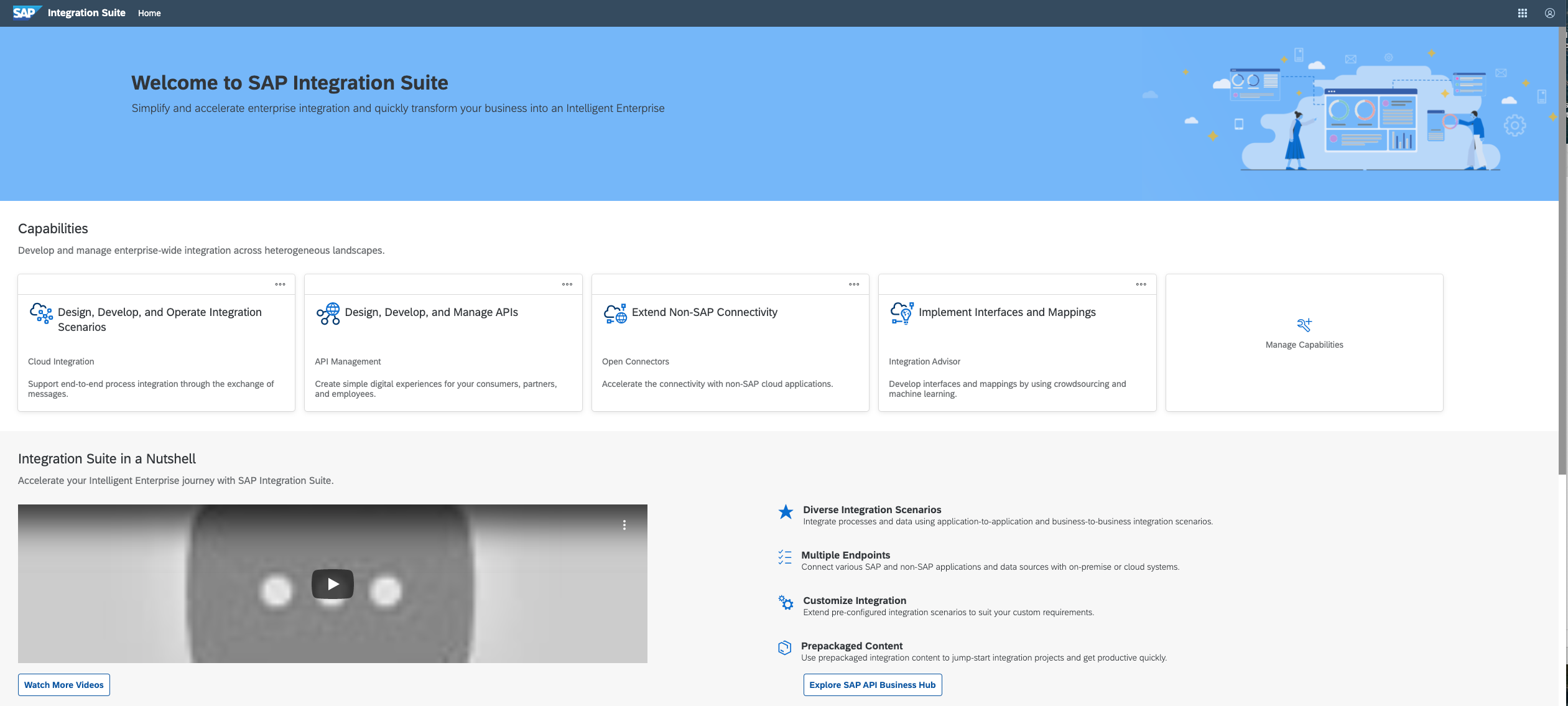
SAP Integration Suite is an integration platform-as-a-service (iPaaS) that helps quickly integrate on-premises and cloud-based processes, services, applications, events, and data. It is used to accelerate innovation, automate more processes, and realize a faster time to value.
$11,199
per year
Pricing
Apache Camel
SAP Integration Suite
Editions & Modules
No answers on this topic
No answers on this topic
Offerings
Pricing Offerings
Apache Camel
SAP Integration Suite
Free Trial
No
Yes
Free/Freemium Version
No
No
Premium Consulting/Integration Services
No
No
Entry-level Setup Fee
No setup fee
No setup fee
Additional Details
—
Access to free tier services does not expire while there is an active Pay-As-You-Go or CPEA account with SAP. Once a free tier service limit has been reached users have the option to update from a free to a paid service plan in the same account.
We used to have a in house application in Camel and Karaf as a middleware, and after we migrate to S4HANNA we decide to give a try and move to the cloud with SAP Integration Suite, knowing the capabilities and the needs that we have in the company and the projects that were …
I have experience with Apache Service Mix which is a bundle of 4 Apache components: ActiveMQ, Camel, Karaf, CXF. With SAP Integration Suite you have a more friendly developer experience because everything is integrated in one product and it offers much more functionalities …
SAP Integration Suite:Strengths: Deep integration with SAP systems, strong support for SAP applications, robust security features.Considerations: May have a steeper learning curve for non-SAP users.MuleSoft Anypoint Platform:Strengths: Wide range of connectors, API-led …
Message brokering across different systems, with transactionality and the ability to have fine tuned control over what happens using Java (or other languages), instead of a heavy, proprietary languages. One situation that it doesn't fit very well (as far as I have experienced) is when your workflow requires significant data mapping. While possible when using Java tooling, some other visual data mapping tools in other integration frameworks are easier to work with.
In our case to have a such a poweful middleware in the cloud, give us a lot of benefits such as maintenance and support. In the integration part to be able to connect SAP and Non SAP applications makes SAP Integration Suite a good investment when our master data in this case is in S4HANA. Less appropriate is that sometimes the updates in production tenant failed and they have to downgrade or repair the issues. Affecting the usage of the tool. I guess SAP team have to be more aware of performing the changes and tested well on development environments and then when they know for sure that is the correct way to go with the update put it in production.
Camel has an easy learning curve. It is fairly well documented and there are about 5-6 books on Camel.
There is a large user group and blogs devoted to all things Camel and the developers of Camel provide quick answers and have also been very quick to patch Camel, when bugs are reported.
Camel integrates well with well known frameworks like Spring, and other middleware products like Apache Karaf and Servicemix.
There are over 150 components for the Camel framework that help integrate with diverse software platforms.
Provide more pre-built integrations to use within SuccessFactors or other modules instead of everything having to be custom built
Support is unable to provide advice on custom builds so you often have to engage a 3rd party partner
Works best when you have the functional and technical teams working together. Otherwise, the system is too technical for a functional user to create integration and a technical user not always understand the functional perspective
It is in place, our system integrators are familiar with it, and it fits into the ecosystem. A better user interface, flow build and debugging experience would see it grow, many technical staff do not enjoy using it for this reason, however it is quite capable and powerful behind this one shortcoming.
The user interface is messy and not intuitive. It has a steep learning curve, and flows developed around are easy to make a mess with layout and can be difficult to follow. The debugging is also quite difficult, it takes some time to figure out how to follow the flow and examine data. Error handling is also difficult and not intuitive, it is better to let some errors leak and monitor through ALM.
The support for SAP Integration Suite is satisfactory. We leverage SAP support through our manage services partner. So far, we have not had many major issues. One concern, to make our rating a ten, would be turnaround time on high priority incidents. SAP Integration Suite drives our key business functions forward. Without a reasonable service level agreement on turnaround, we sometimes find us running into issues running pay, etc.
If you are looking for a Java-based open source low cost equivalent to webMethods or Azure Logic Apps, Apache Camel is an excellent choice as it is mature and widely deployed, and included in many vendored Java application servers too such as Redhat JBoss EAP. Apache Camel is lacking on the GUI tooling side compared to commercial products such as webMethods or Azure Logic Apps.
SAP Integration Suite was already part of our SAP stack, part of Business Technology Platform, with out-of-the-box integration with S/4 HANA transactional and ERP system that we are using as our main back-end. Thus, we are achieving significant Total Cost Optimization benefits or running both solutions on the same platform, hosted on Azure cloud.
Very fast time to market in that so many components are available to use immediately.
Error handling mechanisms and patterns of practice are robust and easy to use which in turn has made our application more robust from the start, so fewer bugs.
However, testing and debugging routes is more challenging than working is standard Java so that takes more time (less time than writing the components from scratch).
Most people don't know Camel coming in and many junior developers find it overwhelming and are not enthusiastic to learn it. So finding people that want to develop/maintain it is a challenge.