Chose Asana
Look and feel of monday.com is better, but Asana has more features and capabilities making it the better option.

| Product | Rating | Most Used By | Product Summary | Starting Price |
|---|---|---|---|---|
 Asana | N/A | Asana is a web and mobile project management app. With tasks, projects, conversations, and dashboards, Asana lets an entire team know who's doing what by when, enabling workload balancing. Users can also add integrations for GANTT charts, time tracking and more. | $13.49 per month per user | |
 Coda by Grammarly | N/A | Coda, acquired by Grammarly in early 2025, is a template-based document creation and collaboration solution, supporting a variety of use cases. | $0 per month | |
 Sitetracker | N/A | Sitetracker is a project management application focusing on managing and reporting features for large or high-volume distributed projects involving disparate sites and personnel, from the company of the same name in Palo Alto, California. | N/A |
| Asana | Coda by Grammarly | Sitetracker | ||||||||||||||||||||||
|---|---|---|---|---|---|---|---|---|---|---|---|---|---|---|---|---|---|---|---|---|---|---|---|---|
| Editions & Modules |
|
| No answers on this topic | |||||||||||||||||||||
| Offerings |
| |||||||||||||||||||||||
| Entry-level Setup Fee | Optional | No setup fee | No setup fee | |||||||||||||||||||||
| Additional Details | A discount is offered for annual billing. | With Coda, you only pay for Doc Makers. Often one person creates a doc, others edit it, and some simply observe from afar. Instead of charging for everyone, we only charge for the people who create docs. Interested in enterprise pricing? Visit coda.io/enterprise | — | |||||||||||||||||||||
| More Pricing Information | ||||||||||||||||||||||||
| Asana | Coda by Grammarly | Sitetracker | |
|---|---|---|---|
| Considered Multiple Products |  Asana | Coda by Grammarly  Camille Hidalgo Nussbaum, CSM® Project Manager, Creative Technologies Chose Coda by Grammarly While all of the products listed have great features and platforms, there was always one thing missing from them that I would need to get from another application. Coda was the first one we used that really combined some of the best parts of those products and allowed us to use … | Sitetracker |
| Asana | Coda by Grammarly | Sitetracker | |||||||||||||||||||||||||||||||||||||||||||||||||||||||||||
|---|---|---|---|---|---|---|---|---|---|---|---|---|---|---|---|---|---|---|---|---|---|---|---|---|---|---|---|---|---|---|---|---|---|---|---|---|---|---|---|---|---|---|---|---|---|---|---|---|---|---|---|---|---|---|---|---|---|---|---|---|---|
| Project Management |
| ||||||||||||||||||||||||||||||||||||||||||||||||||||||||||||
| Professional Services Automation |
|
| Asana | Coda by Grammarly | Sitetracker | |
|---|---|---|---|
| Small Businesses |  Stackby Score 8.9 out of 10 | Stackby Score 8.9 out of 10 | Stackby Score 8.9 out of 10 |
| Medium-sized Companies |  InEight Score 8.3 out of 10 |  Troop Messenger Score 9.8 out of 10 | InEight Score 8.3 out of 10 |
| Enterprises | InEight Score 8.3 out of 10 |  HCL Connections Score 9.0 out of 10 | InEight Score 8.3 out of 10 |
| All Alternatives | View all alternatives | View all alternatives | View all alternatives |
| Asana | Coda by Grammarly | Sitetracker | |
|---|---|---|---|
| Likelihood to Recommend | 9.0 (208 ratings) | 8.0 (26 ratings) | 9.4 (6 ratings) |
| Likelihood to Renew | 9.6 (34 ratings) | 9.1 (2 ratings) | - (0 ratings) |
| Usability | 8.3 (36 ratings) | 7.7 (3 ratings) | - (0 ratings) |
| Availability | 8.4 (2 ratings) | 9.1 (1 ratings) | - (0 ratings) |
| Performance | - (0 ratings) | 9.1 (1 ratings) | - (0 ratings) |
| Support Rating | 5.0 (42 ratings) | 7.8 (2 ratings) | 8.0 (1 ratings) |
| Implementation Rating | - (0 ratings) | 8.2 (1 ratings) | - (0 ratings) |
| Configurability | - (0 ratings) | 8.2 (1 ratings) | - (0 ratings) |
| Ease of integration | - (0 ratings) | 4.5 (1 ratings) | - (0 ratings) |
| Product Scalability | 8.2 (1 ratings) | 9.1 (1 ratings) | - (0 ratings) |
| Vendor post-sale | - (0 ratings) | 7.3 (1 ratings) | - (0 ratings) |
| Asana | Coda by Grammarly | Sitetracker | |
|---|---|---|---|
| Likelihood to Recommend | Asana
 Marina Torttoli Marketing Director | Grammarly
| Sitetracker
 Partha Roy Lead Product Engineer |
| Pros | Asana
 Ammar Aboalrub Freelancer | Grammarly
 Matt Woods Growth Product Manager | Sitetracker
|
| Cons | Asana
| Grammarly
 Pearl Cheah Physics & Application Manager | Sitetracker
Partha Roy Lead Product Engineer |
| Likelihood to Renew | Asana
 page V CEO (Chief Executive Officer) | Grammarly
Pearl Cheah Physics & Application Manager | Sitetracker No answers on this topic |
| Usability | Asana
| Grammarly
| Sitetracker No answers on this topic |
| Reliability and Availability | Asana
 Ronen Soreq Project Manager | Grammarly
Pearl Cheah Physics & Application Manager | Sitetracker No answers on this topic |
| Performance | Asana No answers on this topic | Grammarly
Pearl Cheah Physics & Application Manager | Sitetracker No answers on this topic |
| Support Rating | Asana
 Adam Lumley Director of Marketing & Communications | Grammarly
Pearl Cheah Physics & Application Manager | Sitetracker
 James Moses Senior Blogger |
| Implementation Rating | Asana No answers on this topic | Grammarly
Pearl Cheah Physics & Application Manager | Sitetracker No answers on this topic |
| Alternatives Considered | Asana
 Rafiqul Islam Full-stack Software Engineer | Grammarly
Camille Hidalgo Nussbaum, CSM® Project Manager, Creative Technologies | Sitetracker
|
| Scalability | Asana
Ronen Soreq Project Manager | Grammarly
Pearl Cheah Physics & Application Manager | Sitetracker No answers on this topic |
| Return on Investment | Asana
 Kristi Porter Chief Do-Gooder | Grammarly
| Sitetracker
Partha Roy Lead Product Engineer |
| ScreenShots | Asana Screenshots 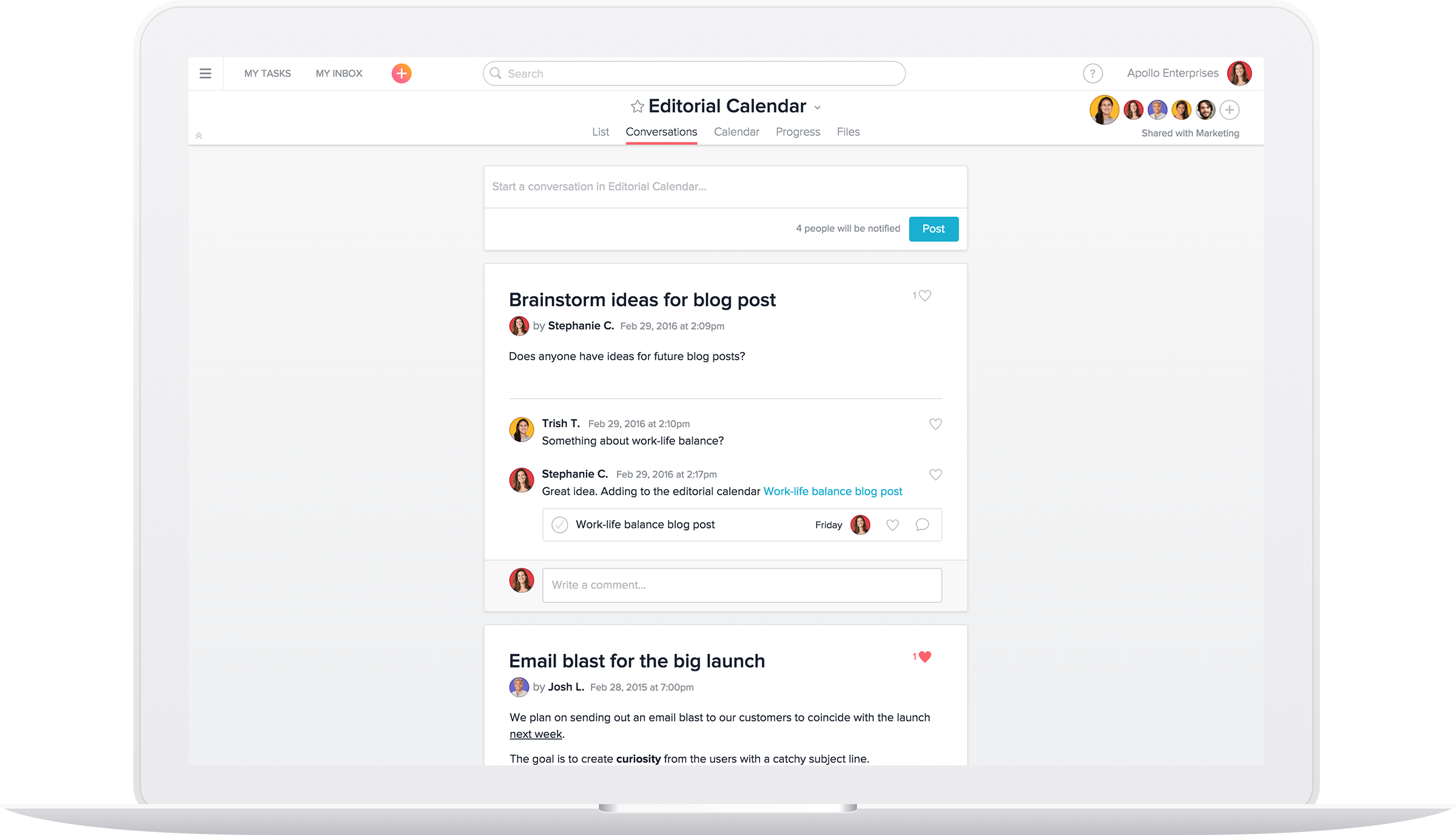     | Coda by Grammarly Screenshots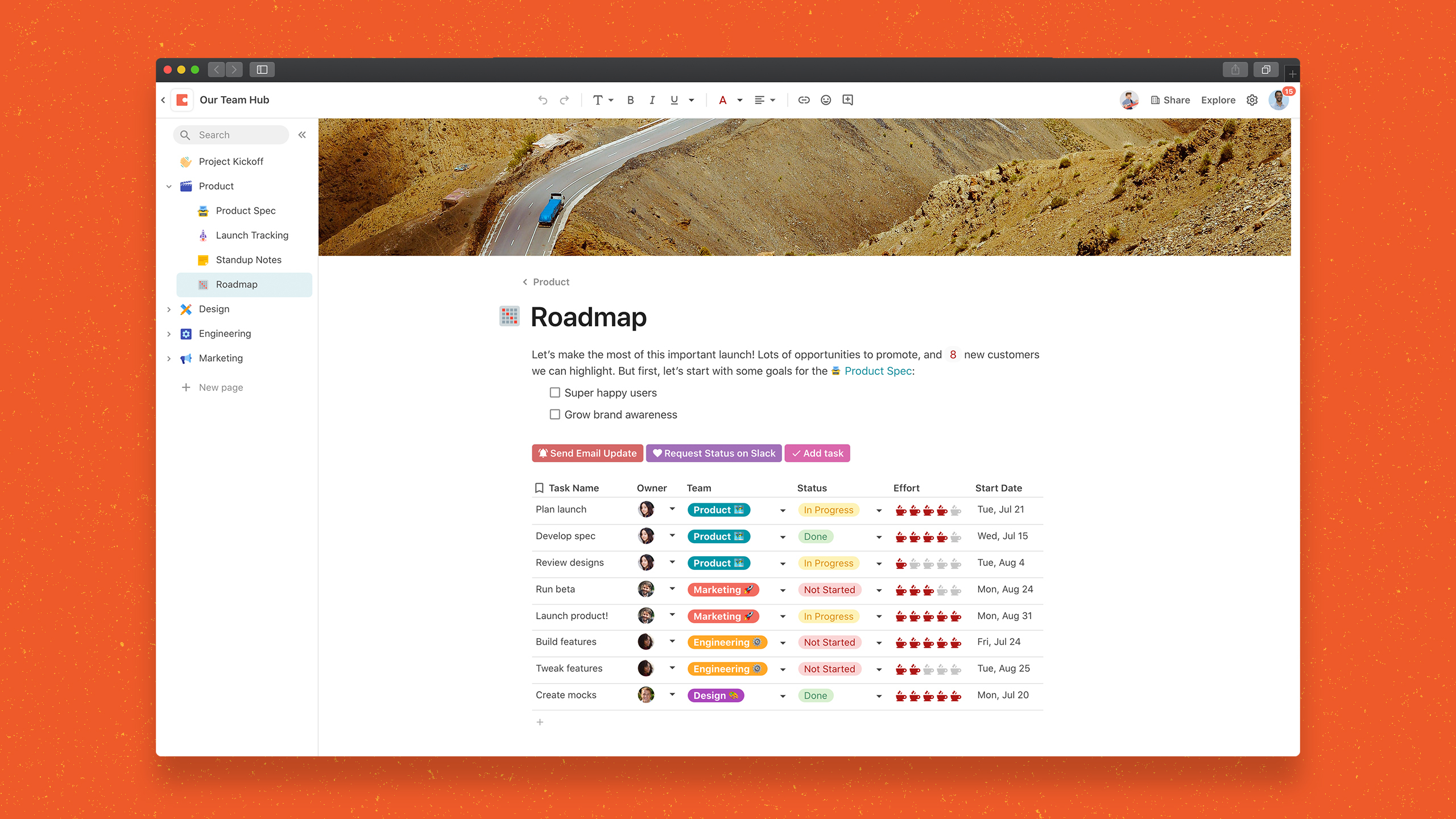  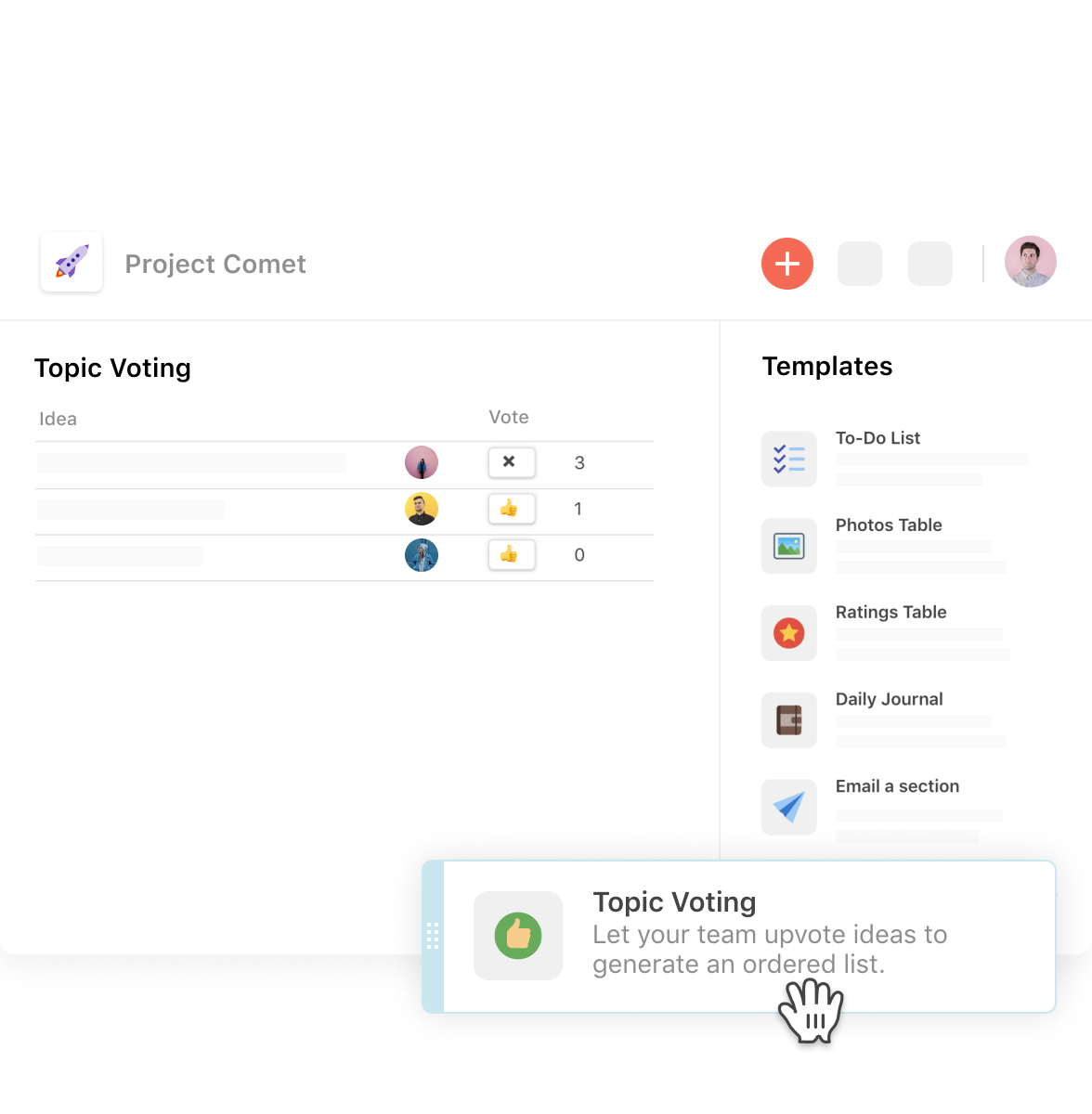 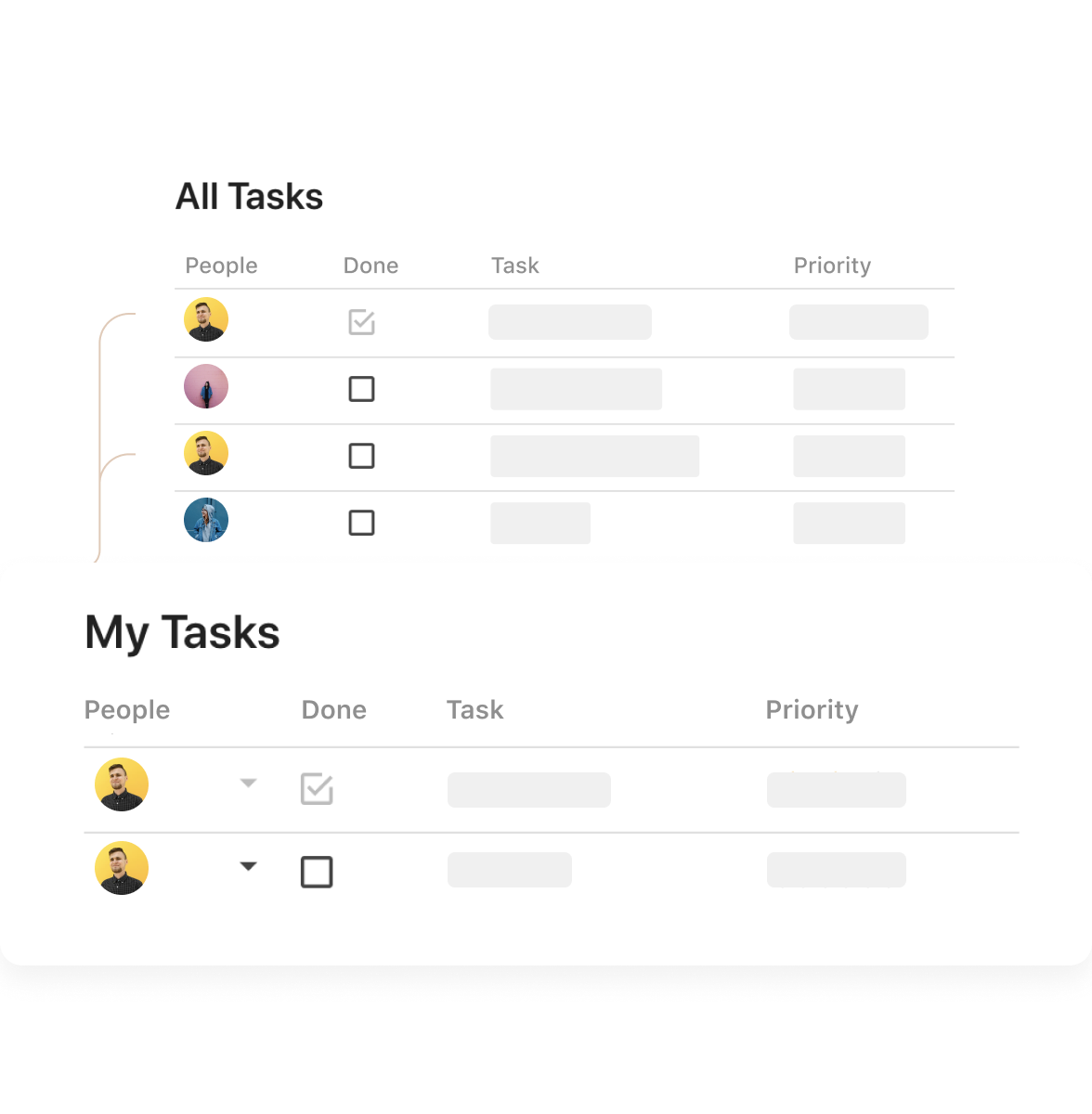  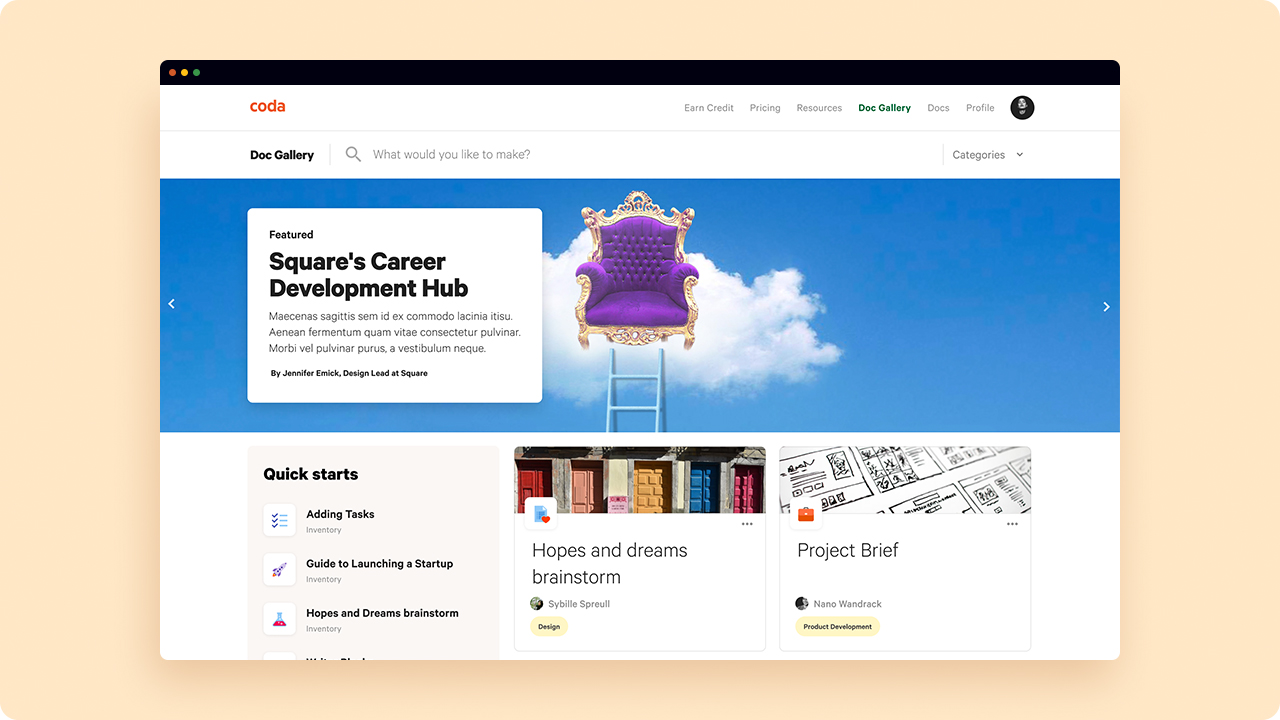 |