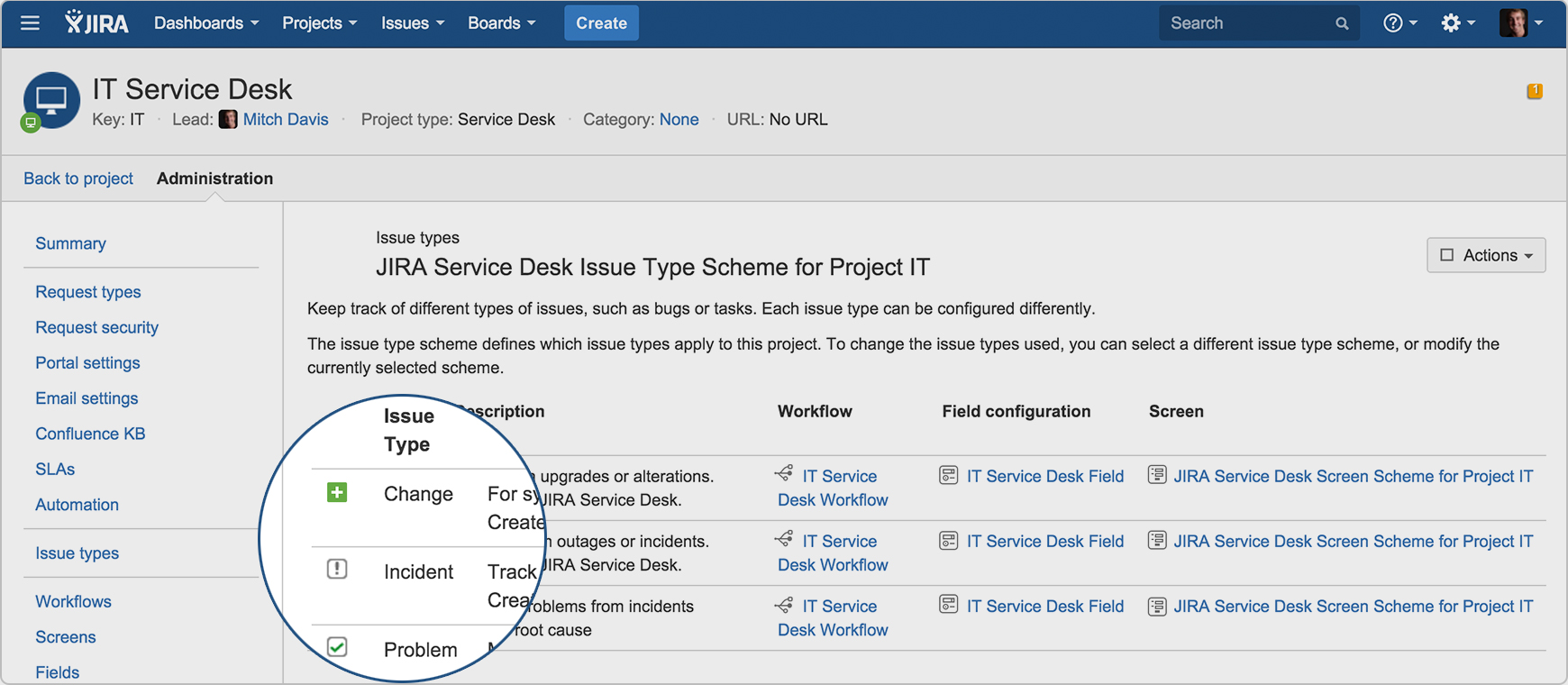
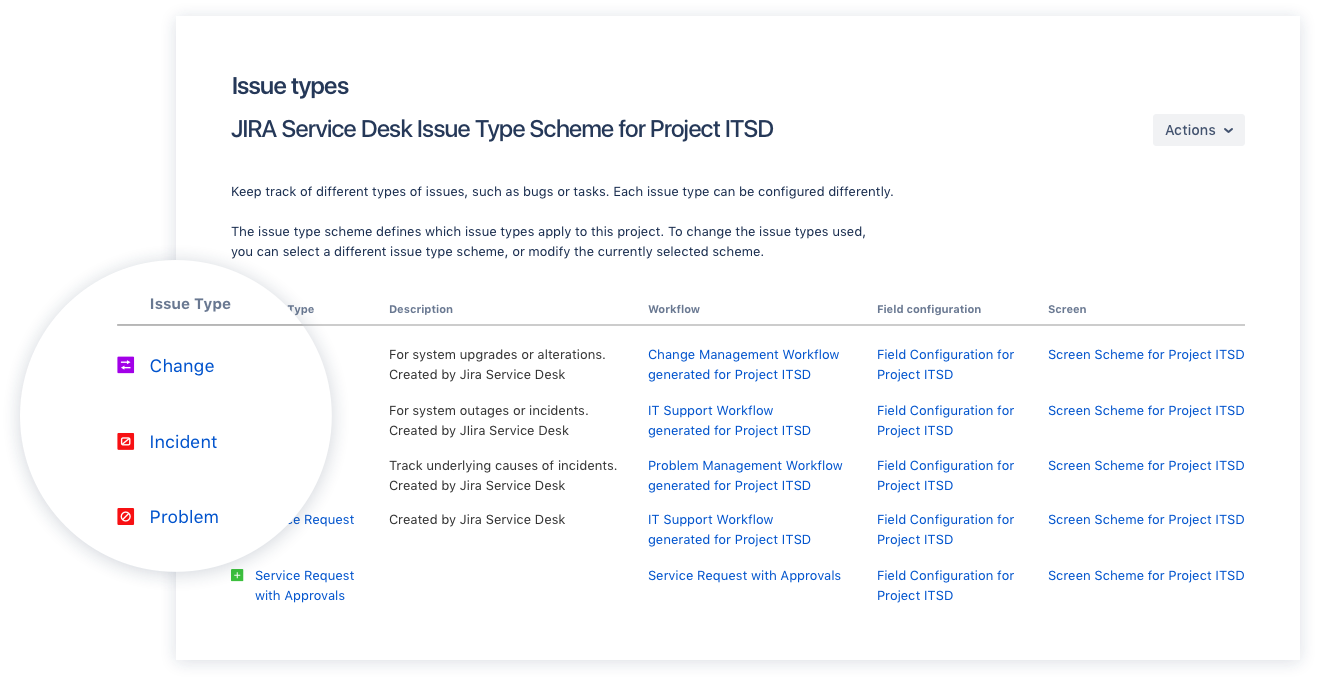
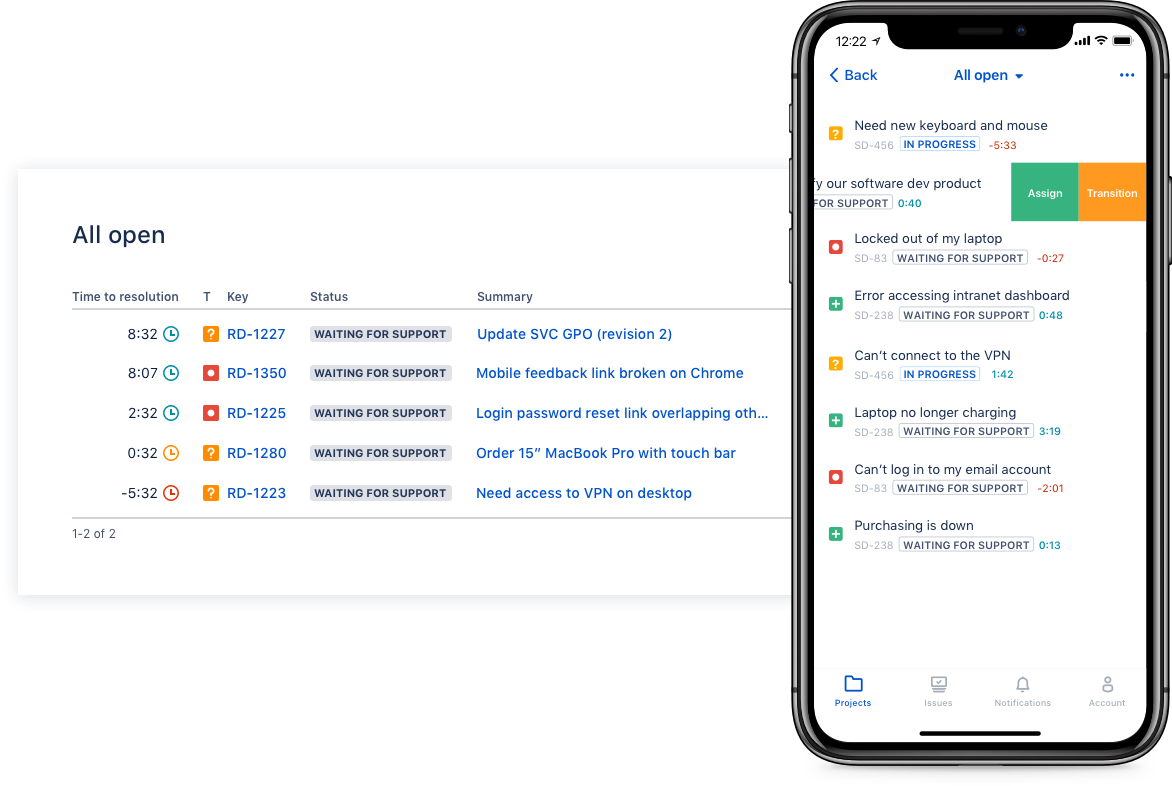
The Atlassian Service Collection, including the no longer available standalone Jira Service Management, is an integrated suite of service management applications built on Atlassian's unified Jira platform architecture. Designed to bring development, operations, internal IT, and external support teams onto a single workflow engine, the Service Collection consolidates support infrastructures to deliver service at high velocity.
$0
per month
Hiver
Score9 out of 10
N/A
Hiver is a customer service platform that brings together communication channels, apps, and data to improve customer support operations. Hiver enables real-time collaboration across every customer communication channel, offering AI and automation to resolve issues and help teams work faster. Hiver states that over 10,000 teams of all shapes and sizes globally from Flexport to Harvard University, Vacasa, and Epic Games rely on Hiver to deliver support that wins and retains customers for…
I think using a ticketing system is very easy to use and allows multiple teams to create help desks in the same portal. In terms of internal usage, I think this is a great option. However, suppose you're trying to keep internal items and external helpdesks in the same instance. In that case, this is not ideal, as there is no effective way to separate the two instances to protect internal data better.
A de minimis incentive was given to thank the reviewer for their time. The incentive was not used to bias or drive a particular response, nor was the incentive contingent on a positive endorsement. More Info
One scenario where Hiver works really well is in a shared support or billing inbox or anywhere multiple team members need access to the same messages. For example, when a customer emails about a billing question, we used to reply and manually loop in the billing team or forward the message. That often caused confusion, especially when someone forgot to “reply all” or responded only to the teammate instead of the customer.Now with Hiver, we just assign the conversation to the billing inbox, and whoever is available can respond. Everyone on the team can see the thread, status, and notes, which avoids duplicated efforts and missed replies. We also used to rely on Google Groups, but it wasn’t clear if someone had already replied, and there was no easy way to collaborate behind the scenes. Hiver completely solved that for us.As for situations where Hiver might be less ideal, I’d say if your team isn’t using Gmail or Google Workspace, then it’s probably not a good fit. It’s really designed for teams that live in Gmail so the team doesn't have to learn a new system. I'm sure some businesses will require a more robust ticketing solution but for our use case, this was a perfect option to improve outcomes, client service, and satisfaction.
A de minimis incentive was given to thank the reviewer for their time. The incentive was not used to bias or drive a particular response, nor was the incentive contingent on a positive endorsement. More Info
Integration with many of the most common tools companies are using (Slack, MS Teams, Salesforce, ... etc)
Natural workflow with Jira (as product development / project management tool) which makes the full fix and follow up of the tickets / issues very easy to follow
Allow multiple different entry points and work flows for as many different needs your teams / company have
A de minimis incentive was given to thank the reviewer for their time. The incentive was not used to bias or drive a particular response, nor was the incentive contingent on a positive endorsement. More Info
A de minimis incentive was given to thank the reviewer for their time. The incentive was not used to bias or drive a particular response, nor was the incentive contingent on a positive endorsement. More Info
A de minimis incentive was given to thank the reviewer for their time. The incentive was not used to bias or drive a particular response, nor was the incentive contingent on a positive endorsement. More Info
If you're used to other tools in the Atlassian ecosystem, you'll feel right at home with JSM. It's also a platform that technical folk can easily pick up. However, I wouldn't recommend using JSM as a company's first jumping off point into Atlassian. There are a lot of other 'newer' tools that provide sleeker ITSM systems at a similar cost.
A de minimis incentive was given to thank the reviewer for their time. The incentive was not used to bias or drive a particular response, nor was the incentive contingent on a positive endorsement. More Info
I gave JIRA a 9 rating since for me JIRA works according to its purpose. Since there is a customer portal, our clients can leave a comment or communicate with us using the PR ticket that way it is easier for us to also request any additional information we need for our investigation.
Online Training from Atlassian was really Good to effectively deploy, manage, and utilize Jira Service Management. It really improved the overall Operational Efficiency and productivity of end users in the organization. Training gives the confidence to use Jira Service Management for all of the Product engineering, Application support, and Infrastructure engineering support team members.
Online Training was good and informative for new users adopting Jira Service Management. The Training helped to understand the product features, customization capabilities, and integration options with various tools in an enterprise organization, so the overall productivity and efficiency are improved at Blue Yonder. It also helps to timely address the incident tickets, user stories, and track and close them in a timely manner.
Zendesk is a similar ticketing system that our organization used before JIRA Service Desk. The main drawback of Zendesk was that it can only be used as a cloud service. This means that our company data would be living on the internet at the hands of their security team. Another drawback of this is the price is significantly more expensive rather than hosting it yourself. Zendesk does have some additional features such as commenting on multiple tickets at once that JSD does lack. However, switching to JSD was significantly more cost effective because we have the ability and the infrastructure to host our own ticketing system, something that Zendesk could not provide. Ultimatley switching to JSD saved us money and allows the ability for integration with all of the other Atlassian Suite products that we use on a day to day basis.
A de minimis incentive was given to thank the reviewer for their time. The incentive was not used to bias or drive a particular response, nor was the incentive contingent on a positive endorsement. More Info
True ticketing solutions are certainly more robust in that you can typically manage social media channels and phones, etc. But, in my opinion, when you don't have a team solely responsible for managing a ticketing system they can be complicated to implement. With HIVER, we're already all accustomed to managing our own G-Suite inbox, so it was simply a matter of teaching the team how to utilize the solution.
A de minimis incentive was given to thank the reviewer for their time. The incentive was not used to bias or drive a particular response, nor was the incentive contingent on a positive endorsement. More Info
A de minimis incentive was given to thank the reviewer for their time. The incentive was not used to bias or drive a particular response, nor was the incentive contingent on a positive endorsement. More Info
The ROI on showing how many emails are being received and addressed in a timely manner are great for KPIs
the ability to search and ensure emails are not being deleted as an automatic report is sent out the following day saying if any emails were deleted by whom
the ability to automate who gets assigned what emails from specific vendors per entity
A de minimis incentive was given to thank the reviewer for their time. The incentive was not used to bias or drive a particular response, nor was the incentive contingent on a positive endorsement. More Info