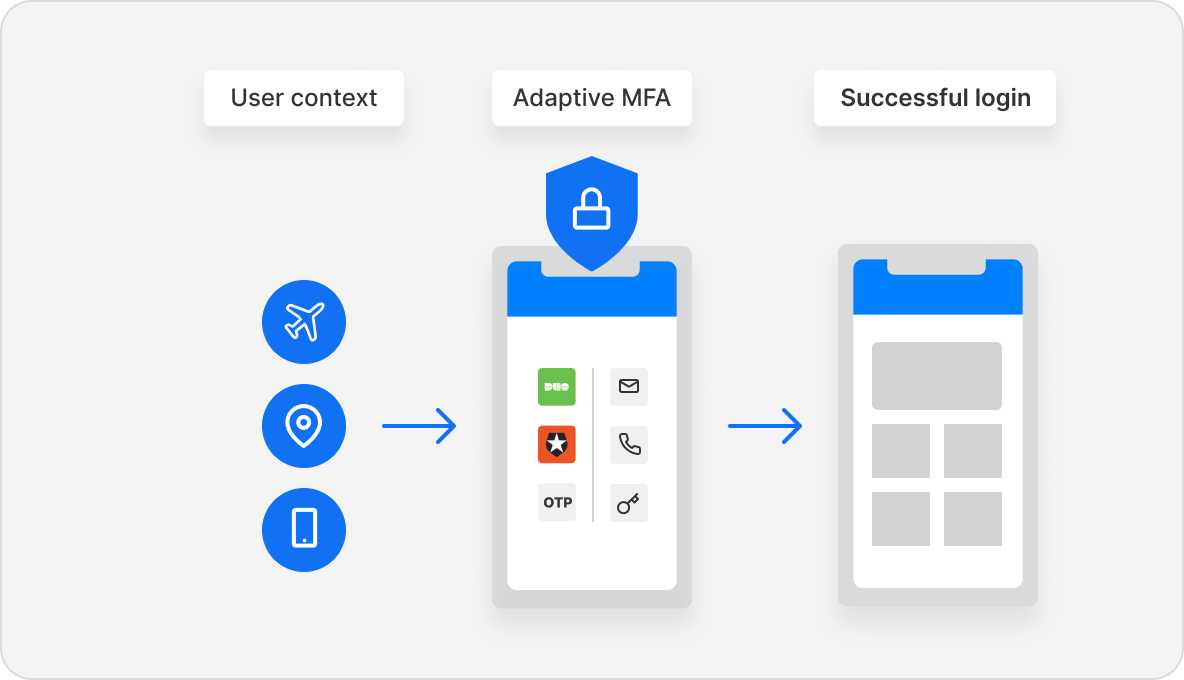
Auth0® is an identity solution that provides secure access to any application, for any user. Safeguarding, according to the vendor, billions of login transactions each month, Auth0 delivers convenience, privacy, and security so customers can focus on innovation. Auth0 lets users integrate authentication and authorization for web, mobile, and legacy applications, with new Fine Grained Authorization (FGA) that goes beyond role-based access control. It can authenticate users…
$0
per month
Firebase
Score 8.1 out of 10
N/A
Google offers the Firebase suite of application development tools, available free or at cost for higher degree of usages, priced flexibly accorded to features needed. The suite includes A/B testing and Crashlytics, Cloud Messaging (FCM) and in-app messaging, cloud storage and NoSQL storage (Cloud Firestore and Firestore Realtime Database), and other features supporting developers with flexible mobile application development.
Compared to Firebase Authentication and Amazon Cognito, it offers better security and easier integration with SPA applications. Firebase Authentication was easy to set up and worked well for simple Authentication use cases, mainly for Firebase-based applications. But it had …
Auth0 allows many other functionalities than the other products, such as customization of auth flows, emails, security options, etc. The Authentication & Management APIs also allow us to easily create and modify users, roles and permissions, by automating or integrating Auth0 …
Great for user authentication and access priviledge management. We are using it for both our commercial and financial clients and Auth0 meets all the regulations and due diligence required to close deals with these enterprise customers. Given their tiered pricing structure, we don't see a scenario where Auth0 would not be appropriate for the solution it provides.
Firebase should be your first choice if your platform is mobile first. Firebase's mobile platform support for client-side applications is second to none, and I cannot think of a comparable cross-platform toolkit. Firebase also integrates well with your server-side solution, meaning that you can plug Firebase into your existing app architecture with minimal effort.
Firebase lags behind on the desktop, however. Although macOS support is rapidly catching up, full Windows support is a glaring omission for most Firebase features. This means that if your platform targets Windows, you will need to implement the client functionality manually using Firebase's web APIs and wrappers, or look for another solution.
Analytics wise, retention is extremely important to our app, therefore we take advantage of the cohort analysis to see the impact of our middle funnel (retargeting, push, email) efforts affect the percent of users that come back into the app. Firebase allows us to easily segment these this data and look at a running average based on certain dates.
When it comes to any mobile app, a deep linking strategy is essential to any apps success. With Firebase's Dynamic Links, we are able to share dynamic links (recognize user device) that are able to redirect to in-app content. These deep links allow users to share other deep-linked content with friends, that also have link preview assets.
Firebase allows users to effectively track events, funnels, and MAUs. With this simple event tracking feature, users can put organize these events into funnels of their main user flows (e.g., checkout flows, onboarding flows, etc.), and subsequently be able to understand where the drop-off is in the funnel and then prioritize areas of the funnel to fix. Also, MAU is important to be able to tell if you are bringing in new users and what's the active volume for each platform (Android, iOS).
Price point for ALL features can get a bit pricey. But they have a startup plan which helps big time. Developer plans start at $23/mo and do not include all features.
Actions, rules, hooks, and email customization are great features, but the UI is a bit tough sometimes, not very responsive to screen size and code editors are cut off in a difficult place to maneuver.
Attribution and specifically multi-touch attribution could be more robust such as Branch or Appsflyer but understand this isn't Firebases bread and butter.
More parameters. Firebase allows you to track tons of events (believe it's up to 50 or so) but the parameters of the events it only allows you to track 5 which is so messily and unbelievable. So you're able to get good high-level data but if you want to get granular with the events and actions are taken on your app to get real data insight you either have to go with a paid data analytics platform or bring on someone that's an expert in SQL to go through Big Query.
City-specific data instead of just country-specific data would have been a huge plus as well.
Like in my case, it helps me build a better business by requiring authentication and better login features, as they are needed quickly. It helps me save time by not having to create it from scratch and provides better role-based login and access. One of my most helpful features is SSO (Single Sign On). If the user wants Microsoft-able SSO, Auth0 provides an all-in-one.
I don't use the Firebase UI much, but rather connect it to GA4. GA4 has a great event model but the GA4 UI and analysis capabilities are limited. It's harder to measure product usage type of engagement but if you have the time and resources to leverage the GA4 to BiqQuery export you'll have all the raw event data you'll need for deep analysis, segmentation, and audience activation.
There isn't a clear method to get a hold of support when trouble arises if you're on their standard plan. You can file a support ticket and they generally are responsive. I've often been able to find similar questions to the questions I've had when it comes to support in their ticket history, however, some have been closed without a satisfactory conclusion for the original poster.
Our analytics folks handled the majority of the communication when it came to customer service, but as far as I was aware, the support we got was pretty good. When we had an issue, we were able to reach out and get support in a timely fashion. Firebase was easy to reach and reasonably available to assist when needed.
We went with Auth0 over Okta due to price concerns and the overall simplicity of Auth0. We chose Auth0 over Amazon Cognito because Cognito has very poor documentation and client library support. Auth0 offers a service that hits the sweet spot for organizations with small development teams and limited finances.
Before using Firebase, we exclusively used self hosted database services. Using Firebase has allowed us to reduce reliance on single points of failure and systems that are difficult to scale. Additionally, Firebase is much easier to set up and use than any sort of self hosted database. This simplicity has allowed us to try features that we might not have based on the amount of work they required in the past.
Makes building real-time interfaces easy to do at scale with no backend involvement.
Very low pricing for small companies and green-fields projects.
Lack of support for more complicated queries needs to be managed by users and often forces strange architecture choices for data to enable it to be easily accessed.