
Richard Rout
Software Developer
Chose AWS CodePipeline
They all pretty much have the same feature set. AWS CodePipeline has been improving in recent years, and it just makes sense to keep everything within Amazon's ecosystem.

| Product | Rating | Most Used By | Product Summary | Starting Price |
|---|---|---|---|---|
 AWS CodePipeline | N/A | AWS CodePipeline is a fully managed continuous delivery service that helps users automate release pipelines. CodePipeline automates the build, test, and deploy phases of the release process every time there is a code change, based on the release model a user defines. | $1 per active pipeline/per month | |
 Bitbucket Server (discontinued) | N/A | Bitbucket Server (formerly Stash) from Atlassian was a self-hosted source code management solution. The product is no longer available for sale, and support for existing licenses ended in 2024. | N/A | |
 GitLab | N/A | GitLab is an intelligent orchestration platform for DevSecOps, where software teams enable AI at every stage of the software lifecycle to ship faster. The platform enables teams to automate repetitive tasks across planning, building, securing, testing, deploying, and maintaining software. | $0 per month per user |
| AWS CodePipeline | Bitbucket Server (discontinued) | GitLab | ||||||||||||||||||||||
|---|---|---|---|---|---|---|---|---|---|---|---|---|---|---|---|---|---|---|---|---|---|---|---|---|
| Editions & Modules |
| No answers on this topic |
| |||||||||||||||||||||
| Offerings |
| |||||||||||||||||||||||
| Entry-level Setup Fee | No setup fee | No setup fee | Optional | |||||||||||||||||||||
| Additional Details | — | — | GitLab Credits enable flexible, consumption-based access to agentic AI capabilities in the GitLab platform, allowing you to scale AI adoption at your own pace while maintaining cost predictability. Powered by Duo Agent Platform, GitLab’s agentic AI capabilities help software teams to collaborate at AI speed, without compromising quality and enterprise security. If usage exceeds monthly allocations and overage terms are accepted, automated on-demand billing activates without service interruption, so your developers never lose access to AI capabilities they need. Real-time dashboards provide transparency into AI consumption patterns. Software teams can see usage across users, projects, and groups with granular attribution for cost allocation. Automated threshold alerts facilitate proactive planning. Advanced analytics deliver trending, forecasting, and FinOps integration. | |||||||||||||||||||||
| More Pricing Information | ||||||||||||||||||||||||
| AWS CodePipeline | Bitbucket Server (discontinued) | GitLab | |
|---|---|---|---|
| Considered Multiple Products |  AWS CodePipeline Richard Rout Software Developer Chose AWS CodePipeline They all pretty much have the same feature set. AWS CodePipeline has been improving in recent years, and it just makes sense to keep everything within Amazon's ecosystem. |  Bitbucket Server (discontinued)  Oscar Narváez Del Rio Tools and Analytic Monitoring Leader Chose Bitbucket Server (discontinued) Bitbucket Server (formerly Stash), as part of Atlassian products, provides a native integration framework and tools for automation. The platform supports git and mercurial repositories and provides features to export and import repositories from other projects. Migration to the … | GitLab  Juan Orlando Cartagena Duran DevOps Engineer Chose GitLab It was a management decision to use GitLab over other tools. It integrates well with RBAC using Terraform. Runners are easy to setup. Almost all the features the organization used before are available in GitLab. |
| AWS CodePipeline | Bitbucket Server (discontinued) | GitLab | |
|---|---|---|---|
| Small Businesses | GitLab Score 8.8 out of 10 |  Git Score 10.0 out of 10 |  GitGuardian Score 9.0 out of 10 |
| Medium-sized Companies | GitLab Score 8.8 out of 10 | Git Score 10.0 out of 10 |  Veracode Score 8.8 out of 10 |
| Enterprises | GitLab Score 8.8 out of 10 |  Perforce P4 Score 7.2 out of 10 | Veracode Score 8.8 out of 10 |
| All Alternatives | View all alternatives | View all alternatives | View all alternatives |
| AWS CodePipeline | Bitbucket Server (discontinued) | GitLab | |
|---|---|---|---|
| Likelihood to Recommend | 9.0 (8 ratings) | 8.9 (11 ratings) | 8.3 (152 ratings) |
| Likelihood to Renew | - (0 ratings) | 10.0 (1 ratings) | 9.0 (5 ratings) |
| Usability | 9.0 (1 ratings) | 5.0 (1 ratings) | 10.0 (6 ratings) |
| Performance | 6.8 (2 ratings) | - (0 ratings) | 9.0 (1 ratings) |
| Support Rating | 9.1 (2 ratings) | 9.0 (2 ratings) | 10.0 (12 ratings) |
| Ease of integration | 7.4 (2 ratings) | - (0 ratings) | - (0 ratings) |
| Product Scalability | - (0 ratings) | - (0 ratings) | 10.0 (1 ratings) |
| AWS CodePipeline | Bitbucket Server (discontinued) | GitLab | |
|---|---|---|---|
| Likelihood to Recommend | Amazon AWS
 Alec Dibble Founder | Discontinued Products
| GitLab
|
| Pros | Amazon AWS
| Discontinued Products
| GitLab
|
| Cons | Amazon AWS
Richard Rout Software Developer | Discontinued Products
Oscar Narváez Del Rio Tools and Analytic Monitoring Leader | GitLab
|
| Likelihood to Renew | Amazon AWS No answers on this topic | Discontinued Products
| GitLab
 Marco Urrea DevOps Engineer |
| Usability | Amazon AWS
| Discontinued Products
| GitLab
|
| Reliability and Availability | Amazon AWS No answers on this topic | Discontinued Products No answers on this topic | GitLab
Marco Urrea DevOps Engineer |
| Performance | Amazon AWS
| Discontinued Products No answers on this topic | GitLab
Marco Urrea DevOps Engineer |
| Support Rating | Amazon AWS
 Ramindu Deshapriya Lead Consultant - Technology | Discontinued Products
| GitLab
|
| Alternatives Considered | Amazon AWS
| Discontinued Products
| GitLab
 Austin Franchino Senior Data and Security Engineer |
| Scalability | Amazon AWS No answers on this topic | Discontinued Products No answers on this topic | GitLab
Marco Urrea DevOps Engineer |
| Return on Investment | Amazon AWS
Alec Dibble Founder | Discontinued Products
 Advait Deshpande Enterprise Analyst | GitLab
 Shivangani Tamrakar DevOps Engineer |
| ScreenShots | GitLab Screenshots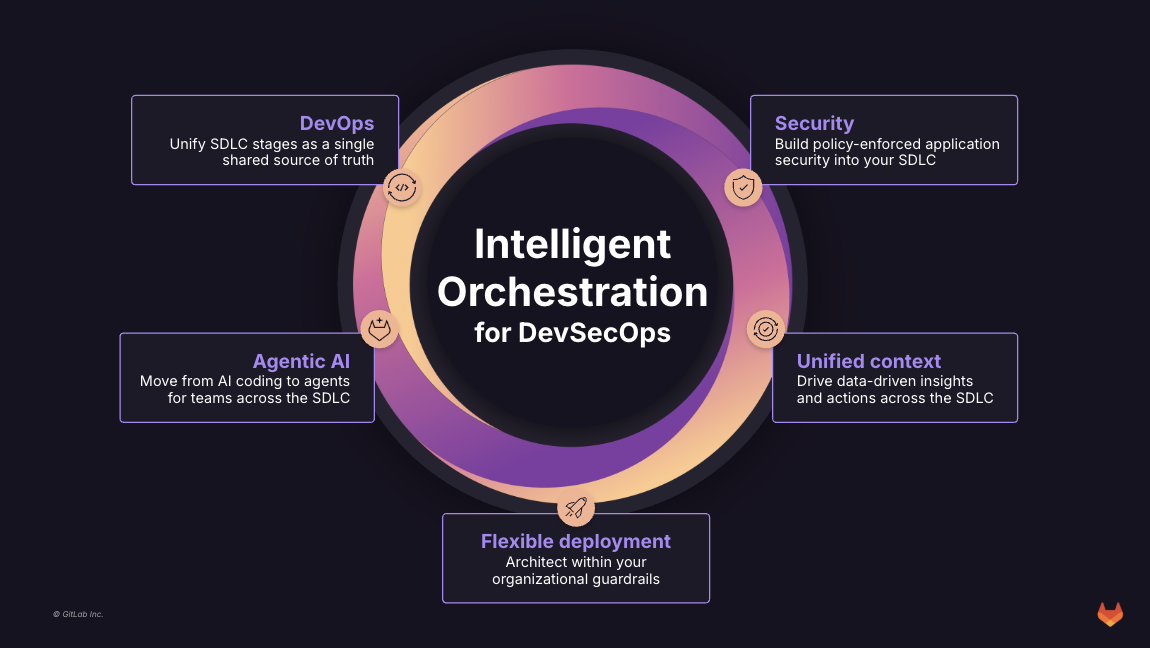 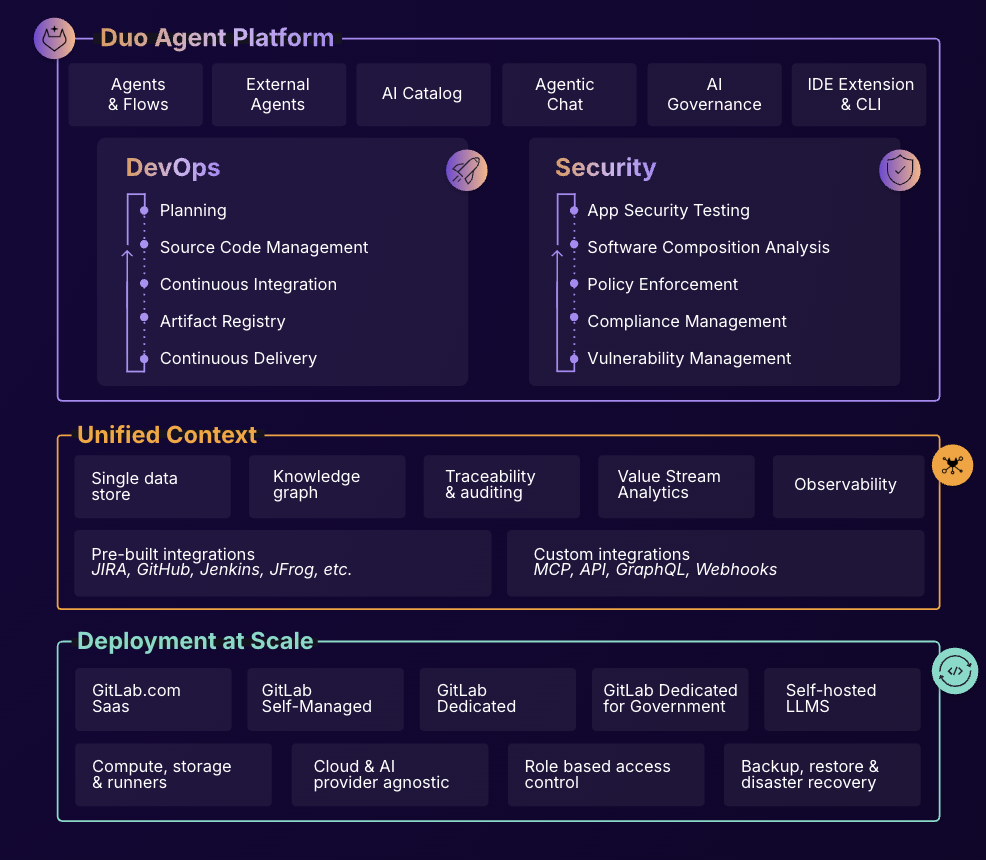 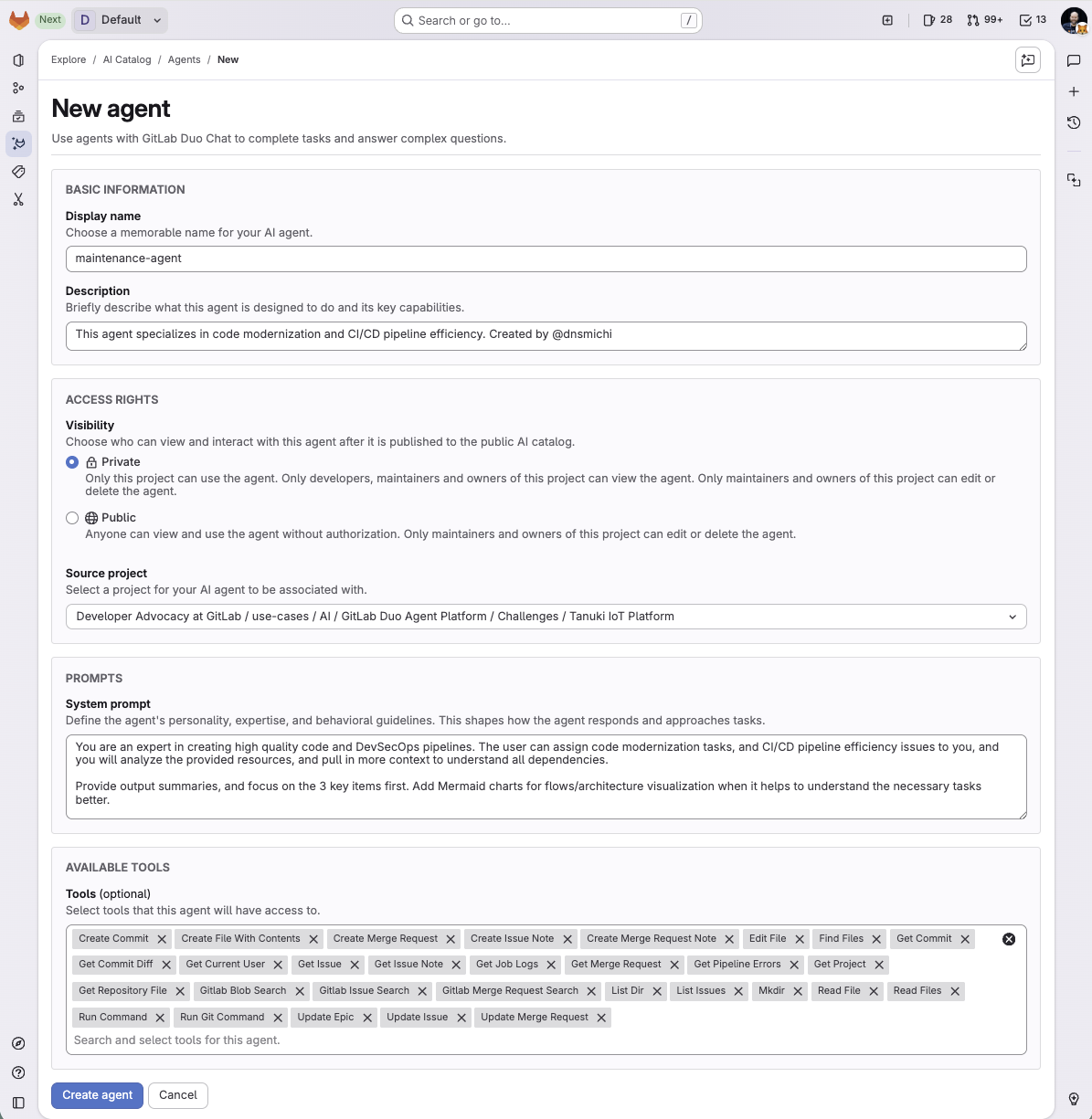 |