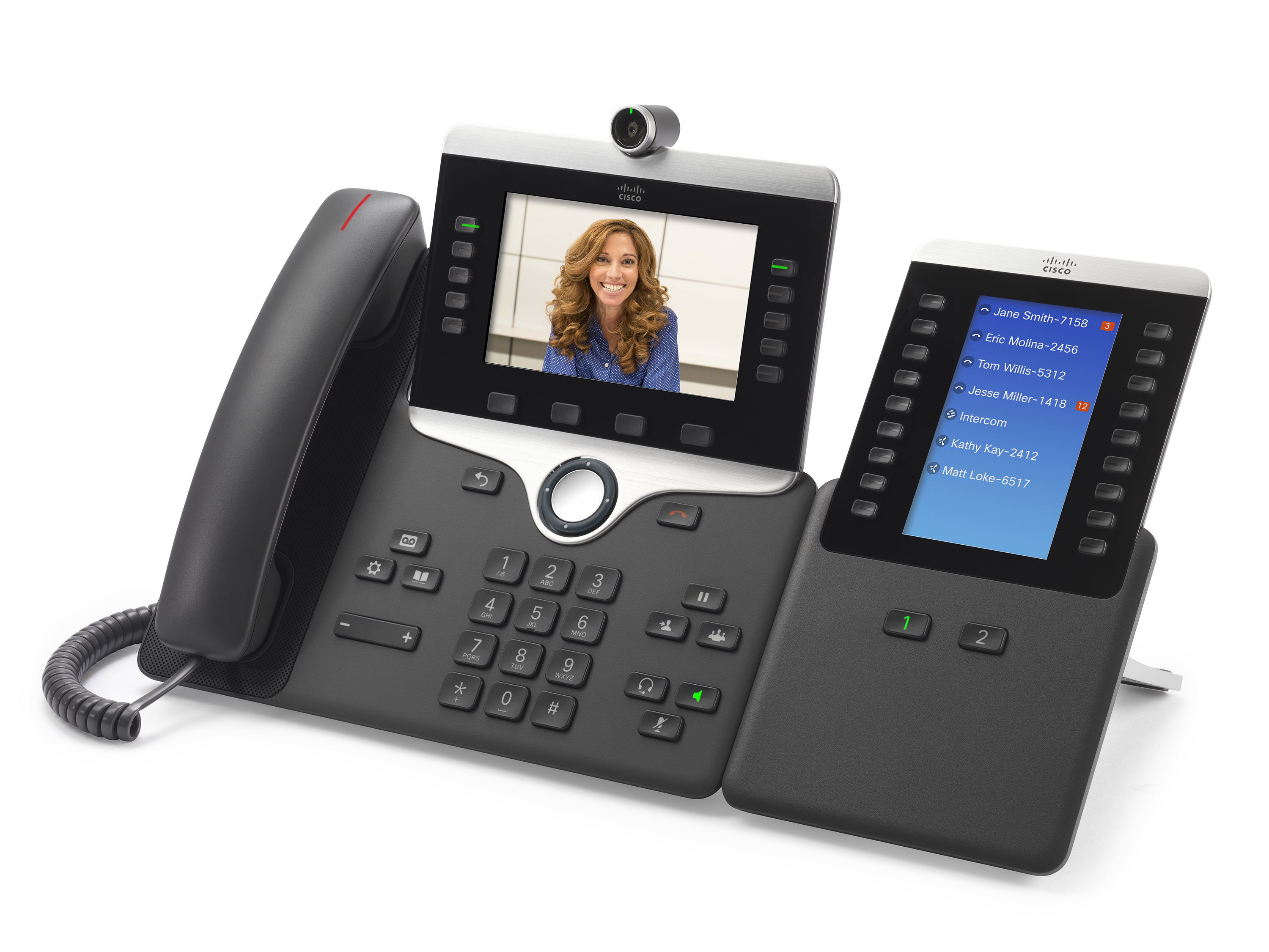
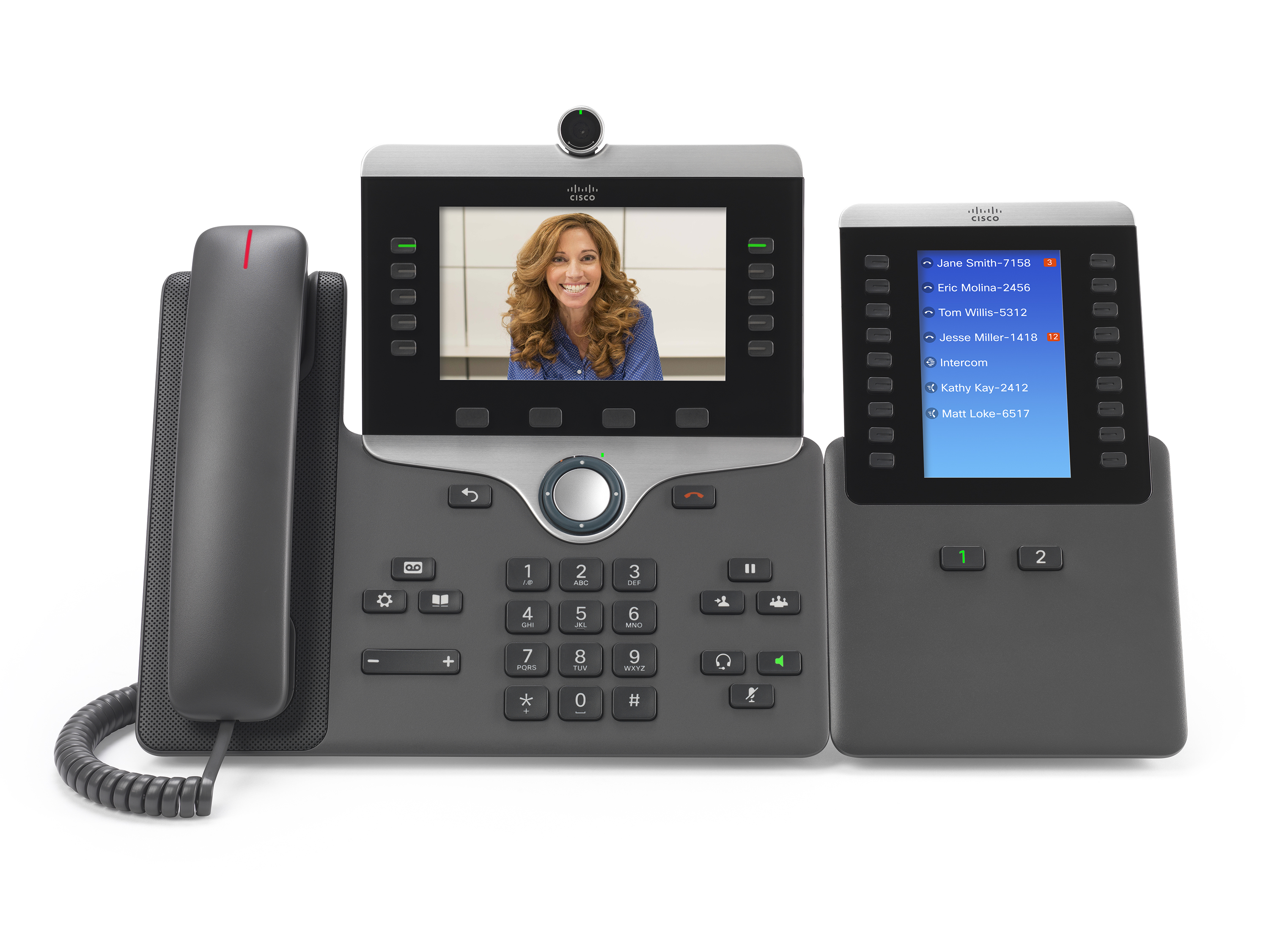
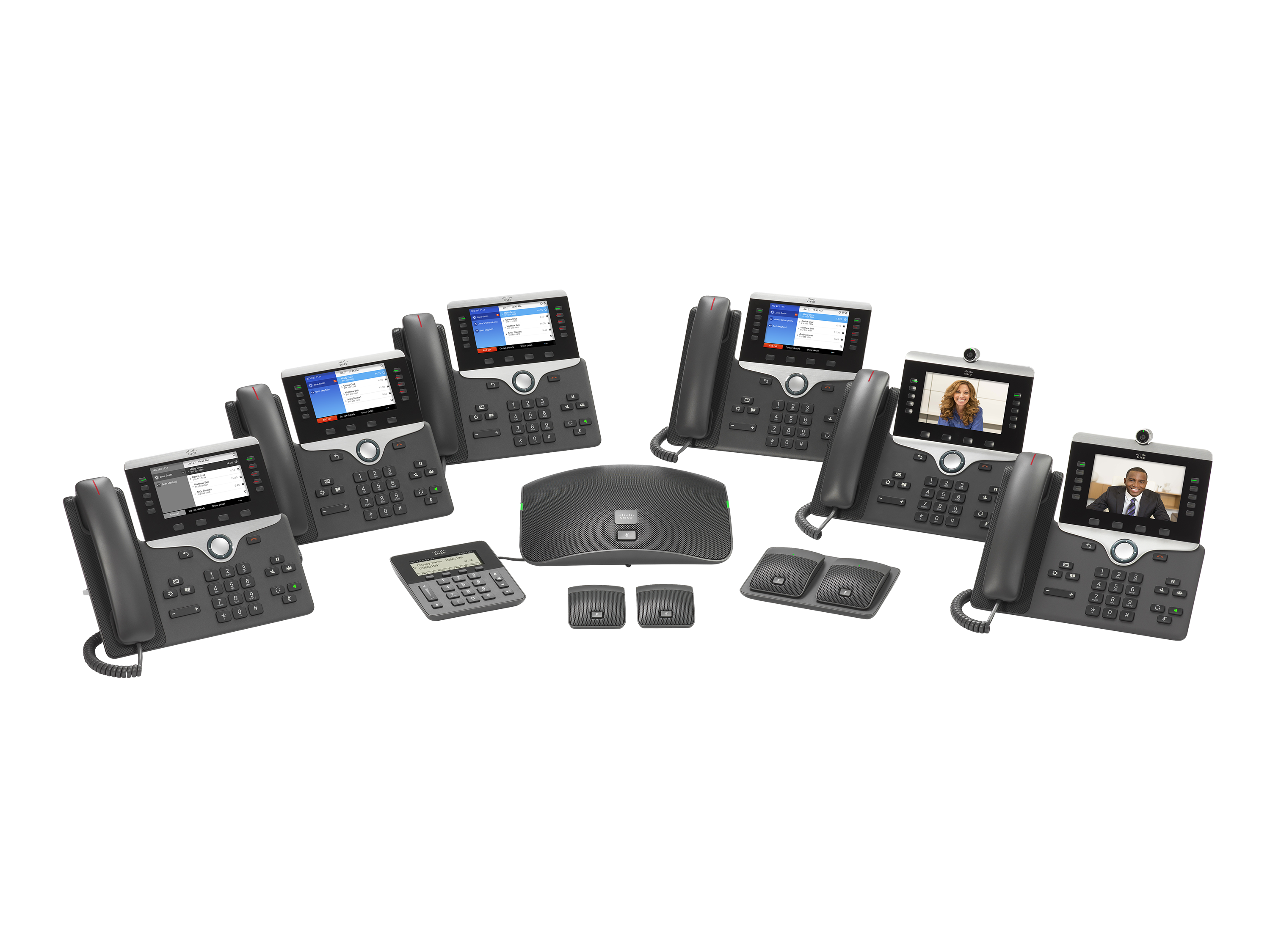
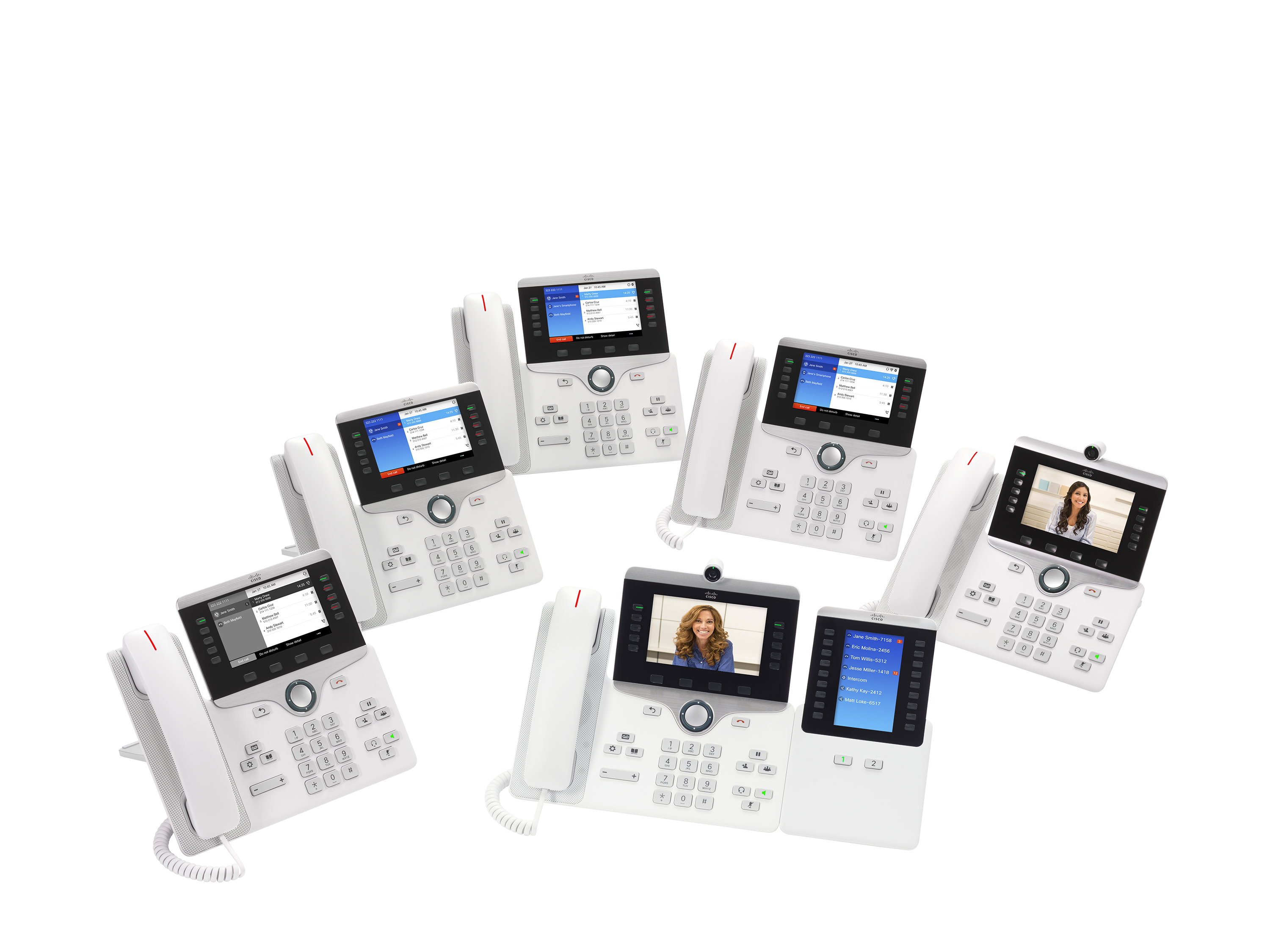
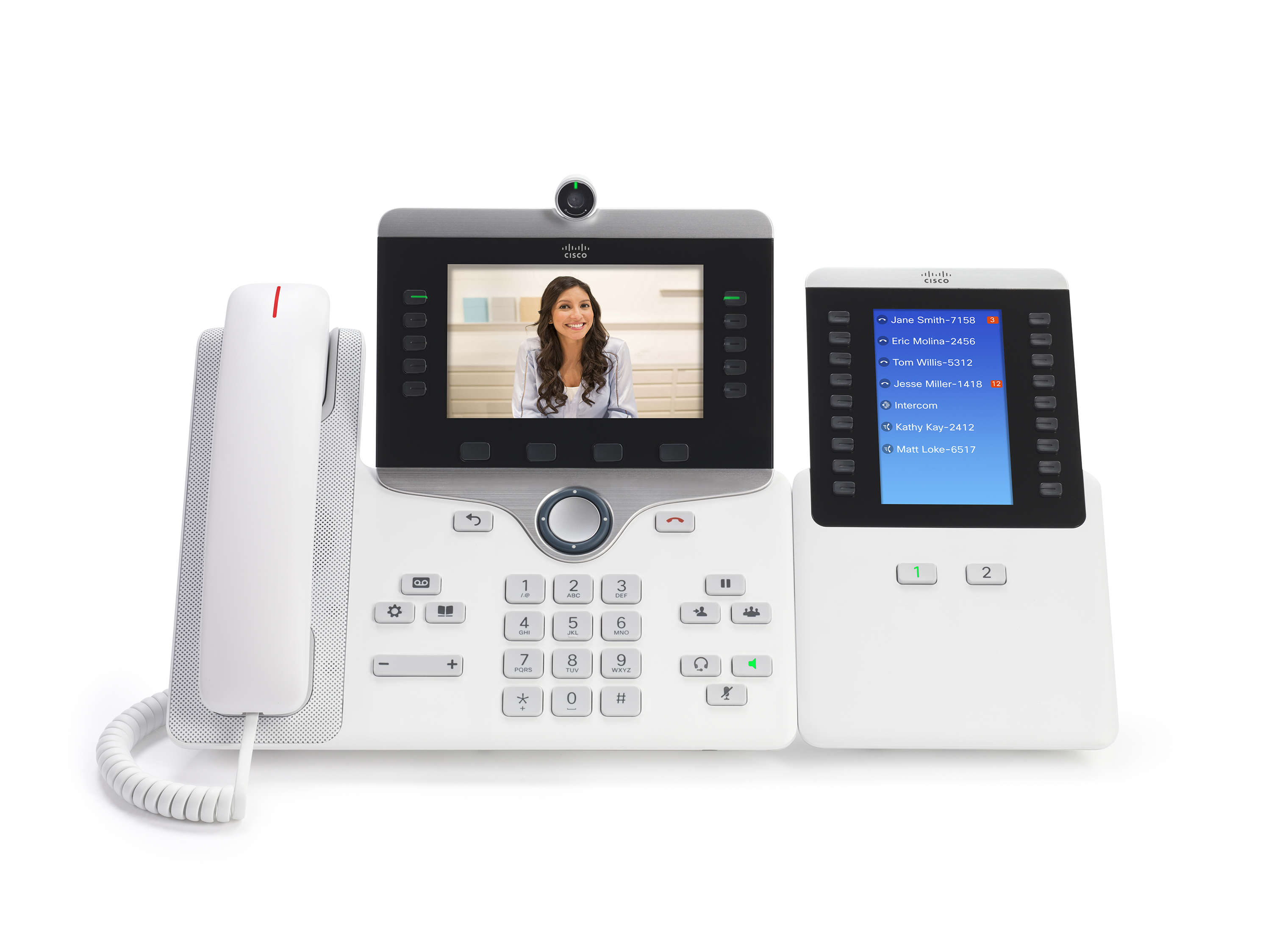
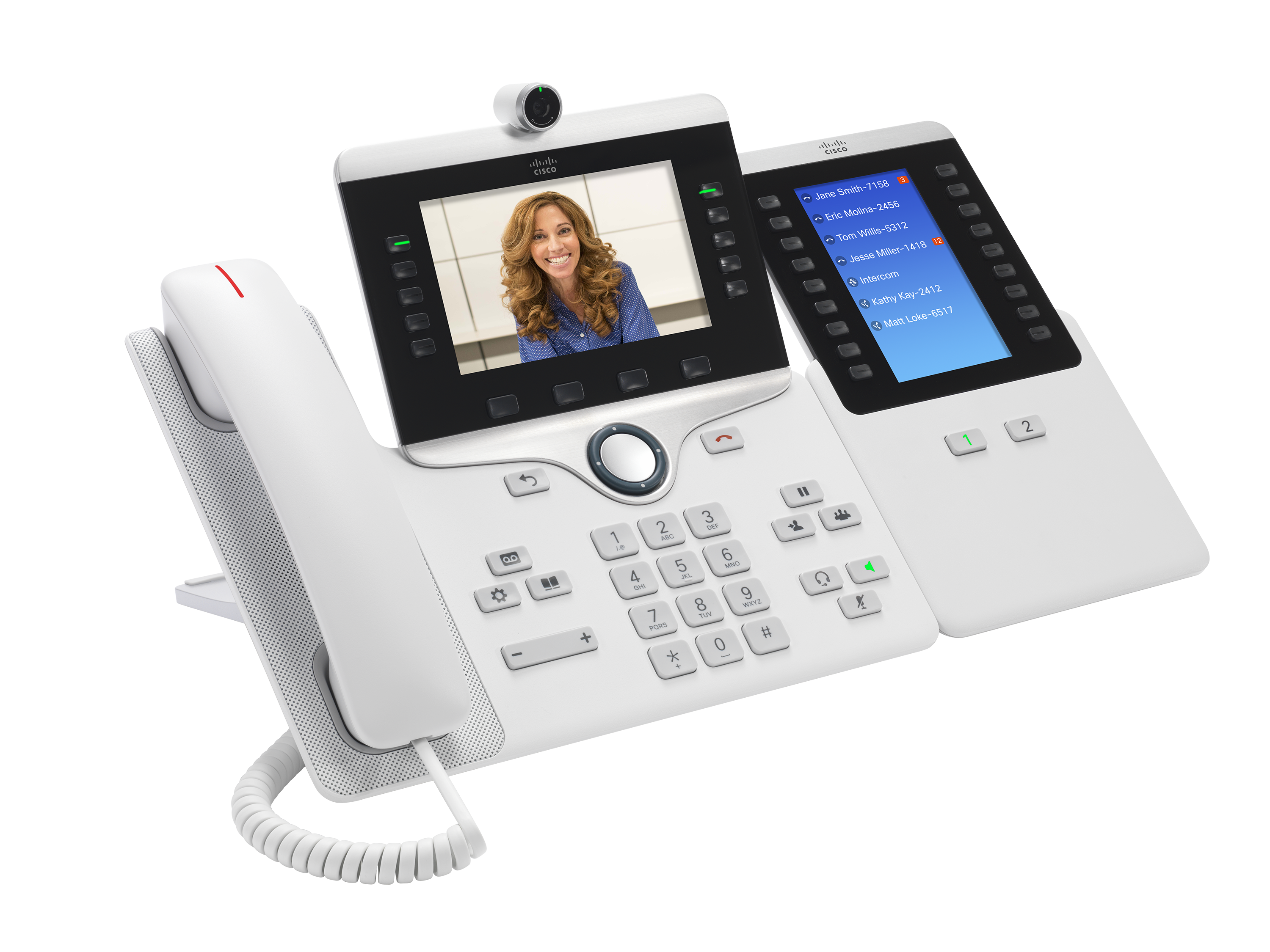
The vendor provides the Cisco Unified IP Phone 6900 Series as an affordable, reliable voice and video communications endpoint, and state it is also user- and eco-friendly. It is designed to improve productivity, foster collaboration, and reduce operating expenses with simple, full-featured, and cost-effective communications to deliver a superior user experience.
N/A
Cisco IP Phones
Score 9.3 out of 10
N/A
Cisco began developing voice over IP (VoIP) communications and collaboration solutions in 1997. Currently, Cisco states they have more than 100,000 unified communications customers worldwide. The modern Cisco IP Phone portfolio includes VoIP and HD video phones designed to meet the needs of organizations.
Nowadays I wouldn't select that but in the past, I used to select because they were broadly implemented with easy maintenance, easy to use several models available for several types of users with a very good ROI, best audio quality also looking for Cisco itself they have one of …
When looking at phone models, it's really important to consider not only the price tag, we all care about effective pricing, but also remembering that actual humans will need to leverage that device to accomplish work, connect with another human for some reason, or save a life.
It is a phone that has several more features compared to 7800 or 6900 series phones, but due to these features, it has a high cost compared to these devices.
The 6900 series is the best option for offices that need IP telephony flawlessly making and receiving calls and can fit on most of the user types due to the number of models. It does not fit for companies that want to use video, none of the models has a video embedded and the tools to integrate those devices with video are that good[.]
We have found so many use cases for Cisco IP Phones and have not come across too many situations where they were not well suited, other than being mobile. We have moved to another Cisco Solution for Mobile communications. We have phones all over the place, in offices, in clinical areas, in lobby or public areas, and even in all of our conferencing and meeting spaces.
So while the 6800 range may not offer slick features, it still provides all the core functionality that businesses have come to expect from their VoIP handsets.
Most of the handsets that make up the 6800 series do come with a greyscale display, which may be disappointing if employees are used to working with color VoIP solutions.
he Cisco Unified IP Phone 6900 Series has proven to be reliable and efficient for our communication needs in live production. Its integration with our existing systems, ease of use, and strong call quality make it a great choice. However, there's always room for improvement, especially with features like more advanced integration with cloud-based systems and additional customization options
i think it's profitable and a good return on investment as a person who make an architecture based on VOIP with IP phones i really enjoyed the process of configuration of the router , the switch and everything and then when i had to test the communication between two phones I've configured it was a joy. Also it's a good phone to receive and give calls to our clients.
The interface is intuitive, and the phones are easy to use for daily communication, making call handling, conferencing, and directory access seamless. The design is simple yet effective, which is great for a fast-paced environment like ours. The only reason it’s not a perfect 10 is that some advanced configurations and integrations require a bit of technical knowledge, which can slow down deployment for non-technical users."
Easy to use Functions are self-explanatory Light Efficient I generally have no complaints about them as they get the job done. Just a few employments on maybe graphics or so otherwise they are really great 👍 no complaints... Maybe it is just because is just a user and doesn't implement them or something.
The system has been extremely reliable, with no major downtime or unplanned outages in our experience. In a live broadcast environment, where uninterrupted communication is critical, this level of dependability is essential. Even during high-demand situations, the phones perform consistently well, and any issues we've encountered were related to network configuration rather than the phones themselves.
Calls connect quickly, audio quality is clear with minimal latency, and the phone interface is responsive. The system integrates well with our VoIP and broadcast communication tools, and we haven’t noticed any significant slowdowns. The only reason it’s not a 10 is that some advanced configurations or firmware updates can take a little longer than expected, but overall, it’s a fast and reliable solution for our needs.
When we’ve needed support, the response times have been good, and the team is knowledgeable. The support resources provided, like online documentation and troubleshooting guides, have been helpful. However, at times, the support can be a bit slow with complex technical issues, especially when dealing with integration into our live production systems. Overall, we’re satisfied, but there's room for improvement in the speed and depth of troubleshooting.
I've never needed to contact support; resolving IP phone issues has always been quite simple. Cisco provides manuals and videos that are very helpful for configuration, troubleshooting, replacements, and other necessary adjustments, both for the hardware and software of IP phones. The community is also very helpful in these matters.
The training sessions were interactive and tailored to our specific needs, which made them highly relevant for our live production environment. The instructors were knowledgeable and provided hands-on experience, allowing us to apply what we learned immediately.
The training materials were clear and covered the essential features of the Cisco Unified IP Phone 6900 Series, but we felt that some advanced use cases, especially for live production environments, were not addressed in enough detail. While the training helped with basic functions, additional scenario-based learning would have made it more useful for our specific needs.
he process was generally smooth, and the Cisco team provided excellent support during setup. There were a few minor challenges with network configuration, but they were quickly resolved. Overall, the implementation was efficient, and the phones were up and running with minimal disruption to our operations, which is crucial in a live production environment
When looking at phone models, it's really important to consider not only the price tag, we all care about effective pricing, but also remembering that actual humans will need to leverage that device to accomplish work, connect with another human for some reason, or save a life.
The 8800 series phone is lighter and has a better build quality with all except the flagship phones from Yealink, Mitel, and Avaya. The Yealink S59 and Avaya Vantage have a touch screen interface the make them more akin to the old DX650 which is more high-end than the 8800 currently.
The unit pricing was reasonable given the quality of the product and the fact that it's a well-established solution in the market. Additionally, the billing frequency was flexible, which worked well for our budget cycles.
the system is highly flexible, allowing easy deployment across multiple departments and locations. It integrates smoothly with existing Cisco infrastructure, making it a great fit for expanding operations.
I set up the desk for new hires in our group - it is super easy to plug in this phone and have them up and running.
Having the ability to pre-program speed dial numbers ensures that new hires are able to reach help without having to search for a number.
The ability to program ring tones is great, so if we are in the shared space meeting and we hear a phone ring, we know who's phone is ringing - the meeting can go on without everyone leaving to check.