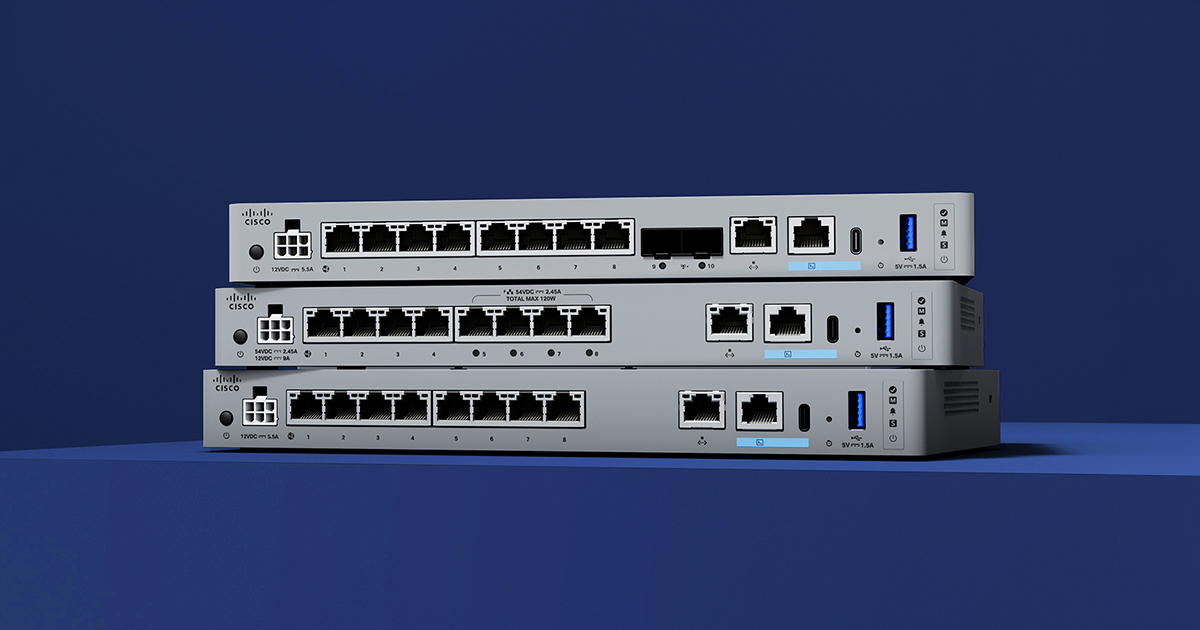
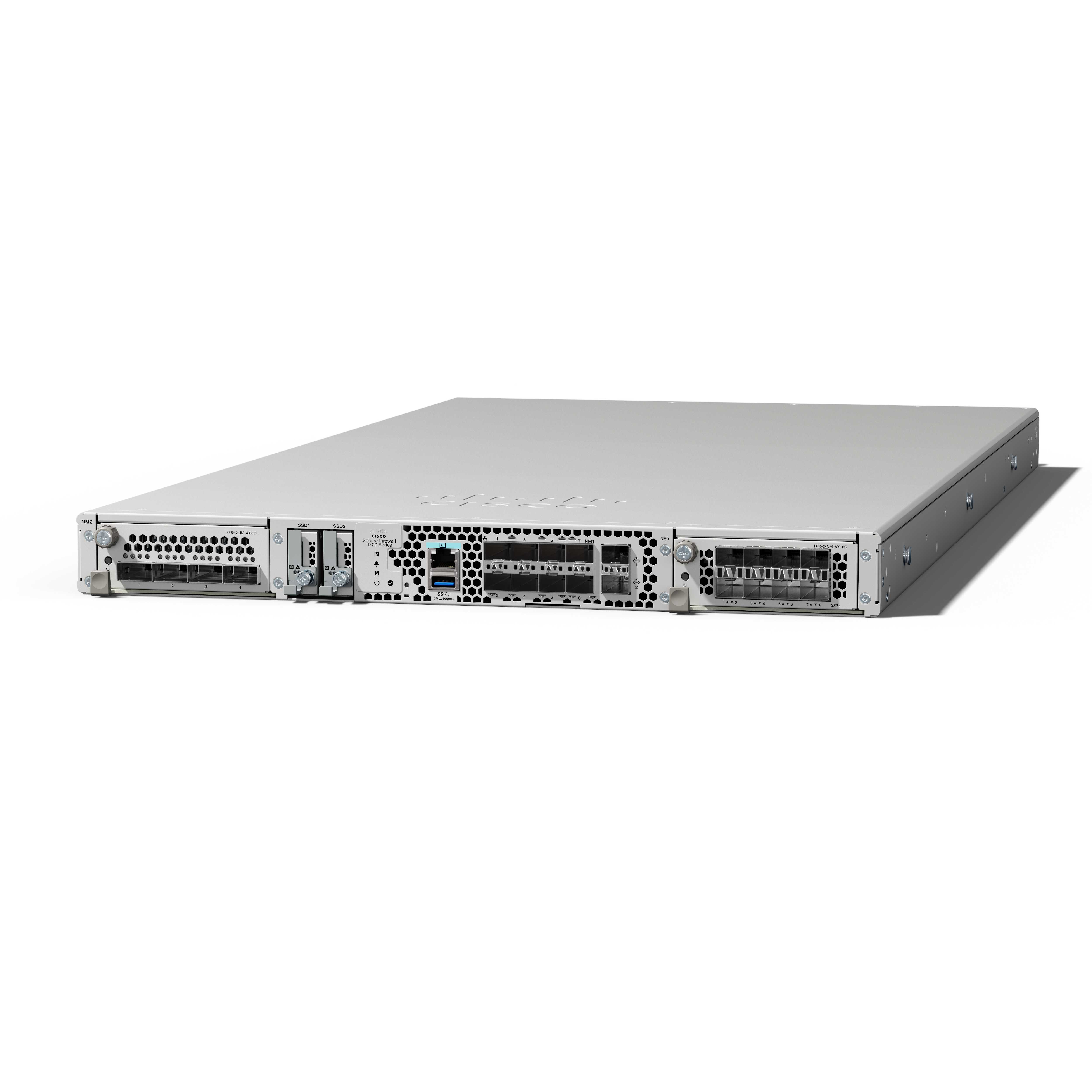
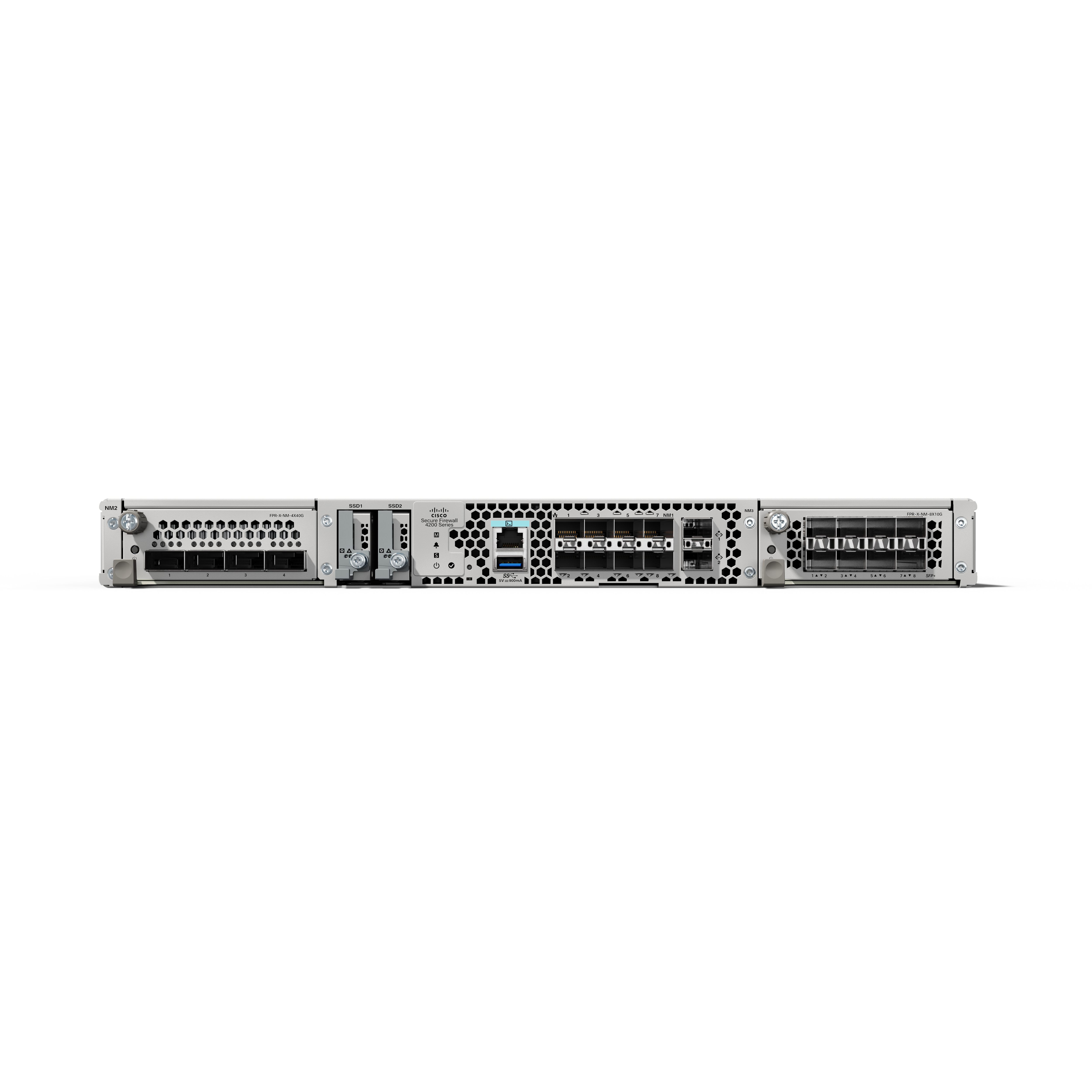
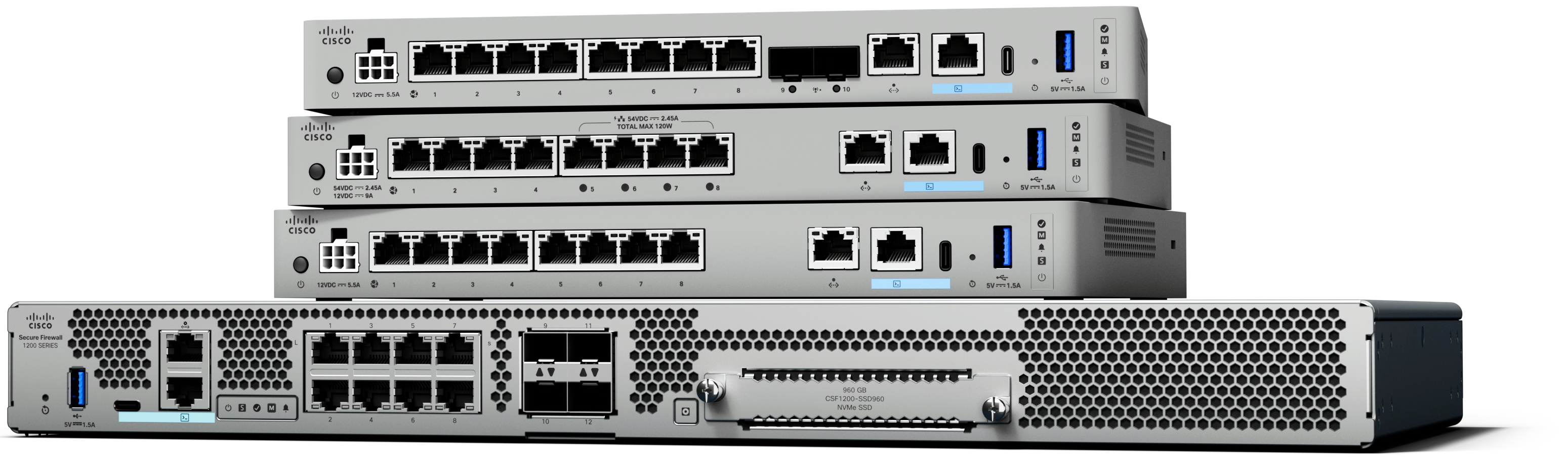
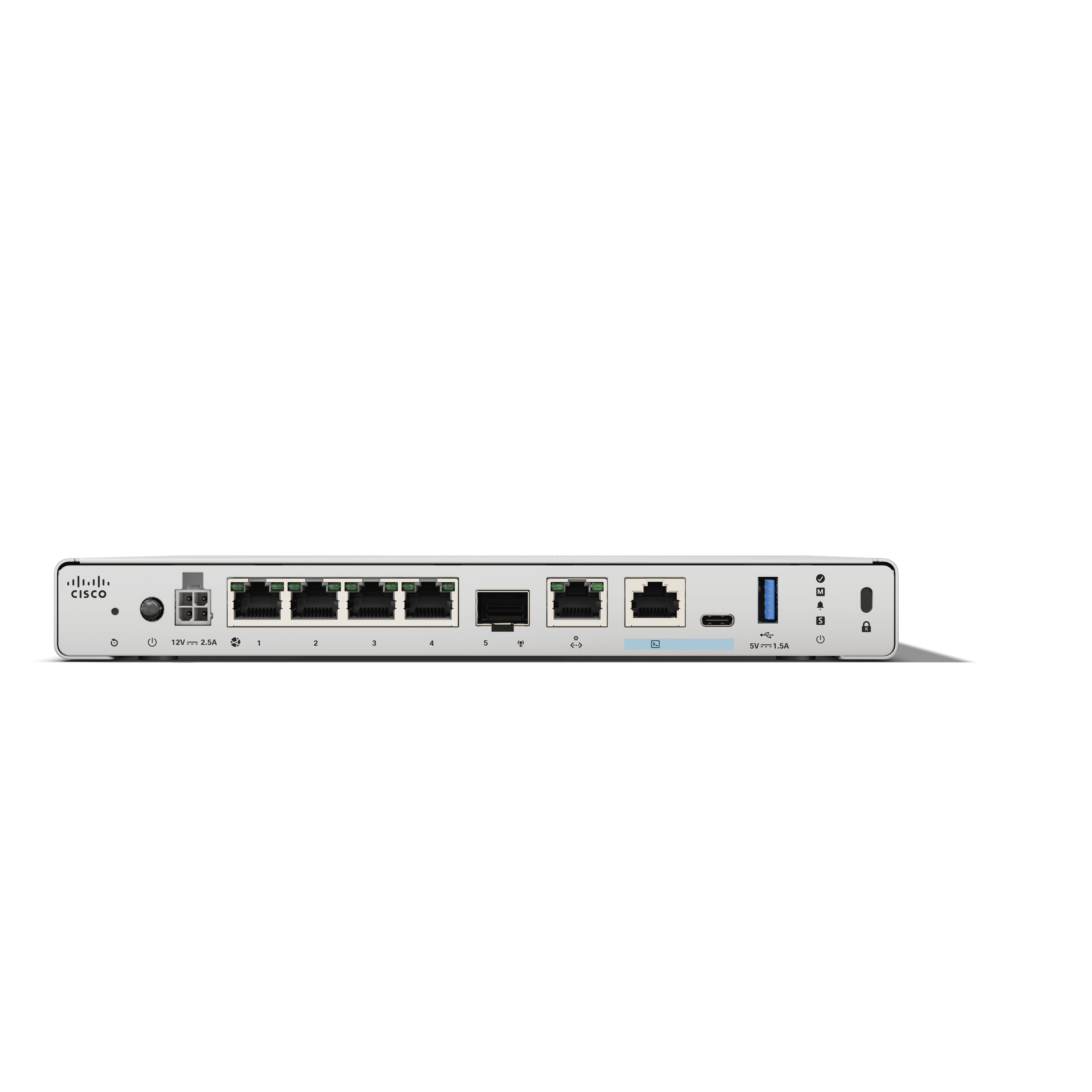
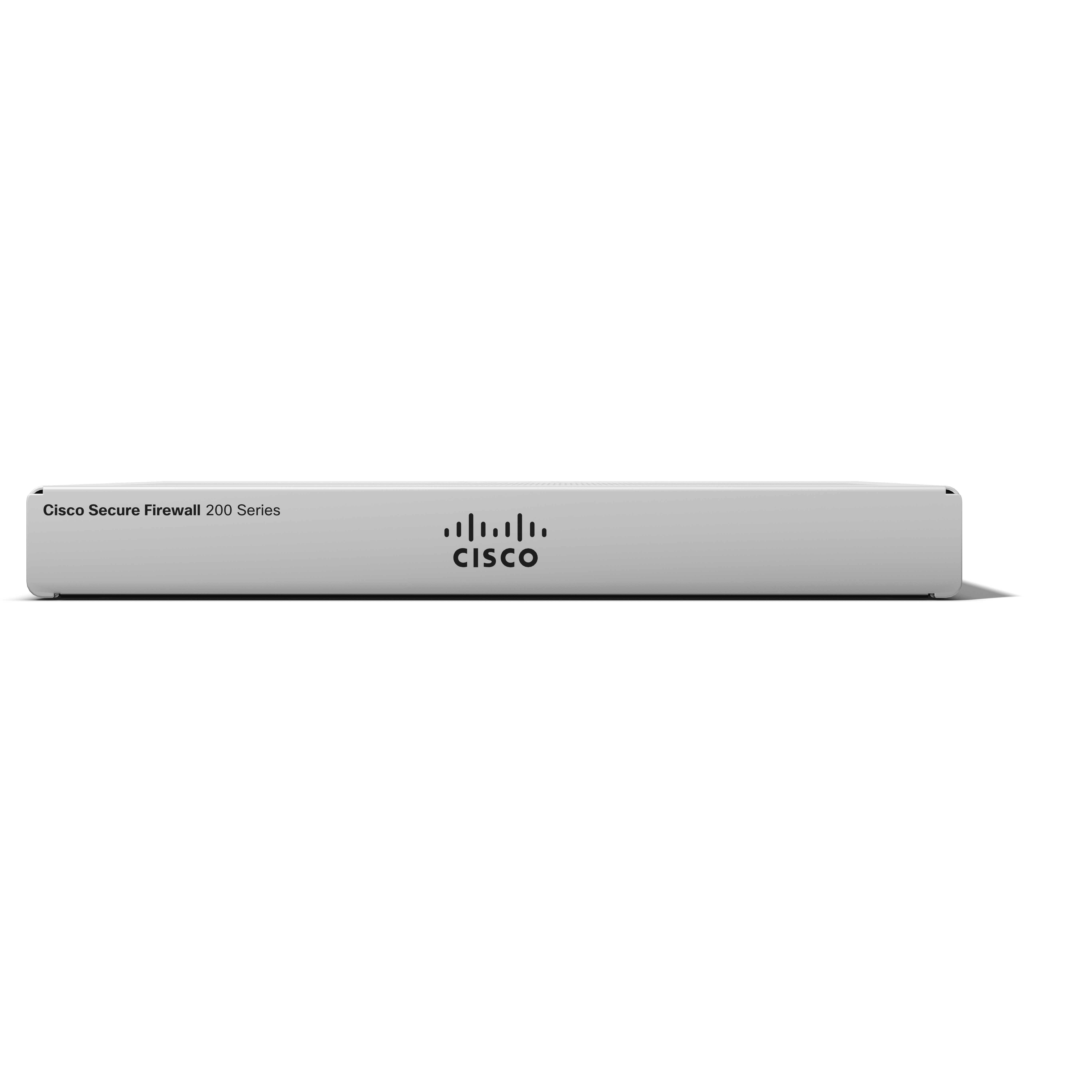
Cisco Secure Firewall delivers comprehensive threat protection for modern, distributed networks. Built to support hybrid workforces and multicloud environments, it enables Zero Trust access, application visibility, and secure remote connectivity. With integration across the Cisco Secure portfolio, including SecureX and Talos threat intelligence, the firewall powers organizations to detect and stop more sophisticated threats. Centralized management simplifies policy enforcement, orchestration,…
N/A
Sumo Logic
Score8.9 out of 10
N/A
Sumo Logic is a log management offering from the San Francisco based company of the same name.
I can't think of scenarios where it is less appropriate, unless we are talking about real tiny businesses. More businesses will find Cisco Secure Firewall an outstanding tool to use, love, and trust from a reputable Network giant vendor. It is a must for businesses that want to focus on what they are doing, and leaving the network security for the pros.
A de minimis incentive was given to thank the reviewer for their time. The incentive was not used to bias or drive a particular response, nor was the incentive contingent on a positive endorsement. More Info
SumoLogic is a fantastic log aggregator and analysis tool, a fine alternative to Splunk. Searching is powerful and mostly intuitive and results come fast. If you have application logs in clusters or Kubernetes pods that lose their logs every time they're restarted, Sumo is the solution for you
A de minimis incentive was given to thank the reviewer for their time. The incentive was not used to bias or drive a particular response, nor was the incentive contingent on a positive endorsement. More Info
Cisco's firewall actually does its job of blocking what it is supposed to block. We had an old Firewall that led to slippages. Cisco catches 97% of malware and vulnerabilities during testing. For Coitiar, that means an engineer who clicks a link with malware is handled quickly.
We actually tested if failovers would affect running sessions. We pulled our primary unit during a certification submission period. The firewall just switched, and the connection kept running.
The AI assistant in policy management is excellent, and for our lean team, it makes the whole process easy and efficient. I don't have to audit 200 policies manually; the AI steps in and does its thing.
A de minimis incentive was given to thank the reviewer for their time. The incentive was not used to bias or drive a particular response, nor was the incentive contingent on a positive endorsement. TR verified that a representative sample of customers was invited. More Info
Sumo Logic allowed for our InfoSec team to ingest logs from our CDN directly, in real-time, instead of massive compressed archives that were sent every two-hours (the only alternative at the time). Sumo Logic had an app for these logs, that allowed us to easily get an immediate payoff from the data, with canned dashboard and saved searches.
Sumo Logic has a fairly extensive REST API when it comes to log sources, source configurations, dashboard data, searches, etc. Their wiki for the API is usually kept up to date.
Sumo Logic, during the period of time I had used their product, had added the ability to configure agents via configuration files. This allowed customers to configure their endpoints, and modify the endpoints, with configuration management tools like Chef / Puppet / Salt. Beforehand, the only option was to always make changes either via the web portal or REST API.
The solutions engineers were extremely helpful, and easily reachable when issues would occur.
Users at our company found it easy to get started, working on new dashboards, scheduled searches, and alerting. The alerting worked well with our third-party paging tool.
A de minimis incentive was given to thank the reviewer for their time. The incentive was not used to bias or drive a particular response, nor was the incentive contingent on a positive endorsement. More Info
I mean I think a lot of the technology with managing them is getting better. There's a few cons to the new firewall management console. You can't sort through routes or I think you can with interfaces now, but there's a few caveats that they haven't really worked out yet, but they're implementing AI into it, so it's getting to be a lot easier to use.
A de minimis incentive was given to thank the reviewer for their time. The incentive was not used to bias or drive a particular response, nor was the incentive contingent on a positive endorsement. TR verified that a representative sample of customers was invited. More Info
A de minimis incentive was given to thank the reviewer for their time. The incentive was not used to bias or drive a particular response, nor was the incentive contingent on a positive endorsement. More Info
It works really well. We can do most anything we want or need to with it, and you don’t have to have a doctorate or multiple certs to necessarily figure it out. The thing that would probably have to happen to make us switch would be if we just got priced out - Cisco’s more powerful and higher bandwidth models cost a pretty penny.
A de minimis incentive was given to thank the reviewer for their time. The incentive was not used to bias or drive a particular response, nor was the incentive contingent on a positive endorsement. More Info
i think overall after ALOT of tac cases it works allright now. But still have alot of issues if you use cloud based mangement. fx, if you open 2 windows of access policys, both of the pages, rules starte to jump form side to side. if you then open one more list, its start to jump even faster. if you close the 2 of them, its back to normal. ALSO the extended access lists for VPN, SUCKS. Its the tiniest window when opening the editor, and you are not able to give the rules names, Which means finding and editing rules SUCKS, its a horrible experience, and eveytime we have to we want to yell :P
A de minimis incentive was given to thank the reviewer for their time. The incentive was not used to bias or drive a particular response, nor was the incentive contingent on a positive endorsement. TR verified that a representative sample of customers was invited. More Info
Sumo Logic is very powerful but definitely requires some configuration work to get the most out of it. You can get a certification related to this, but it is definitely not something you can just throw together.
A de minimis incentive was given to thank the reviewer for their time. The incentive was not used to bias or drive a particular response, nor was the incentive contingent on a positive endorsement. More Info
A de minimis incentive was given to thank the reviewer for their time. The incentive was not used to bias or drive a particular response, nor was the incentive contingent on a positive endorsement. TR verified that a representative sample of customers was invited. More Info
We have not had any performance issues with Cisco Secure Firewall, even with DPI and IPS enabled, we have not seen a performance hit. Emoployes have not complained about any slow network speeds that could have been attributed to the secure firewall it has always been something else within the office network.
A de minimis incentive was given to thank the reviewer for their time. The incentive was not used to bias or drive a particular response, nor was the incentive contingent on a positive endorsement. TR verified that a representative sample of customers was invited. More Info
I rarely get the support I need in the time I need it. Often, while they are "looking at packet captures and going to get back to me" I fix the problem on my own. If you were to look at my TAC cases over the past year, you would see some very lengthy cases that usually ended with me contacting the TAC person and telling them to just close the case
A de minimis incentive was given to thank the reviewer for their time. The incentive was not used to bias or drive a particular response, nor was the incentive contingent on a positive endorsement. More Info
I would give this rating because I attended a free Sumo Logic training at a WeWork in Chicago. I found the training very useful, and I learned a lot of features that I was not aware of before I went to the training. I like the idea that SumoLogic provides free training seminars. I am certified in level1, and I plan on certifying to level2.
A de minimis incentive was given to thank the reviewer for their time. The incentive was not used to bias or drive a particular response, nor was the incentive contingent on a positive endorsement. More Info
A de minimis incentive was given to thank the reviewer for their time. The incentive was not used to bias or drive a particular response, nor was the incentive contingent on a positive endorsement. TR verified that a representative sample of customers was invited. More Info
was a good training but questions was answered not so good. Training was "Fundamentals of Cisco Firewall Threat Defense and Intrusion Prevention (SFWIPF)".
A de minimis incentive was given to thank the reviewer for their time. The incentive was not used to bias or drive a particular response, nor was the incentive contingent on a positive endorsement. TR verified that a representative sample of customers was invited. More Info
Our initial implementation was aided by Cisco's professional services and was excellent. The engineer was very knowledgeable and helped us work through issues while building out our new internet security edge Part of this involved tools to migrate the firewall configuration from old to new.
A de minimis incentive was given to thank the reviewer for their time. The incentive was not used to bias or drive a particular response, nor was the incentive contingent on a positive endorsement. TR verified that a representative sample of customers was invited. More Info
I was satisfied with the implementation, as at the time, it was the best way to implement the product with the available feature sets in Sumo Logic. User creation and management became more of an issue during continued use, instead of it being an issue related to deploying the product in our environment.
A de minimis incentive was given to thank the reviewer for their time. The incentive was not used to bias or drive a particular response, nor was the incentive contingent on a positive endorsement. More Info
Cisco Secure Firewall works better with the Cisco ecosystem when we can utilize it and feels beefy enough when we utilize it in the data center. The Fortinet we have found are great, small cost boxes for remote offices with a better UI then Cisco Secure Firewalls. The feature set included with the firewalls feels similar from a security point of view.
A de minimis incentive was given to thank the reviewer for their time. The incentive was not used to bias or drive a particular response, nor was the incentive contingent on a positive endorsement. TR verified that a representative sample of customers was invited. More Info
Sumo Logic works very well out of the gate. For a small business it has given us what we need. I worked at a larger company previously, and we produced so many logs we had to create a custom logging service to handle them all. Cost and availability are big issues when deciding between the different services, whether self maintained and hosted, or provided by another company.
A de minimis incentive was given to thank the reviewer for their time. The incentive was not used to bias or drive a particular response, nor was the incentive contingent on a positive endorsement. More Info
A solid, realistic rating most people give for Cisco Secure Firewall pricing is 7 or 8 out of 10 (because the product is strong but licensing can be a bit complex)
A de minimis incentive was given to thank the reviewer for their time. The incentive was not used to bias or drive a particular response, nor was the incentive contingent on a positive endorsement. TR verified that a representative sample of customers was invited. More Info
Cisco Secure Firewall has never given us any trouble, it has stayed up at all times, upgrading the appliance has also become much simpler. We operate the appliance in a HA pair, so 0% downtime within our organisation. During switchover while upgrading, not a single packet seems to get lost, so this has been a very valuable asset to our company.
A de minimis incentive was given to thank the reviewer for their time. The incentive was not used to bias or drive a particular response, nor was the incentive contingent on a positive endorsement. TR verified that a representative sample of customers was invited. More Info
A de minimis incentive was given to thank the reviewer for their time. The incentive was not used to bias or drive a particular response, nor was the incentive contingent on a positive endorsement. TR verified that a representative sample of customers was invited. More Info
A de minimis incentive was given to thank the reviewer for their time. The incentive was not used to bias or drive a particular response, nor was the incentive contingent on a positive endorsement. TR verified that a representative sample of customers was invited. More Info
A de minimis incentive was given to thank the reviewer for their time. The incentive was not used to bias or drive a particular response, nor was the incentive contingent on a positive endorsement. More Info