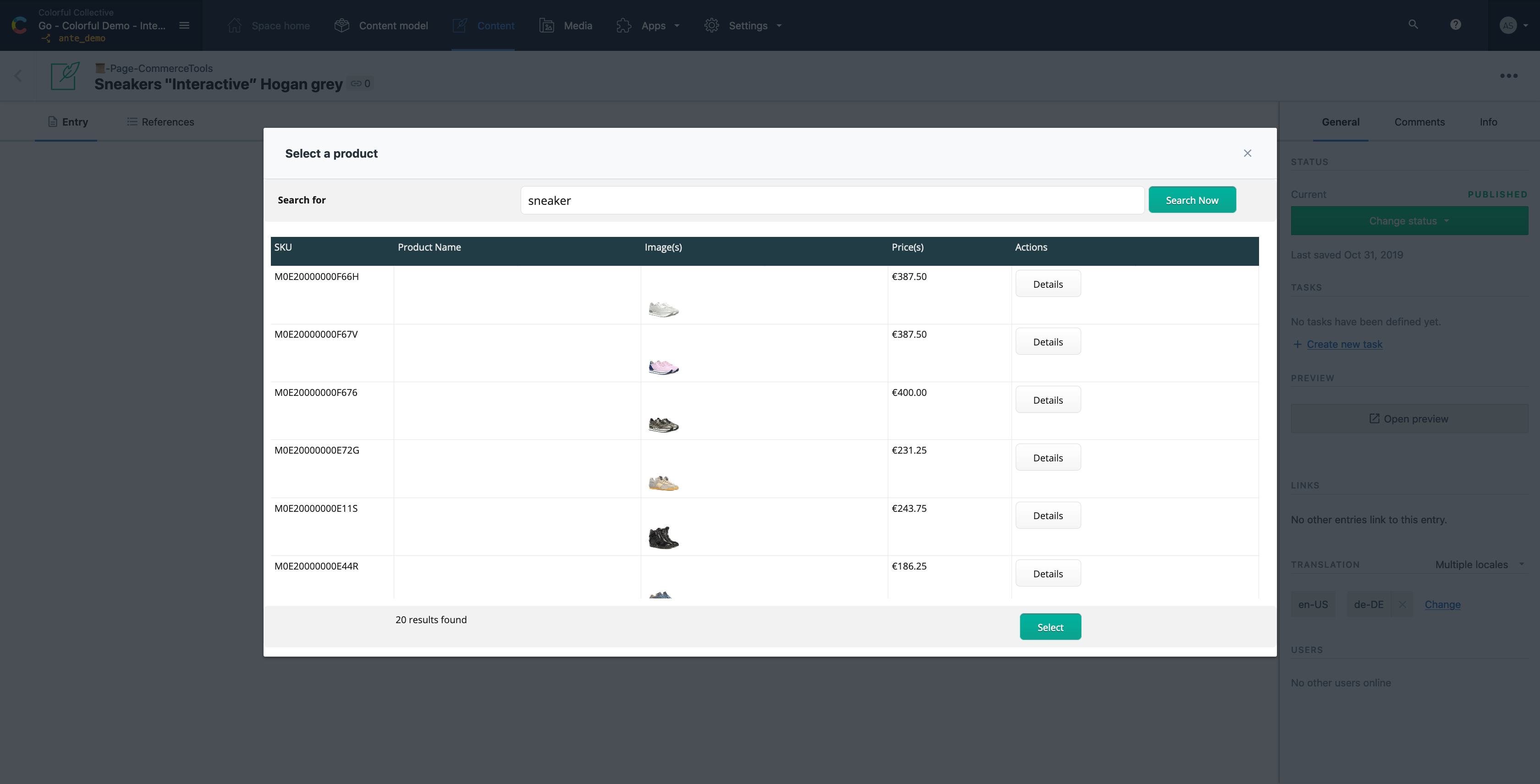
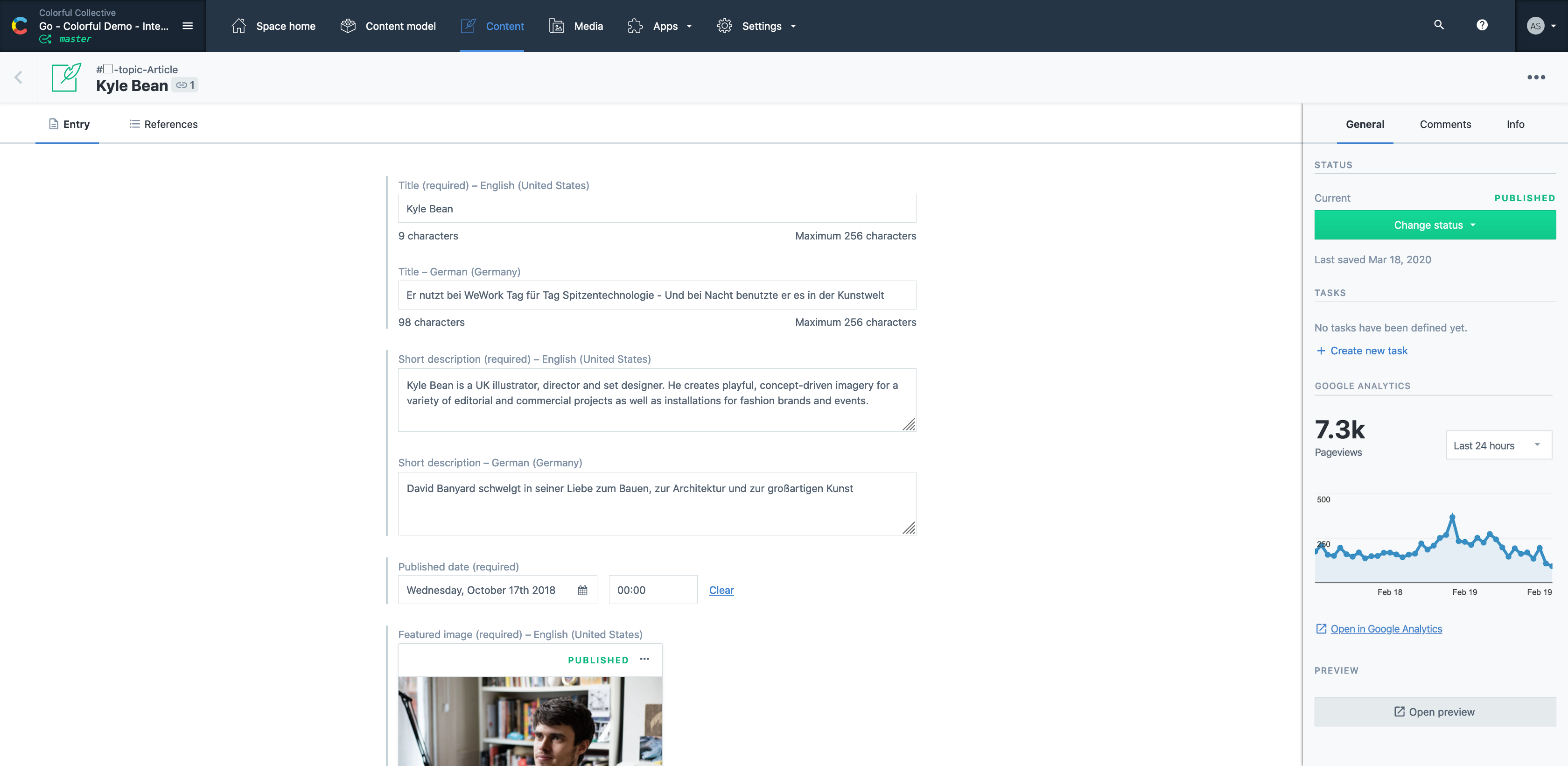
Contentful is a cloud based CMS solution that provides the ability to manage content across multiple platforms.The editing interface allows for managing content interactively and provides developers the ability to deliver the content with the programming language and template framework of their choice.
$0
Plone
Score10 out of 10
N/A
Plone is a free and open source content management system built on top of the Zope application server. Plone can be used for any kind of website, including blogs, internet sites, webshops, and internal websites.
It's a great all rounder for content projects. It's easy in the basics and powerful in the complex, data heavy scenarios. Extending the platform is straightforward and the SDK gives you everything you need. If you have many many varying content types , it gets expensive and perhaps not the best choice .
A de minimis incentive was given to thank the reviewer for their time. The incentive was not used to bias or drive a particular response, nor was the incentive contingent on a positive endorsement. More Info
The larger your organization, the more appropriate Plone will be. This is not to say that Plone is a worse choice for small websites, only that the minimum investment for a Plone site is certainly higher than for other platforms. If you already use Plone for your site and are looking for a redesign or an overhaul, I would only advise switching to a different platform such as WordPress or Drupal if your organization is downsizing. For any other situation, Plone is the natural choice for your growth.
A de minimis incentive was given to thank the reviewer for their time. The incentive was not used to bias or drive a particular response, nor was the incentive contingent on a positive endorsement. More Info
Plone is a folder-based system, organising content in a similar way desktop-users are doing for the last two decades. No need to teach non-tech customers some relational-database like paradigm for content management.
Plone is secure. It is the most secure CMS you can get your hands on.
Plone is flexible, and makes fast development easy.
Contentful uses "references" to allow you to build very modular content. If I have a "slider" content type, I can create a "slide" content type which references a "button" content type, and so forth. This works well, but I occasionally wish there was a better solution for one-off content, like a settings page. Currently, this is done for creating an entire content type called "settings" with a single entry. Not a big deal, but not ideal, either.
There are a few quirks with GatsbyJS integration, etc, but these issues are being fixed and improved upon very quickly.
A minor gripe, but Contentful does not have a way to organize fields within an entry. Entries with many fields are somewhat tiresome to scroll through.
A de minimis incentive was given to thank the reviewer for their time. The incentive was not used to bias or drive a particular response, nor was the incentive contingent on a positive endorsement. More Info
Not everything is configurable or editable by Plone, and when you need to adjust or add custom pieces in, you need to deal with Zope. Zope has an ugly, confusing and difficult UI and structure as a backend.
Using 3rd party products is difficult to do - there are a few different ways to get them installed, all of which take a bit of luck to get right.
Building custom products for Plone is not fun. You've got to deal with an archaic framework to tie in that is not well documented (there is documentation about many things, but not great documentation and there are a lot of holes in the documentation).
It is a very easy to use and configure application. I find that it is on the user to manage the content after the models have been created, yet I still do not encounter issues finding or creating new components for our site. It is easy to set up and easy to navigate.
A de minimis incentive was given to thank the reviewer for their time. The incentive was not used to bias or drive a particular response, nor was the incentive contingent on a positive endorsement. More Info
Compared to the amount of Plone sites, users and customizations we have in our organization, the amount of support requests and training needed is really small.
The new user interface in Plone 6 is even better, it is super fast, has lots of different blocks for enhancing the page, has flexible layout system and is easy to extend with more features.
Our Plone sites are very robust. We have critical systems on Plone and we have been running sites on Plone for over 20 years with very little unexpected downtime.
Plone is very intensive in its operations, and if not configured well it can be slow. However it is designed and built with speed in mind and with proper use of coding, templates and caching can perform extremely well under high loads. It is capable of scaling to very high load availability environments with no specific coding requirements.
Easy to use and much more organized as a single platform versus multi. The layout is clean and easy to read and we don’t have to worry about certain users safe guarding data or content then losing it when they leave the company. It’s a one stop shop for imagery
A de minimis incentive was given to thank the reviewer for their time. The incentive was not used to bias or drive a particular response, nor was the incentive contingent on a positive endorsement. More Info
Drupal: Plone is cheaper, so with Drupal is more complex to reach the required ROI. However, Drupal has a lower learning curve WordPress: For our necessities it has a more expensive learning curve than plone. Joomla, is easier to use. However, it have some issues on security and web content where Plone is much better
A de minimis incentive was given to thank the reviewer for their time. The incentive was not used to bias or drive a particular response, nor was the incentive contingent on a positive endorsement. More Info
Contentful has saved us valuable development time that was previously spent doing deploys for minor content updates.
Contentful has helped us maintain consistent documentation, reducing time needed to review for consistency.
Can't say we've really experienced any negative ROI impacts from using Contentful, but we've run into some limitations in adding too many content models and the next pricing tier is substantially more expensive.
A de minimis incentive was given to thank the reviewer for their time. The incentive was not used to bias or drive a particular response, nor was the incentive contingent on a positive endorsement. More Info
The impact Plone has had at the University of Oshkosh is as follows: this software allows student workers to learn about IT departments and CMS's in a user-friendly way. It gives many students great jobs that look great on their resumes.
Since there are great training manuals for Plone, there is increased employee efficient in the workplace. Training doesn't take long, and if there's ever a question, the Plone manual is a great tool to refer to.
If an employee using Plone quits, its easy to find someone to replace them with quick training and great resources.