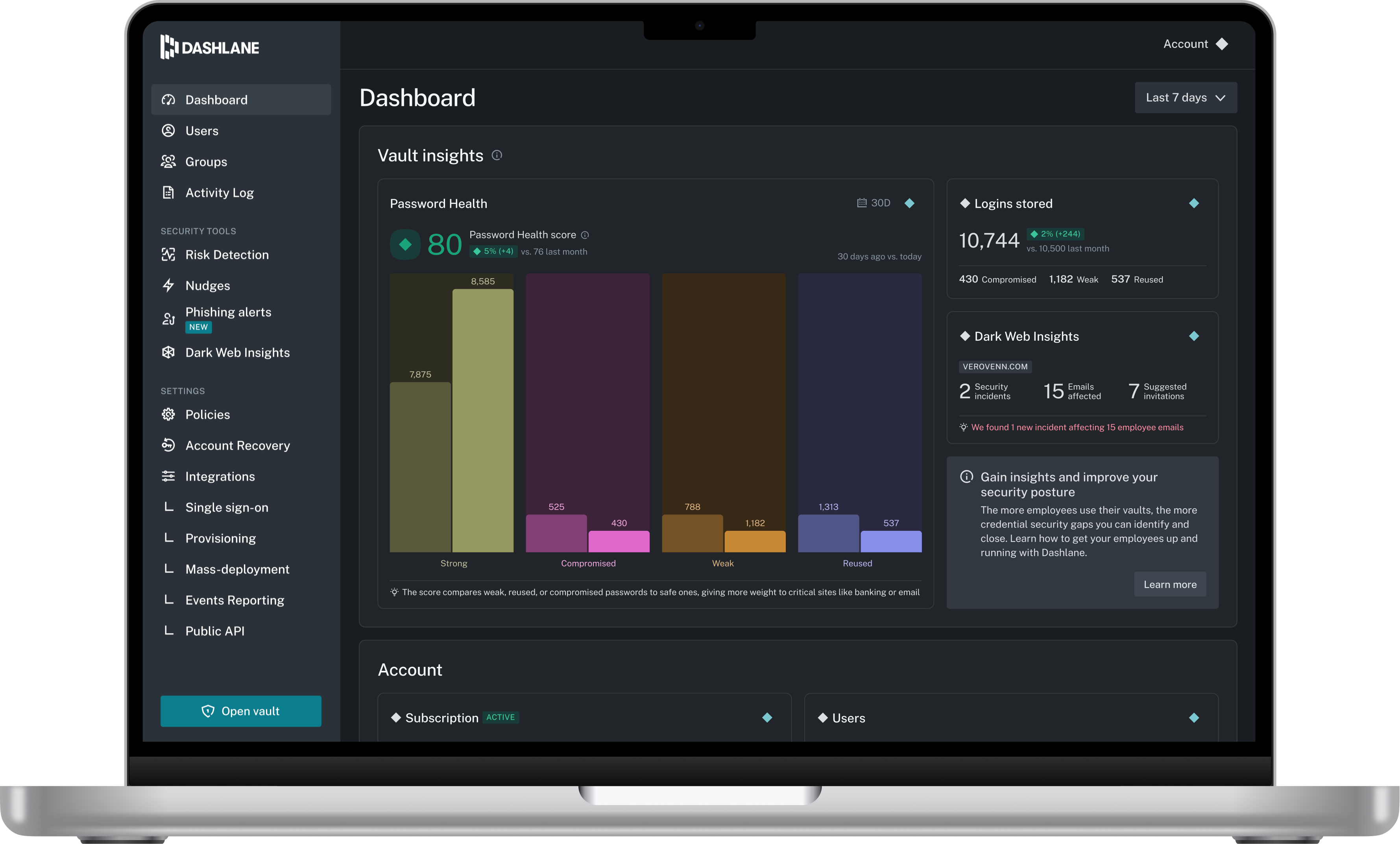
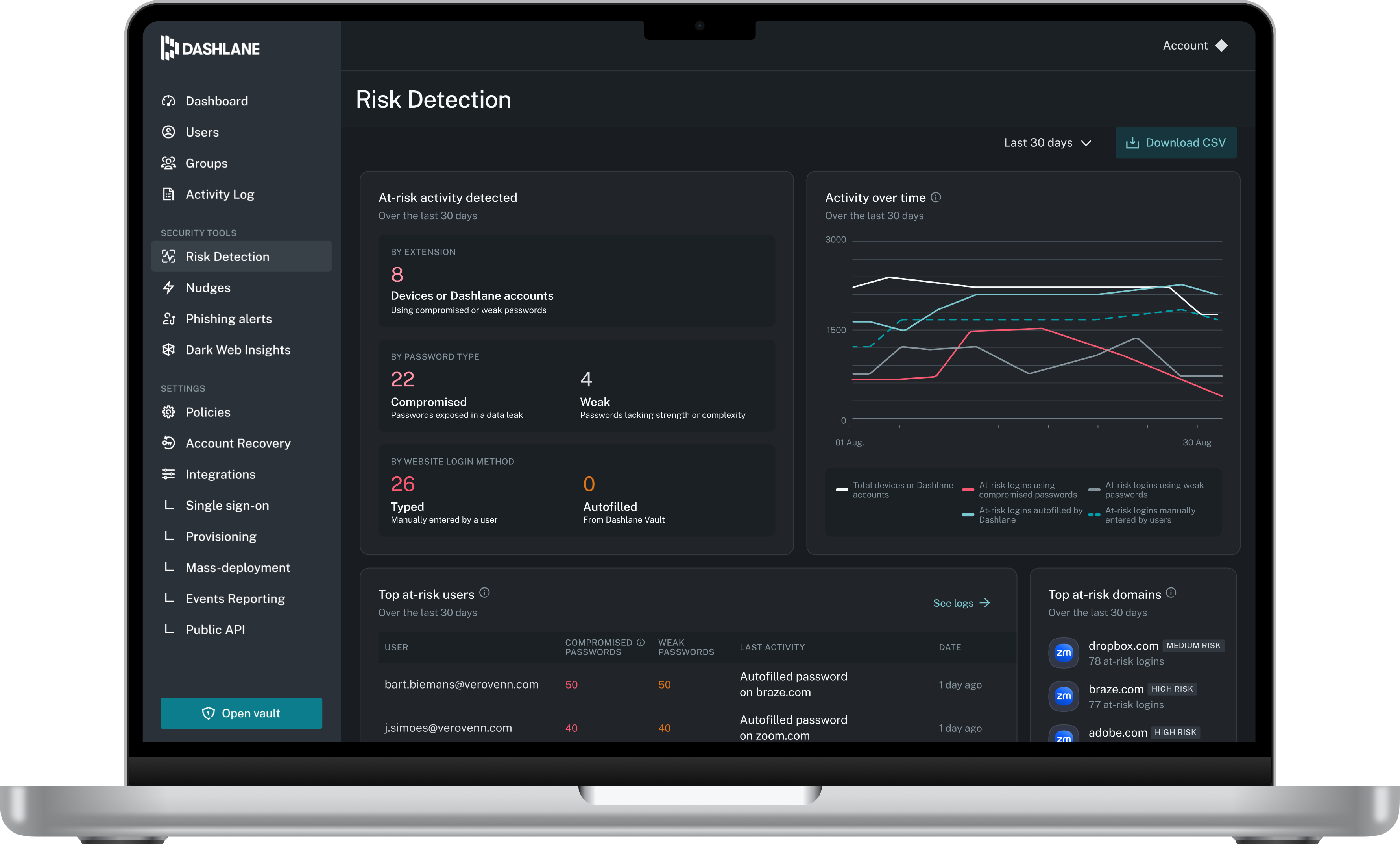
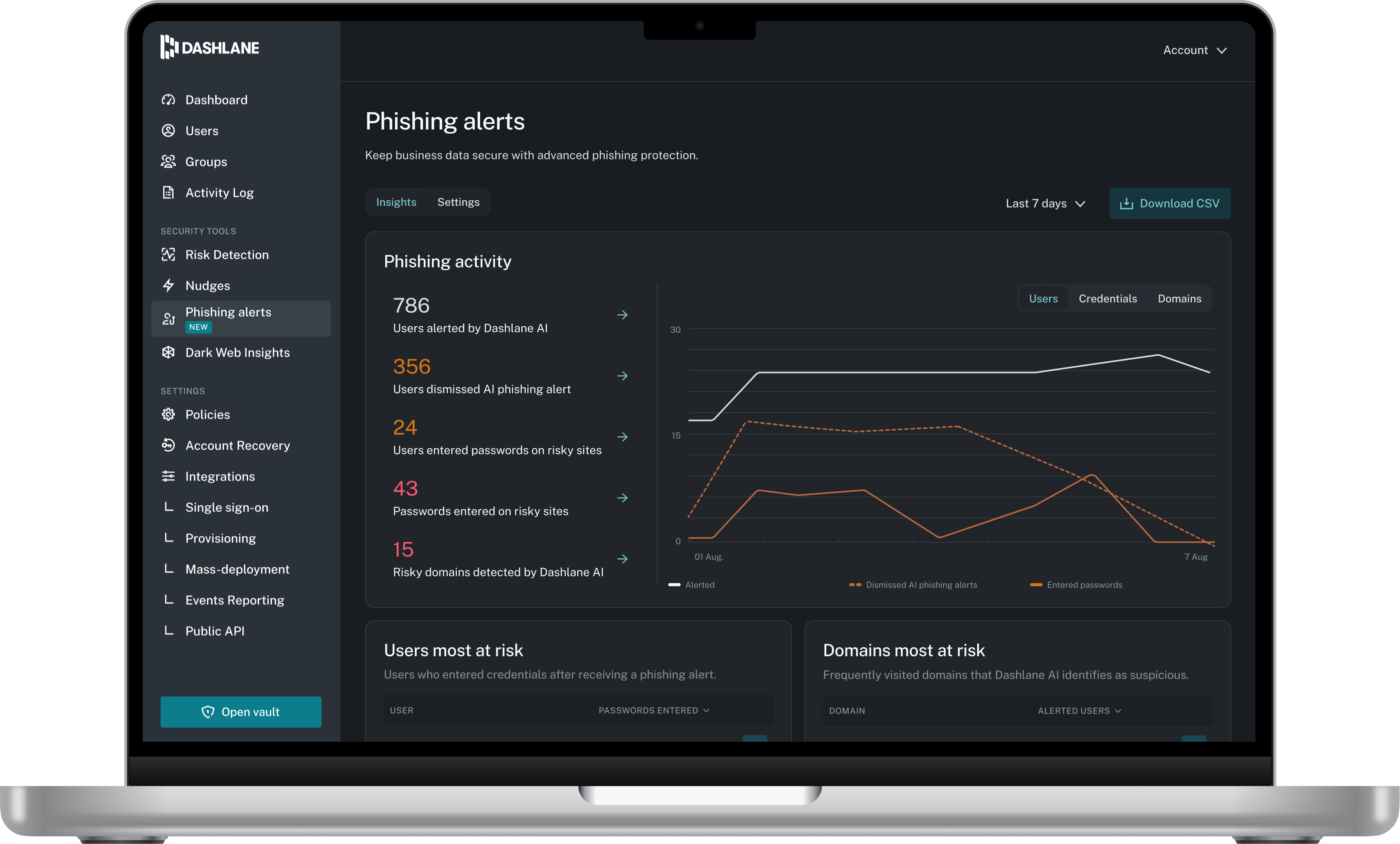
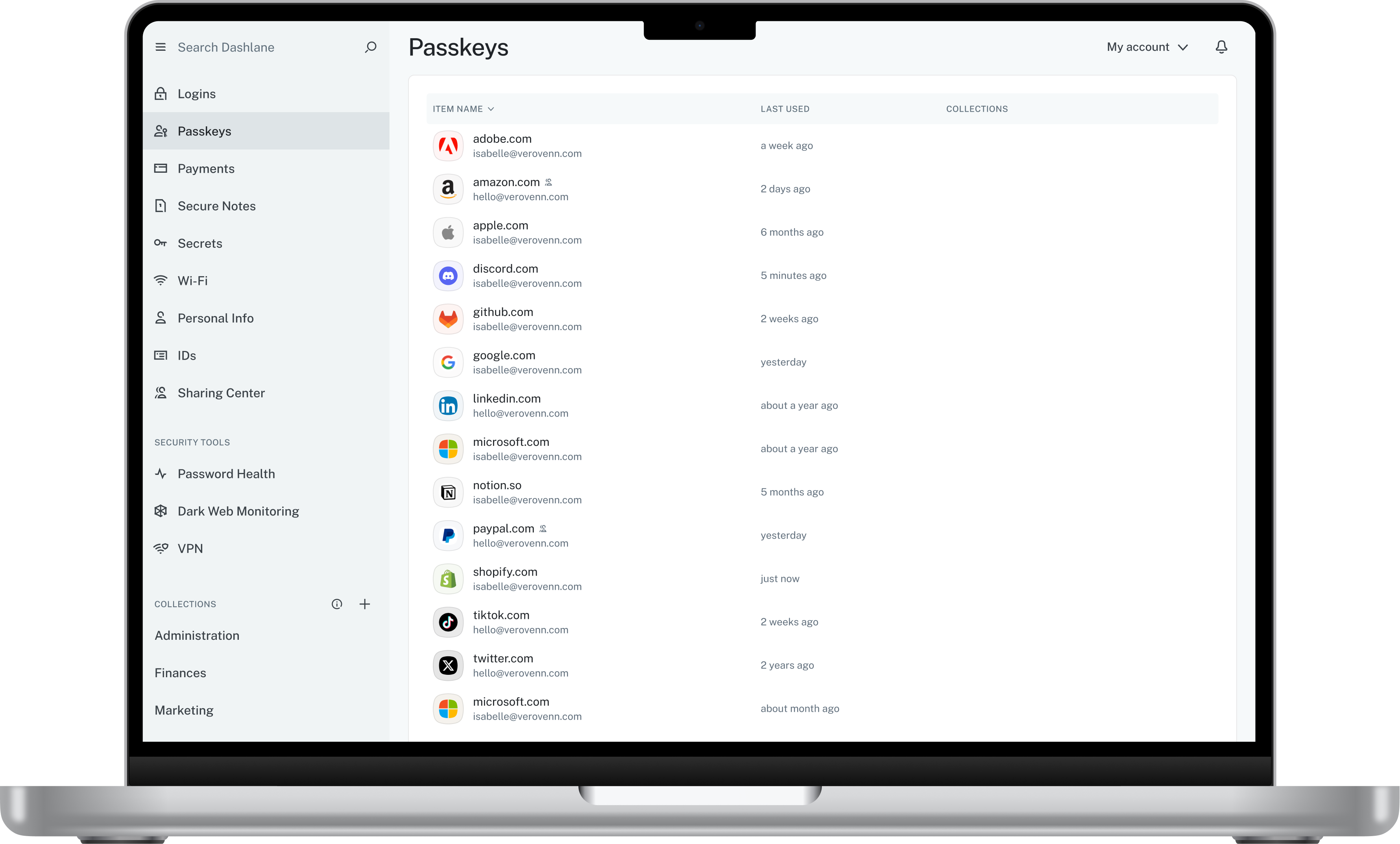
Dashlane is a credential manager that secures every credential, every user, and every employee device to proactively protect against breaches. Brands worldwide can use Dashlane to stay ahead of evolving threats.
$240
per year 10 employees
Zscaler Private Access
Score9.4 out of 10
N/A
Zscaler Private Access™ (ZPA) gives users secure access to private apps and OT devices while enabling zero trust connectivity for workloads.
I think Dashlane is a great service for anyone who uses the internet. We need to create accounts on almost every website, and Dashlane helps generate secure passwords and store them safely, but easily accessible through its seamless browser extension. Any business or personal lifestyle can benefit from Dashlane when you go online
A de minimis incentive was given to thank the reviewer for their time. The incentive was not used to bias or drive a particular response, nor was the incentive contingent on a positive endorsement. More Info
Zscaler Private Access works really well in environments setup for FQDNs and where you know what users should/shouldn't be accessing on what ports. You can use Zscaler Private Access to figure out these kinds of features but that doesn't always mean you'll be correct. It also provides a consistent experience for users as they can access their materials anywhere. It also makes the user the last line of defense. If a user's account is compromised then the attacker has access to everything they already did. It doesn't work great in OT environments or Server based environments. Flows have to be initiated from the client and not the server for stuff to behave properly.
A de minimis incentive was given to thank the reviewer for their time. The incentive was not used to bias or drive a particular response, nor was the incentive contingent on a positive endorsement. More Info
A de minimis incentive was given to thank the reviewer for their time. The incentive was not used to bias or drive a particular response, nor was the incentive contingent on a positive endorsement. More Info
Connecting users remotely with a secure connection. I am a service desk agent who works with end users, and if there is an issue due to ZPA, it's most likely due to configuration. A really good service.
Logging, I believe, works well as I troubleshoot end users and can gather extra details for my network admin. IP.zscaler.com, and the debug logs are nice. Additionally, I like how it shows the App policy assigned to the user's machine ECT.
A de minimis incentive was given to thank the reviewer for their time. The incentive was not used to bias or drive a particular response, nor was the incentive contingent on a positive endorsement. More Info
The mobile app works fine for quick access, but autofill across different apps can be inconsistent. Sometimes it doesn’t recognize the login field, which slows people down when they’re on the go.
Occasionally the browser extension logs users out or doesn’t sync immediately with the desktop app, which causes frustration if someone just updated a password.
A de minimis incentive was given to thank the reviewer for their time. The incentive was not used to bias or drive a particular response, nor was the incentive contingent on a positive endorsement. More Info
Needs an interface for Support Desk/Help Desk to more easily understand that the problem is a lack of an FQDN or access is not allowed due to policy, not because of a technical shortcoming in ZPA.
Documentation of the BC solution is not well-detailed.
A de minimis incentive was given to thank the reviewer for their time. The incentive was not used to bias or drive a particular response, nor was the incentive contingent on a positive endorsement. More Info
A de minimis incentive was given to thank the reviewer for their time. The incentive was not used to bias or drive a particular response, nor was the incentive contingent on a positive endorsement. More Info
A de minimis incentive was given to thank the reviewer for their time. The incentive was not used to bias or drive a particular response, nor was the incentive contingent on a positive endorsement. More Info
Dashlane is usable, but there are 2 key issues that annoy me. 1. The mobile app and the browser extension are not synced and i cannot find passwords in the app that are clearly in the extension. 2. The system doe snot make it easy to assign a password to a specific subdomain. I get hundreds of passwords that i have to go through any time i go to any subdomain on my main site because of the nature of my business. I need the option back to assign a password to only work with a specific subdomain (and all related paged on that subdomain) note: The search features have been annoying in the past. I just went to test them to verify my issues and found that notes inside of a password are finally searchable. This helps
A de minimis incentive was given to thank the reviewer for their time. The incentive was not used to bias or drive a particular response, nor was the incentive contingent on a positive endorsement. More Info
The environment feels more secure, and we are seeing that users are adapting to it fast. The fact that we have tools to assist the users with their day-to-day access helps, as we can hand it off to the helpdesk without any escalations to the Network team. It is a work in progress for our agency, but we are seeing the benefits from the solution.
A de minimis incentive was given to thank the reviewer for their time. The incentive was not used to bias or drive a particular response, nor was the incentive contingent on a positive endorsement. More Info
We've had no issues with Dashlane. I can't speak to their customer service because I have not personally needed to contact them. I guess that speaks about their product if we've not had any issues to reach out about. Great for supporting data/information on multiple platforms that are shared among team members.
A de minimis incentive was given to thank the reviewer for their time. The incentive was not used to bias or drive a particular response, nor was the incentive contingent on a positive endorsement. More Info
Dashlane’s customer support is often rated higher, providing more responsive and helpful assistance. LastPass has a slightly steeper learning curve than Dashlane, but it offers more flexibility with user permissions, which can benefit teams. Dashlane includes unlimited passkey support and a clean breach history, while LastPass is more accommodating for smaller teams.
A de minimis incentive was given to thank the reviewer for their time. The incentive was not used to bias or drive a particular response, nor was the incentive contingent on a positive endorsement. More Info
ZPA is where the bulk of zero-trust access is found. While the functionality for ZIA is excellent, the policy we implement for internet access is more focused on threat prevention and not narrowly scoped access.
A de minimis incentive was given to thank the reviewer for their time. The incentive was not used to bias or drive a particular response, nor was the incentive contingent on a positive endorsement. More Info
A de minimis incentive was given to thank the reviewer for their time. The incentive was not used to bias or drive a particular response, nor was the incentive contingent on a positive endorsement. More Info
We used to get anywhere from 30 to 50 tickets surrounding our previous VPN solution every month. We now average 3-5 tickets regarding remote connectivity, and of those, only 1 or 2 are actual issues with ZPA.
Using ZPA Access Policies, we can now block endpoints that have outdated security software from ever connecting to our environment. This was simply not possible with our previous solution.
Some of our employee base skews older and had a harder time understanding the change from VPN to Zscaler.
There is significantly less downtime with ZPA when compared to other VPN solutions.
A de minimis incentive was given to thank the reviewer for their time. The incentive was not used to bias or drive a particular response, nor was the incentive contingent on a positive endorsement. More Info