
Databricks Data Intelligence Platform vs. IBM ILOG CPLEX Optimization Studio vs. OpenText Magellan
Databricks Data Intelligence Platform vs. IBM ILOG CPLEX Optimization Studio vs. OpenText Magellan
| Product | Rating | Most Used By | Product Summary | Starting Price |
|---|---|---|---|---|
 Databricks Data Intelligence Platform | N/A | Databricks offers the Databricks Lakehouse Platform (formerly the Unified Analytics Platform), a data science platform and Apache Spark cluster manager. The Databricks Unified Data Service provides a platform for data pipelines, data lakes, and data platforms. | $0.07 Per DBU | |
 IBM ILOG CPLEX Optimization Studio | N/A | IBM® ILOG® CPLEX® Optimization Studio is a prescriptive analytics solution that enables rapid development and deployment of decision optimization models using mathematical and constraint programming. | $285 per month per user | |
 OpenText Magellan | N/A | OpenText Magellan Analytics Suite leverages a comprehensive set of data analytics software to identify patterns, relationships and trends through data visualizations and interactive dashboards. | N/A |
| Databricks Data Intelligence Platform | IBM ILOG CPLEX Optimization Studio | OpenText Magellan | ||||||||||||||||||||||
|---|---|---|---|---|---|---|---|---|---|---|---|---|---|---|---|---|---|---|---|---|---|---|---|---|
| Editions & Modules |
| No answers on this topic | No answers on this topic | |||||||||||||||||||||
| Offerings |
| |||||||||||||||||||||||
| Entry-level Setup Fee | No setup fee | No setup fee | No setup fee | |||||||||||||||||||||
| Additional Details | — | — | — | |||||||||||||||||||||
| More Pricing Information | ||||||||||||||||||||||||
| Databricks Data Intelligence Platform | IBM ILOG CPLEX Optimization Studio | OpenText Magellan |
|---|
| Databricks Data Intelligence Platform | IBM ILOG CPLEX Optimization Studio | OpenText Magellan | |||||||||||||||||||||||
|---|---|---|---|---|---|---|---|---|---|---|---|---|---|---|---|---|---|---|---|---|---|---|---|---|---|
| Platform Connectivity |
| ||||||||||||||||||||||||
| Data Exploration |
| ||||||||||||||||||||||||
| Data Preparation |
| ||||||||||||||||||||||||
| Platform Data Modeling |
| ||||||||||||||||||||||||
| Model Deployment |
| ||||||||||||||||||||||||
| BI Standard Reporting |
| ||||||||||||||||||||||||
| Ad-hoc Reporting |
| ||||||||||||||||||||||||
| Report Output and Scheduling |
| ||||||||||||||||||||||||
| Data Discovery and Visualization |
| ||||||||||||||||||||||||
| Access Control and Security |
| ||||||||||||||||||||||||
| Mobile Capabilities |
| ||||||||||||||||||||||||
| Application Program Interfaces (APIs) / Embedding |
|
| Databricks Data Intelligence Platform | IBM ILOG CPLEX Optimization Studio | OpenText Magellan | |
|---|---|---|---|
| Small Businesses | No answers on this topic |  Jupyter Notebook Score 8.5 out of 10 |  Yellowfin Score 8.7 out of 10 |
| Medium-sized Companies |  Snowflake Score 8.7 out of 10 |  Posit Score 10.0 out of 10 |  Reveal Score 10.0 out of 10 |
| Enterprises | Snowflake Score 8.7 out of 10 | Posit Score 10.0 out of 10 |  Kyvos Semantic Layer Score 9.5 out of 10 |
| All Alternatives | View all alternatives | View all alternatives | View all alternatives |
| Databricks Data Intelligence Platform | IBM ILOG CPLEX Optimization Studio | OpenText Magellan | |
|---|---|---|---|
| Likelihood to Recommend | 10.0 (18 ratings) | 9.0 (2 ratings) | 9.0 (11 ratings) |
| Likelihood to Renew | - (0 ratings) | - (0 ratings) | 3.9 (9 ratings) |
| Usability | 10.0 (4 ratings) | 9.0 (1 ratings) | 9.0 (1 ratings) |
| Support Rating | 8.7 (2 ratings) | 7.0 (1 ratings) | 9.0 (2 ratings) |
| Contract Terms and Pricing Model | 8.0 (1 ratings) | - (0 ratings) | - (0 ratings) |
| Professional Services | 10.0 (1 ratings) | - (0 ratings) | - (0 ratings) |
| Databricks Data Intelligence Platform | IBM ILOG CPLEX Optimization Studio | OpenText Magellan | |
|---|---|---|---|
| Likelihood to Recommend |  Databricks
 Austin Franchino Senior Data and Security Engineer | IBM
|  OpenText
 Christopher Noyes Director Advertising Technology |
| Pros | Databricks
| IBM
| OpenText
 Bri Gipson Sr. Systems Engineer |
| Cons | Databricks
| IBM
| OpenText
 Martin Rubens IT solutions Manager |
| Likelihood to Renew | Databricks No answers on this topic | IBM No answers on this topic | OpenText
 Todd Bellamy Systems Analyst |
| Usability | Databricks
| IBM
| OpenText
|
| Support Rating | Databricks
 Jonatan Bouchard Director Data Science | IBM
| OpenText
 Jeffrey Fischer Business and Channel Development Director |
| Alternatives Considered | Databricks
| IBM
| OpenText
Christopher Noyes Director Advertising Technology |
| Return on Investment | Databricks
| IBM
| OpenText
|
| ScreenShots | OpenText Magellan Screenshots   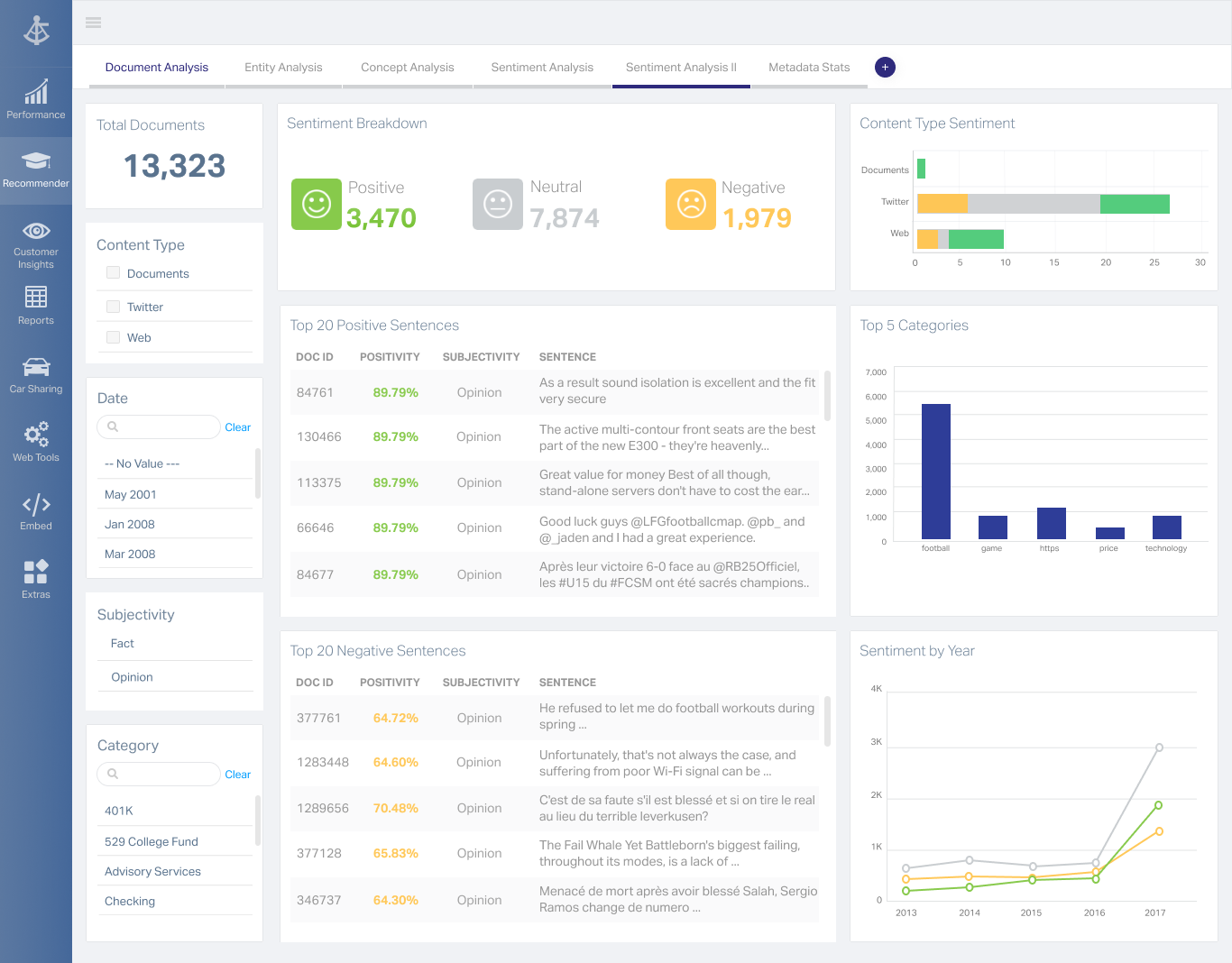 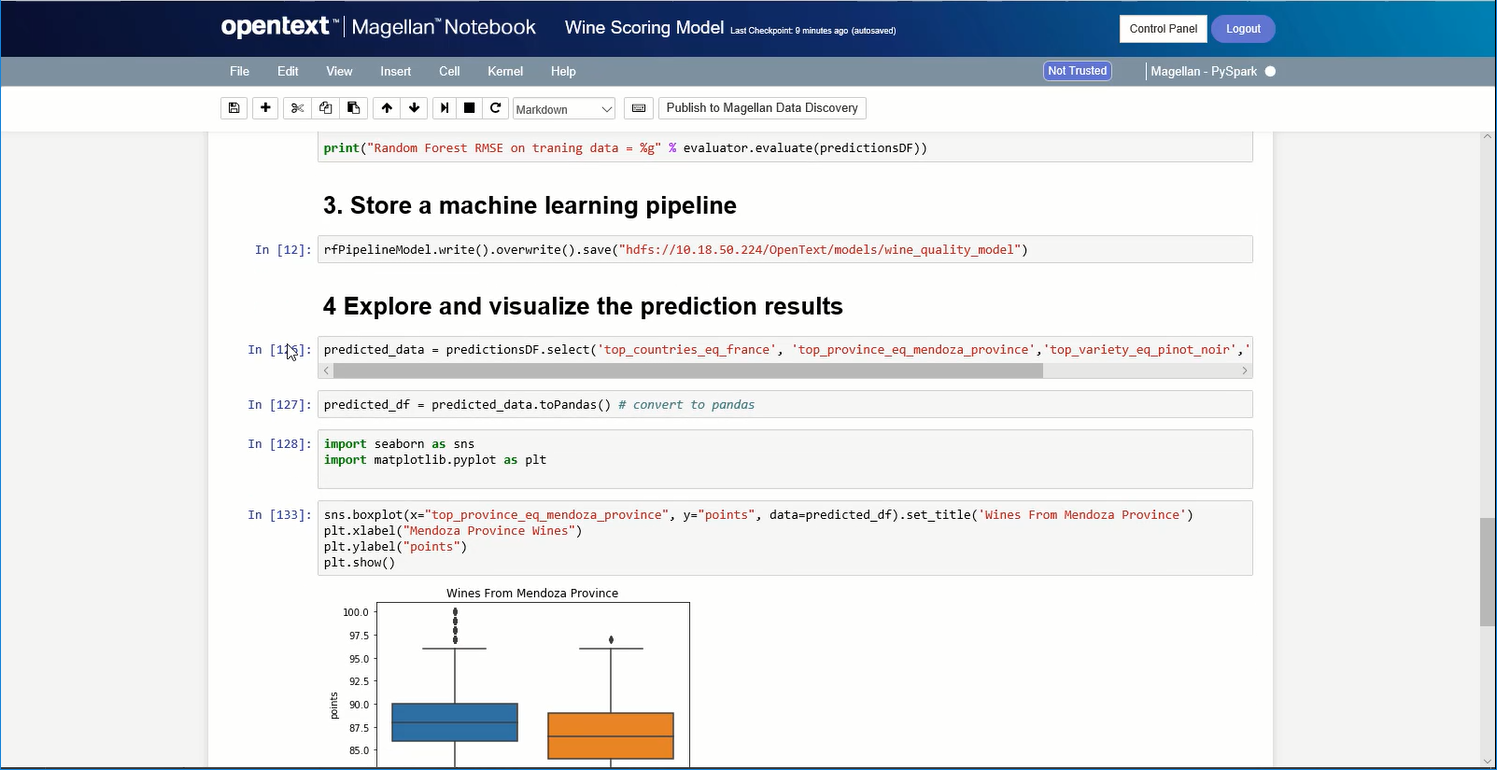 |