
Chose Magnolia
Divi vs. Drupal vs. Magnolia
Divi vs. Drupal vs. Magnolia
| Product | Rating | Most Used By | Product Summary | Starting Price |
|---|---|---|---|---|
 Divi | N/A | More than just a WordPress theme, Divi is a website building platform that replaces the standard WordPress post editor with a new visual editor. The vendor states it can be enjoyed by design professionals and newcomers alike, and is designed to give users the ability to create spectacular designs with ease and efficiency. | $89 per year | |
 Drupal | N/A | Drupal is a free, open-source content management system written in PHP that competes primarily with Joomla and Plone. The standard release of Drupal, known as Drupal core, contains basic features such as account and menu management, RSS feeds, page layout customization, and system administration. | N/A | |
 Magnolia | Mid-Size Companies (51-1,000 employees) | Founded in Switzerland in 1997, Magnolia is a CMS used to build composable digital experiences. Magnolia helps create fully integrated customer experiences and speeds up digital delivery of content. Magnolia boasts 480 enterprise customers, thousands of Community Edition deployments, and more than 200 certified Magnolia Partners around the world. They further state that their enterprise customers include Sanofi, Generali, the Atlassian, The New York Times, Harley Davidson, and Union… | $3,500 per month |
| Divi | Drupal | Magnolia | ||||||||||||||||||||||
|---|---|---|---|---|---|---|---|---|---|---|---|---|---|---|---|---|---|---|---|---|---|---|---|---|
| Editions & Modules |
| No answers on this topic |
| |||||||||||||||||||||
| Offerings |
| |||||||||||||||||||||||
| Entry-level Setup Fee | No setup fee | No setup fee | No setup fee | |||||||||||||||||||||
| Additional Details | Lifetime subscriptions are also available for a one time fee. | — | — | |||||||||||||||||||||
| More Pricing Information | ||||||||||||||||||||||||
| Divi | Drupal | Magnolia | |
|---|---|---|---|
| Considered Multiple Products | Divi No answer on this topic |  Drupal No answer on this topic |  Magnolia  Andrew Elia CEO (Chief Executive Officer) Chose Magnolia Magnolia is not as costly as other enterprise grade platforms and is easier to deploy, more reliable and less resource hungry. It's often also easier to use and certainly easier to use than it's Open Source counterparts. It also manages content in a much more structured manner …  Ivan De Paz Website Porject Manager Chose Magnolia Of all the ones we looked at that met our requirements Magnolia was clearly the best value for money and had a solid background that you could trust and that could take care of you in case of problems.  Mario de Vicente Fernandez IT DIrector for Marketing Chose Magnolia Putting all together: capabilities, support, community and price... Magnolia is the best combination, maybe not the best on each aspect, but for sure in the combination  Maurizio Müller R&D Manager Chose Magnolia I evaluated many CMS products and I’m continuing to evaluate them to verify the new functionality introduced. I evaluated these products: Alfresco, Apache Lenya, DotCMS, Drupal, Liferay, Hippo, Joomla, OpenCMS. I chose Magnolia because Magnolia offers two licensed community … |
| Divi | Drupal | Magnolia | |||||||||||||||||||||||||||||||||||
|---|---|---|---|---|---|---|---|---|---|---|---|---|---|---|---|---|---|---|---|---|---|---|---|---|---|---|---|---|---|---|---|---|---|---|---|---|---|
| Security |
| ||||||||||||||||||||||||||||||||||||
| Platform & Infrastructure |
| ||||||||||||||||||||||||||||||||||||
| Web Content Creation |
| ||||||||||||||||||||||||||||||||||||
| Web Content Management |
|
| Divi | Drupal | Magnolia | |
|---|---|---|---|
| Small Businesses |  ManageWP Score 10.0 out of 10 | ManageWP Score 10.0 out of 10 | ManageWP Score 10.0 out of 10 |
| Medium-sized Companies |  RWS Tridion Sites Score 9.0 out of 10 | RWS Tridion Sites Score 9.0 out of 10 | RWS Tridion Sites Score 9.0 out of 10 |
| Enterprises | RWS Tridion Sites Score 9.0 out of 10 | RWS Tridion Sites Score 9.0 out of 10 | RWS Tridion Sites Score 9.0 out of 10 |
| All Alternatives | View all alternatives | View all alternatives | View all alternatives |
| Divi | Drupal | Magnolia | |
|---|---|---|---|
| Likelihood to Recommend | 9.8 (9 ratings) | 6.0 (84 ratings) | 8.1 (78 ratings) |
| Likelihood to Renew | - (0 ratings) | 1.0 (19 ratings) | 8.1 (9 ratings) |
| Usability | 9.4 (5 ratings) | 6.6 (18 ratings) | 8.0 (68 ratings) |
| Availability | - (0 ratings) | 9.7 (3 ratings) | - (0 ratings) |
| Performance | - (0 ratings) | 8.9 (2 ratings) | 8.5 (67 ratings) |
| Support Rating | - (0 ratings) | 1.0 (5 ratings) | 9.1 (3 ratings) |
| In-Person Training | - (0 ratings) | 8.0 (1 ratings) | - (0 ratings) |
| Online Training | - (0 ratings) | 6.0 (2 ratings) | 8.2 (1 ratings) |
| Implementation Rating | - (0 ratings) | 5.1 (4 ratings) | - (0 ratings) |
| Ease of integration | - (0 ratings) | 9.0 (1 ratings) | - (0 ratings) |
| Product Scalability | - (0 ratings) | 8.0 (2 ratings) | - (0 ratings) |
| Divi | Drupal | Magnolia | |
|---|---|---|---|
| Likelihood to Recommend | Elegant Themes
| Open Source
 Paul Nielsen Volunteer Web Developer | Magnolia
|
| Pros | Elegant Themes
| Open Source
| Magnolia
|
| Cons | Elegant Themes
 Kristina Green Owner | Open Source
| Magnolia
|
| Likelihood to Renew | Elegant Themes No answers on this topic | Open Source
 Eric Batson Learning and Development Specialist | Magnolia
|
| Usability | Elegant Themes
| Open Source
| Magnolia
Andrew Elia CEO (Chief Executive Officer) |
| Reliability and Availability | Elegant Themes No answers on this topic | Open Source
 Peter Wolanin Principal Engineer | Magnolia No answers on this topic |
| Performance | Elegant Themes No answers on this topic | Open Source
 Michael Sypes Programmer Analyst | Magnolia
|
| Support Rating | Elegant Themes No answers on this topic | Open Source
Michael Sypes Programmer Analyst | Magnolia
 Marvin Kerkhoff Projektmanager |
| In-Person Training | Elegant Themes No answers on this topic | Open Source
Eric Batson Learning and Development Specialist | Magnolia No answers on this topic |
| Online Training | Elegant Themes No answers on this topic | Open Source
Eric Batson Learning and Development Specialist | Magnolia No answers on this topic |
| Implementation Rating | Elegant Themes No answers on this topic | Open Source
Michael Sypes Programmer Analyst | Magnolia No answers on this topic |
| Alternatives Considered | Elegant Themes  Laura Glover Information Designer | Open Source
 Dustin Day Director of UX development, social media and SEO/SEM | Magnolia
|
| Scalability | Elegant Themes No answers on this topic | Open Source
Michael Sypes Programmer Analyst | Magnolia No answers on this topic |
| Return on Investment | Elegant Themes
| Open Source
 Sohail Lajevardi Drupal Front-end Engineer | Magnolia
|
| ScreenShots | Magnolia Screenshots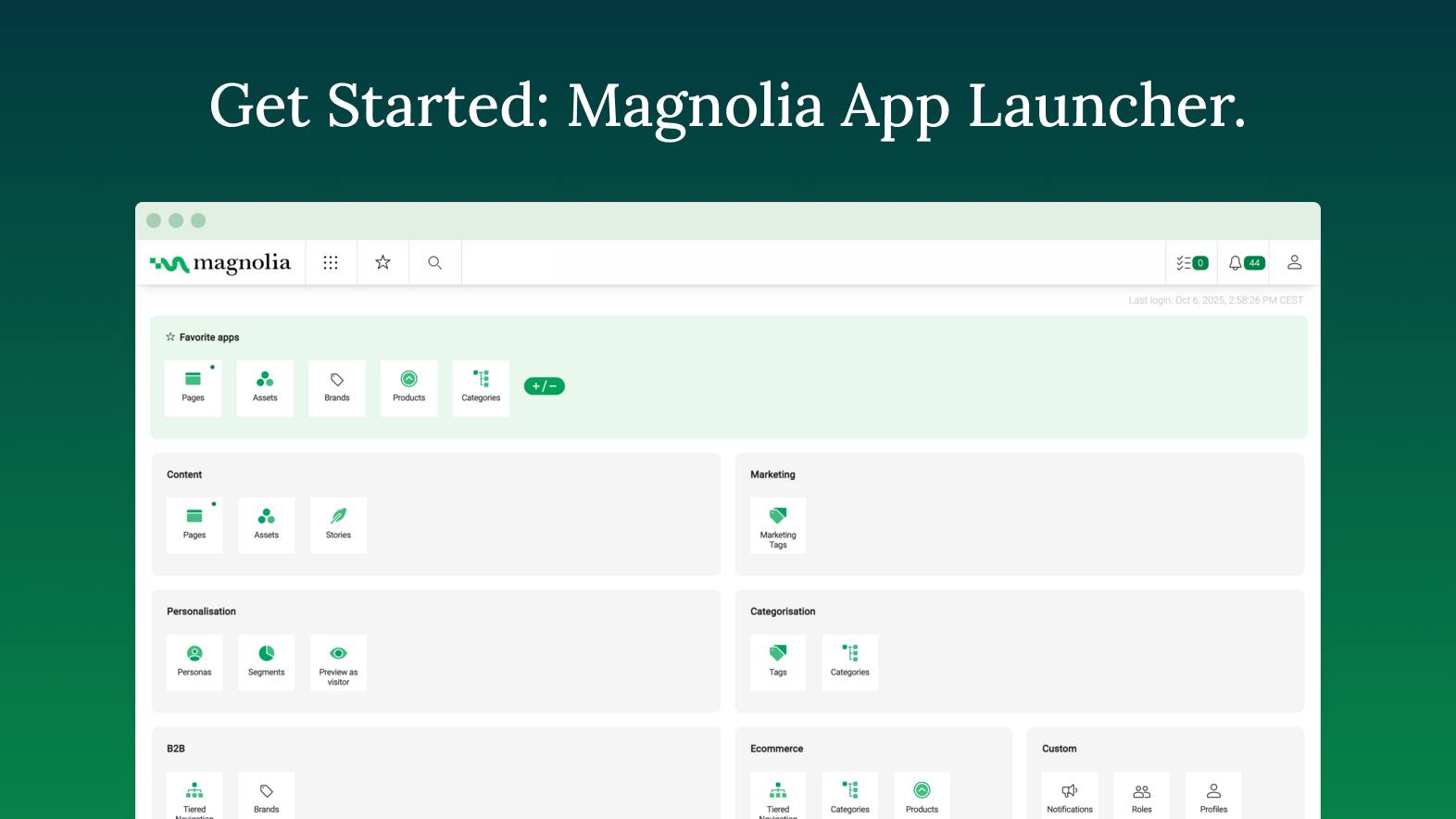 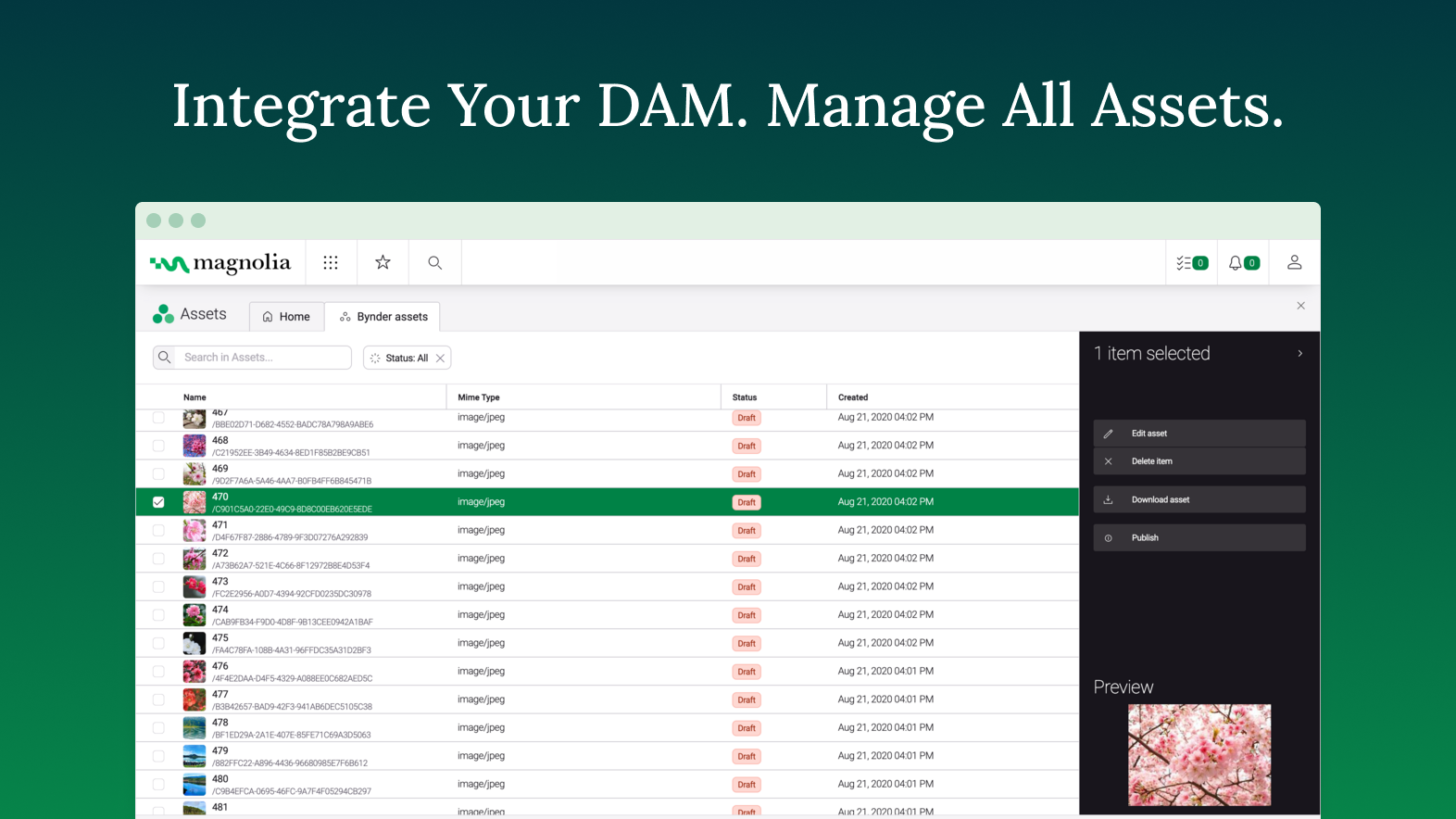 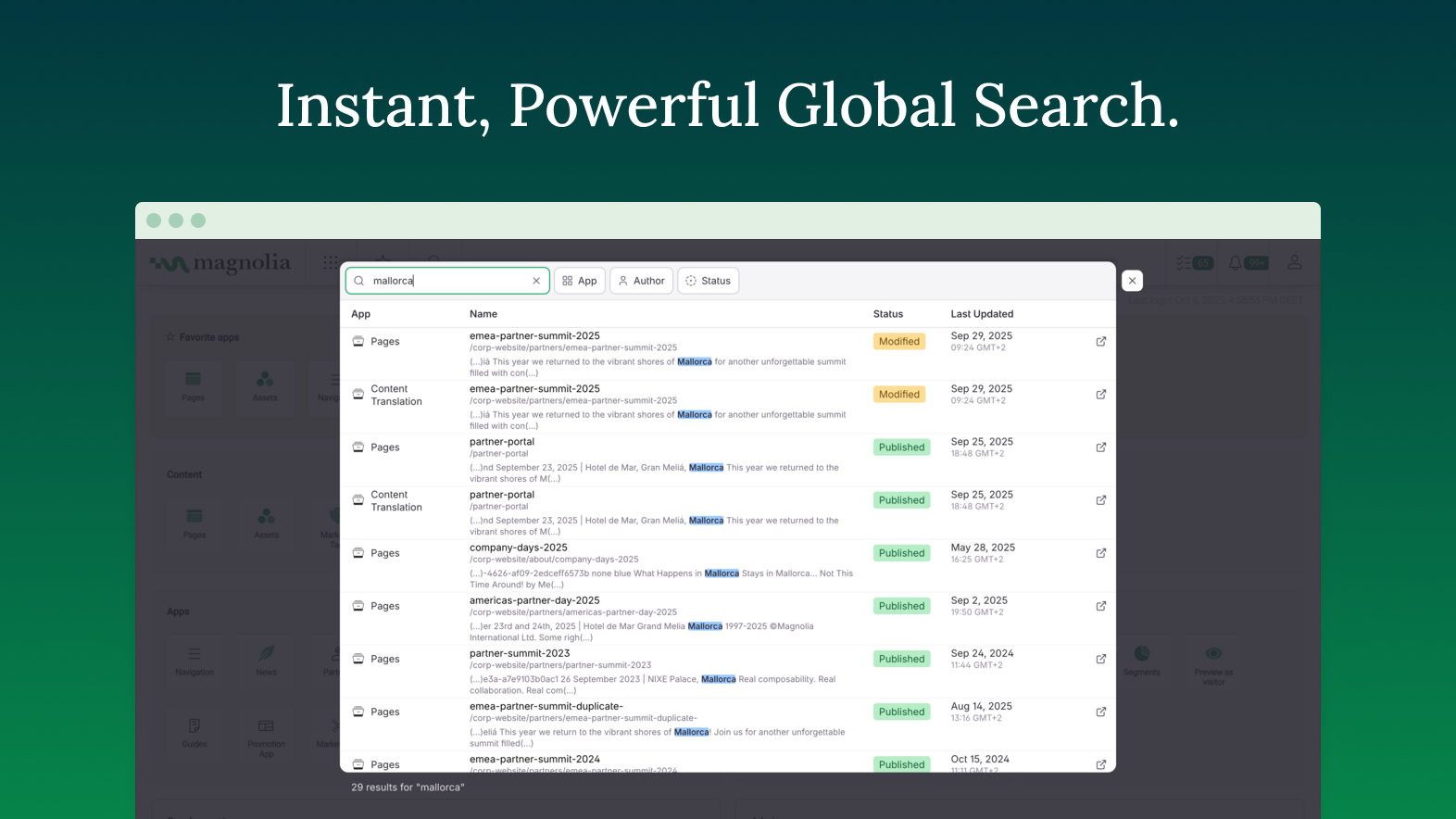 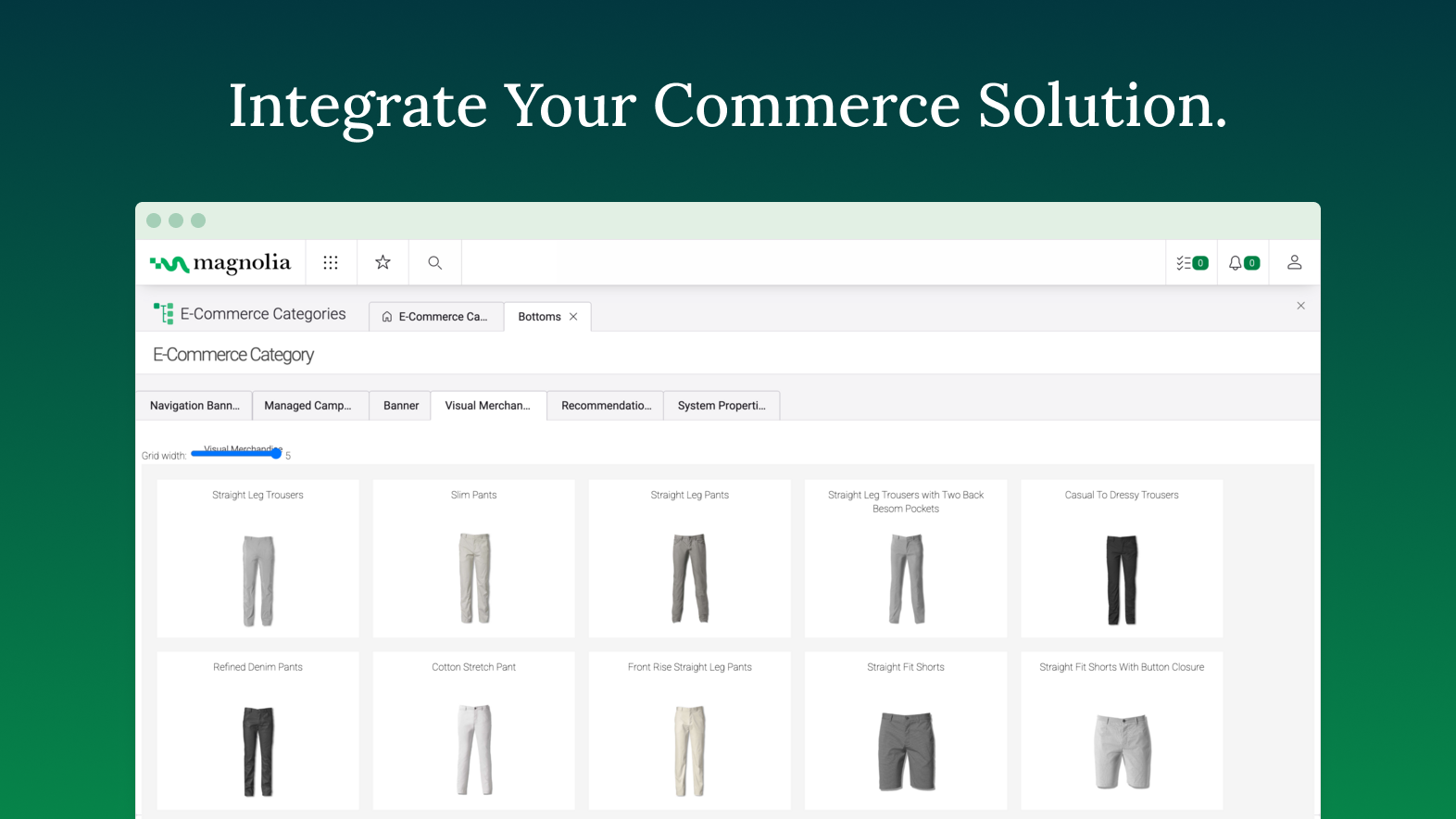 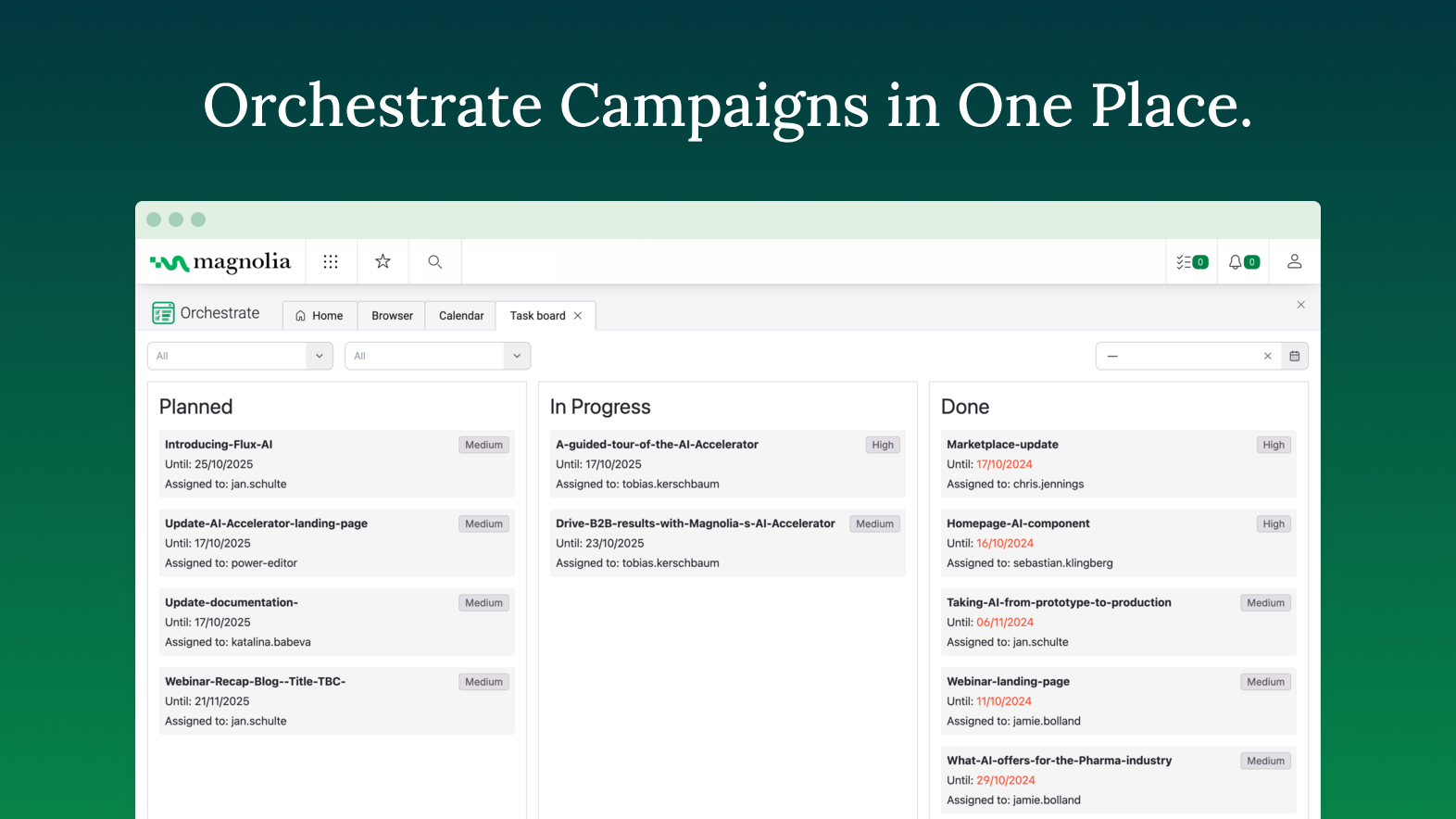 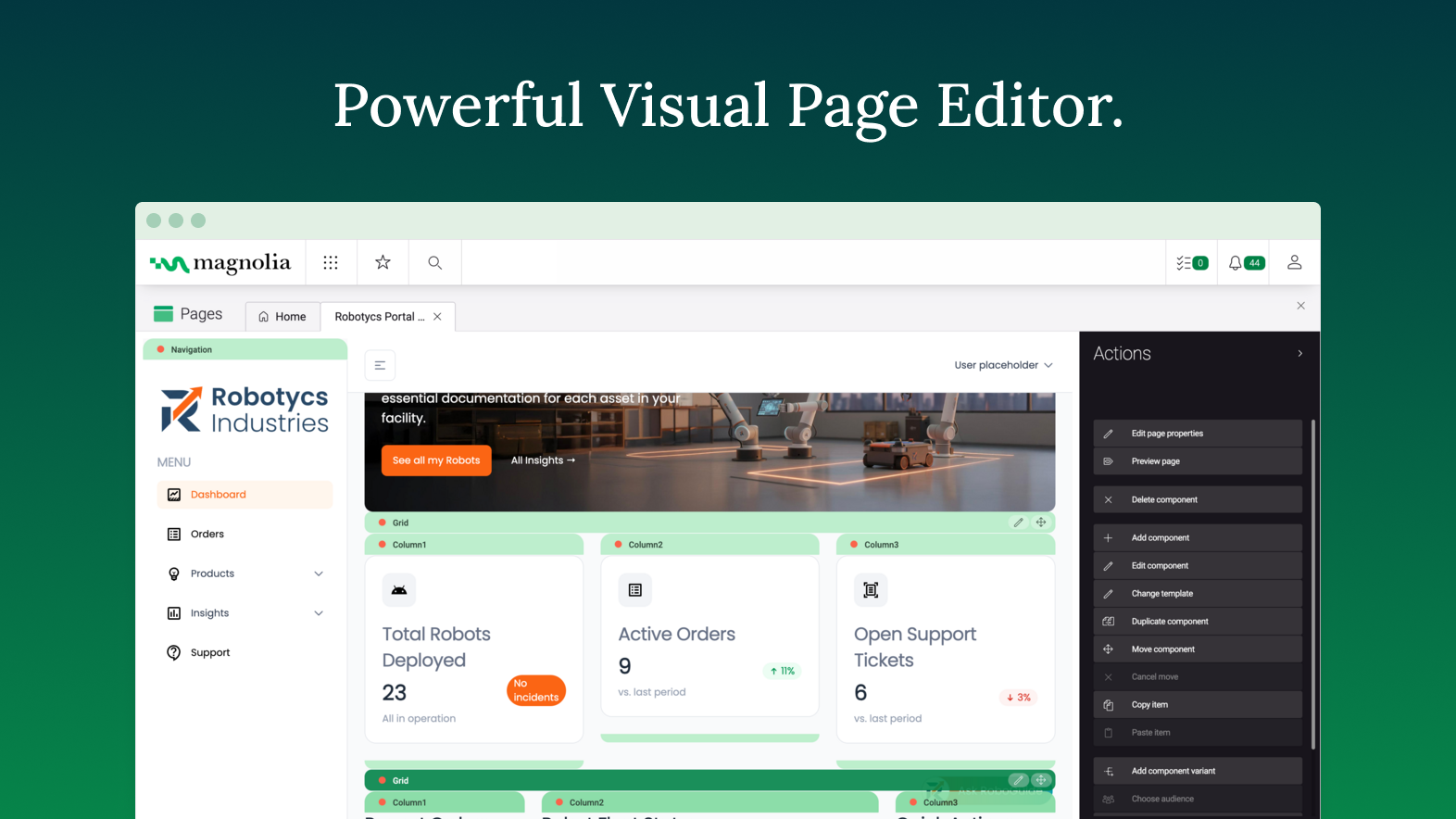 |