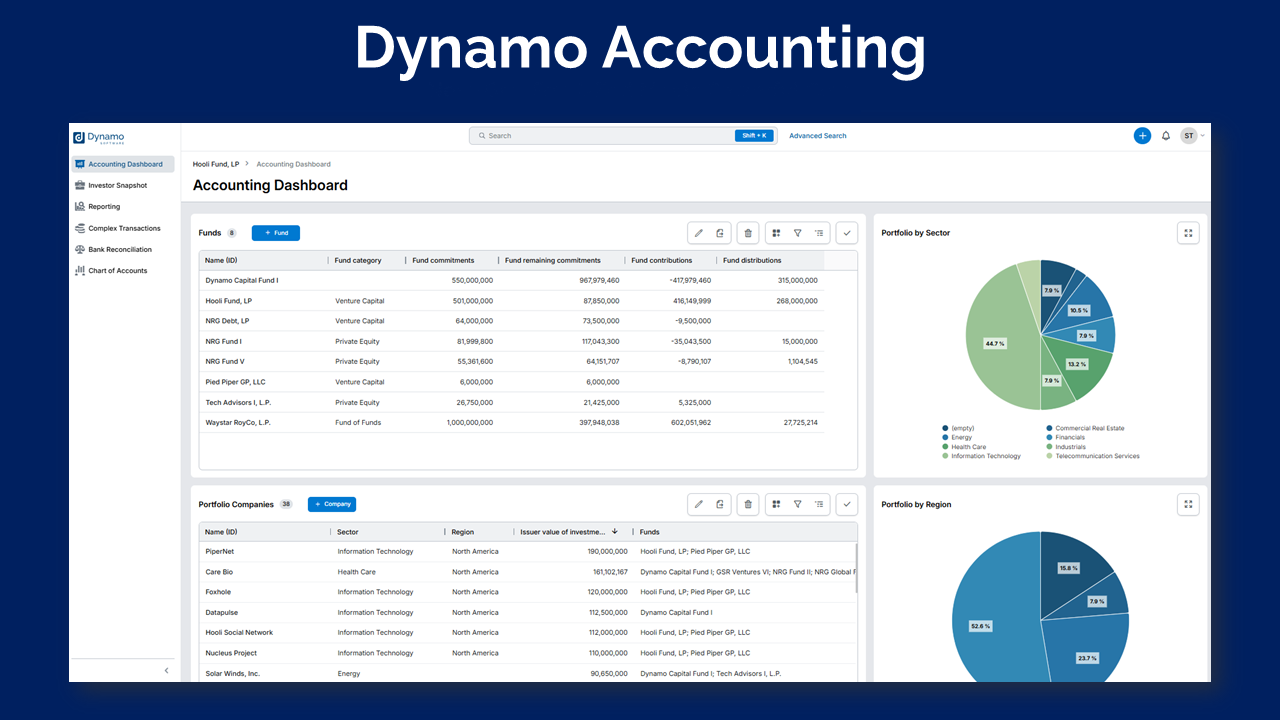
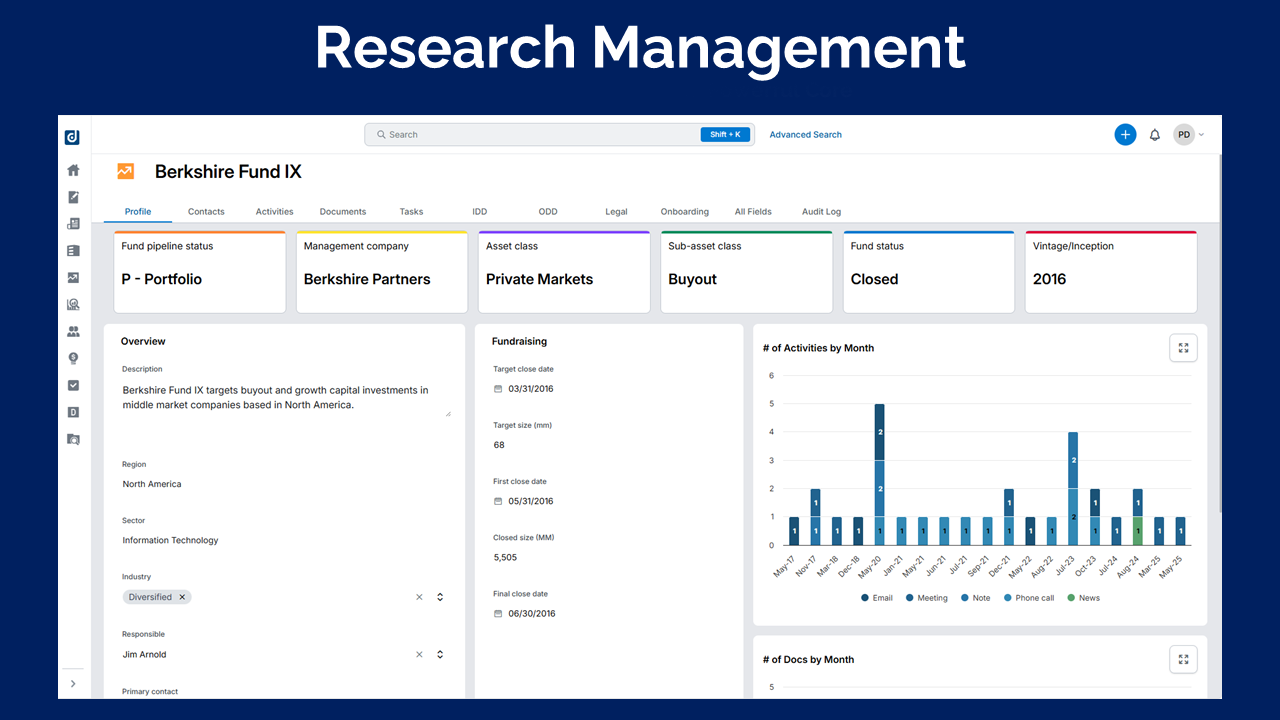
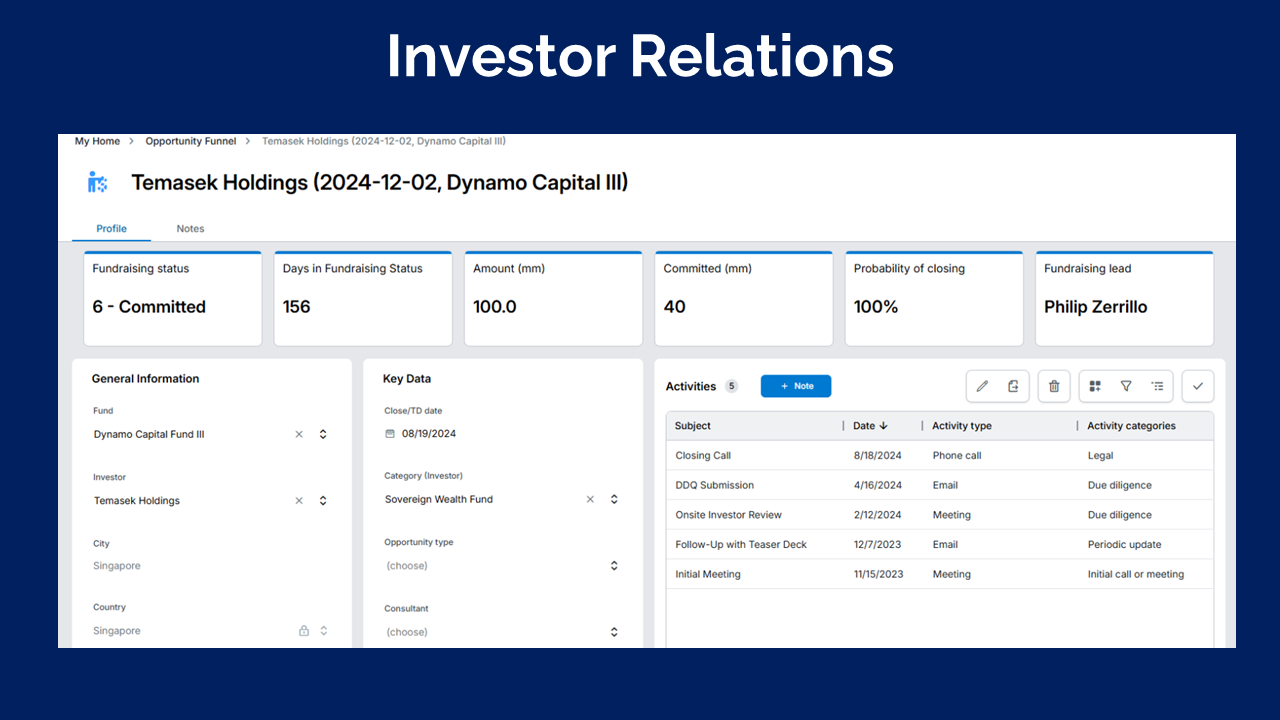
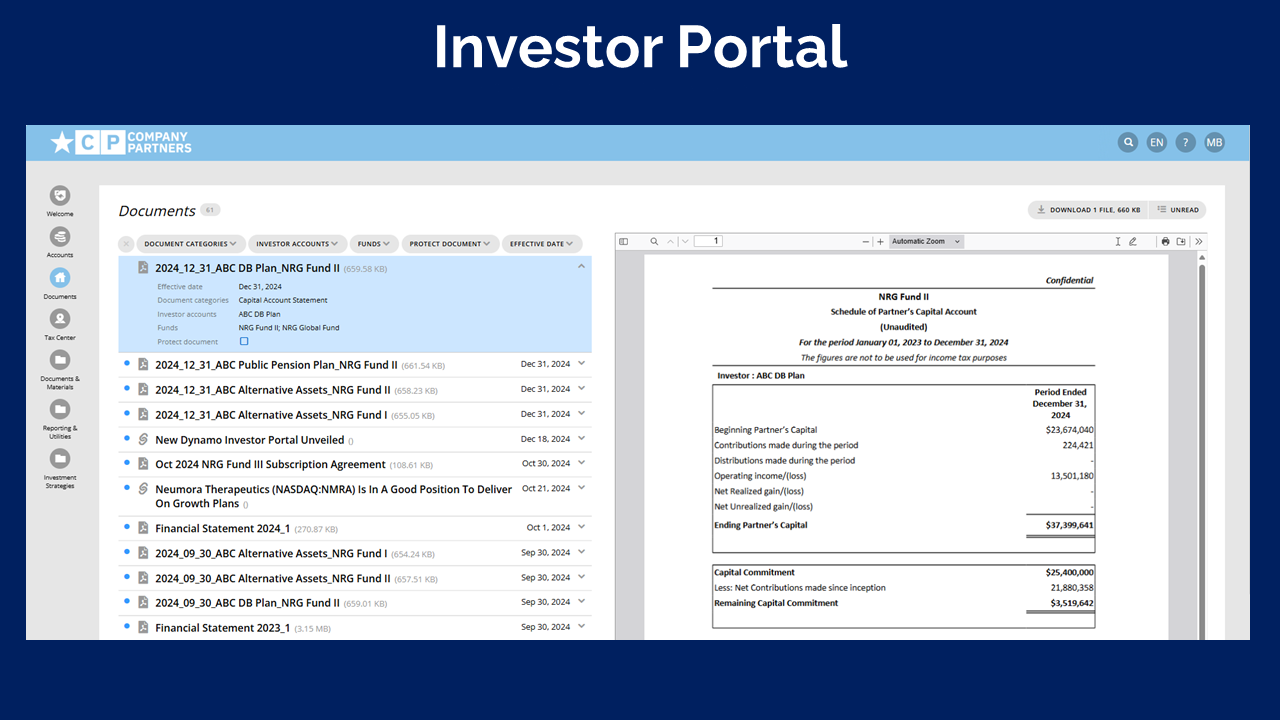
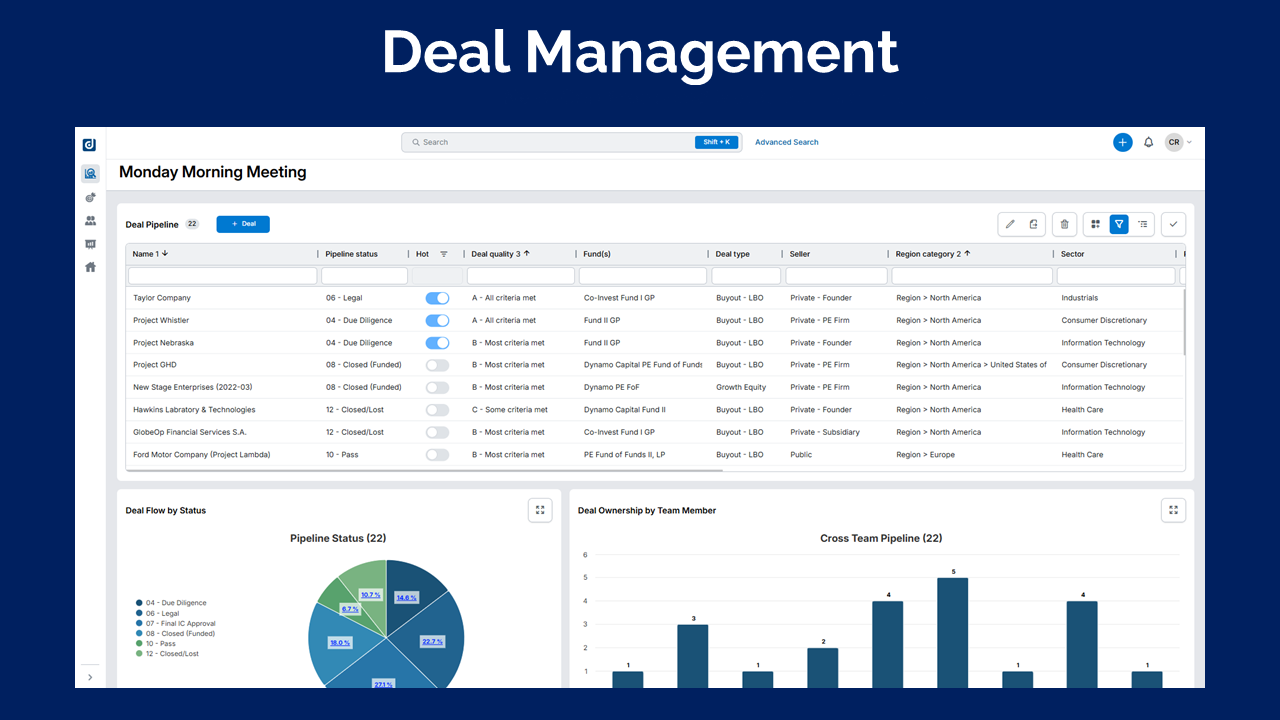
Dynamo Software is a purpose-built investment management platform that can support the entire private market investment lifecycle. It offers modules for CRM, deal management, investor relations, investor portal, portfolio monitoring, fund accounting, research management, portfolio management, and ESG reporting.
N/A
X Premium Business
Score 7.9 out of 10
N/A
X Premium Business (formerly Verified Organizations) is the enterprise-tier infrastructure for the X platform, designed to centralize brand authority, account security, and high-velocity content distribution for commercial and governmental entities.
I think to organise and view information Dynamo has shown it's capability. However, it's still not a workflow or project management tool. It's a great hub for inhaling and presenting information of magnitude, and it does so well. But there are limitations to how Dynamo can be used to allow interpersonal and teamed type collabs to happen. We know it's not an Asana and not built for that, so it's not a negative feedback, just not the appropriate platform if full fledged proj management and logistics, comms need to be housed somewhere along with the data, It's not within Dynamo for now.
TweetDeck is ideal for complex media organisations / newsrooms where you want to keep track of several users accounts, or switch between multiple user and/or title accounts. It is perfect for those who want to follow conversations in real-time via many channels, at a glance. It is also useful for those who want to schedule tweets to provide around the clock coverage even when unmanned. Now that it paid-for is less suited to smaller organisations with tight budgets.
TweetDeck is the best platform to schedule tweets - it is far better than the website itself. The process is remarkably easy and scheduling a day's worth of tweets takes no more than 10 minutes.
Tracking news is very easy on TweetDeck due to being able to create multiple columns each focusing on a different subject. Columns can be created using handles, searches, hashtags, and trends, and this makes TweetDeck a great platform as a news editor.
Some functionality is clunky: Mailing Campaigns, Passthrough Integration, Dynamo Accounting Complex Transactions. At times it seems functionality is rolled out too soon.
Onboarding of new clients for us seems a bit haphazard. We just added a new tenant with CRM, Dynamo Accounting and the Investor Portal and we weren't exactly sure what the state of the new tenant should be based on what was copied over from a prior tenant or how much Dynamo Software time or support we would have to customize the new tenant.
At times it seems Dynamo Software's terminology with relationships either isn't intuitive or is repetitive creating additional time/confusion when modifying workspaces, portal set-up, etc.
TweetDeck has an editing feature for scheduled posts only if there is no image attached. When a post with an image needs editing, users must instead delete the entire post and reschedule it with the edits needed.
TweetDeck has a real-time display, however users often need to refresh the window manually to get scheduled posts to appear in the appropriate column.
TweetDeck users can scroll side to side to view all off the types of columns selected. This functionality often leads to traveling back to a previous page unintentionally.
As I previously mentioned, if TweetDeck were to increase some features and integrations, cleaned up its interface, and developed a tool to measure ROI, it would remain competitive with HootSuite and Hubspot. Altogether, it is an effective tool for the job of scheduling and monitoring your impact on Twitter, it falls behind other competitors that offer a more robust solution.
I find it easy to use and very intuitive once you get into the weeds. We also prepared an entire policies and procedures for utilizing it efficiently and not making many human errors. This guide has helped our employees understand how to use it. In addition, the help guides on the Dynamo website are really useful
It's a pretty easy tool to use I find a few of the columns to be a bit repetitive. If you are managing more than one account you'll start to find yourself having easily 10 plus columns all tracking all different information which creates nice track lanes to keep all that relative information in one column or "view". With the amount of data that is pushed out, if you are following a large number of accounts, it's extremely easy to lose valuable posts in your feeds. As you begin building out your columns they get the point where you only look at one or two and the rest seem to be lost. Overall, this a free tool and there are other social monitoring tools that are out there but are in the multiple thousands of dollar range
TweetDeck tends to be available for use majority of the time...however, I've had times where it would get stuck in a loop and then post my Tweet multiple times.
I've never had to contact customer support. Tweetdeck has always worked like a charm for me. And, if I have had a problem, I've simply deleted the column, then recreated it and it worked again. While it's not without its glitches every once in a great while, it's worked like a charm.
Main arguments were: pricing as well as the usability. Setting up Dynamo is not difficult. Especially if you don't know what you really want. Dynamo offers out of the box views. Adjusting these is simple. Other competitiors like eFront are very customisable but need to be set up from scratch. Dynamo offered some type of canvas.
Several years ago I used the Hootsuite Free service. I found Tweetdeck to be preferable because of its user interface, and greater functionality. Moreover, I recall Hootsuite bombarding me with emails that were just irrelevant. TweetDeck just does what it does, without hassle. Its UI and functionality for multiple accounts seems to be the best I've tried.