Chose Grafana
Grafana blows Nagios out of the water when it comes to customization. The ability to feed almost any data source makes it very versatile and the cost is great.

| Product | Rating | Most Used By | Product Summary | Starting Price |
|---|---|---|---|---|
 Geckoboard | Mid-Size Companies (51-1,000 employees) | Geckoboard enables users to create real time dashboards using data from over 80 cloud services. It integrates with other products such as: AWeber, Basecamp, Campaign Monitor and HubSpot. | $35 per month | |
 Grafana | N/A | Grafana is a data visualization tool developed by Grafana Labs in New York. It is available open source, managed (Grafana Cloud), or via an enterprise edition with enhanced features. Grafana has pluggable data source model and comes bundled with support for popular time series databases like Graphite. It also has built-in support for cloud monitoring vendors like Amazon Cloudwatch, Microsoft Azure and SQL databases like MySQL. Grafana can combine data from many places into a single dashboard. | $0 | |
 Prometheus | N/A | Prometheus is a service monitoring and time series database, which is open source. | N/A |
| Geckoboard | Grafana | Prometheus | ||||||||||||||||||||||
|---|---|---|---|---|---|---|---|---|---|---|---|---|---|---|---|---|---|---|---|---|---|---|---|---|
| Editions & Modules |
|
| No answers on this topic | |||||||||||||||||||||
| Offerings |
| |||||||||||||||||||||||
| Entry-level Setup Fee | No setup fee | No setup fee | No setup fee | |||||||||||||||||||||
| Additional Details | — | — | — | |||||||||||||||||||||
| More Pricing Information | ||||||||||||||||||||||||
| Geckoboard | Grafana | Prometheus | |
|---|---|---|---|
| Considered Multiple Products |  Geckoboard No answer on this topic |  Grafana | Prometheus  Abhishek Nandi Sr. Engineer Chose Prometheus The software is very lightweight and can be hosted with minimal resource usage. Many exporters exist for various software. Prometheus has a powerful and flexible query language (PromQL) that allows analyzing your data easy. I use this software with its various exporters, …  Animesh Kumar Senior Member of Technical Staff Chose Prometheus We considered TICK stack as an alternative to our Prometheus/Grafana setup that we have for capturing, storing and visualizing the time series data. But it seemed more complicated to learn and required a separate DB called InfluxDB to be setup. So, after all these considerations, …  Joshua Li System Integration And Test Engineer Chose Prometheus Prometheus is great for quantifiable metrics. Loki is intended for log aggregation. Depending on project a different combination of data source types may be needed. However, quantifiable metrics are predominantly supported by Prometheus. Other data sources like elastic search … |
| Geckoboard | Grafana | Prometheus | |||||||||||||||||||||||||||
|---|---|---|---|---|---|---|---|---|---|---|---|---|---|---|---|---|---|---|---|---|---|---|---|---|---|---|---|---|---|
| BI Standard Reporting |
| ||||||||||||||||||||||||||||
| Ad-hoc Reporting |
| ||||||||||||||||||||||||||||
| Report Output and Scheduling |
| ||||||||||||||||||||||||||||
| Data Discovery and Visualization |
| ||||||||||||||||||||||||||||
| Access Control and Security |
| ||||||||||||||||||||||||||||
| Mobile Capabilities |
| ||||||||||||||||||||||||||||
| Application Program Interfaces (APIs) / Embedding |
|
| Geckoboard | Grafana | Prometheus | |
|---|---|---|---|
| Small Businesses |  Yellowfin Score 8.7 out of 10 |  Supermetrics Score 9.7 out of 10 |  InfluxDB Score 8.8 out of 10 |
| Medium-sized Companies |  Reveal Score 10.0 out of 10 | Supermetrics Score 9.7 out of 10 | No answers on this topic |
| Enterprises |  Kyvos Semantic Layer Score 9.5 out of 10 |  IBM Analytics Engine Score 7.1 out of 10 | No answers on this topic |
| All Alternatives | View all alternatives | View all alternatives | View all alternatives |
| Geckoboard | Grafana | Prometheus | |
|---|---|---|---|
| Likelihood to Recommend | 9.0 (6 ratings) | 9.4 (7 ratings) | 7.7 (35 ratings) |
| Likelihood to Renew | 8.0 (1 ratings) | - (0 ratings) | - (0 ratings) |
| Usability | 9.0 (1 ratings) | 9.6 (3 ratings) | 6.8 (3 ratings) |
| Support Rating | 8.0 (1 ratings) | - (0 ratings) | 5.0 (1 ratings) |
| Geckoboard | Grafana | Prometheus | |
|---|---|---|---|
| Likelihood to Recommend | Geckoboard
| Grafana Labs
| Open Source
 Mauricio Lozada System Engineer |
| Pros | Geckoboard
| Grafana Labs
| Open Source
|
| Cons | Geckoboard
 Brett Raven Chief Technology Officer | Grafana Labs
 ANurag Tamrakar Software Engineer - DevOps | Open Source
|
| Likelihood to Renew | Geckoboard
 Jordan Zwick Business Analyst (Business Development/Market Valuation) | Grafana Labs No answers on this topic | Open Source No answers on this topic |
| Usability | Geckoboard
| Grafana Labs
| Open Source
Animesh Kumar Senior Member of Technical Staff |
| Support Rating | Geckoboard
| Grafana Labs No answers on this topic | Open Source
|
| Alternatives Considered | Geckoboard
 Taylor Hansen Support Team Manager | Grafana Labs
| Open Source
|
| Return on Investment | Geckoboard
| Grafana Labs
| Open Source
|
| ScreenShots | Geckoboard Screenshots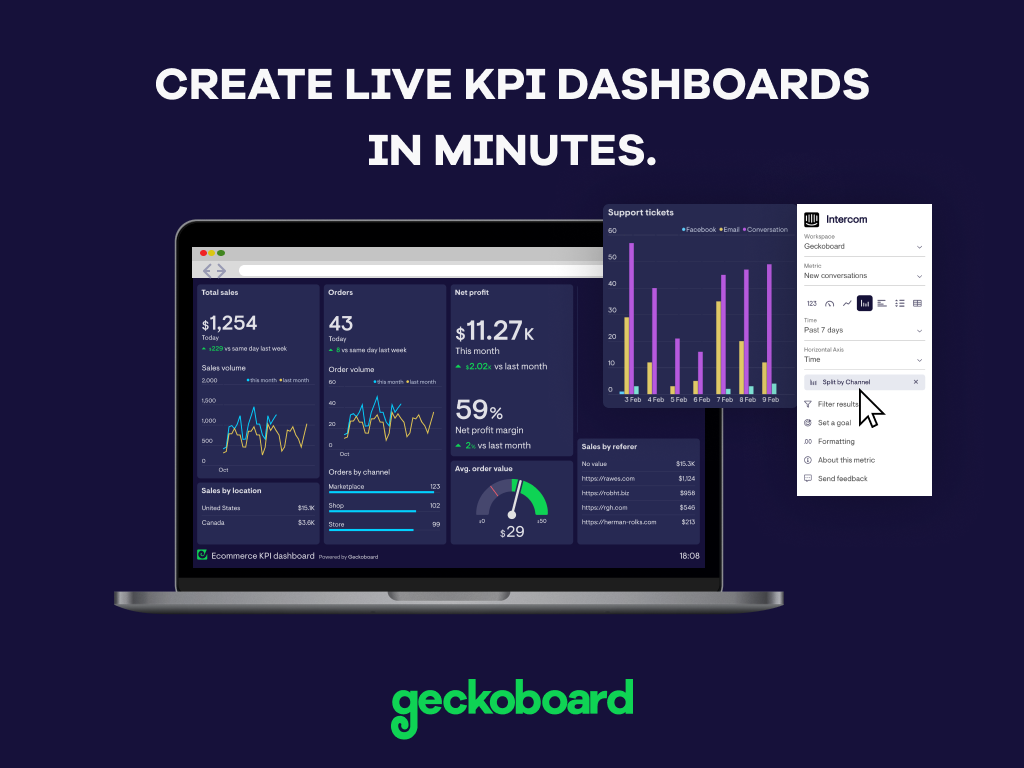     |