
IBM Digital Commerce vs. Spryker Cloud Commerce OS
| Product | Rating | Most Used By | Product Summary | Starting Price |
|---|---|---|---|---|
 IBM Digital Commerce | Score9 out of 10 | N/A | IBM Digital Commerce is an e-commerce platform that is designed to deliver omni-channel shopping experiences, including mobile, social, and in-store. In June 2019, IBM Digital Commerce was acquired by HCL Technologies. | N/A |
 Spryker Cloud Commerce OS | Score6.4 out of 10 | N/A | Spryker Cloud Commerce OS is a modular Commerce System that enables B2B, B2C, and Marketplace business models through any customer interface, touchpoint, and device. Boasting extensibility, best-in-class performance, and fast time-to-market, the vendor states Spryker is trusted by brands such as TOYOTA, HILTI, and TomTailor. The Spryker Cloud Commerce OS NOW version has been specifically developed for manufacturers and brands who want to reach customers directly online. | $900,000 12 month contract |
| IBM Digital Commerce | Spryker Cloud Commerce OS | |||||||||||||||
|---|---|---|---|---|---|---|---|---|---|---|---|---|---|---|---|---|
| Editions & Modules | No answers on this topic |
| ||||||||||||||
| Offerings |
| |||||||||||||||
| Entry-level Setup Fee | No setup fee | Required | ||||||||||||||
| Additional Details | — | Pricing is based on the duration and terms of your contract with the vendor. This entitles you to a specified quantity of use for the contract duration. If you choose not to renew or replace your contract before it ends, access to these entitlements will expire. | ||||||||||||||
| More Pricing Information | ||||||||||||||||
| IBM Digital Commerce | Spryker Cloud Commerce OS | |
|---|---|---|
| Considered Both Products | No answer on this topic | No answer on this topic |
| Key User Insights | ||
| Would buy again | ||
No answers on this topic | 99% Would buy again 68 Answers | |
| Delivers good value for the price | ||
No answers on this topic | 100% Delivers good value for the price 65 Answers | |
| Happy with the feature set | ||
No answers on this topic | 96% Happy with the feature set 66 Answers | |
| Lived up to sales and marketing promises | ||
No answers on this topic | 98% Lived up to sales and marketing promises 45 Answers | |
| Implementation went as expected | ||
No answers on this topic | 94% Implementation went as expected 61 Answers | |
| IBM Digital Commerce | Spryker Cloud Commerce OS | |||||||||||||||||||||||||||||||
|---|---|---|---|---|---|---|---|---|---|---|---|---|---|---|---|---|---|---|---|---|---|---|---|---|---|---|---|---|---|---|---|---|
| Online Storefront |
| |||||||||||||||||||||||||||||||
| Online Shopping Cart |
| |||||||||||||||||||||||||||||||
| Online Payment System |
| |||||||||||||||||||||||||||||||
| eCommerce Marketing |
| |||||||||||||||||||||||||||||||
| eCommerce Business Management |
| |||||||||||||||||||||||||||||||
| IBM Digital Commerce | Spryker Cloud Commerce OS | |
|---|---|---|
| Small Businesses |  Ecwid by Lightspeed Score10 out of 10 | Ecwid by Lightspeed Score10 out of 10 |
| Medium-sized Companies |  Shopify Score8.7 out of 10 | Shopify Score8.7 out of 10 |
| Enterprises |  Adobe Commerce Score8.1 out of 10 | IBM Digital Commerce Score9 out of 10 |
| All Alternatives | View all alternatives | View all alternatives |
| IBM Digital Commerce | Spryker Cloud Commerce OS | |
|---|---|---|
| Likelihood to Recommend | 9.0 | 8.2 |
| Likelihood to Renew | 8.0 | - |
| Usability | - | 6.0 |
| Support Rating | 8.0 | 5.9 |
| IBM Digital Commerce | Spryker Cloud Commerce OS | |
|---|---|---|
| Likelihood to Recommend |
|
|
| Pros |
|
|
| Cons |
|
|
| Likelihood to Renew |
| No answers on this topic |
| Usability | No answers on this topic |
|
| Support Rating | No answers on this topic |
|
| Alternatives Considered |
|
|
| Return on Investment |
|
|
| ScreenShots | Spryker Cloud Commerce OS Screenshots 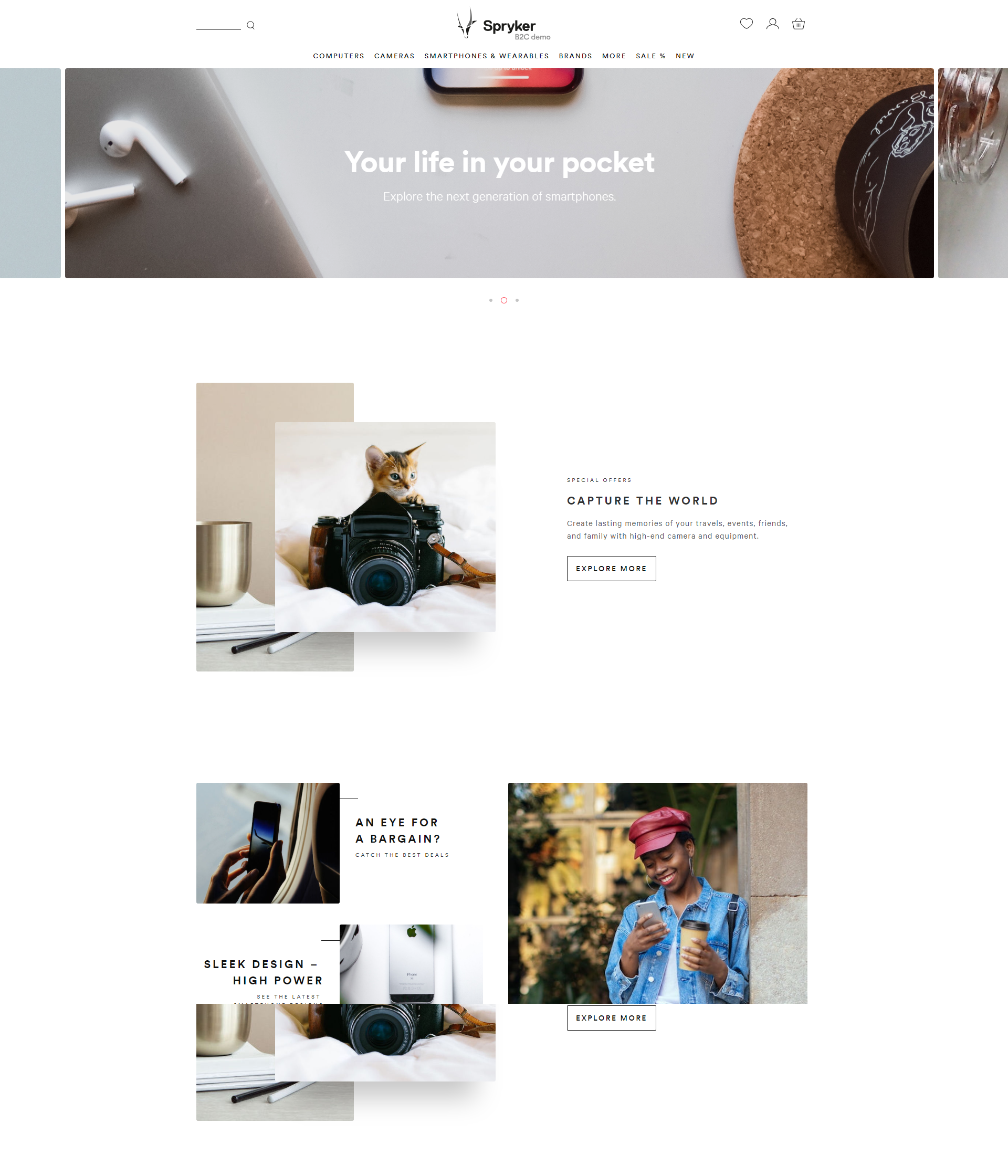  |



