KeePass is an open source password manager which secures passwords in a database locked with a master password or key file.
N/A
Keeper
Score 8.1 out of 10
N/A
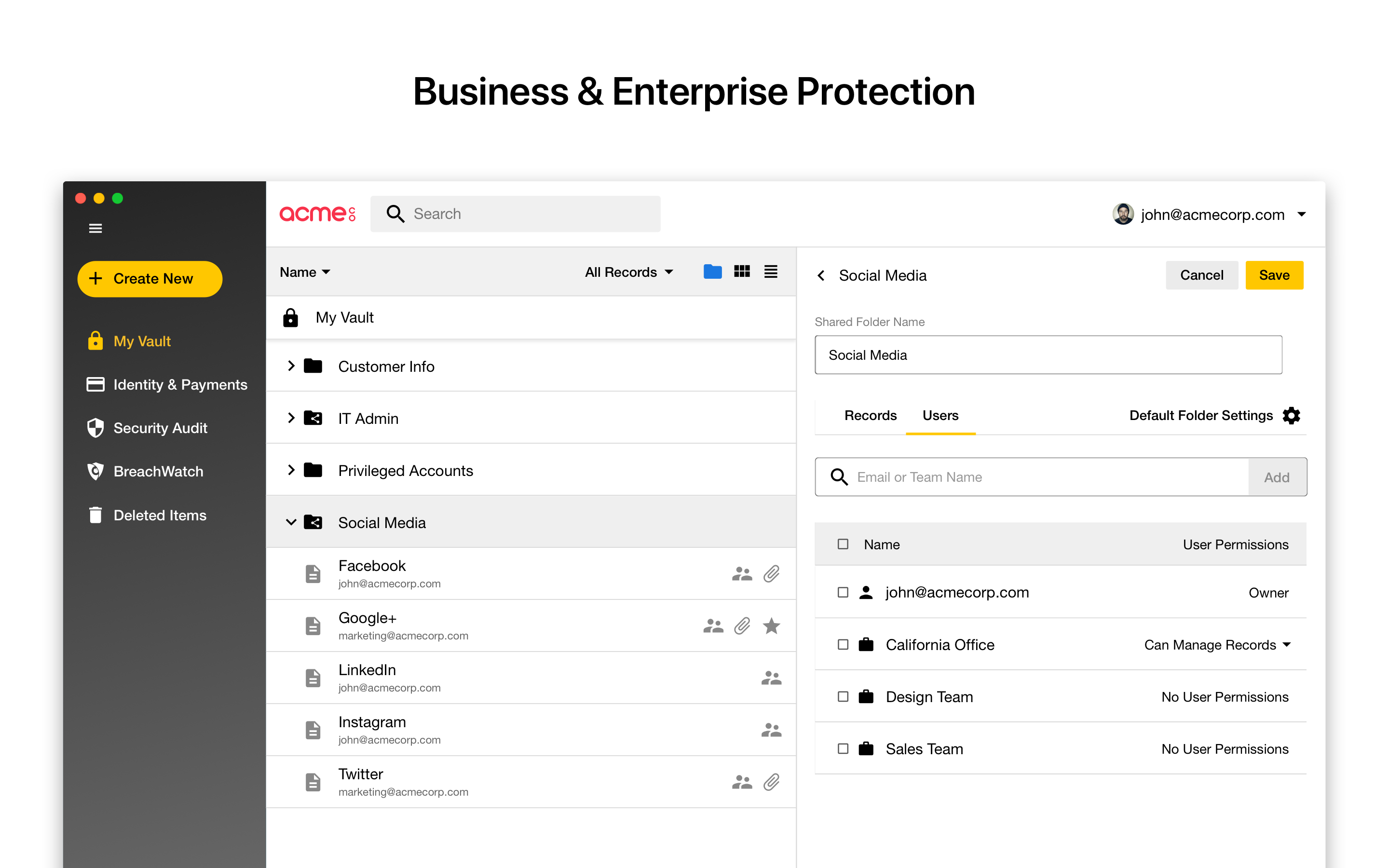
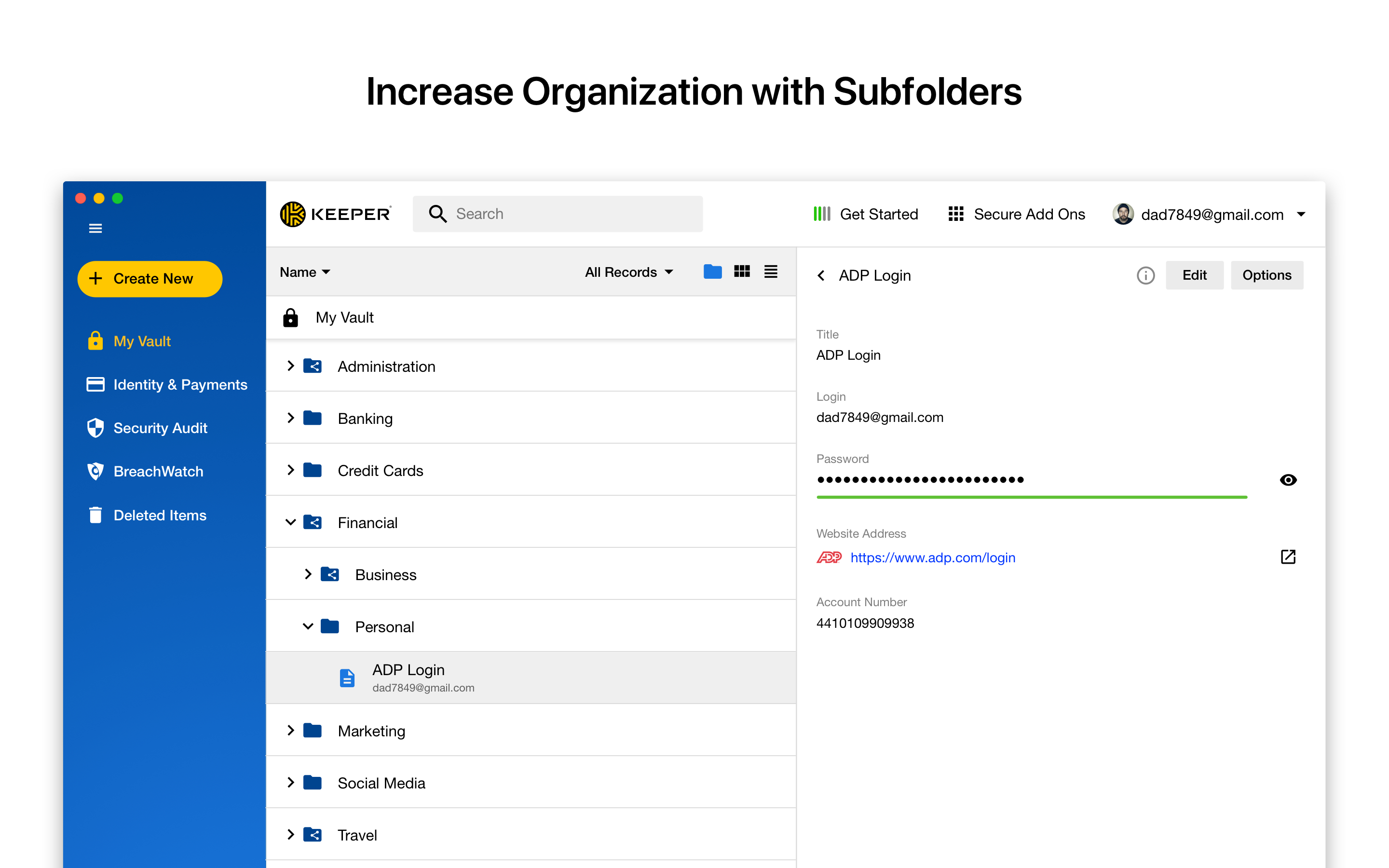
Keeper's password security and management platform boasts millions of people and thousands of businesses as users, who manage, secure and enforce strong passwords across all employee logins, applications and sites. Employees can access Keeper natively on all mobile operating systems, desktops and browsers. Keeper enables businesses to auto-generate high-strength passwords, protect sensitive files in an encrypted digital vault, securely share records with teams and integrate with SSO, LDAP and…
$2
per month per user
Oracle ESSO
Score 10.0 out of 10
N/A
Oracle Enterprise Single Sign-On is a single sign-on (SSO) solution, originally named Passlogix and owned and supported by Oracle since 2010.
[KeePass] works extremely well for personal work passwords and personal-use passwords for home. It allows users to remember 1 single complex password in order to gain access to the entire database of passwords. It doesn't work so well if you want to sync passwords to multiple devices such as your computer or phone. It can be done, but it's not simple.
I can only think of scenarios where Keeper is well-suited, in my experience. I work in small business (i.e., sole proprietor, 1 employee) environments and Keeper is well-suited to my needs. I imagine it would also be well-suited to multi-user environments, but would require a great deal more management and organization in such environments.
This tool is essentially a hack, making the user experience pretty weak. For example, we use it in an application which has a box to type your password. Every time you enter some data, ESSO steals the focus and types your password into the box, even if you aren't about to submit the form requiring the password.
This tool creates a 2nd CN in the directory and this broke some of our applications which were only expecting a single CN per user in the directory. Why can't it use a traditional database instead?
This tool caused performance issues with Putty. It would peg our CPUs at 100% if the user had Putty running. It took a very long time to resolve the issue.
My very good experience in the past 15 years of usage of KeePass makes it easy to decide for a renewal of this friendship. I was never disappointed and KeePass always meets my expectations. The software runs stable and if there should be a software error, it will be fixed in no time. This is customer satisfaction.
KeePass is easy to use and requires no prior training using it. I would rate KeePass a score 9 out of 10. It stands out in managing credentials securely and efficiently. No other similar app performs its core function as well, making KeePass an essential tool for password management and security.
It's just easy to use, plain and simple. It has the complexity and user-interface that gives you confidence in its build but the ease-of-use that keep things from getting too complicated. A huge plus when you have to onboard new members of the team or summer interns when you need them to step in and make orders on your behalf.
I have almost never had to contact support. This product has a wide community, a very expansive documentation/forum site where generally any question/issue already has an answer/fix or explanation/workaround, or plans for improvement in a future version. On the occasions that I have reached out, answers were fairly quick, useful, and respectful.
KeePass is free and compatible with all the devices you or your customers and it has a lot of different uses. Is not only a password manager like Norton safe password or the avast's one. Like the password managers of the browsers, no, with KeePass every customer can find a useful way to share and keep secure I formations
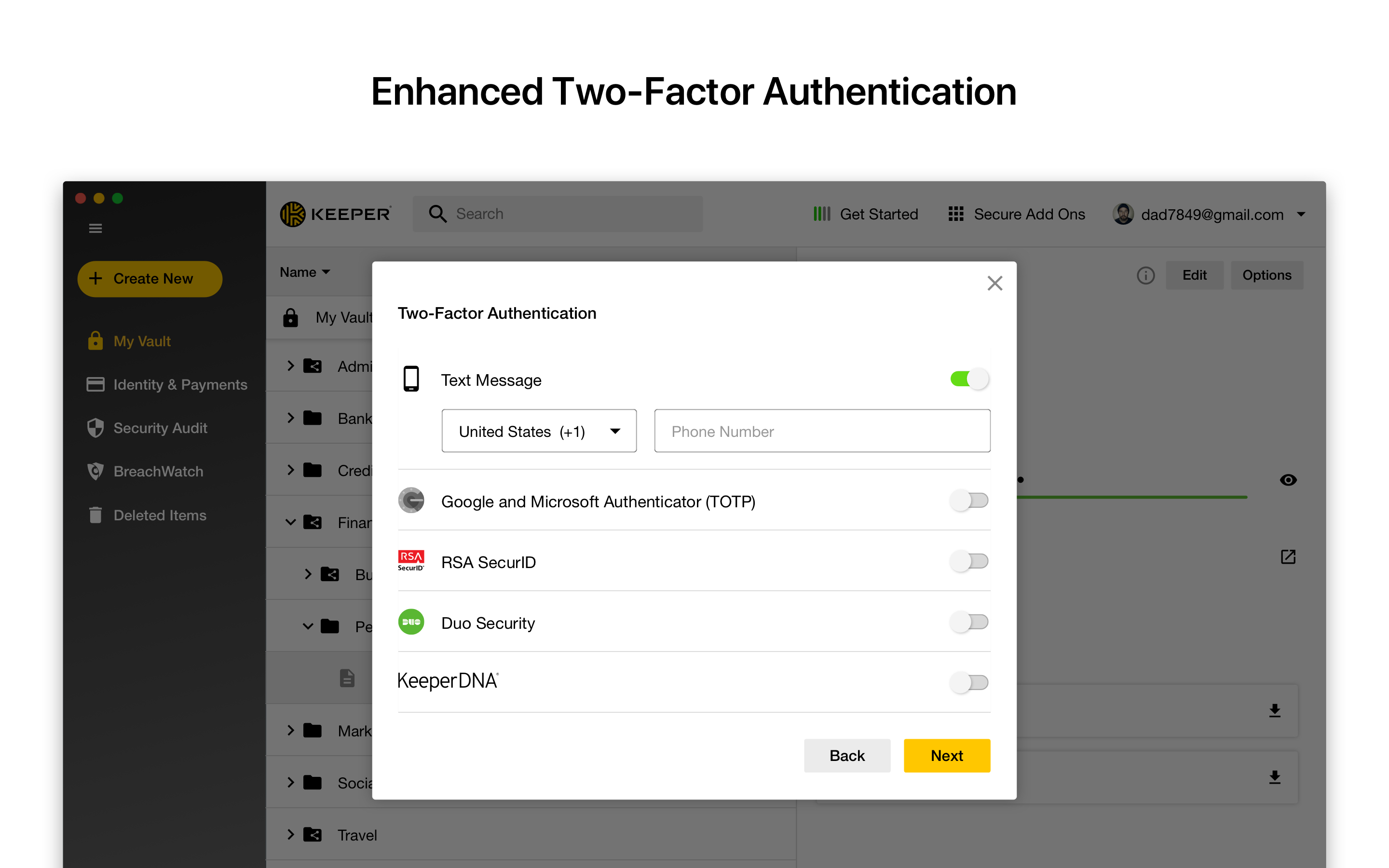
I have used the Apple cloud, but if you forget your password into that, once again, you’re at the mercy of calling customer service. With Keeper, you can use the thumbprint option to log on, and there’s any of your needed passwords. It’s fast and simple, and you don’t have to wait online to unlock the app you’ve locked yourself out of.
There's no substitute for properly developed applications that delegate authentication to an external system like Active Directory or a cloud identity provider. That way, the issues with screen scraping and constantly-breaking integration are solved permanently.
The spreadsheets and printed papers being passed around the office with passwords on them have gone! This is a huge security hole plugged.
Users actively use the software which says something - it is easy to use and intuitive. When software is not intuitive, it tends to not get used.
It gives IT control over who does what with passwords, and while difficult to quantify it is certainly a dramatically positive impact on the organization.
We spent a lot of time implementing it on different applications. However, because it uses screen scraping, every time our apps upgraded, it broke the integration with ESSO, so we had to keep fixing the integration. After a few years, we have stopped integrating new apps with it due to this headache.