PhishER is presented as a lightweight Security Orchestration, Automation and Response (SOAR) platform to orchestrate threat response and manage the high volume of potentially malicious email messages reported by users. And, with automatic prioritization of emails, PhishER helps InfoSec and Security Operations team cut through the inbox noise and respond to the most dangerous threats more quickly.
$1.15
per seat
Microsoft Defender for Endpoint
Score8.8 out of 10
N/A
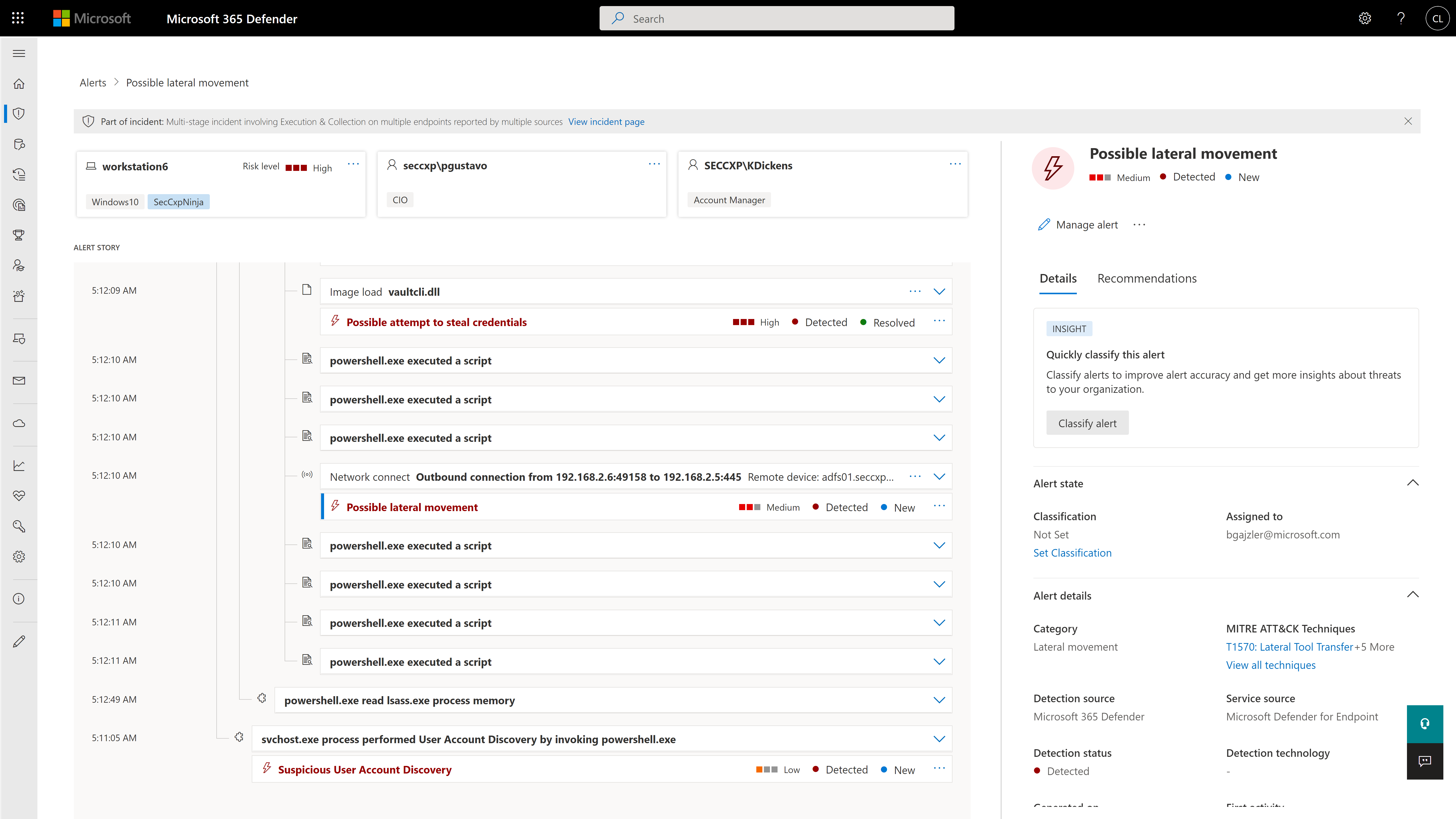
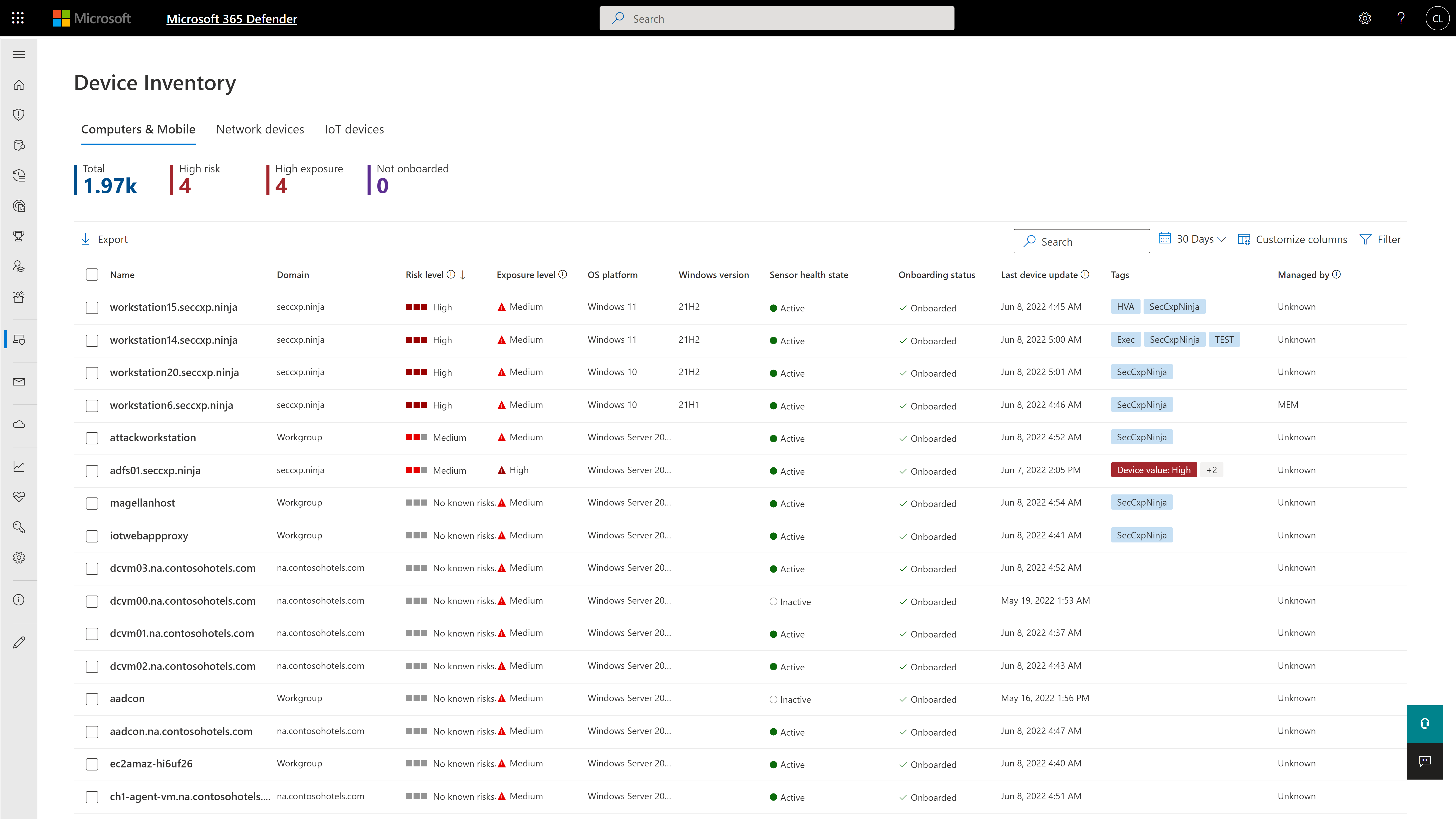
Microsoft Defender for Endpoint (formerly Microsoft Defender ATP) is a holistic, cloud delivered endpoint security solution that includes risk-based vulnerability management and assessment, attack surface reduction, behavioral based and cloud-powered next generation protection, endpoint detection and response (EDR), automatic investigation and remediation, managed hunting services, rich APIs, and unified security management.
$2.50
per user/per month
Pricing
KnowBe4 PhishER/PhishER Plus
Microsoft Defender for Endpoint
Editions & Modules
501-1000 Monthly Pricing 3 Year
$1.15
per seat
101-500 Monthly Pricing 3 Year
$1.50
per seat
Academic
$2.50
per user/per month
Standalone
$5.20
per user/per month
Offerings
Pricing Offerings
KnowBe4 PhishER/PhishER Plus
Microsoft Defender for Endpoint
Free Trial
No
Yes
Free/Freemium Version
No
No
Premium Consulting/Integration Services
No
No
Entry-level Setup Fee
No setup fee
No setup fee
Additional Details
For organizations with over 1,000 seats, contact sales for a quote.
Microsoft's backed in email reporting tool is good but the time to resolution varies for all messages. It claims that it will help train filters to better classify messages into the tenant, but we have not seen much of that.
Barracuda offered a similar product to PhishER but …
A de minimis incentive was given to thank the reviewer for their time. The incentive was not used to bias or drive a particular response, nor was the incentive contingent on a positive endorsement. More Info
From an MSP perspective, it’s easier to sell products that provide cybersecurity protections if it’s all in one bundle. If you start providing 5 different email security products (even with the same vendor), it becomes confusing to non-technical individuals. They need a single package that doesn’t break the bank. Other products like Ironscales do that by providing an “all-in-one” package, essentially. And for a much less expensive price. I believe if you included all the features of anti-phishing, account takeover protection, and security awareness training, it would be close to $8/person each month. Competitors offer rates closer to $2/user, which include all those features and sometimes more.
A de minimis incentive was given to thank the reviewer for their time. The incentive was not used to bias or drive a particular response, nor was the incentive contingent on a positive endorsement. TR verified that a representative sample of customers was invited. More Info
If you have multiple endpoints in your environment, if you're looking to understand what your environment looks like, if you're trying to identify the health of your environment, or identify any risks or vulnerabilities in your environment pertaining to your endpoints and devices.
A de minimis incentive was given to thank the reviewer for their time. The incentive was not used to bias or drive a particular response, nor was the incentive contingent on a positive endorsement. TR verified that a representative sample of customers was invited. More Info
KnowBe4's Phish Alert Button effectively collects all reported emails from end-users in one place.
The PhishML feature of PhishER effectively auto-scan reported emails using machine learning technologies, providing a tag for each email based on its body content and other aspects.
The PhishRIP feature works well by allowing the security team to create a query and quarantine all relevant emails from the end user's email system.
A de minimis incentive was given to thank the reviewer for their time. The incentive was not used to bias or drive a particular response, nor was the incentive contingent on a positive endorsement. More Info
The big thing for us is on endpoint, it kind of integrates with everything else that we already have because we use Microsoft completely. And so that helps us with being able to integrate, and send things over to Azure Sentinel as we need to as well.
A de minimis incentive was given to thank the reviewer for their time. The incentive was not used to bias or drive a particular response, nor was the incentive contingent on a positive endorsement. More Info
PhishRIP info tabs (i.e. if improperly check ripped emails are turned into tests. This has caused issues.) Info tabs or markers allow user to hover and get more information about what action a check box or slider provides.
A de minimis incentive was given to thank the reviewer for their time. The incentive was not used to bias or drive a particular response, nor was the incentive contingent on a positive endorsement. More Info
I'd say building out summaries and log reviews for analysts reviewing incidents. So, pivoting from the alerts themselves to actually getting the detail underneath. Trying to understand what caused an alert, where they went from there, et cetera, et cetera. And then trying to get into deeper log review to take that investigation further can be a pain point.
A de minimis incentive was given to thank the reviewer for their time. The incentive was not used to bias or drive a particular response, nor was the incentive contingent on a positive endorsement. More Info
When we first discovered that KnowBe4 released something like this, we saw a demo of it and were floored at what it could do and how it could help us from a security standpoint. Gone are the days of us in IT sending out a mass email saying please don't click on anything in the email from sender "X", and it allows us to quietly and easily ensure that people don't take any action on malicious emails.
A de minimis incentive was given to thank the reviewer for their time. The incentive was not used to bias or drive a particular response, nor was the incentive contingent on a positive endorsement. More Info
Cost add-ons for Security features is nickel and diming the process to keep pace with cybercrime. Limited Education budgets require us to be more pro-active in finding cost-effective measures to protect our devices, staff and students. Defender is a strong, well-featured product that is pricing itself out of the education market
A de minimis incentive was given to thank the reviewer for their time. The incentive was not used to bias or drive a particular response, nor was the incentive contingent on a positive endorsement. TR verified that a representative sample of customers was invited. More Info
It has been super easy for users to work with training and quizzes. Admin is a little difficult because you have to build the specific campaign type you want. But you can even create your own training and upload it to your LMS. This is great!!
A de minimis incentive was given to thank the reviewer for their time. The incentive was not used to bias or drive a particular response, nor was the incentive contingent on a positive endorsement. TR verified that a representative sample of customers was invited. More Info
Because it's hard to find things sometimes. I can find things now because I know where they are. But you have to work with it a little while to figure out how. I'd basically say it was a security tool designed by developers. So you have to get that mindset to find things. So a new hire, a new person in the SOC would have a difficult time. I know that's sitting in here, or that screen is in here somewhere. So it's gotten better.
A de minimis incentive was given to thank the reviewer for their time. The incentive was not used to bias or drive a particular response, nor was the incentive contingent on a positive endorsement. More Info
Microsoft Defender for Endpoint chugs along just fine no matter what we throw at it and what systems it's running on. It doesn't take up a lot of resources either, so that's welcomed.
A de minimis incentive was given to thank the reviewer for their time. The incentive was not used to bias or drive a particular response, nor was the incentive contingent on a positive endorsement. More Info
A de minimis incentive was given to thank the reviewer for their time. The incentive was not used to bias or drive a particular response, nor was the incentive contingent on a positive endorsement. More Info
When I have a question, their were fast to respond. The downside is a that at least once I had to work through the issue with the person assigned to help me because they didn't know the answer. That said they did try and were patient. However they should have known the answer on integration.
A de minimis incentive was given to thank the reviewer for their time. The incentive was not used to bias or drive a particular response, nor was the incentive contingent on a positive endorsement. More Info
The first time I tried to onboard my macOS endpoints to MDE I struggled for quite a bit. I had to reach out to Microsoft's MDE support team. The tech was very helpful in walking me through the steps during a screen share session
A de minimis incentive was given to thank the reviewer for their time. The incentive was not used to bias or drive a particular response, nor was the incentive contingent on a positive endorsement. More Info
A de minimis incentive was given to thank the reviewer for their time. The incentive was not used to bias or drive a particular response, nor was the incentive contingent on a positive endorsement. More Info
Deployment was handled by our team here and everything went pretty smoothly. We did have a few hiccups in our test group, but that only took a bit to get ironed out.
A de minimis incentive was given to thank the reviewer for their time. The incentive was not used to bias or drive a particular response, nor was the incentive contingent on a positive endorsement. More Info
We evaluated the Titan options because we have already used their DNS filtering product. However, KnowBe4 came in with a better price per user and a significantly stronger product lineup, particularly with its security awareness training component.
A de minimis incentive was given to thank the reviewer for their time. The incentive was not used to bias or drive a particular response, nor was the incentive contingent on a positive endorsement. More Info
Particularly, we're evaluating Symantec Endpoint Protection, the commercial version. We've looked at eSet, a couple of the others, and it's much too heavy or difficult to manage, things like that. Ease of use, ease of integration. It's already there. It's super easy to update it with the regular OS updates and everything. So we can manage it whether we're using SCCM or Intune or Dato, it's very easy to deploy updates and manage things.
A de minimis incentive was given to thank the reviewer for their time. The incentive was not used to bias or drive a particular response, nor was the incentive contingent on a positive endorsement. More Info
A de minimis incentive was given to thank the reviewer for their time. The incentive was not used to bias or drive a particular response, nor was the incentive contingent on a positive endorsement. More Info
There has been a 700% increase in emails being reported now. Previously, staff were only reporting 4 emails a month. It is easier for us to promote the phish alert button, receive automated remediation and rapidly respond.
We had no reports on the amount of phishing emails were coming through Mimecast but now we have reports for the board of trustees.
Every Wednesday we talk about cyber security to all staff, PhishER allows us to point out the trend and what to look out for which raises awareness. Never before were we able to talk about cyber security like this.
A de minimis incentive was given to thank the reviewer for their time. The incentive was not used to bias or drive a particular response, nor was the incentive contingent on a positive endorsement. More Info
I think the positive impact overall is that we do a lot of sitting in front of assessors- federal assessors, government assessors. And it really comes down to when the assessor has to think about another product that you're bringing in that's not Microsoft, it creates a lot of confusion, more paperwork, more explanation. But the positive impact is that they know it, everybody kind of knows Microsoft. And so when you tell them you have this endpoint for Microsoft Defender for Endpoint, they're like, okay. The questions go away, and it makes the overhead a lot less during an assessment.
A de minimis incentive was given to thank the reviewer for their time. The incentive was not used to bias or drive a particular response, nor was the incentive contingent on a positive endorsement. More Info