Planhat is a post-sale customer platform designed for enterprise B2B organizations to aggregate customer data, automate lifecycle workflows, and monitor account health. As a dedicated Customer Success platform, it evaluates product usage telemetry, communication logs, and financial metrics to proactively manage customer health and support value realization.
N/A
Strikedeck (discontinued)
Score4.3 out of 10
Mid-Size Companies (51-1,000 employees)
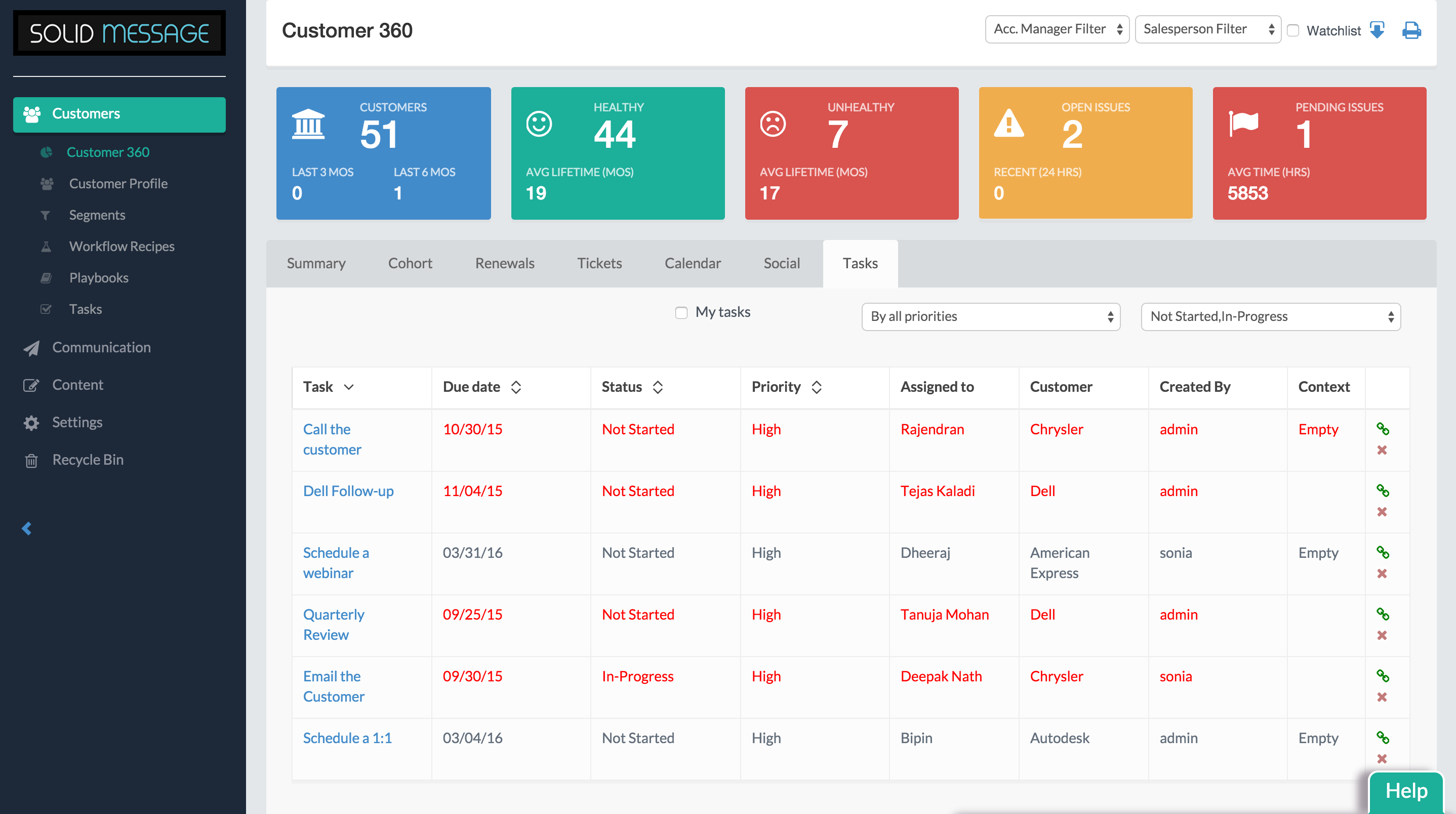
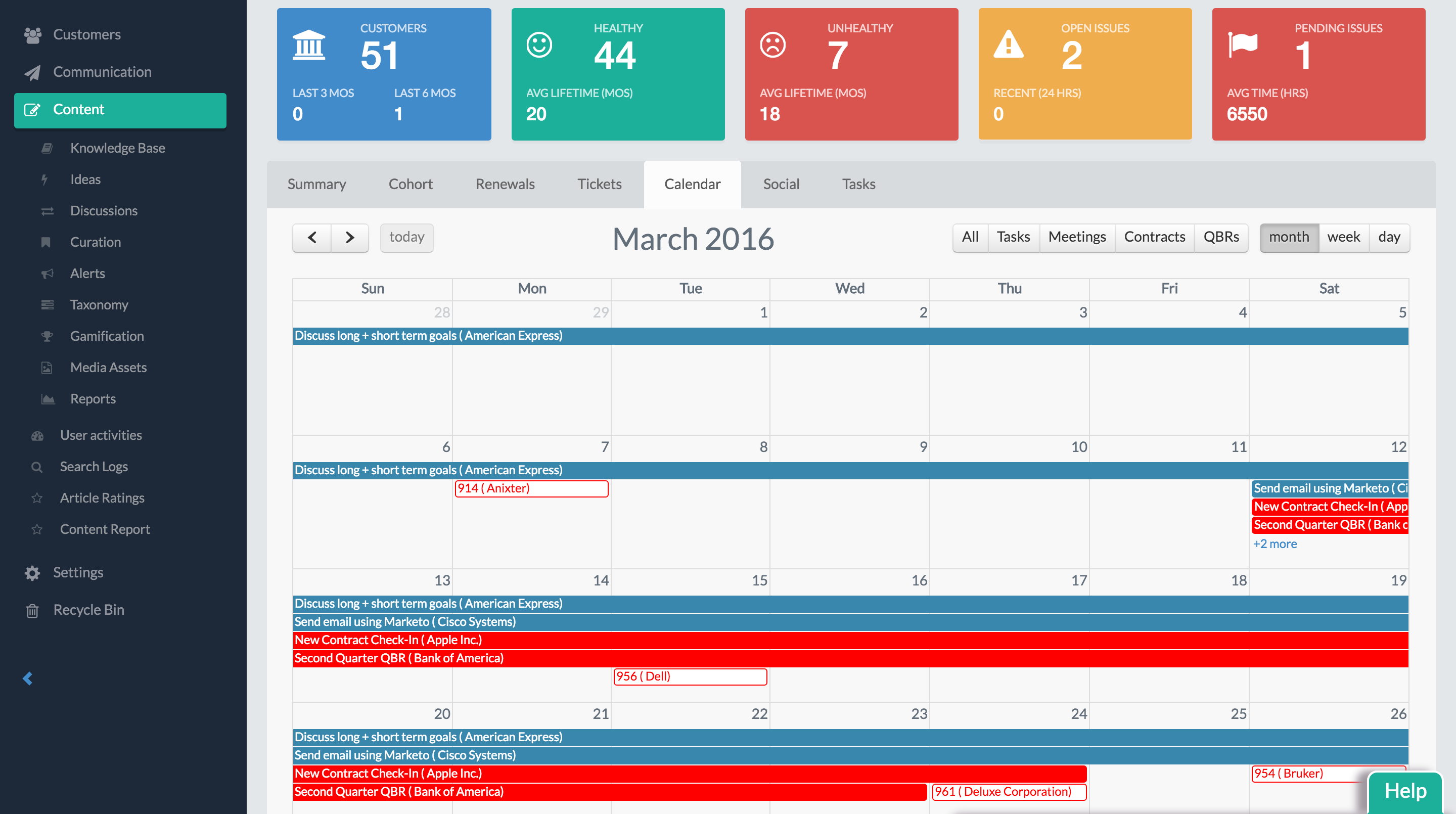
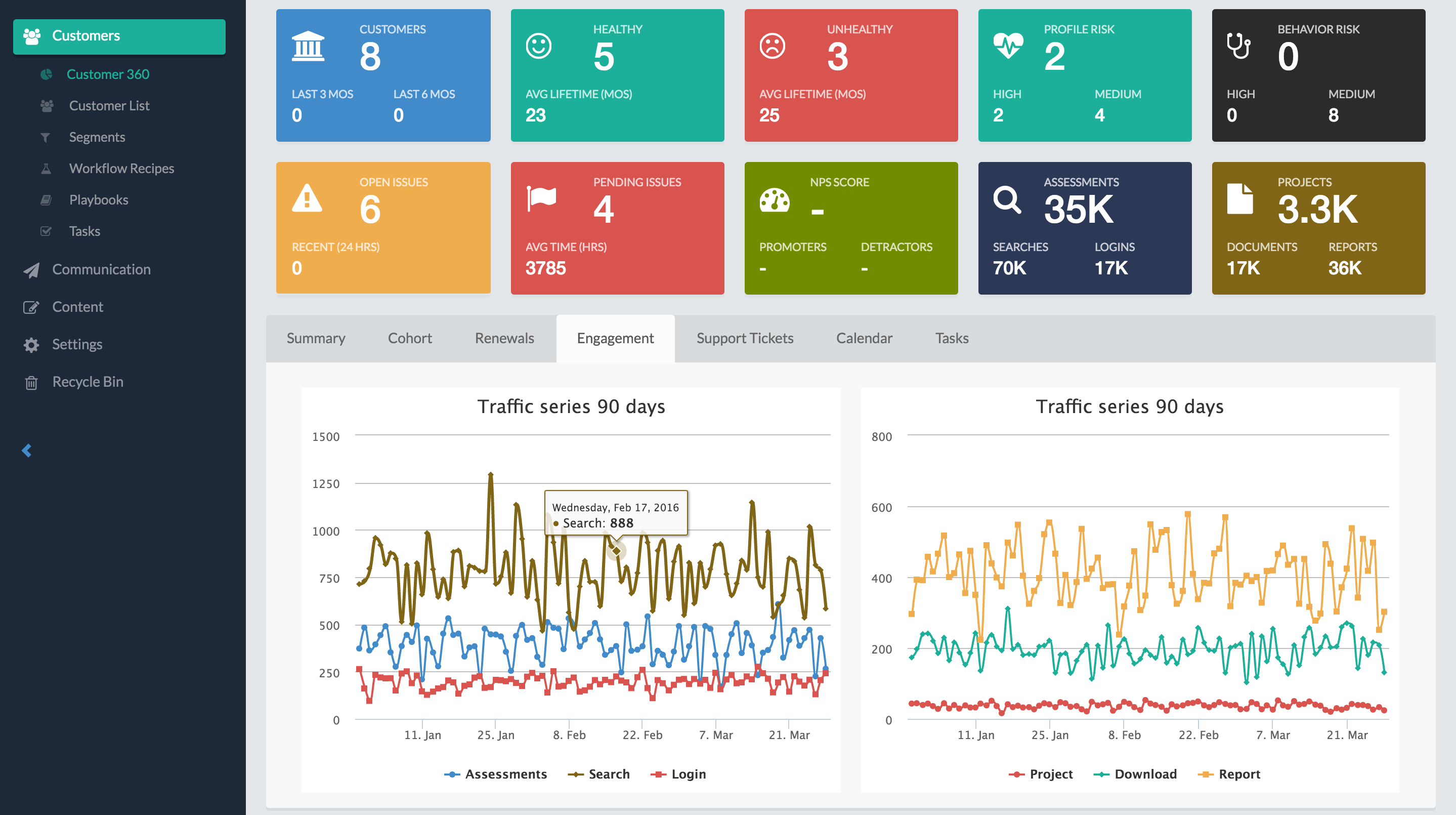
Strikedeck was a SaaS platform for Customer Success used to enable more efficiency in planning renewals, identifying upsell/cross-sell opportunities, and monitoring customer health, with out of the box playbooks and workflows for common events in the customer lifecycle. The platform was acquired by Medallia, and discontinued. Strikedeck is no longer available.
Customer Success Manager in Customer Service at Nitro (Information Technology & Services, 201-500 employees)
Chose Planhat
Planhat compares relatively well to Totango, despite not coming along with the massive price tag. It was able to perform all of the functions our CSM team was needing and hoping it could do for us. It was able to highlight the customer's health according to the metrics we …
A de minimis incentive was given to thank the reviewer for their time. The incentive was not used to bias or drive a particular response, nor was the incentive contingent on a positive endorsement. More Info
For someone working in the Customer Success team, Planhat is a must-have software. All your client-level data can be easily managed, stored, and reviewed at any point in time by Planhat. It also helps the management and the leadership team better see each account and its usage. It also helps in identifying potentially risky customers and taking the required actions to engage and retain the account. It also gets integrated easily with other meeting recording tools wherein the summary from the tool gets easily synced with Planhat
A de minimis incentive was given to thank the reviewer for their time. The incentive was not used to bias or drive a particular response, nor was the incentive contingent on a positive endorsement. More Info
The system is good for Customer Success teams to get started and if all the users are updating it responsibly. There are not many checks and balances in the system so your team will have to be disciplined. The reason why I have not been generous with my rating is only because of the slow nature of support and upgrades to the product.
A de minimis incentive was given to thank the reviewer for their time. The incentive was not used to bias or drive a particular response, nor was the incentive contingent on a positive endorsement. More Info
Reporting - you can set up filters with boolean criteria to give you insight into everything you need to know.
Playbooks - these are very good for less-experienced CSM's who need a step-by-step guide on how to deal with different stages of the customer lifecycle. More experienced CSM's may not need the playbooks.
Usage data for customers - there's a wide range of charts in Planhat that tell the story of client consumption.
A de minimis incentive was given to thank the reviewer for their time. The incentive was not used to bias or drive a particular response, nor was the incentive contingent on a positive endorsement. More Info
A de minimis incentive was given to thank the reviewer for their time. The incentive was not used to bias or drive a particular response, nor was the incentive contingent on a positive endorsement. More Info
Allow for cc'ing of AEs or others within the same organization from the messaging center. When I went to send a message from within Planhat, I had to manually type out the AE's email address every time if I wanted them cc'd.
The fonts were funky if I went to add text into an existing email template. For example, if I added in an extra sentence or paragraph, in Outlook on the recipient's end, the font was different despite looking the same within Planhat. Gmail was all consistent, Outlook was showing a different font.
A de minimis incentive was given to thank the reviewer for their time. The incentive was not used to bias or drive a particular response, nor was the incentive contingent on a positive endorsement. More Info
A de minimis incentive was given to thank the reviewer for their time. The incentive was not used to bias or drive a particular response, nor was the incentive contingent on a positive endorsement. More Info
It takes a while to learn Planhat even for experienced users. It has limitations in terms of what data you can present where, but its important to set internal guides outside Planhat as well so everybody working collaborative. But as CSM Planhat is a great- and critical tool which I use daily to optimise my work schedule and customer interaction with various topics.
A de minimis incentive was given to thank the reviewer for their time. The incentive was not used to bias or drive a particular response, nor was the incentive contingent on a positive endorsement. More Info
A de minimis incentive was given to thank the reviewer for their time. The incentive was not used to bias or drive a particular response, nor was the incentive contingent on a positive endorsement. More Info
The support team couldn't be better. They are quick to respond, very helpful, and thorough. Our CS manager was always happy to schedule calls to go through specific feature queries and she ensured we had a smooth and quick setup.
When we get issues with Strikedeck, we raise it internally with the Strikedeck admin team. They then contact Strikedeck and raise a support ticket. The turnaround time is quick quick. But from my personal use of Strikedeck, I have only come across few situations where a support ticket is raised with Strikedeck.
A de minimis incentive was given to thank the reviewer for their time. The incentive was not used to bias or drive a particular response, nor was the incentive contingent on a positive endorsement. More Info
I was not the person involved in choosing Planhat, but it seems to me that Planhat is much better suited to an account management style role, whereas Hubspot is closer to a sales CRM instead. In my position, Planhat is better suited as it is more graphical, more flexible, and easier to find information on.
A de minimis incentive was given to thank the reviewer for their time. The incentive was not used to bias or drive a particular response, nor was the incentive contingent on a positive endorsement. More Info
A de minimis incentive was given to thank the reviewer for their time. The incentive was not used to bias or drive a particular response, nor was the incentive contingent on a positive endorsement. More Info
Planhat has, for the first time, given us a 360-degree view of all our customers and access to all the different types of communication we have with them across different departments and functions.
The ability to automate workflows, tasks, and assign playbooks to the various phases of our customer lifecycle has aligned all our departments.
A de minimis incentive was given to thank the reviewer for their time. The incentive was not used to bias or drive a particular response, nor was the incentive contingent on a positive endorsement. More Info