Chose SAP Data Intelligence
SAP Data Intelligence was one of the first corporate complete data science solutions to hit the market. We picked this because of our excellent relationship with SAP and our current SAP product environment.

| Product | Rating | Most Used By | Product Summary | Starting Price |
|---|---|---|---|---|
 SAP Data Intelligence | N/A | SAP Data Intelligence is presented by the vendor as a single solution to innovate with data. It provides data-driven innovation in the cloud, on premise, and through BYOL deployments. It is described by the vendor as the new evolution of the company's data orchestration and management solution running on Kubernetes, released by SAP in 2017 to deal with big data and complex data orchestration working across distributed landscapes and processing engine. | N/A | |
 SAP Integration Suite | N/A | SAP Integration Suite is a modern, secure integration platform as a service (iPaaS) that connects applications, data, processes, and AI agents across SAP and non‑SAP environments. | $11,199 per year |
| SAP Data Intelligence | SAP Integration Suite | |||||||||||||||
|---|---|---|---|---|---|---|---|---|---|---|---|---|---|---|---|---|
| Editions & Modules | No answers on this topic | No answers on this topic | ||||||||||||||
| Offerings |
| |||||||||||||||
| Entry-level Setup Fee | Optional | No setup fee | ||||||||||||||
| Additional Details | — | Access to free tier services does not expire while there is an active Pay-As-You-Go or CPEA account with SAP. Once a free tier service limit has been reached users have the option to update from a free to a paid service plan in the same account. | ||||||||||||||
| More Pricing Information | ||||||||||||||||
| SAP Data Intelligence | SAP Integration Suite | |
|---|---|---|
| Considered Both Products | SAP Data Intelligence  David Bertsche Senior Data Scientist Chose SAP Data Intelligence SAP Data Intelligence is one of the first enterprise comprehensive data science platforms to market. We chose it because of our strong relationship to SAP and our existing ecosystem of SAP products. | SAP Integration Suite  Nicholas G. Porter Engineering Manager Chose SAP Integration Suite I was not really part of the team in charge of making the selection and purchase of this product. |
| SAP Data Intelligence | SAP Integration Suite | |||||||||||||||||||||
|---|---|---|---|---|---|---|---|---|---|---|---|---|---|---|---|---|---|---|---|---|---|---|
| Cloud Data Integration |
|
| SAP Data Intelligence | SAP Integration Suite | |
|---|---|---|
| Small Businesses | No answers on this topic |  Make Score 9.3 out of 10 |
| Medium-sized Companies | No answers on this topic |  Workato Score 9.3 out of 10 |
| Enterprises |  Oracle GoldenGate Score 8.7 out of 10 | Workato Score 9.3 out of 10 |
| All Alternatives | View all alternatives | View all alternatives |
| SAP Data Intelligence | SAP Integration Suite | |
|---|---|---|
| Likelihood to Recommend | 8.1 (55 ratings) | 8.4 (358 ratings) |
| Likelihood to Renew | 8.2 (2 ratings) | 8.8 (13 ratings) |
| Usability | 8.2 (50 ratings) | 6.7 (6 ratings) |
| Support Rating | 7.0 (47 ratings) | 6.7 (9 ratings) |
| Implementation Rating | - (0 ratings) | 7.0 (2 ratings) |
| Configurability | 8.2 (1 ratings) | - (0 ratings) |
| Vendor post-sale | 9.1 (1 ratings) | - (0 ratings) |
| Vendor pre-sale | 9.1 (1 ratings) | - (0 ratings) |
| SAP Data Intelligence | SAP Integration Suite | |
|---|---|---|
| Likelihood to Recommend | SAP
| SAP
|
| Pros | SAP
David Bertsche Senior Data Scientist | SAP
|
| Cons | SAP
| SAP
|
| Likelihood to Renew | SAP
 Manoj Das Business Intelligence Specialist | SAP
|
| Usability | SAP
| SAP
|
| Support Rating | SAP
| SAP
|
| Implementation Rating | SAP No answers on this topic | SAP
|
| Alternatives Considered | SAP
 Yeo Sueiro Lee Lead Software Test Engineer | SAP
 Zulma Quiroz Corporate Credit Risk Analyst |
| Return on Investment | SAP
 Emily Barkley Human Resources Director | SAP
 Andrey Shalaurov Group Director of Software Engineering |
| ScreenShots | SAP Data Intelligence Screenshots  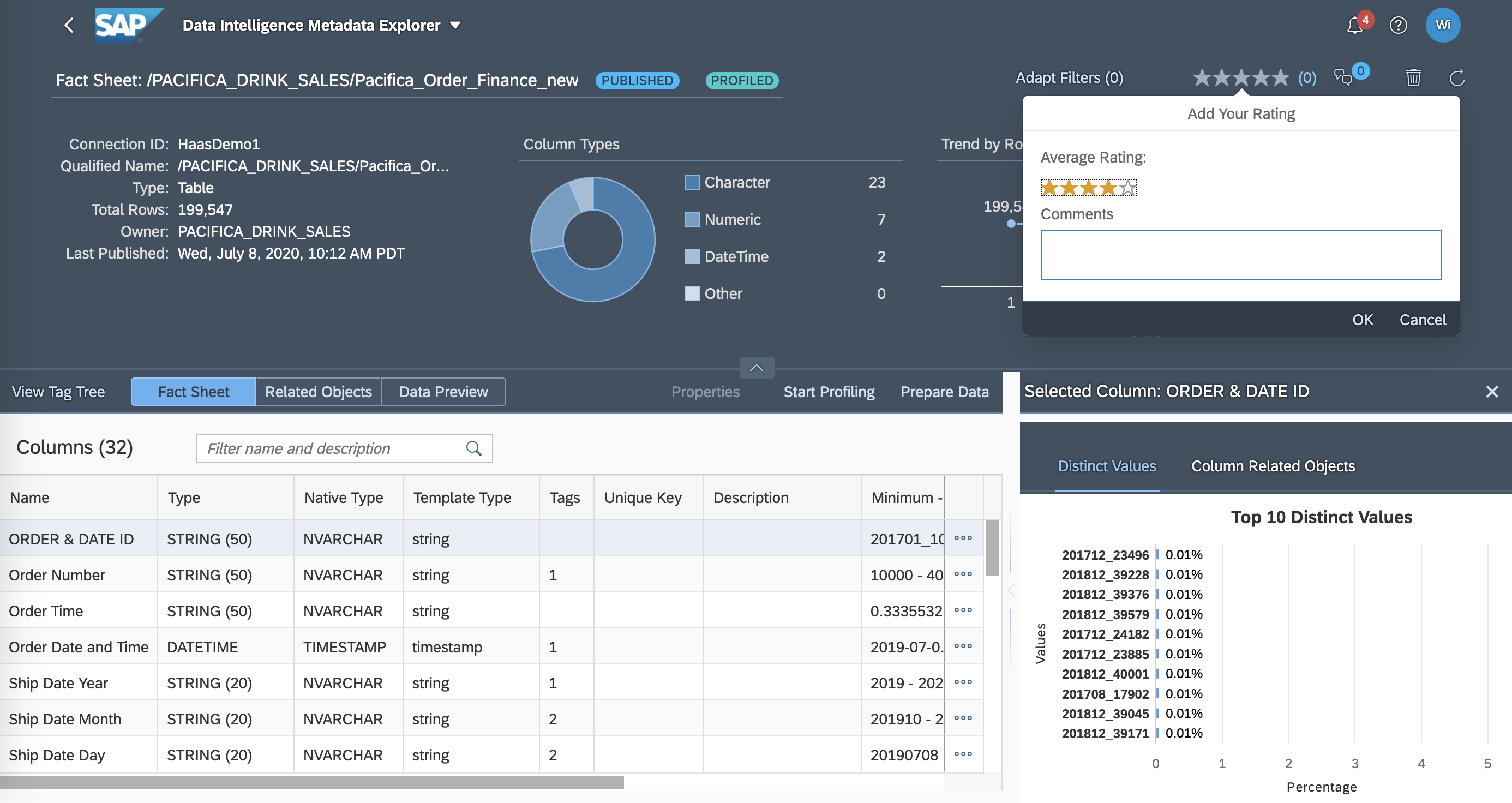 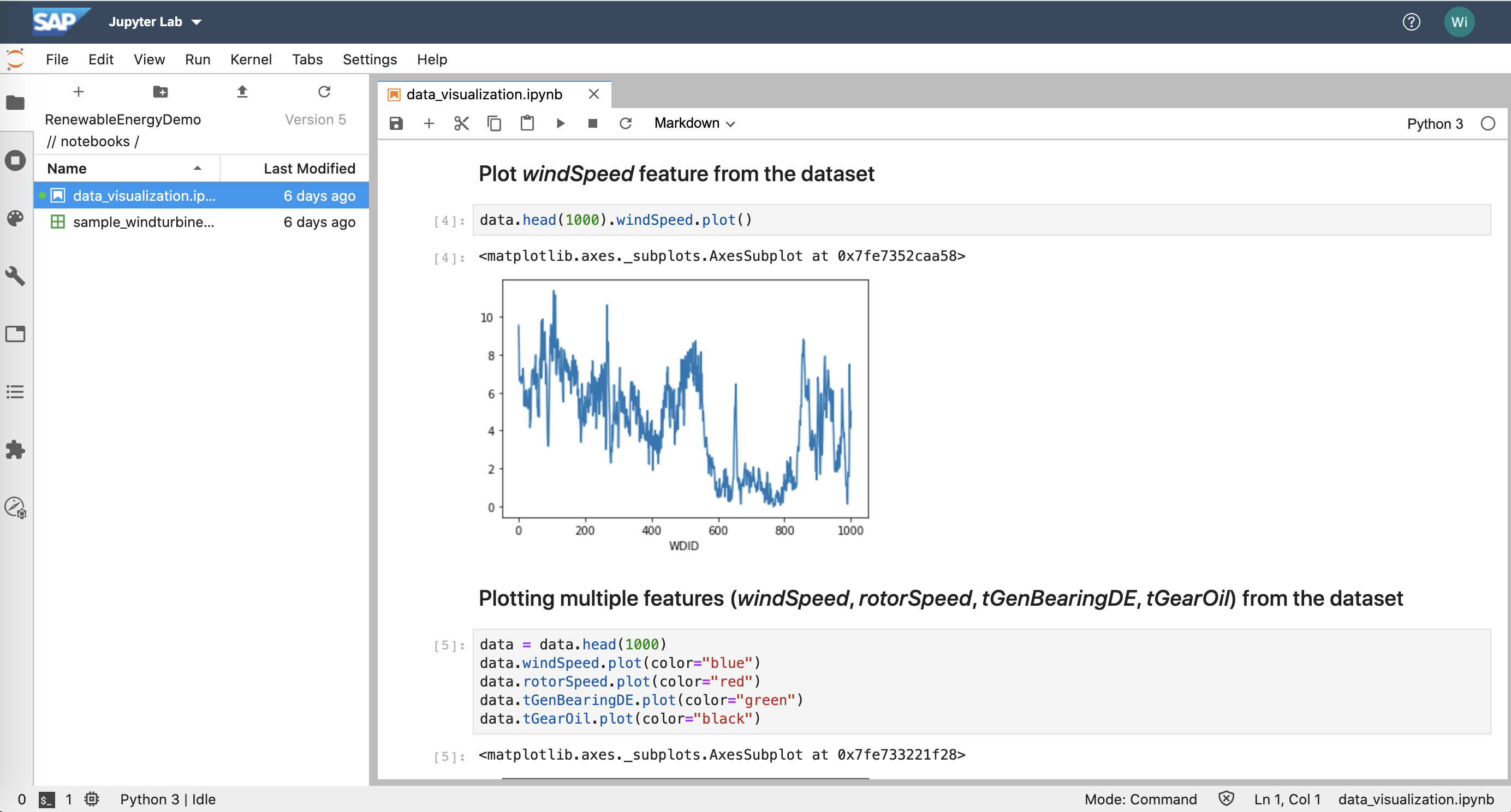   | SAP Integration Suite Screenshots  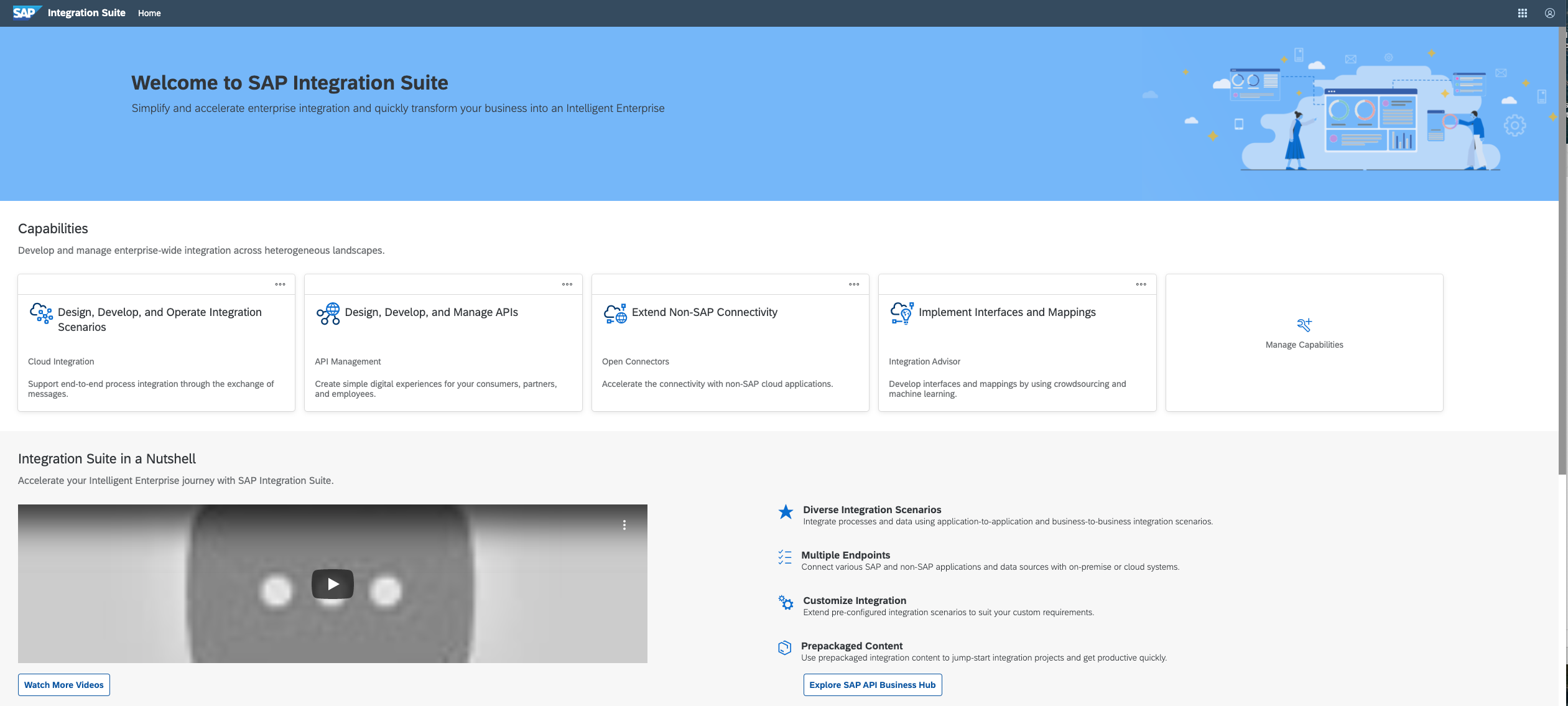   |