TrustRadius: an HG Insights company

LaunchDarkly

Score8.7 out of 10

59 Reviews and Ratings

What is LaunchDarkly?

LaunchDarkly provides a feature management platform that enables DevOps and Product teams to use feature flags at scale. This allows for greater collaboration among team members, and increased usability testing before full-scale feature deployment.

Read more details.

Media

Screenshot of regression detection and automated incident response at the feature level. This connects critical metrics to the release process so that every change is monitored - even the smallest releases, where issues would previously have been obscured by noise in the wider system metrics.
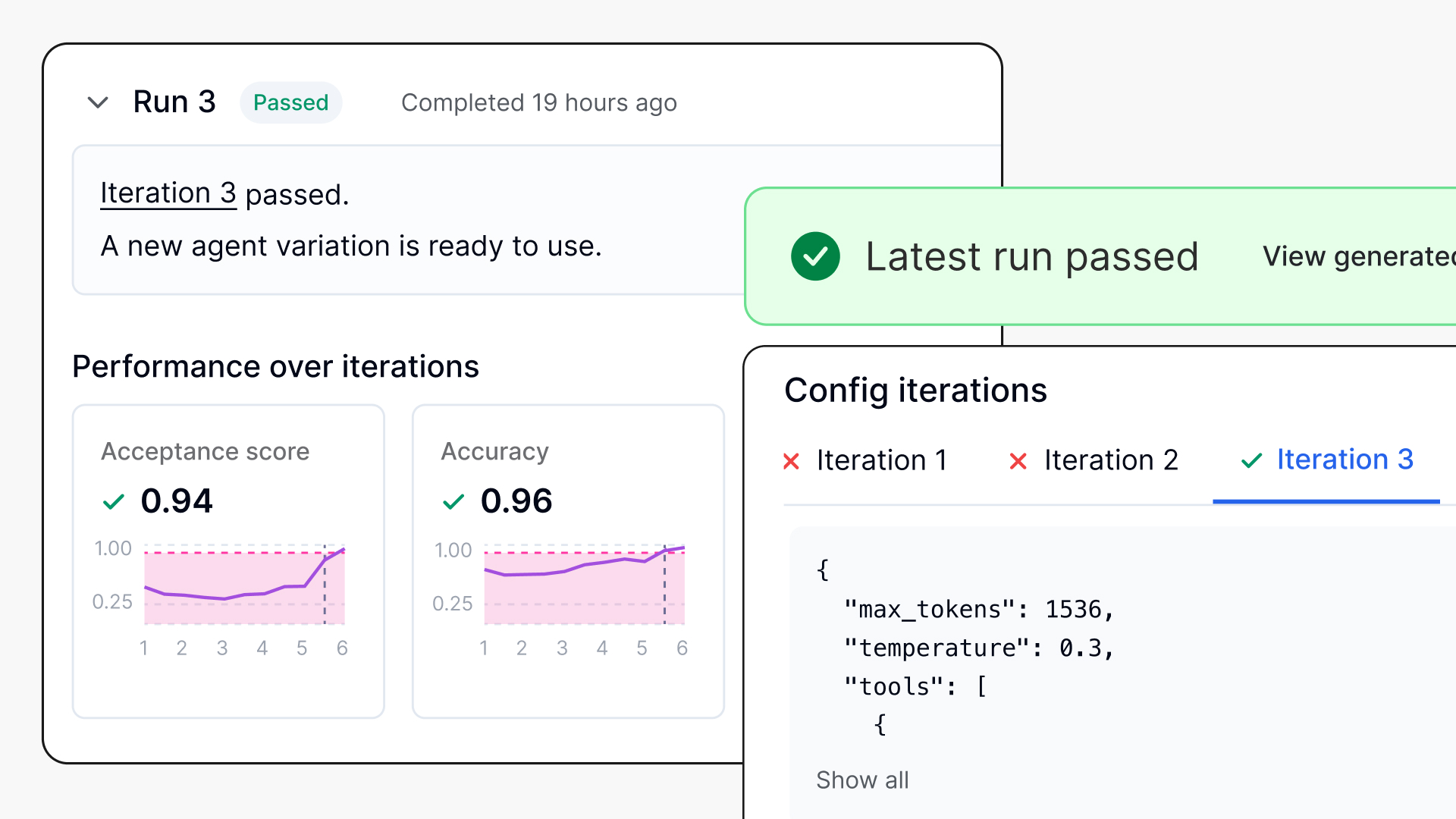
Screenshot of how LaunchDarkly helps developers compare agent iterations, track key metrics like acceptance, accuracy, latency, and token usage, and safely push the best-performing variation live.
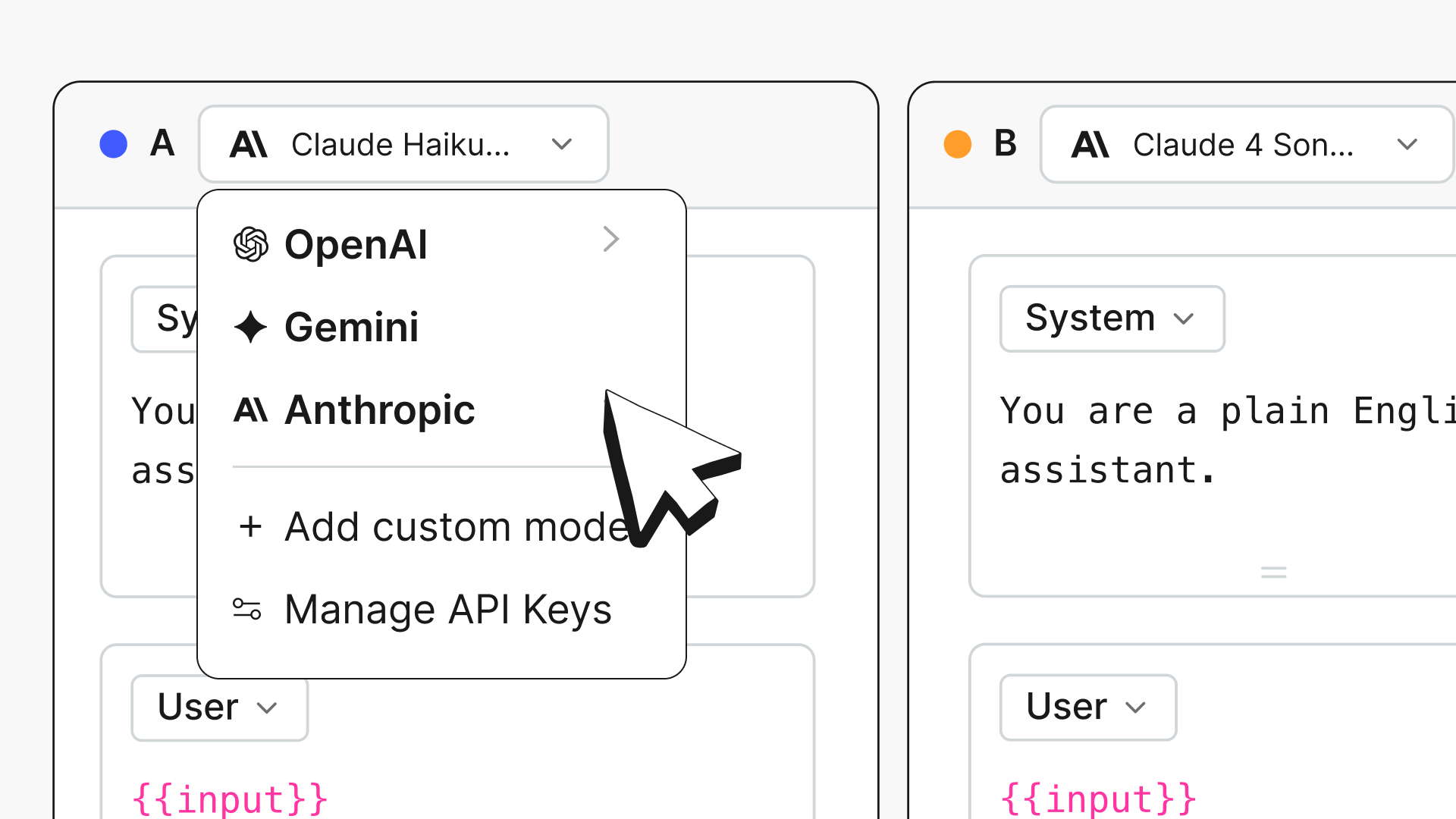
Screenshot of the interface used to test prompts side by side, switch between providers like OpenAI, Gemini, and Anthropic, and add custom models or manage API keys.
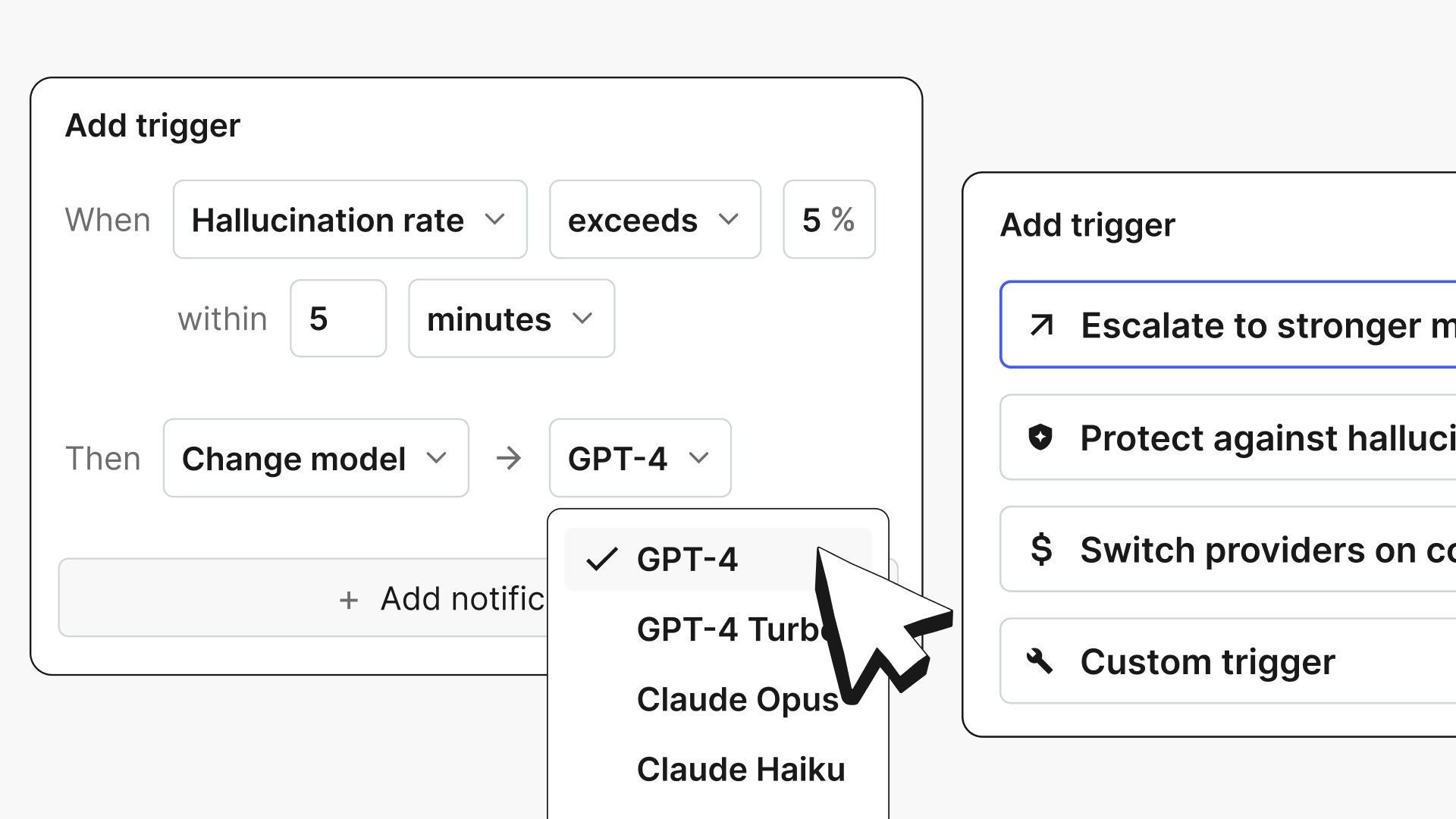
Screenshot of adaptive triggers, which let developers automatically respond to AI performance changes by setting thresholds for metrics like hallucination rate and taking actions such as switching to a stronger model or changing providers.

1 / 4

Screenshot of regression detection and automated incident response at the feature level. This connects critical metrics to the release process so that every change is monitored - even the smallest releases, where issues would previously have been obscured by noise in the wider system metrics.

Effortless Feature management and Integration

Use Cases and Deployment Scope

We use LaunchDarkly for shadow launching of features that enables us in early bug detection, load testing, boosting customer satisfaction and improves preparedness of our launches to production. It helps us in having smooth releases without sharing features with end users prematurely. It also helps us in faster recovery in cases of any release hiccups by allowing to turn of feature flags as necessary.

Pros

  • Ease of set up in any techstack the web application might be in.
  • Sample usecases defining payload definitions for widely used scenarios
  • Granularity of the feature flag access
  • Inbuilt AI capabilities that recommends payloads of feature flags based on the given scenario.

Cons

  • AI assistance for script or feature flag recommendation based on the application we are trying to integrate it with.

Return on Investment

  • Time and effort saved - when there are some issues during launches / releases
  • Load and performance tests can be done in actual environments with feature rolledout to service accounts but not to the end users.

Usability

Other Software Used

GitHub Copilot, Atlassian Confluence, AWS IoT Core

Great product for a growing dev team

Use Cases and Deployment Scope

We use LaunchDarkly to help hide incomplete features from end users. This allows us to deploy code to production more often, which reduces code conflicts and leads to a healthier codebase

Pros

  • Separate Flags by Deployment Environment
  • target specific users or user groups with flags
  • allows us to subscribe to changes in feature flags while a session is ongoing

Cons

  • better splitting by user group

Return on Investment

  • LaunchDarkly has helped us maintain a weekly release train, which provides a level of consistency for our users
  • LaunchDarkly has helped us gate new features, which gives us more ability to test in production, which leads to better tested code

Usability

Other Software Used

WebStorm, ClickUp, GitHub

Continuous Deployment Made Easy

Use Cases and Deployment Scope

We predominantly use LaunchDarkly to facilitate our Trunk Based / Continuous Deployment workflow, enabling us to deploy multiple times a day and target specific user segments. We also use it to run UI experiments that help us determine the optimal customer experience.

Pros

  • Feature management
  • A/B and multivariate testing
  • Segmentation

Cons

  • More support for Edge-side solutions

Return on Investment

  • Increase in deployment frequency (multiple per day from each engineer)
  • Decrease in lead times for features
  • Less production bugs
  • Higher conversion rate for landing pages via experimentation

Usability

Alternatives Considered

Optimizely Web Experimentation and VWO

Deploy fast and easy

Pros

  • Measures performance of new app features.
  • Turn off features that might be causing problems in production.
  • Delivers true continuous integration.
  • Manage features without full deployment.

Cons

  • Overview across environments could be enhanced in the tree view (add a button) similar to dashboard UX.

Return on Investment

  • Less downtime for break-fix issues since they've been tested ahead of deployment.
  • Increased confidence with overall system usability and user acceptance.

Usability

Alternatives Considered

CloudBees Rollout

Launch it Darkly!

Pros

  • Targeting and segments.
  • Feature creation.
  • Quick setup.

Cons

  • Limited seats on account.
  • Cost for every other feature.
  • Forcing customers into enterprise level accounts.

Return on Investment

  • Turn off failing features.

Usability