
Chose Apache Tomcat
Apache Tomcat vs. NGINX vs. Vercel
Apache Tomcat vs. NGINX vs. Vercel
| Product | Rating | Most Used By | Product Summary | Starting Price |
|---|---|---|---|---|
 Apache Tomcat | N/A | Tomcat is an open-source web server supported by Apache. | N/A | |
 NGINX | Mid-Size Companies (51-1,000 employees) | NGINX, a business unit of F5 Networks, powers over 65% of the world's busiest websites and web applications. NGINX started out as an open source web server and reverse proxy, built to be faster and more efficient than Apache. Over the years, NGINX has built a suite of infrastructure software products o tackle some of the biggest challenges in managing high-transaction applications. NGINX offers a suite of products to form the core of what organizations need to create… | N/A | |
 Vercel | N/A | Vercel (made by the creators of Next.js) is a cloud platform for static sites and Serverless Functions for a workflow. It enables developers to host websites and web services that deploy instantly, scale automatically, and requires no supervision, all with no configuration. The platform aims to enable frontend teams to work while combining the best developer experience with a focus on end-user performance. | N/A |
| Apache Tomcat | NGINX | Vercel | ||||||||||||||||||||||
|---|---|---|---|---|---|---|---|---|---|---|---|---|---|---|---|---|---|---|---|---|---|---|---|---|
| Editions & Modules | No answers on this topic | No answers on this topic | No answers on this topic | |||||||||||||||||||||
| Offerings |
| |||||||||||||||||||||||
| Entry-level Setup Fee | No setup fee | Optional | No setup fee | |||||||||||||||||||||
| Additional Details | — | — | — | |||||||||||||||||||||
| More Pricing Information | ||||||||||||||||||||||||
| Apache Tomcat | NGINX | Vercel | |
|---|---|---|---|
| Considered Multiple Products | Apache Tomcat |  NGINX  Rene Enriquez Technical Lead Chose NGINX It's lightweight and it does not require complex configurations for simple scenarios. If you want you can accomplish some other complicated tasks like reverse proxies which are well supported by the product.  Craig Nash Sr. Network Engineer Chose NGINX Nginx is one of the top three web servers and sits in the second position in terms of the amount of servers deployed. The main competition comes from Apache and Apache-based forks on Linux based servers, and less-so from Microsoft IIS on Windows based servers. As stated … | Vercel No answer on this topic |
| Apache Tomcat | NGINX | Vercel | |||||||||||||||||||||||||||||||||||||||||||||||
|---|---|---|---|---|---|---|---|---|---|---|---|---|---|---|---|---|---|---|---|---|---|---|---|---|---|---|---|---|---|---|---|---|---|---|---|---|---|---|---|---|---|---|---|---|---|---|---|---|---|
| Application Servers |
| ||||||||||||||||||||||||||||||||||||||||||||||||
| Platform-as-a-Service |
|
| Apache Tomcat | NGINX | Vercel | |
|---|---|---|---|
| Small Businesses | NGINX Score 9.2 out of 10 |  Apache HTTP Server Score 9.1 out of 10 |  AWS Lambda Score 8.3 out of 10 |
| Medium-sized Companies | NGINX Score 9.2 out of 10 | Apache Tomcat Score 8.0 out of 10 |  Red Hat OpenShift Score 9.2 out of 10 |
| Enterprises | NGINX Score 9.2 out of 10 | Apache Tomcat Score 8.0 out of 10 | Red Hat OpenShift Score 9.2 out of 10 |
| All Alternatives | View all alternatives | View all alternatives | View all alternatives |
| Apache Tomcat | NGINX | Vercel | |
|---|---|---|---|
| Likelihood to Recommend | 9.0 (24 ratings) | 8.9 (50 ratings) | 10.0 (2 ratings) |
| Likelihood to Renew | 10.0 (1 ratings) | 9.1 (1 ratings) | - (0 ratings) |
| Usability | 8.0 (3 ratings) | 8.3 (3 ratings) | 9.0 (1 ratings) |
| Availability | 6.0 (1 ratings) | - (0 ratings) | - (0 ratings) |
| Performance | 9.0 (2 ratings) | - (0 ratings) | - (0 ratings) |
| Support Rating | 9.1 (3 ratings) | 8.1 (4 ratings) | - (0 ratings) |
| Configurability | 8.0 (1 ratings) | - (0 ratings) | - (0 ratings) |
| Ease of integration | 9.0 (1 ratings) | - (0 ratings) | - (0 ratings) |
| Product Scalability | 9.0 (1 ratings) | - (0 ratings) | - (0 ratings) |
| Apache Tomcat | NGINX | Vercel | |
|---|---|---|---|
| Likelihood to Recommend | Apache
| F5
 Luiz Eduardo Garcia System Administrator | VERCEL
|
| Pros | Apache
| F5
 Gabriel Samaroo Senior Software Engineer | VERCEL
|
| Cons | Apache
 Candy Carrizales Database Administrator | F5
 L Matthew Blancett Senior DevOps Engineer | VERCEL
|
| Likelihood to Renew | Apache
| F5
| VERCEL No answers on this topic |
| Usability | Apache
| F5
| VERCEL
|
| Reliability and Availability | Apache
| F5 No answers on this topic | VERCEL No answers on this topic |
| Performance | Apache
| F5 No answers on this topic | VERCEL No answers on this topic |
| Support Rating | Apache
| F5
 John Reeve Principal, Lead developer, Lead designer | VERCEL No answers on this topic |
| Alternatives Considered | Apache
| F5
 Josh Stapp Sr. Software Engineer | VERCEL
|
| Scalability | Apache
| F5 No answers on this topic | VERCEL No answers on this topic |
| Return on Investment | Apache
| F5
 Tyler Johnson Senior Software Architect | VERCEL
|
| ScreenShots | NGINX Screenshots 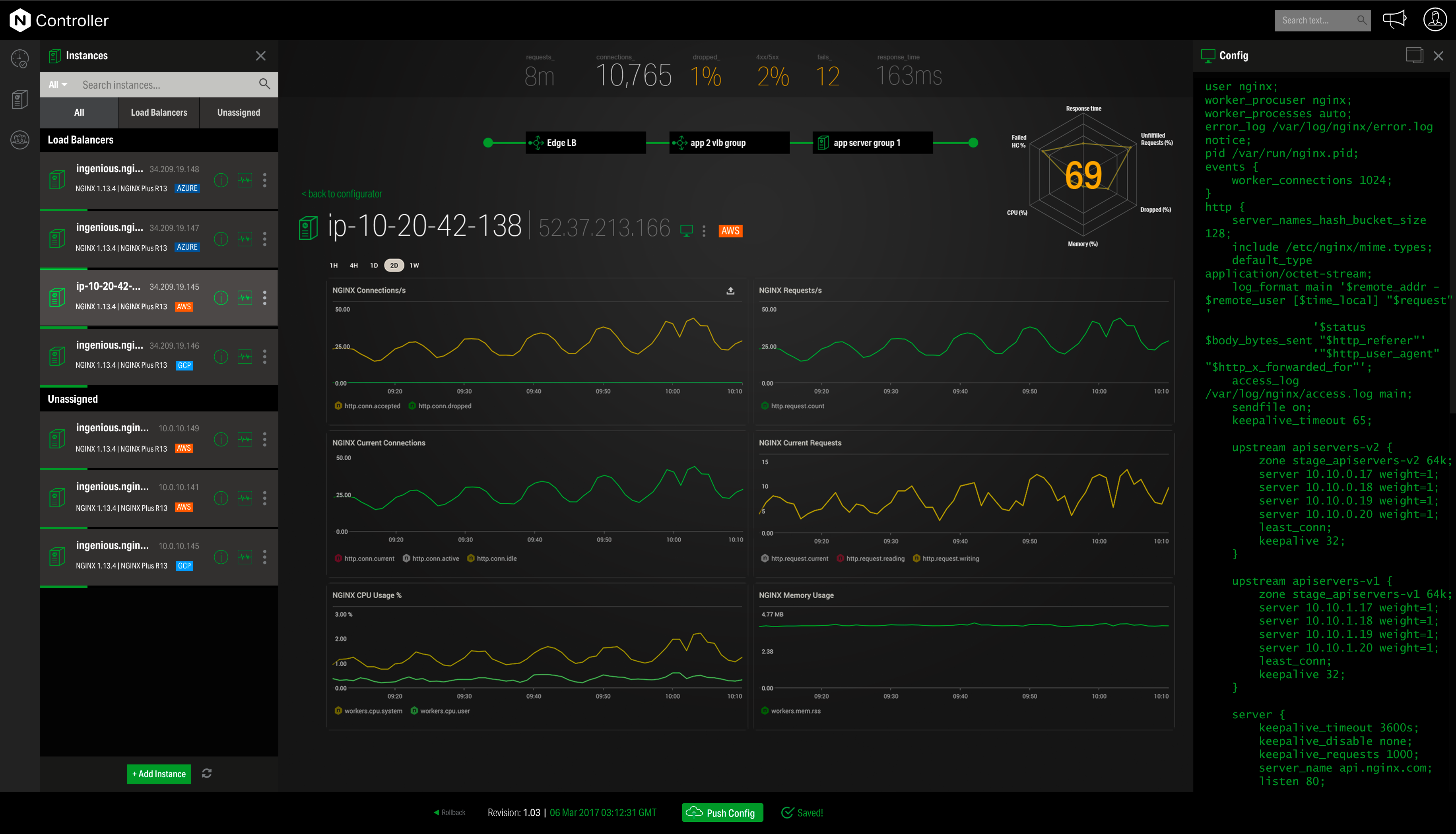  |