
Aurea Process vs. Camunda vs. Zendesk Suite
Aurea Process vs. Camunda vs. Zendesk Suite
| Product | Rating | Most Used By | Product Summary | Starting Price |
|---|---|---|---|---|
 Aurea Process | N/A | Aurea Process (formerly CX Process) from Aurea Software in Austin is a business process management offering, based on Savvion BPM. | $200,000 per year | |
 Camunda | N/A | Camunda is a process orchestration tool designed to help organizations design, automate, and improve any process. Built for business and IT collaboration using BPMN and DMN standards, Camunda aims to enable seamless integration across endpoints to transform mission-critical processes. | N/A | |
 Zendesk Suite | N/A | Zendesk is a customer support solution with built-in ticketing, conversational messaging, and live chat, designed to help businesses of all sizes and industries deliver personalized service at scale. Zendesk's AI agents are trained in CX to help Service teams resolve customer issues faster and more accurately while still providing a human-centered experience. Zendesk ultimately aims to help businesses improve time to value, reduce effort per ticket, and keep costs low. | $69 per month per agent |
| Aurea Process | Camunda | Zendesk Suite | ||||||||||||||||||||||
|---|---|---|---|---|---|---|---|---|---|---|---|---|---|---|---|---|---|---|---|---|---|---|---|---|
| Editions & Modules |
|
|
| |||||||||||||||||||||
| Offerings |
| |||||||||||||||||||||||
| Entry-level Setup Fee | No setup fee | No setup fee | Optional | |||||||||||||||||||||
| Additional Details | — | — | 20% discount available with annual pricing. | |||||||||||||||||||||
| More Pricing Information | ||||||||||||||||||||||||
| Aurea Process | Camunda | Zendesk Suite |
|---|
| Aurea Process | Camunda | Zendesk Suite | |||||||||||||||||||||||||||||||
|---|---|---|---|---|---|---|---|---|---|---|---|---|---|---|---|---|---|---|---|---|---|---|---|---|---|---|---|---|---|---|---|---|---|
| Reporting & Analytics |
| ||||||||||||||||||||||||||||||||
| Process Engine |
| ||||||||||||||||||||||||||||||||
| Collaboration |
| ||||||||||||||||||||||||||||||||
| Content Management Capabilties |
| ||||||||||||||||||||||||||||||||
| Customization |
| ||||||||||||||||||||||||||||||||
| Business Process Automation |
| ||||||||||||||||||||||||||||||||
| Incident and problem management |
| ||||||||||||||||||||||||||||||||
| Self Help Community |
| ||||||||||||||||||||||||||||||||
| Multi-Channel Help |
|
| Aurea Process | Camunda | Zendesk Suite | |
|---|---|---|---|
| Small Businesses |  Square 9 Softworks Score 9.7 out of 10 |  CMW Platform Score 9.2 out of 10 |  Agiloft Service Desk (discontinued) Score 9.0 out of 10 |
| Medium-sized Companies | Square 9 Softworks Score 9.7 out of 10 |  Quixy Score 9.9 out of 10 | Agiloft Service Desk (discontinued) Score 9.0 out of 10 |
| Enterprises | CMW Platform Score 9.2 out of 10 |  Redwood RunMyJobs Score 9.6 out of 10 |  SysAid Score 8.9 out of 10 |
| All Alternatives | View all alternatives | View all alternatives | View all alternatives |
| Aurea Process | Camunda | Zendesk Suite | |
|---|---|---|---|
| Likelihood to Recommend | 5.0 (1 ratings) | 9.0 (4 ratings) | 9.1 (208 ratings) |
| Likelihood to Renew | - (0 ratings) | - (0 ratings) | 10.0 (43 ratings) |
| Usability | - (0 ratings) | - (0 ratings) | 8.8 (82 ratings) |
| Availability | - (0 ratings) | - (0 ratings) | 9.1 (14 ratings) |
| Performance | - (0 ratings) | - (0 ratings) | 9.1 (11 ratings) |
| Support Rating | - (0 ratings) | 8.0 (1 ratings) | 5.6 (31 ratings) |
| In-Person Training | - (0 ratings) | - (0 ratings) | 10.0 (1 ratings) |
| Online Training | - (0 ratings) | - (0 ratings) | 6.4 (10 ratings) |
| Implementation Rating | - (0 ratings) | - (0 ratings) | 9.1 (19 ratings) |
| Configurability | - (0 ratings) | - (0 ratings) | 9.1 (4 ratings) |
| Contract Terms and Pricing Model | - (0 ratings) | - (0 ratings) | 9.1 (1 ratings) |
| Ease of integration | - (0 ratings) | - (0 ratings) | 9.1 (1 ratings) |
| Product Scalability | - (0 ratings) | - (0 ratings) | 9.1 (1 ratings) |
| Professional Services | - (0 ratings) | - (0 ratings) | 9.1 (1 ratings) |
| Vendor post-sale | - (0 ratings) | - (0 ratings) | 9.1 (1 ratings) |
| Vendor pre-sale | - (0 ratings) | - (0 ratings) | 9.1 (1 ratings) |
| Aurea Process | Camunda | Zendesk Suite | |
|---|---|---|---|
| Likelihood to Recommend | Aurea
|  Camunda
 Animesh Kumar Senior Member of Technical Staff |  Zendesk
|
| Pros | Aurea
| Camunda
 Sunny Hemnani Senior Software Engineer | Zendesk
|
| Cons | Aurea
| Camunda
 Scott Francis Founder and CEO | Zendesk
 Sarah Ager Sr. Product Marketing Manager |
| Likelihood to Renew | Aurea No answers on this topic | Camunda No answers on this topic | Zendesk
|
| Usability | Aurea No answers on this topic | Camunda No answers on this topic | Zendesk
|
| Reliability and Availability | Aurea No answers on this topic | Camunda No answers on this topic | Zendesk
 Chase Sheaffer Co-Founder / Devleoper of Out of Milk |
| Performance | Aurea No answers on this topic | Camunda No answers on this topic | Zendesk
|
| Support Rating | Aurea No answers on this topic | Camunda
Scott Francis Founder and CEO | Zendesk
|
| Online Training | Aurea No answers on this topic | Camunda No answers on this topic | Zendesk
Chase Sheaffer Co-Founder / Devleoper of Out of Milk |
| Implementation Rating | Aurea No answers on this topic | Camunda No answers on this topic | Zendesk
|
| Alternatives Considered | Aurea No answers on this topic | Camunda
| Zendesk
|
| Scalability | Aurea No answers on this topic | Camunda No answers on this topic | Zendesk
|
| Return on Investment | Aurea
| Camunda
Animesh Kumar Senior Member of Technical Staff | Zendesk
|
| ScreenShots | Aurea Process Screenshots | Camunda Screenshots  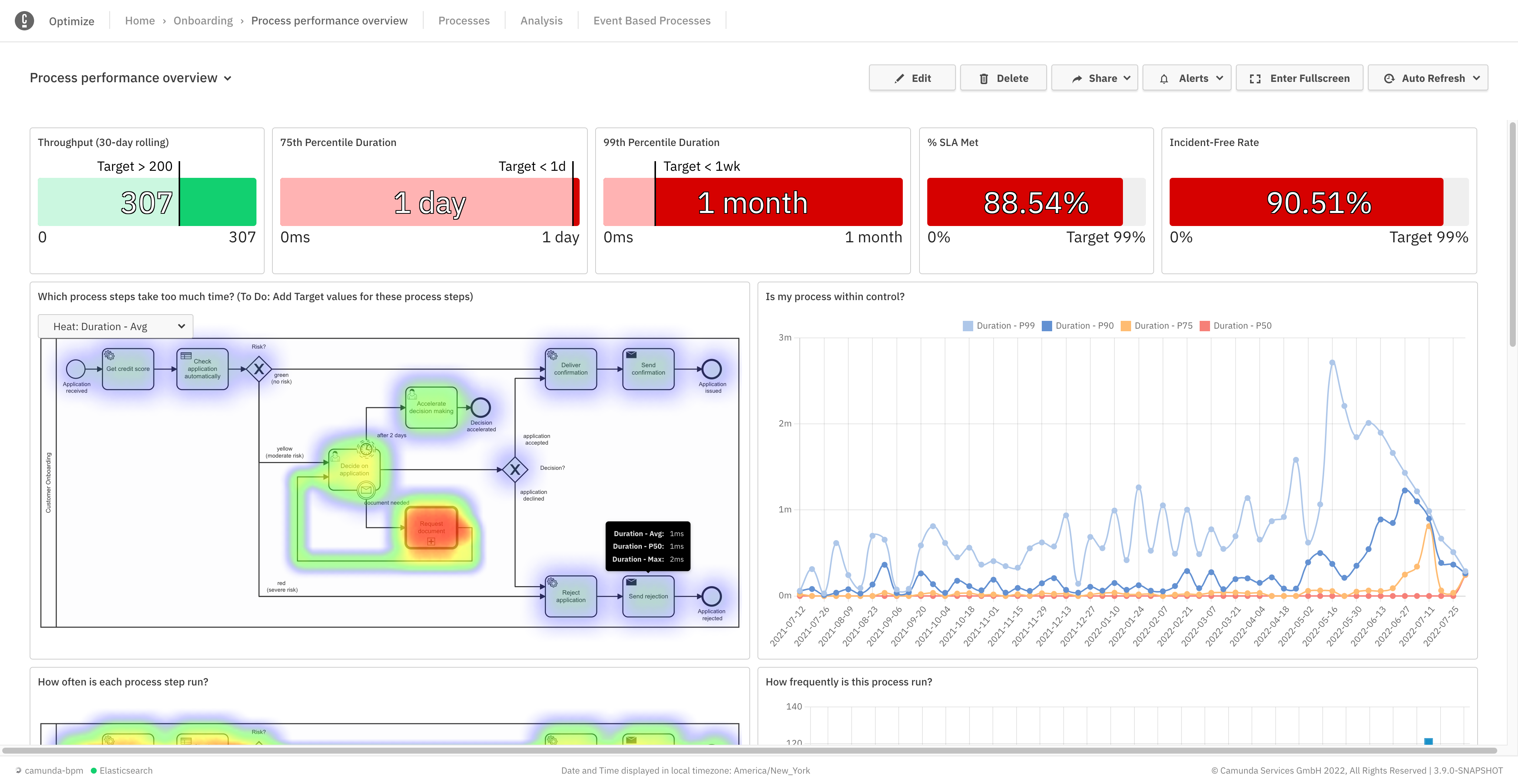 | Zendesk Suite Screenshots      |