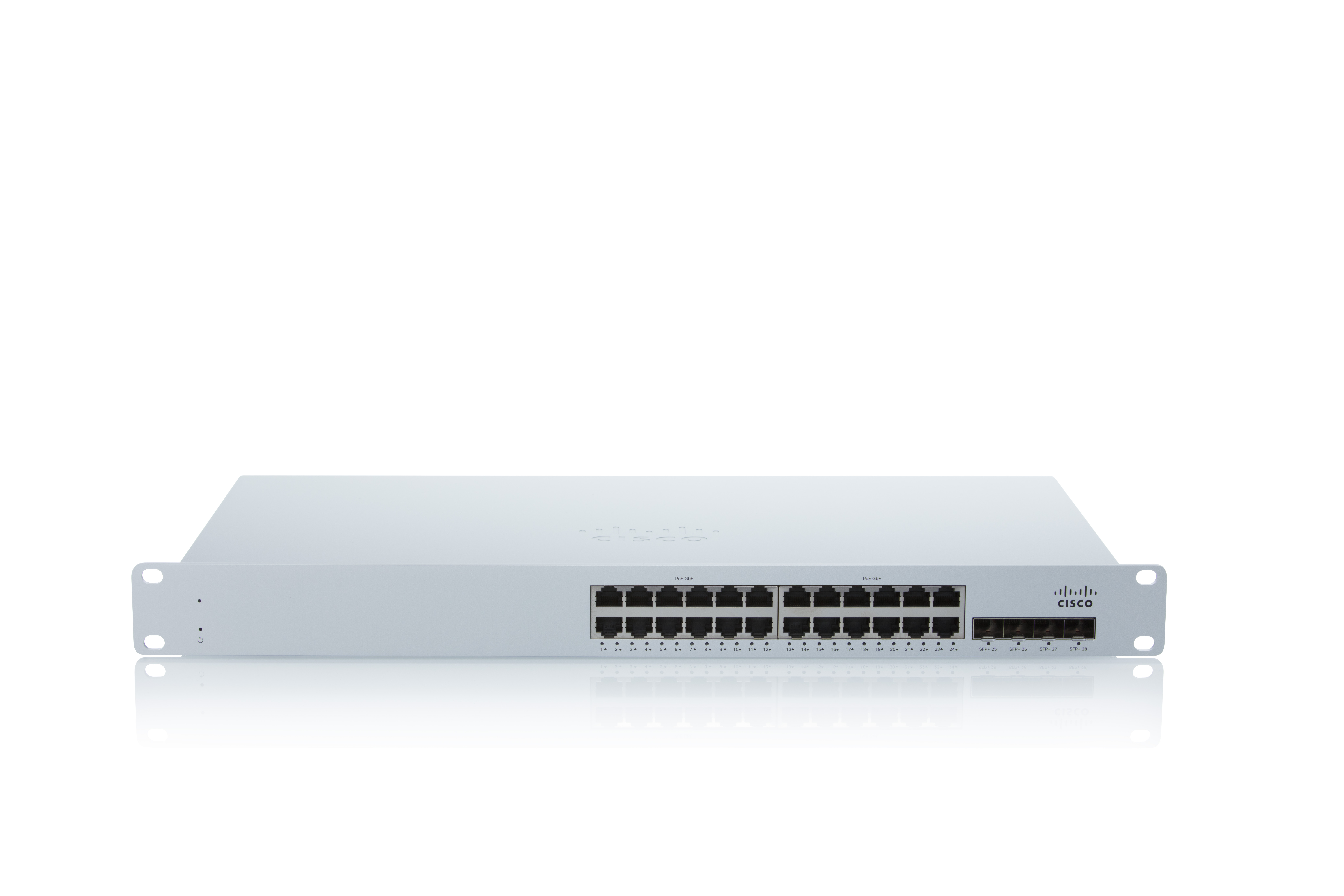
As a cloud-managed network management solution, the Cisco Meraki Dashboard enables users to provision, configure, and troubleshoot global networking and IoT deployments.
N/A
N-able N-sight RMM
Score 7.8 out of 10
N/A
SolarWinds Remote Monitoring & Management (RMM) is a cloud-based system monitoring offering for Managed Service Providers. It provides a full monitoring and management suite, including automation and threat detection capabilities, and can integrate with other SolarWinds products.
A number of networks we've taken over were using Ubiquiti Unifi, which is an okay solution, but a lot more cumbersome to manage. We've found the Cisco Meraki Dashboard system much more intuitive and way less time-intensive. Simple things like setting up dedicated DHCP entries …
Cisco Meraki Dashboard is a great solution for managing a large number of networks across a single organization or multiple. For new projects we are able to set up the entire network in the dashboard with all of the needed settings, plug all of the devices in at our office and have them download their settings, so on the date of deployment, the equipment comes online and is ready to go immediately.
SolarWinds patch management has had issues over the years. Sometimes requiring manual intervention to get resolved. The UI [with N-able RMM (formerly Solarwinds RMM)] makes it easy to see status of systems and identify any alerts easily. Remotely monitoring the status of servers/computers. Managing the systems, patching, systems maintenance and remote support.
It provides fantastic remote access capabilities. The Take Control tool gives us a robust platform that is capable of remote controlling almost any endpoint we need to and the chat, file transfer, and screen recording tools are all exceptionally useful.
SolarWinds RMM is particularly useful as a single pane of glass solution that allows us to monitor and manage thousands of endpoints across dozens of different clients. It does a solid job of allowing us to sort, organize, and filter based off of who and what we want to see at any given time.
Due to its client based nature, the platform excels at in-depth monitoring of services, event logs, and the functionality of systems with custom script checks.
The dashboard is easy to navigate and offers many pages that are loaded with information. Cisco Meraki adds new features to the dashboard based on customer feedback and I have seen so many updates and changes that have improved upon the previous version. Most recently they have added Cisco's AI and are looking at an Automation option that will only further improve usability.
The interface is easy to navigate. Setting up policies is straight forward. The antivirus and web filter are simple and exceptions are easy to make. Upgrading the agent is made simple and creating scripts is made fool proof. (Well, almost)
The ease of use, full functionality, reliability and excellent support.[N-able RMM (formerly Solarwinds RMM)] gives users a full suite of tools with a single installable file. Unlike standard tools, you don't have to install several different executables to be able to have fully protected end points.
The Cisco Meraki Dashboard is of course the most user friendly and the NDFC is being modified to look similar to the Cisco Meraki Dashboard as of today.
SolarWinds definitely is the the most ready out of the box as far as getting is up and running and you can start using it where other system go from need ing a little setup like importing MIBS to completely needing to configure the system. As far a performance once things are up and working I feel they all do a good job at basic monitoring and management. The difference is that SolarWinds does a good job at having things templated but allows you to customize some attributes. If you are want to make major customization for alerts and monitoring and other things SolarWinds is not the best option. But, then again, you will not need a team just to manage the system.
It's definitely allowed us to operate with a smaller team and allowed us to troubleshoot issues quicker. The Meraki dashboard with Meraki APs has helped us identify issues on our wireless network, monitor the health, and really help our remote locations out with troubleshooting and getting devices online quicker.
The ROI is immediate for us. The advanced alerting alone makes this product an ace in our bag. The confidence you have in your network is wonderful.
Another big ROI we get from the advanced alerting is the peace of mind that our engineers feel. We are a 24/7 shop, so being on-call goes from being hectic to extremely manageable.
The only negative I can honestly say is when the time comes to patch the product. Micro-patches are easy enough, but jumping versions can be a bit taxing.