
Cisco Vulnerability Management vs. ManageEngine Endpoint Central
Cisco Vulnerability Management vs. ManageEngine Endpoint Central
| Product | Rating | Most Used By | Product Summary | Starting Price |
|---|---|---|---|---|
 Cisco Vulnerability Management | N/A | Cisco Vulnerability Management (formerly Kenna.VM by Kenna Security, which was acquired by Cisco in June of 2021), is a vulnerability management platform featuring real-time cyber-risk analysis and predictive modeling based on intelligence feeds and global attack telemetries to provide accurate, reliable risk prioritization and protection. | N/A | |
 ManageEngine Endpoint Central | N/A | Desktop Central from ManageEngine is a client desktop management with patching, remote control, and configuration. | $795 per year per user |
| Cisco Vulnerability Management | ManageEngine Endpoint Central | |||||||||||||||
|---|---|---|---|---|---|---|---|---|---|---|---|---|---|---|---|---|
| Editions & Modules | No answers on this topic | No answers on this topic | ||||||||||||||
| Offerings |
| |||||||||||||||
| Entry-level Setup Fee | No setup fee | No setup fee | ||||||||||||||
| Additional Details | — | — | ||||||||||||||
| More Pricing Information | ||||||||||||||||
| Cisco Vulnerability Management | ManageEngine Endpoint Central |
|---|
| Cisco Vulnerability Management | ManageEngine Endpoint Central | ||||||||||||||||||||||||
|---|---|---|---|---|---|---|---|---|---|---|---|---|---|---|---|---|---|---|---|---|---|---|---|---|---|
| Threat Intelligence |
| ||||||||||||||||||||||||
| Vulnerability Management Tools |
|
| Cisco Vulnerability Management | ManageEngine Endpoint Central | |
|---|---|---|
| Small Businesses |  Action1 Score 9.5 out of 10 |  Avast CloudCare Score 10.0 out of 10 |
| Medium-sized Companies | Action1 Score 9.5 out of 10 | Action1 Score 9.5 out of 10 |
| Enterprises |  CrowdStrike Falcon Score 9.0 out of 10 |  Automox Score 8.7 out of 10 |
| All Alternatives | View all alternatives | View all alternatives |
| Cisco Vulnerability Management | ManageEngine Endpoint Central | |
|---|---|---|
| Likelihood to Recommend | 8.4 (2 ratings) | 9.0 (199 ratings) |
| Likelihood to Renew | - (0 ratings) | 9.3 (15 ratings) |
| Usability | 10.0 (1 ratings) | 9.0 (159 ratings) |
| Support Rating | - (0 ratings) | 7.1 (11 ratings) |
| Implementation Rating | - (0 ratings) | 7.8 (4 ratings) |
| Contract Terms and Pricing Model | - (0 ratings) | 1.8 (1 ratings) |
| Professional Services | - (0 ratings) | 1.8 (1 ratings) |
| Vendor post-sale | - (0 ratings) | 1.8 (1 ratings) |
| Vendor pre-sale | - (0 ratings) | 1.8 (1 ratings) |
| Cisco Vulnerability Management | ManageEngine Endpoint Central | |
|---|---|---|
| Likelihood to Recommend |  Cisco
|  ManageEngine A Div of Zoho Corporation Pvt Ltd
|
| Pros | Cisco
| ManageEngine A Div of Zoho Corporation Pvt Ltd
|
| Cons | Cisco
| ManageEngine A Div of Zoho Corporation Pvt Ltd
|
| Likelihood to Renew | Cisco No answers on this topic | ManageEngine A Div of Zoho Corporation Pvt Ltd
 Thiago Silva CISO (Chief Information Security Officer) |
| Usability | Cisco
| ManageEngine A Div of Zoho Corporation Pvt Ltd
|
| Support Rating | Cisco No answers on this topic | ManageEngine A Div of Zoho Corporation Pvt Ltd
|
| Implementation Rating | Cisco No answers on this topic | ManageEngine A Div of Zoho Corporation Pvt Ltd
|
| Alternatives Considered | Cisco
| ManageEngine A Div of Zoho Corporation Pvt Ltd
|
| Return on Investment | Cisco
| ManageEngine A Div of Zoho Corporation Pvt Ltd
|
| ScreenShots | ManageEngine Endpoint Central Screenshots 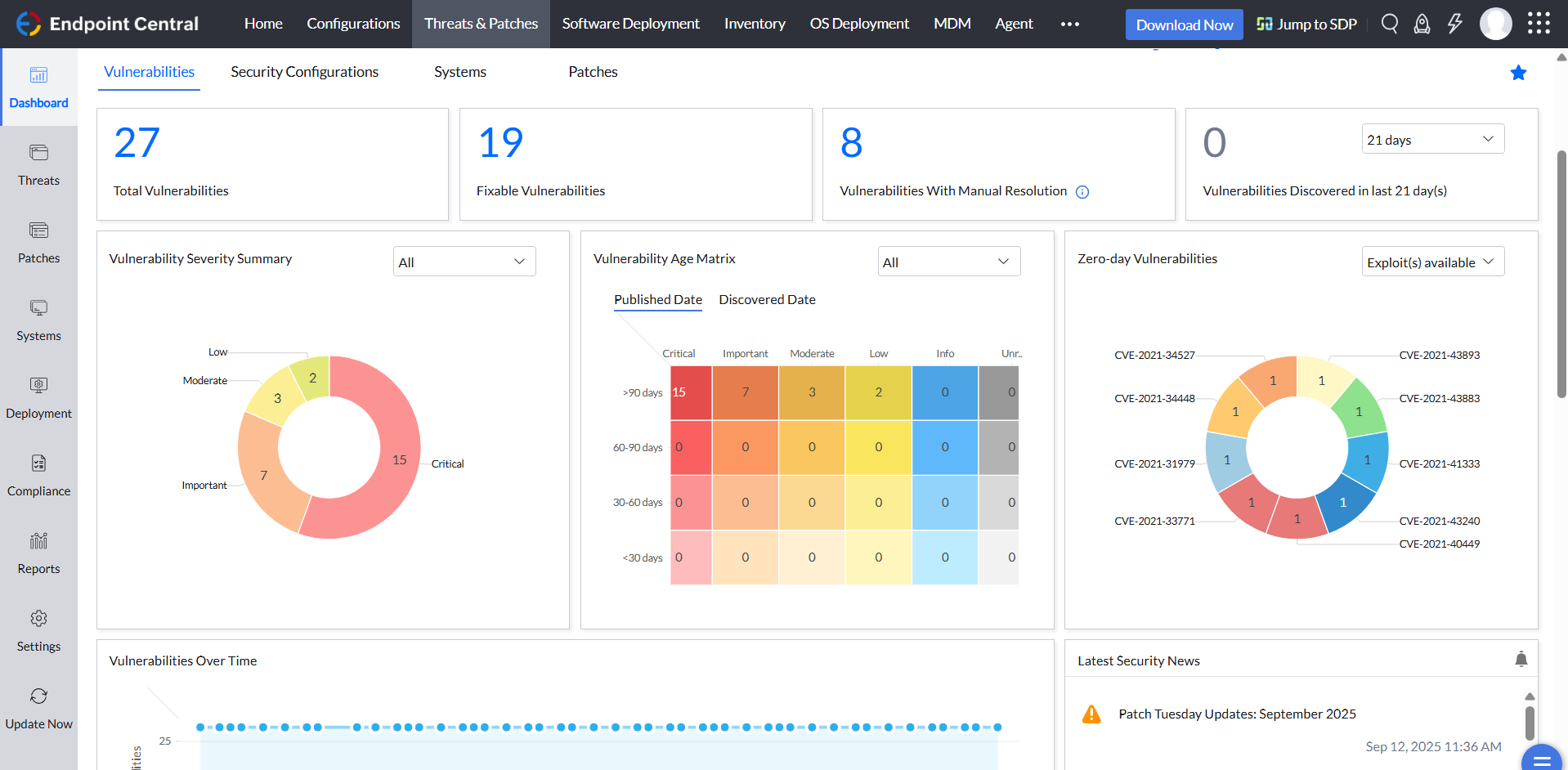   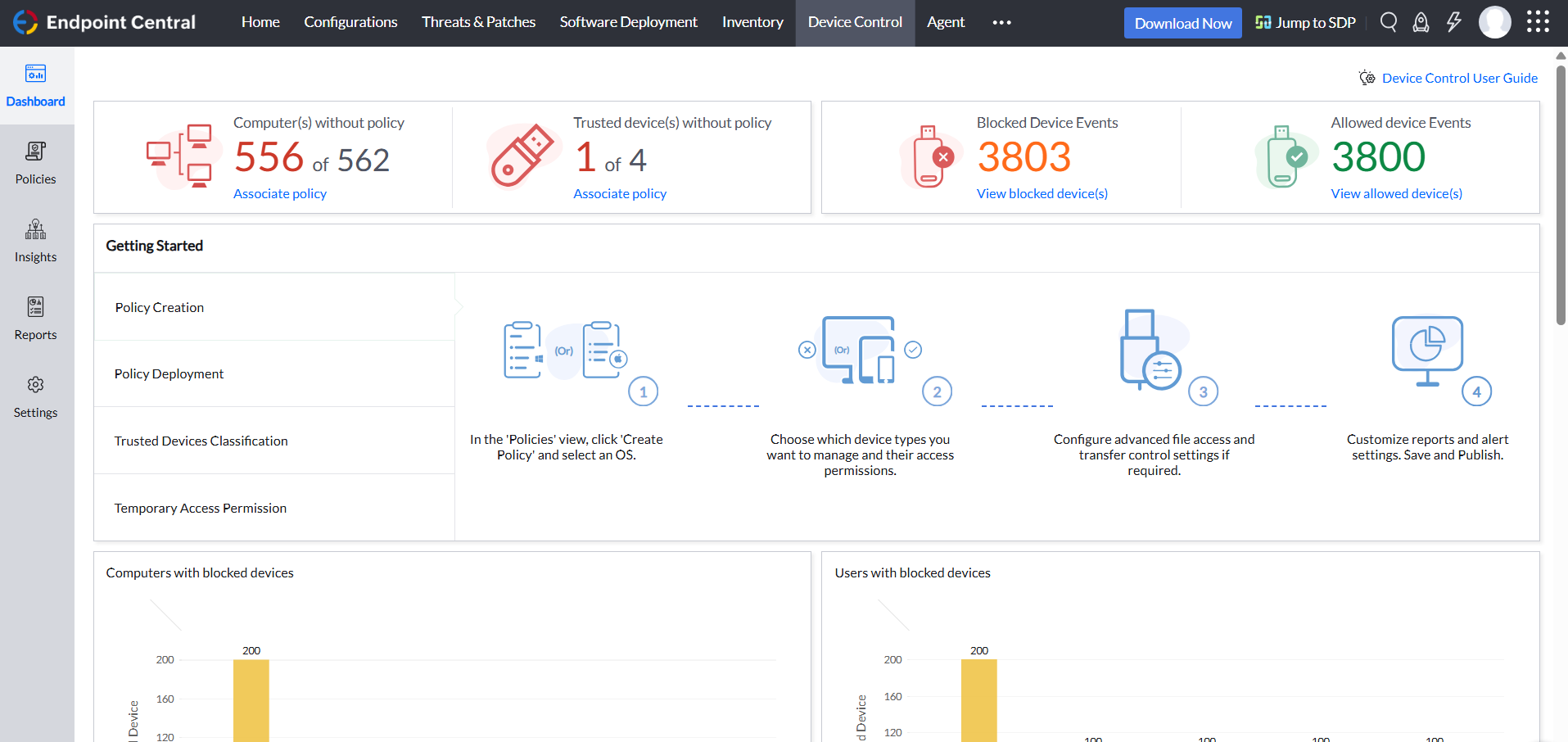 |