
ClicData vs. Tableau Server
| Product | Rating | Most Used By | Product Summary | Starting Price |
|---|---|---|---|---|
 ClicData | Score8.5 out of 10 | N/A | ClicData is a cloud-based data management and business intelligence platform for connecting, preparing, storing, visualizing, and distributing organizational data. The platform combines data integration, extract, transform, and load (ETL) processes, data warehousing, dashboard creation, automation, and artificial intelligence features. Key Capabilities Data connectivity: ClicData connects to business applications and databases to support automated data… | $290 per month |
 Tableau Server | Score7.5 out of 10 | N/A | Tableau Server allows Tableau Desktop users to publish dashboards to a central server to be shared across their organizations. The product is designed to facilitate collaboration across the organization. It can be deployed on a server in the data center, or it can be deployed on a public cloud. | $12 Per User Per Month |
| ClicData | Tableau Server | |||||||||||||||
|---|---|---|---|---|---|---|---|---|---|---|---|---|---|---|---|---|
| Editions & Modules |
|
| ||||||||||||||
| Offerings |
| |||||||||||||||
| Entry-level Setup Fee | No setup fee | No setup fee | ||||||||||||||
| Additional Details | Plans start at $290/month and include unlimited dashboards, reports, and data flows, as well as a built-in data warehouse and data lake. User licenses are included in all plans (up to 25, 50, or 200 users depending on the plan), and dashboards can be shared with external users via live links at no extra cost. Plans and pricing vary based on the data connectors needed (Files & Storage, Web Services & Apps, or Databases), the number of table updates per month, and the level of automation required. SSO and White Label options are available on the Enterprise plan. AI-powered features are included in the Team and Enterprise plans. Dedicated Plans are also available for organizations requiring stable and predictable performance, higher data volumes, and faster processing times (Standard, Performance, and Self-Hosted options). Professional Services are available as paid add-ons: Onboarding (one-time fee for personalized training and shadowing sessions), Project (fixed cost with clearly defined deliverables), and Packages (ad-hoc hours of Data Analysts' time). A discount is available for annual billing. | — | ||||||||||||||
| More Pricing Information | ||||||||||||||||
| ClicData | Tableau Server | |
|---|---|---|
| Considered Both Products | No answer on this topic | No answer on this topic |
| Key User Insights | ||
| Would buy again | ||
No answers on this topic | 75% Would buy again 6 Answers | |
| Delivers good value for the price | ||
No answers on this topic | 75% Delivers good value for the price 6 Answers | |
| Happy with the feature set | ||
No answers on this topic | 88% Happy with the feature set 7 Answers | |
| Lived up to sales and marketing promises | ||
No answers on this topic | No answers on this topic | |
| Implementation went as expected | ||
No answers on this topic | 71% Implementation went as expected 5 Answers | |
| ClicData | Tableau Server | ||||||||||||||||||||||
|---|---|---|---|---|---|---|---|---|---|---|---|---|---|---|---|---|---|---|---|---|---|---|---|
| BI Standard Reporting |
| ||||||||||||||||||||||
| Ad-hoc Reporting |
| ||||||||||||||||||||||
| Report Output and Scheduling |
| ||||||||||||||||||||||
| Data Discovery and Visualization |
| ||||||||||||||||||||||
| Access Control and Security |
| ||||||||||||||||||||||
| Mobile Capabilities |
| ||||||||||||||||||||||
| Application Program Interfaces (APIs) / Embedding |
| ||||||||||||||||||||||
| ClicData | Tableau Server | |
|---|---|---|
| Small Businesses |  Cyfe Score4 out of 10 | Cyfe Score4 out of 10 |
| Medium-sized Companies |  Qlik Cloud Analytics (Qlik Sense) Score8.2 out of 10 | Qlik Cloud Analytics (Qlik Sense) Score8.2 out of 10 |
| Enterprises |  Jaspersoft Community Edition Score7 out of 10 | Jaspersoft Community Edition Score7 out of 10 |
| All Alternatives | View all alternatives | View all alternatives |
| ClicData | Tableau Server | |
|---|---|---|
| Likelihood to Recommend | 10.0 | 8.0 |
| Likelihood to Renew | - | 10.0 |
| Usability | 10.0 | 8.0 |
| Availability | - | 9.0 |
| Performance | - | 8.1 |
| Support Rating | 10.0 | 3.0 |
| In-Person Training | - | 8.0 |
| Online Training | - | 9.0 |
| Implementation Rating | - | 9.1 |
| Configurability | - | 8.0 |
| Data Sharing and Collaboration | 8.0 | 5.1 |
| Data Sources | 8.0 | 6.6 |
| ClicData | Tableau Server | |
|---|---|---|
| Likelihood to Recommend |
|
|
| Pros |
|
|
| Cons |
|
|
| Likelihood to Renew | No answers on this topic |
|
| Usability |
|
|
| Reliability and Availability | No answers on this topic |
|
| Performance | No answers on this topic |
|
| Support Rating |
|
|
| In-Person Training | No answers on this topic |
|
| Online Training | No answers on this topic |
|
| Implementation Rating | No answers on this topic |
|
| Alternatives Considered |
|
|
| Return on Investment |
|
|
| ScreenShots | ClicData Screenshots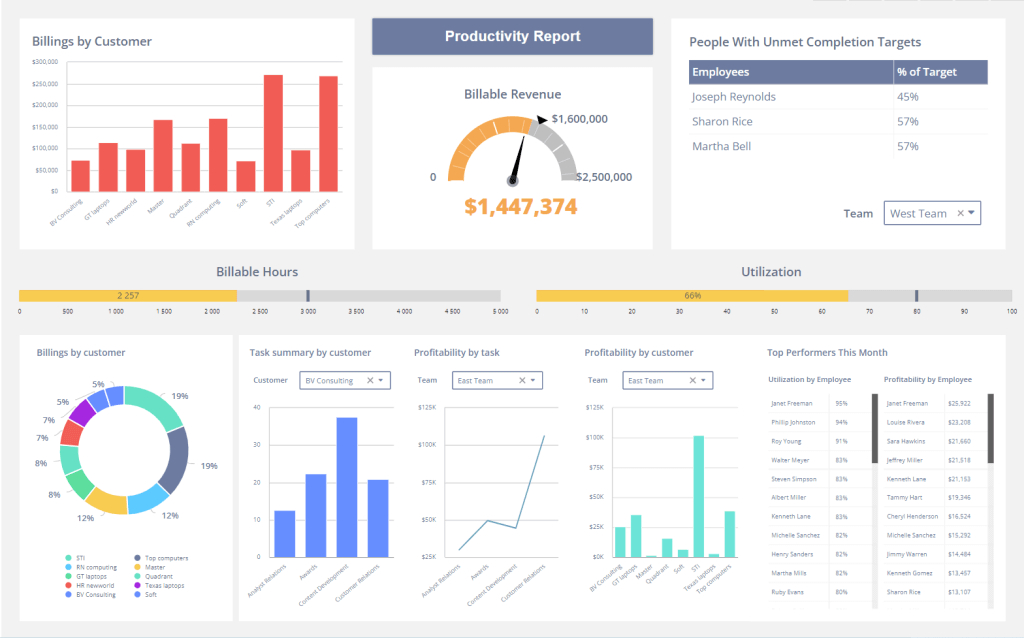 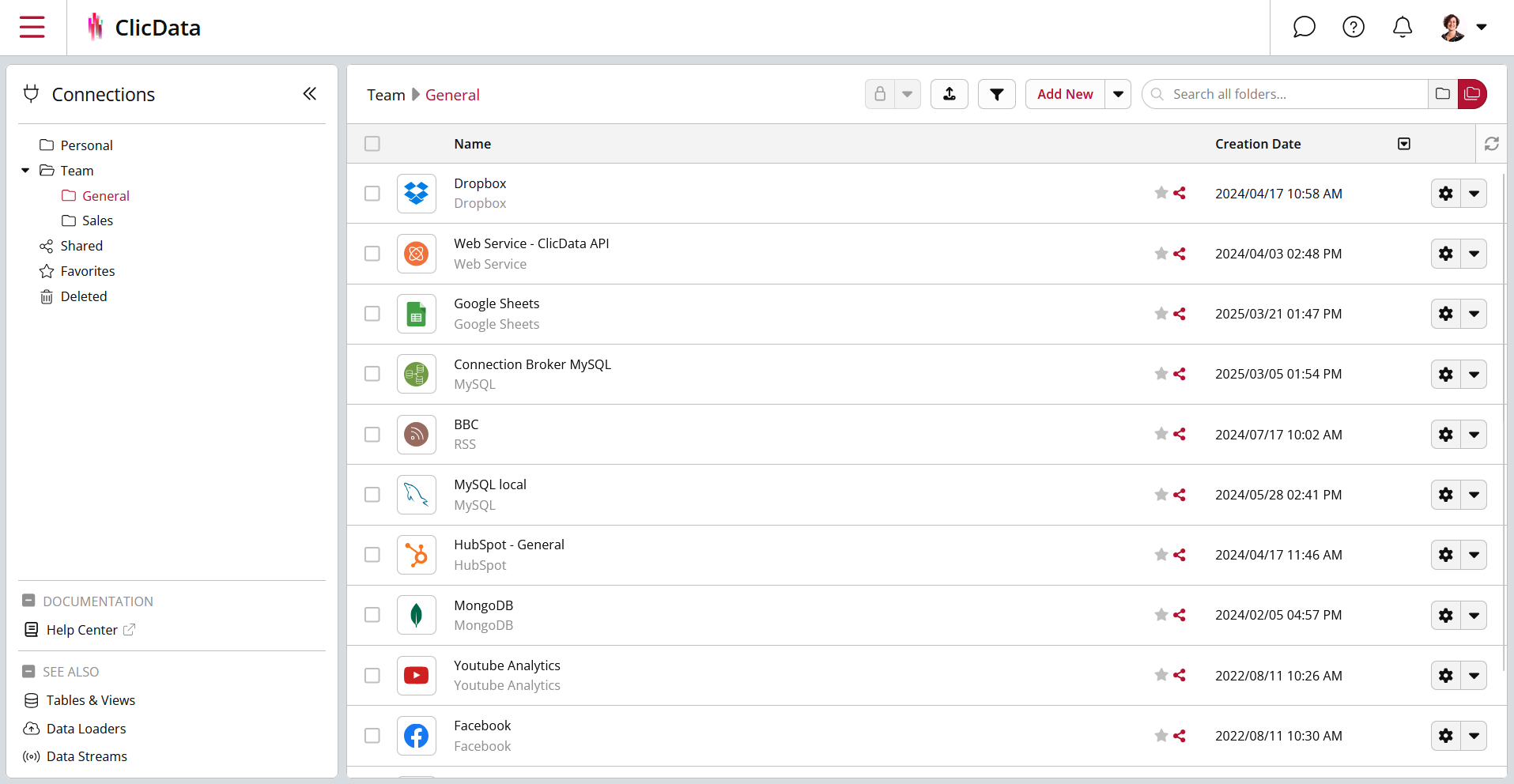 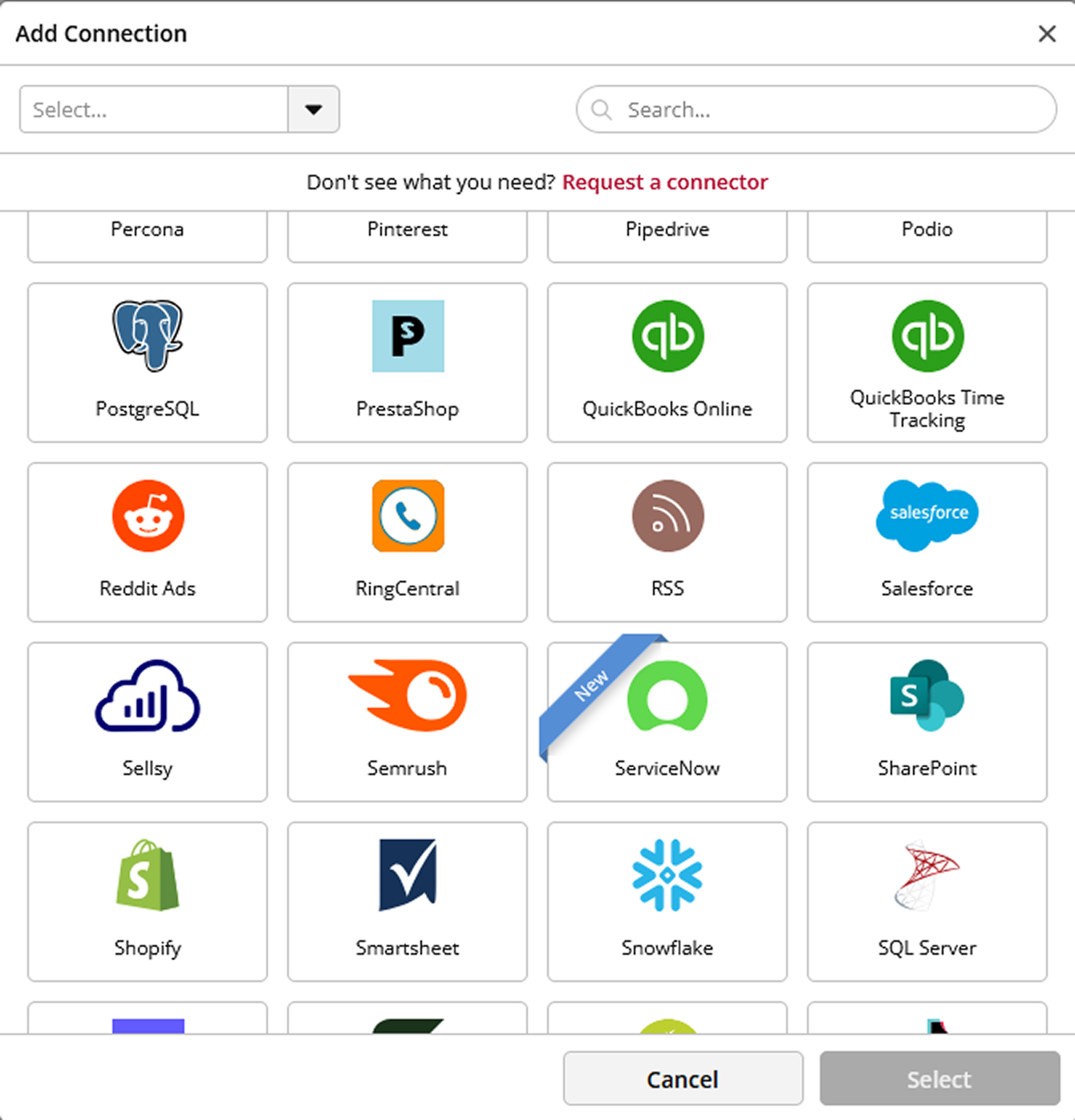 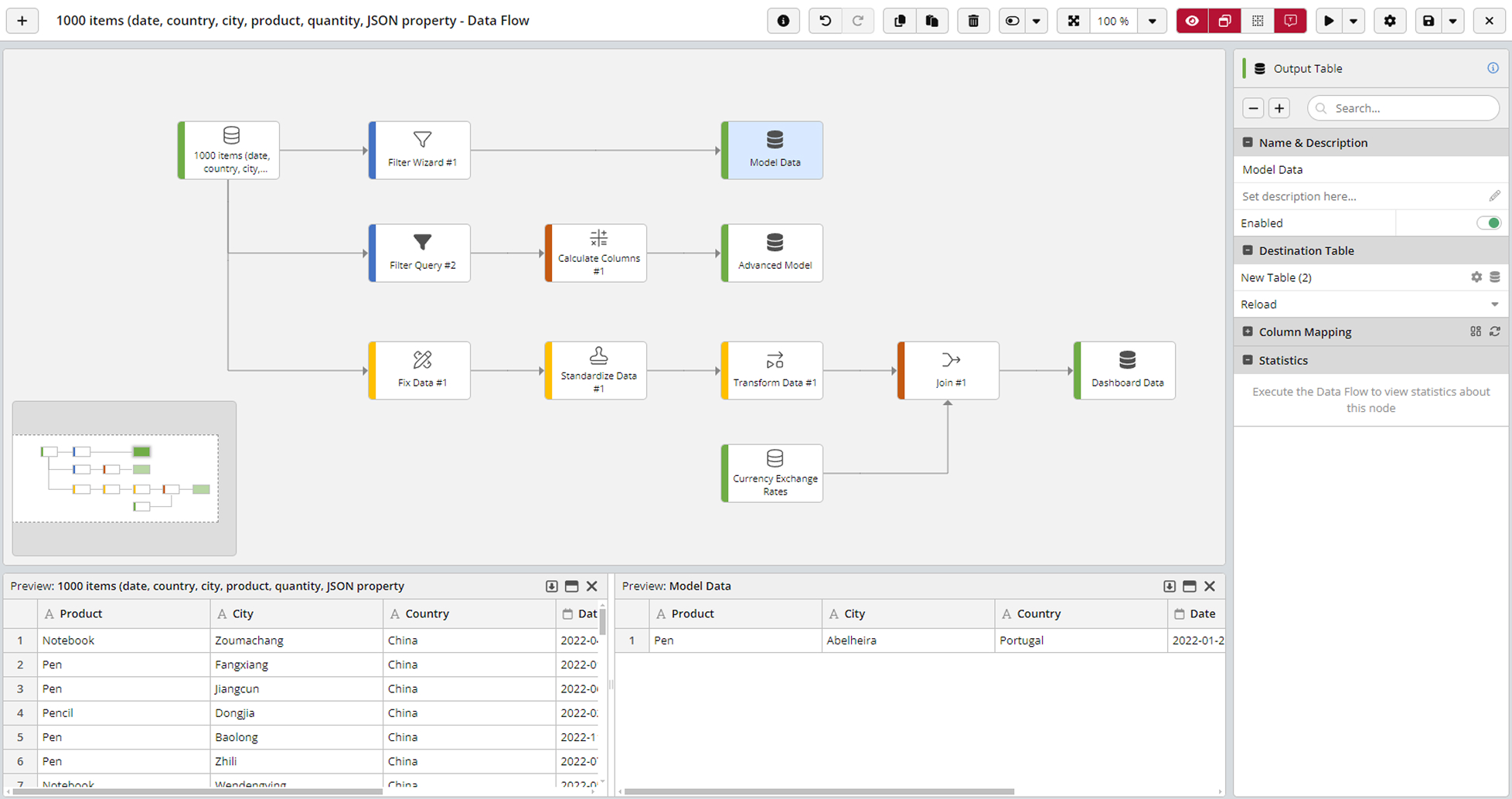 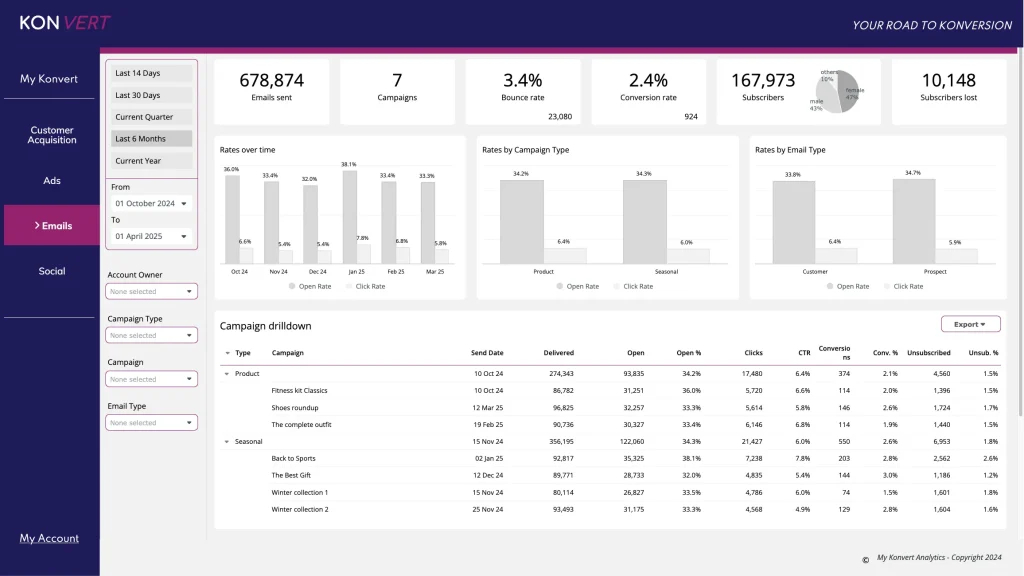 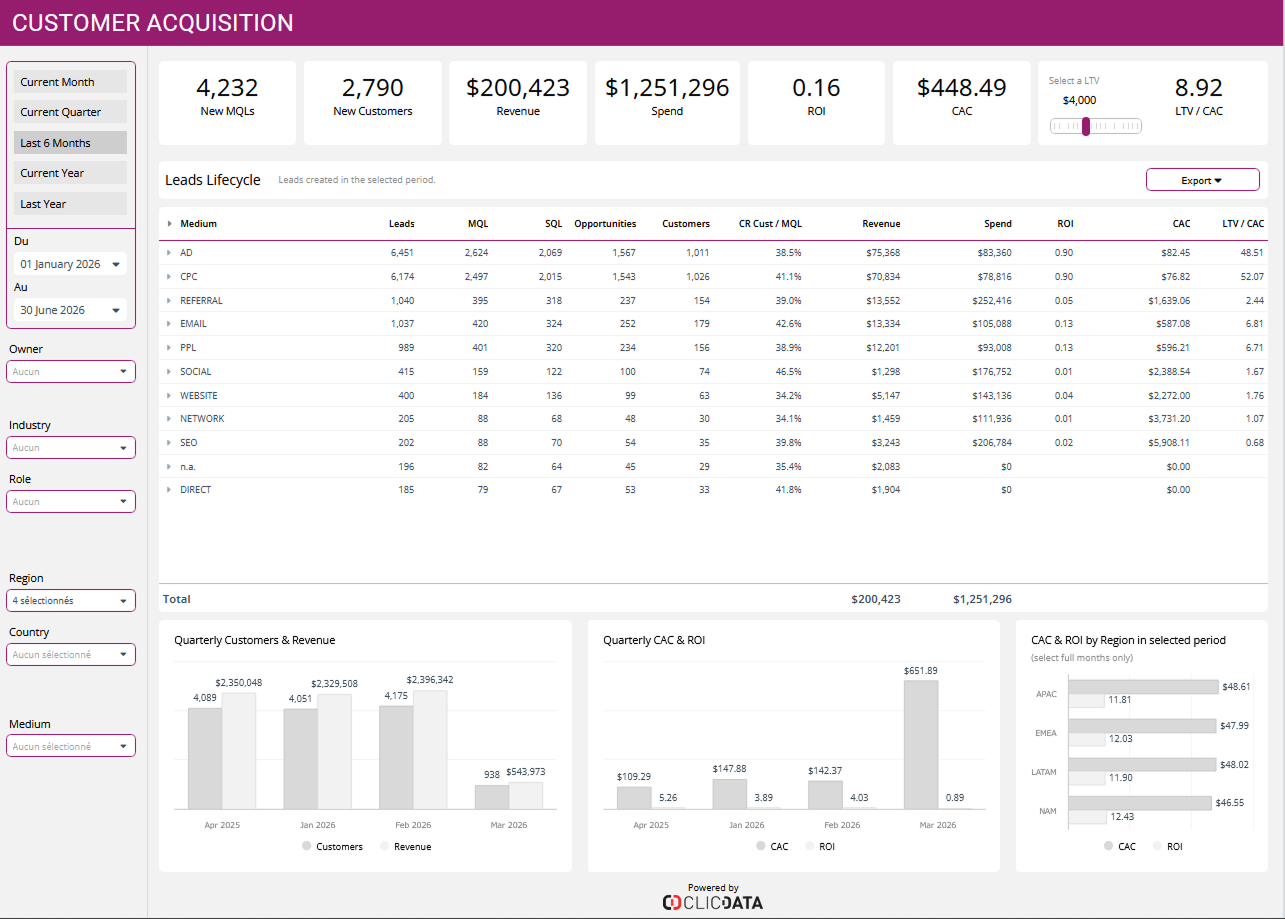 | Tableau Server Screenshots     |


