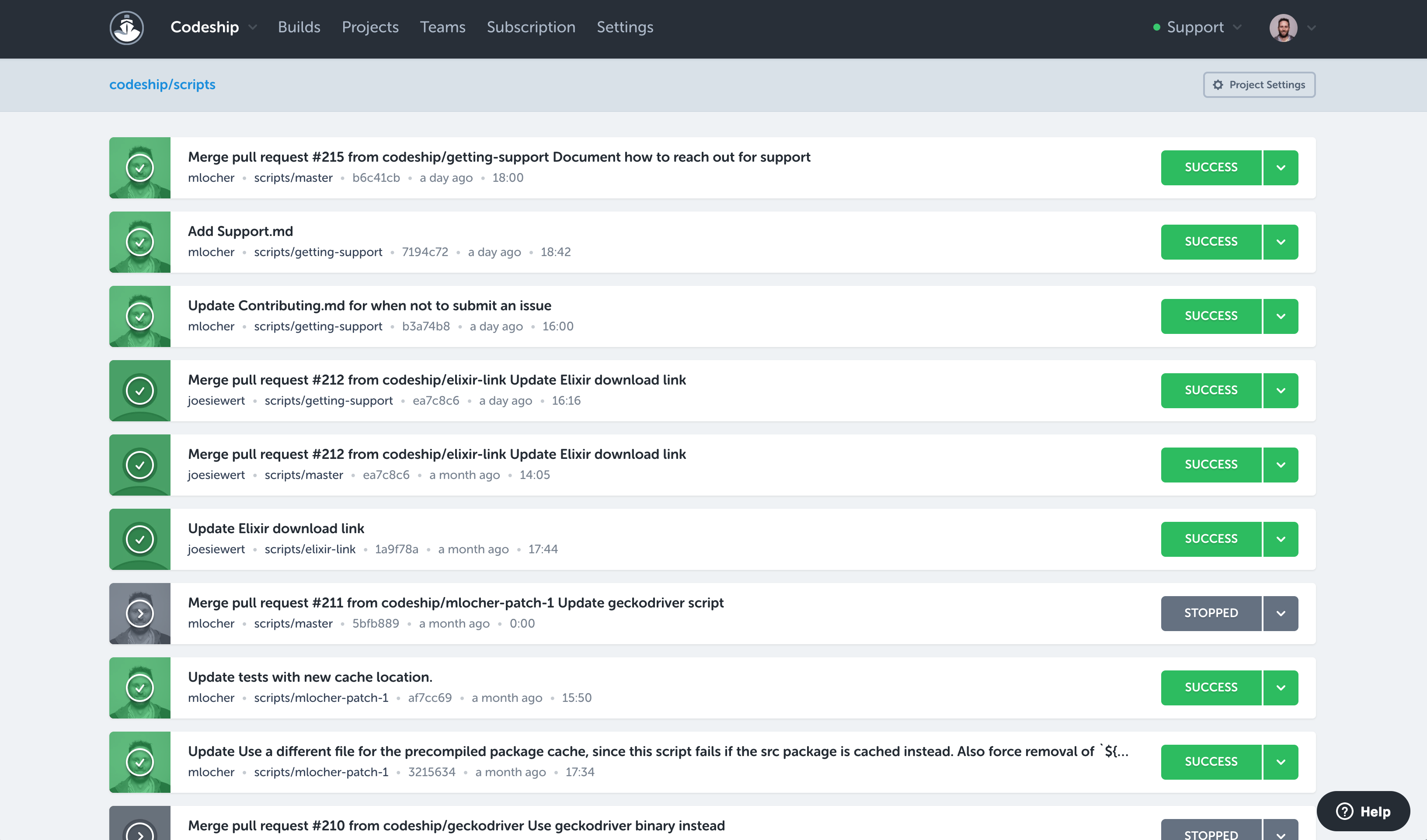
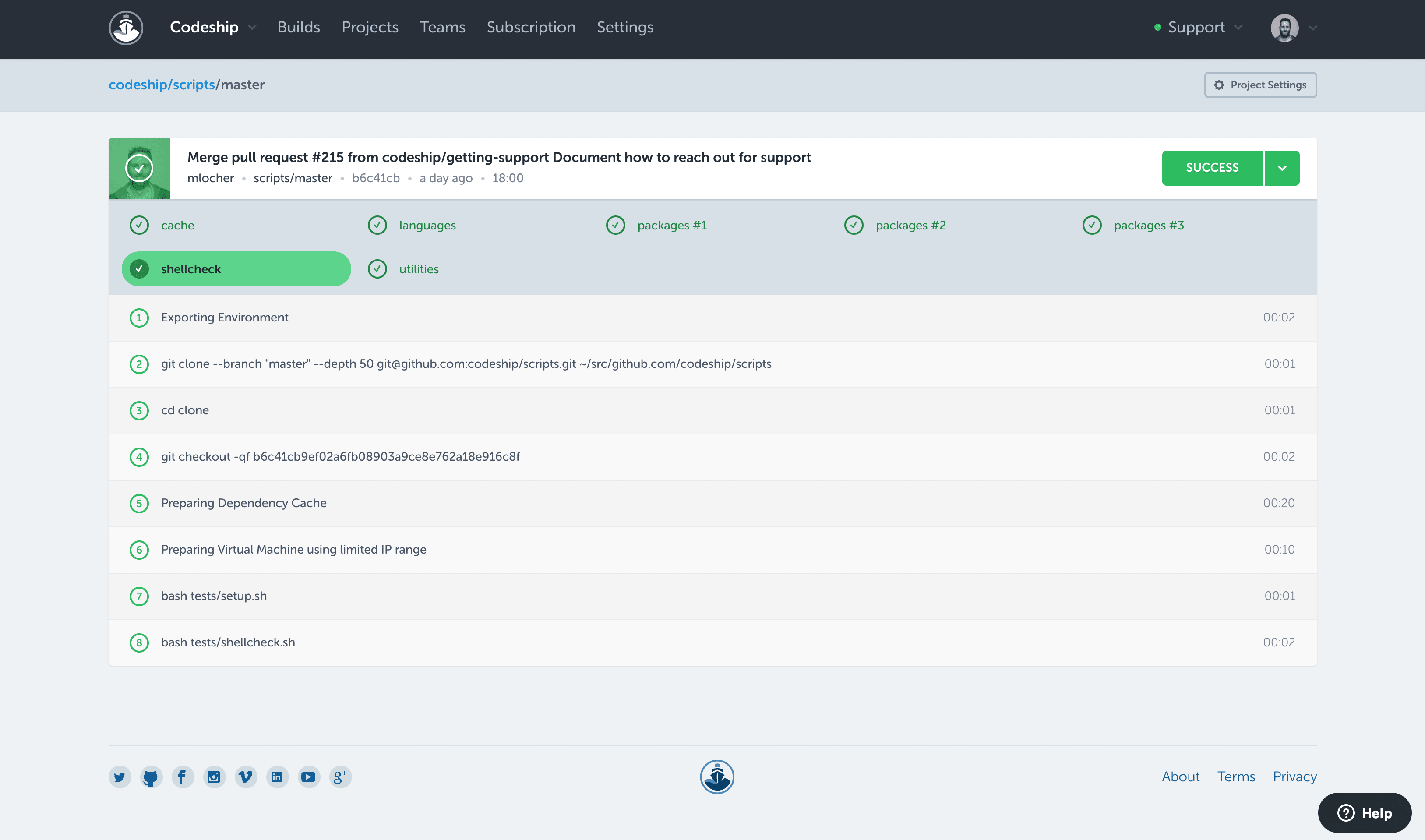
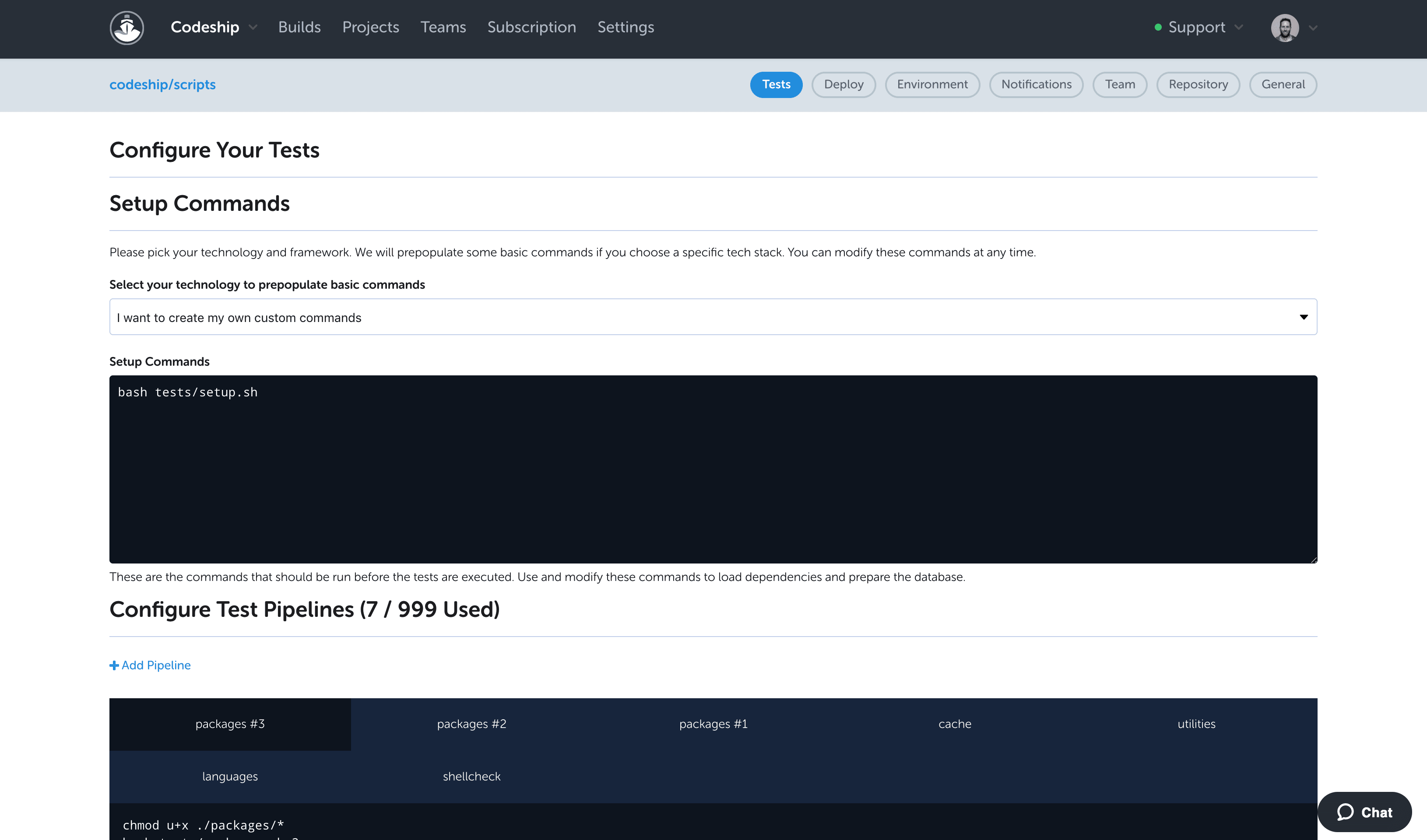
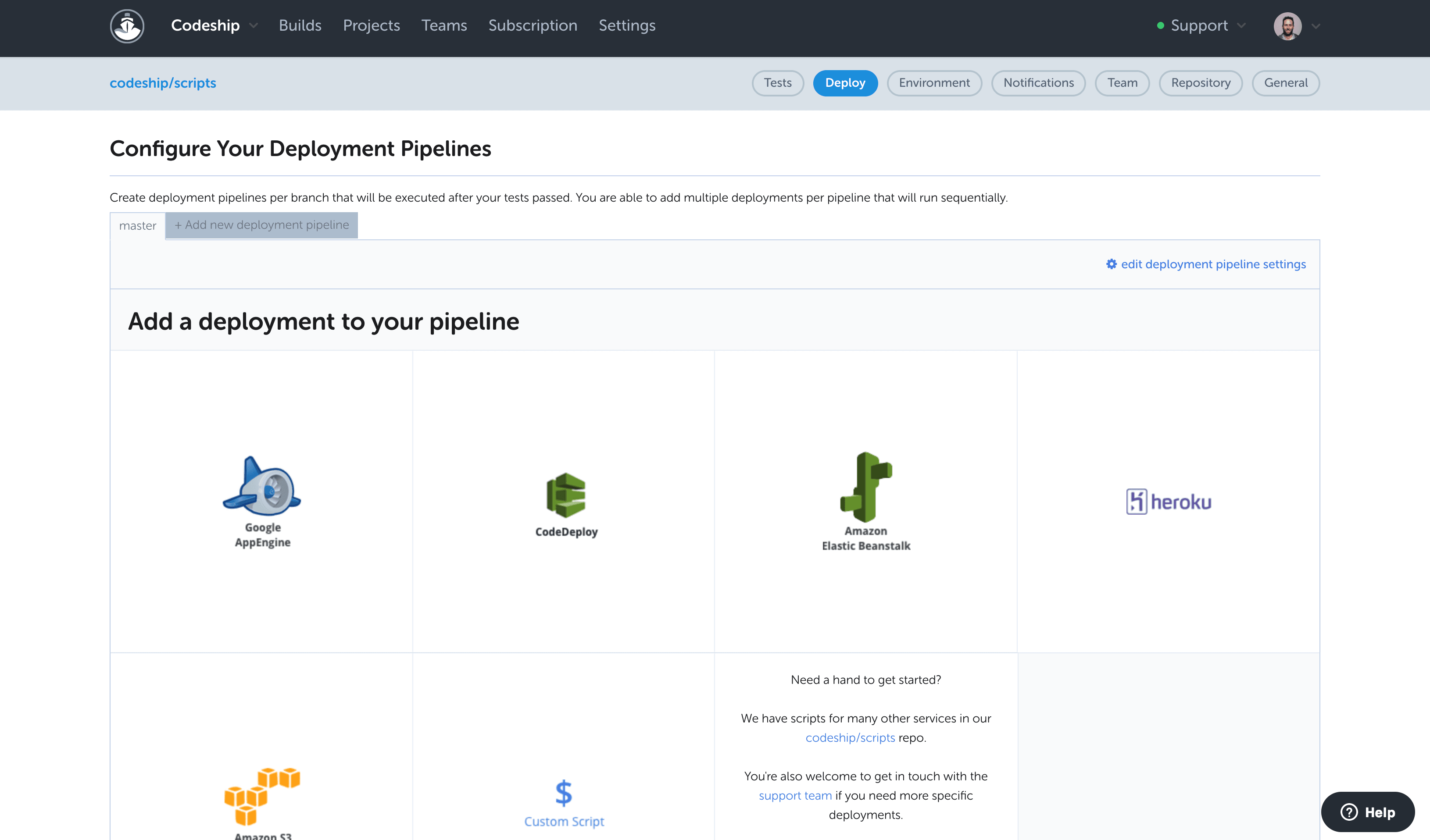
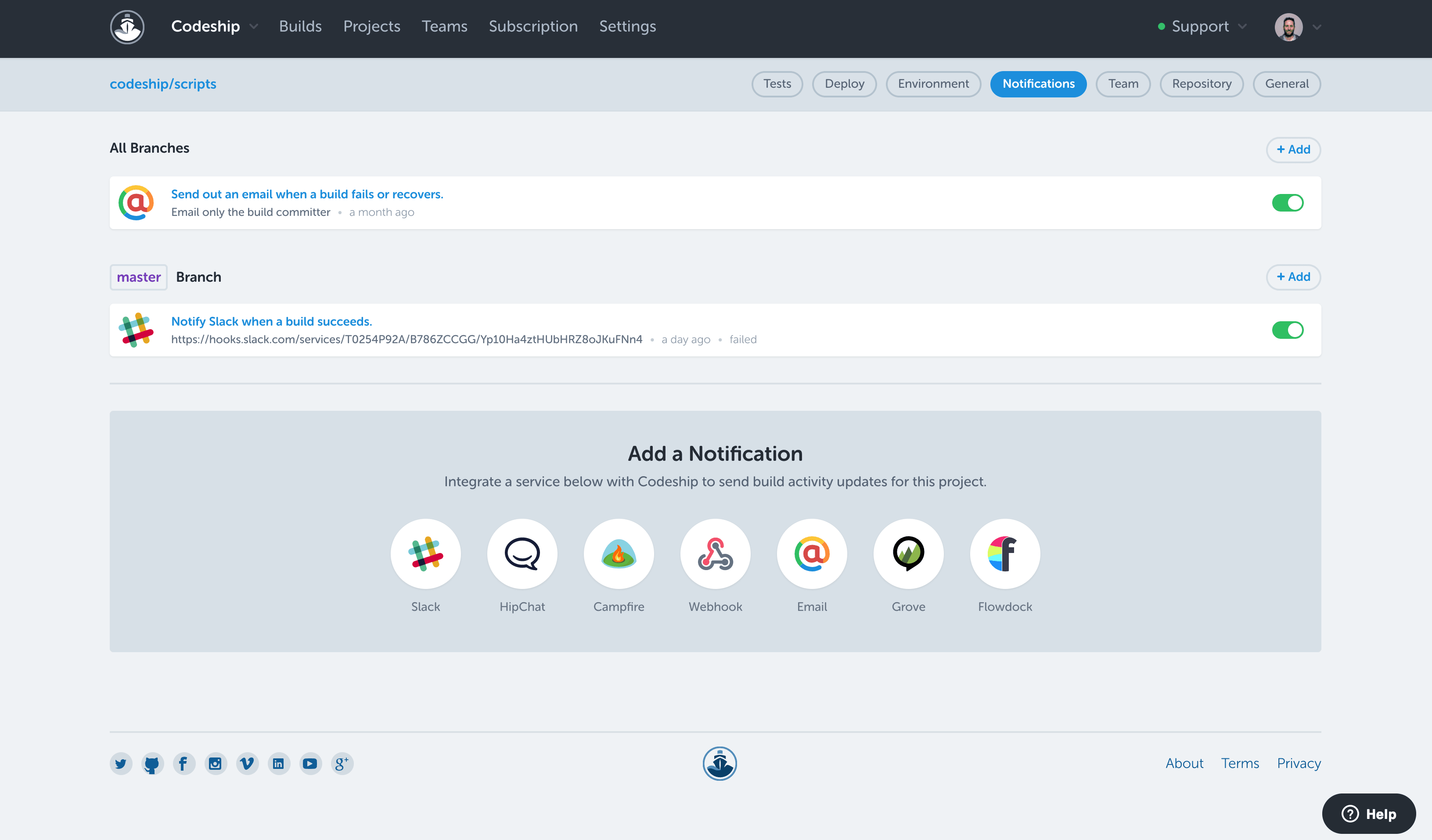
Codeship from CloudBees is a build automation platform from the Austrian company of the same name.
N/A
Cloudflare
Score8.9 out of 10
N/A
Cloudflare’s connectivity cloud is a unified platform of cloud-native services designed to help enterprises regain control over their IT environments. Powered by an intelligent, programmable global cloud network, it is built to offer security, performance, visibility, and reliability.
Codeship is extremely well suited for projects that are version controlled on public hosting such as Github or Bitbucket, and for situations where you need to pick up code from these systems and deploy it to different cloud environments. For example, we had two projects for the same client that were hosted on Github and needed to be deployed to AWS and Heroku. The native CI/CD tools of these cloud environments could not provide a holistic solution to deploy to both environments the way Codeship did.
A de minimis incentive was given to thank the reviewer for their time. The incentive was not used to bias or drive a particular response, nor was the incentive contingent on a positive endorsement. More Info
Cloudflare has features as a CDN/Gateway/Reverse Proxy that simply don't exist in other solutions. Having so many capabilities under a single platform, with solid support and high uptime, has been essential. I would recommend it for hobby projects all the way to enterprise scale. There's a lot of push around AI and workers. Some feel like Cloudflare is following the hype. But after reading a lot about the new features, a decent amount of them has real value.
A de minimis incentive was given to thank the reviewer for their time. The incentive was not used to bias or drive a particular response, nor was the incentive contingent on a positive endorsement. More Info
Codeship provides a set of tools for quickly creating and building our deployment artifacts and push them to the designated servers.
Codeship's hooks allows our developers to simply push tags from our git repositories to initiate a deployment of code to a server. No one outside of the devops team needs any expertise to get our code packages delivered.
Codeship allows us to tie in behat and unit tests easily to prevent delivery of buggy code.
A de minimis incentive was given to thank the reviewer for their time. The incentive was not used to bias or drive a particular response, nor was the incentive contingent on a positive endorsement. More Info
The best part is the content delivery network. Cloudflare has a large network of data centres around the world that helps cache and delivers content quickly to our customers.
Cloudflare offers us with a fast and reliable DNS service and with the world class features such as Cloudflare workers, SSL verification, certificate management and web application firewall. When all of these are combined together, it provides very strict security for our organization.
One of the most important feature that we use is the analytics and threat detection. It provides us with the real time insights of all the threats originating from multiple locations and landing on our websites.
A de minimis incentive was given to thank the reviewer for their time. The incentive was not used to bias or drive a particular response, nor was the incentive contingent on a positive endorsement. TR verified that a representative sample of customers was invited. More Info
I would like to see a little bit more than the green/red status. If there are tests, it would be good to see how many have failed on a red build.
To improve build times (and reduce feedback times), it would be good to see how long build, tests, and deployment take over time. An overview like that could very easily point to potential areas of improvement. I think Codeship users do not want to bother with the build process, but, if there is anything to improve and increase productivity it's very unlikely that users wouldn't want to do this.
In some cases, using Cloudflare can actually lead to slower website speeds if the network is congested or if the website's traffic is particularly heavy.
Some website owners may find that the level of customization offered by Cloudflare is limited, especially in comparison to other solutions.
While Cloudflare is easy to set up and manage, it may be too complex for users who are not familiar with web technologies.
A de minimis incentive was given to thank the reviewer for their time. The incentive was not used to bias or drive a particular response, nor was the incentive contingent on a positive endorsement. More Info
A de minimis incentive was given to thank the reviewer for their time. The incentive was not used to bias or drive a particular response, nor was the incentive contingent on a positive endorsement. More Info
Everything is extremely concise and all settings apply immediately and take effect globally. There is no reason to explicitly plan/think in terms of individual regions as one would have to traditional cloud offerings (AWS, OCI, Azure). All Cloudflare products integrate seamless as part of a single pipeline that executes from request to response.
A de minimis incentive was given to thank the reviewer for their time. The incentive was not used to bias or drive a particular response, nor was the incentive contingent on a positive endorsement. More Info
A de minimis incentive was given to thank the reviewer for their time. The incentive was not used to bias or drive a particular response, nor was the incentive contingent on a positive endorsement. More Info
A de minimis incentive was given to thank the reviewer for their time. The incentive was not used to bias or drive a particular response, nor was the incentive contingent on a positive endorsement. More Info
While I have had good support in the past from Cloudflare's technical support team, I have had some terrible experiences with billing support. I have had multiple tickets sent to their billing support that I will never receive a reply to for over a month. When I finally do get a reply, it has been an automated email that never gives me an answer to my question.
A de minimis incentive was given to thank the reviewer for their time. The incentive was not used to bias or drive a particular response, nor was the incentive contingent on a positive endorsement. TR verified that a representative sample of customers was invited. More Info
A de minimis incentive was given to thank the reviewer for their time. The incentive was not used to bias or drive a particular response, nor was the incentive contingent on a positive endorsement. More Info
Our company uses Jenkins for all internal deployment processes for one very important reason - it's hosted internally. But Codeship is great for personal use - it has intuitive UI, easy setup and tons of integrations.
A de minimis incentive was given to thank the reviewer for their time. The incentive was not used to bias or drive a particular response, nor was the incentive contingent on a positive endorsement. More Info
Nothing like it. Organizations can utilize these Cloudflare products to enhance their online presence by improving security, performance, reliability, and developer efficiency. Cloudflare is an American company that delivers services such as DNS, a content delivery network (CDN), and various other additional services to make websites faster and more secure. Cloudflare is used by over 26 million sites, resulting in the processing of more than 1 billion IP addresses each day.
A de minimis incentive was given to thank the reviewer for their time. The incentive was not used to bias or drive a particular response, nor was the incentive contingent on a positive endorsement. More Info
A de minimis incentive was given to thank the reviewer for their time. The incentive was not used to bias or drive a particular response, nor was the incentive contingent on a positive endorsement. More Info
Having the code tested thoroughly. While it's obviously a part of the job that still requires the developer to sit down and to actually have some decent and thorough tests implemented, by using codeship we were able to guarantee 100% that our code was being tested each and every time it got commited and pushed onto our repositories. Leading to a faster, shorter and sure implementation iterative cycle.
Fewer 'man in the middle' processes which required more steps and people involved just to get the code shipped onto our deployment servers.
Almost inexistent learning curve. Codeship is simple to use and very intuitive. Nobody in our development department had a hard time figuring out how to have it properly configured for each new project created there.
A de minimis incentive was given to thank the reviewer for their time. The incentive was not used to bias or drive a particular response, nor was the incentive contingent on a positive endorsement. More Info
Immediate ROI on Registrar and DNS hosting while giving a single plane of glass to managing both with domain registrations at cost, and no cost DNS hosting
WAF helped us move at risk servers/applications into a protected state allowing us to perform remediations at a measured pace and get them done right instead of band aide solutions.
CDN proxying increase the speed of our website while simultaneously reducing server load.
DMARC management and report interpretation allow use to identify weak points in our email systems, remediate and move to stricter policies without significantly increasing staff time spent managing it.
A de minimis incentive was given to thank the reviewer for their time. The incentive was not used to bias or drive a particular response, nor was the incentive contingent on a positive endorsement. More Info