
CoreMedia vs. HCL Digital Experience vs. Optimizely One
CoreMedia vs. HCL Digital Experience vs. Optimizely One
| Product | Rating | Most Used By | Product Summary | Starting Price |
|---|---|---|---|---|
 CoreMedia | N/A | CoreMedia is a composable DXP with a hybrid headless CMS that unifies content, data and AI to deliver personalized omnichannel experiences. It supports real-time optimization, automation, localization and flexible deployment, enhancing efficiency across marketing, content and customer interactions. | N/A | |
 HCL Digital Experience | N/A | HCL Digital Experience is based on the former IBM Web Content Manager and IBM WebSphere Portal products, acquired by HCL Technologies from IBM in late 2018. The product allows the user to create, manage and deliver engaging omnichannel digital experiences to audiences with responsive content, targeted offers, seamlessly integrated applications and consistent branding across channels (web, mobile, and hybrid mobile/web applications and more). | N/A | |
 Optimizely One | N/A | Optimizely One is a digital experience platform, helping marketing and product teams accelerate digital growth, powering the marketing and digital lifecycle from planning to analysis through a unified workflow. Optimizely One accelerates every step of the process with embedded AI. | N/A |
| CoreMedia | HCL Digital Experience | Optimizely One | ||||||||||||||||||||||
|---|---|---|---|---|---|---|---|---|---|---|---|---|---|---|---|---|---|---|---|---|---|---|---|---|
| Editions & Modules | No answers on this topic | No answers on this topic | No answers on this topic | |||||||||||||||||||||
| Offerings |
| |||||||||||||||||||||||
| Entry-level Setup Fee | No setup fee | No setup fee | Optional | |||||||||||||||||||||
| Additional Details | — | — | — | |||||||||||||||||||||
| More Pricing Information | ||||||||||||||||||||||||
| CoreMedia | HCL Digital Experience | Optimizely One |
|---|
| CoreMedia | HCL Digital Experience | Optimizely One | |||||||||||||||||||||||||||||||||||
|---|---|---|---|---|---|---|---|---|---|---|---|---|---|---|---|---|---|---|---|---|---|---|---|---|---|---|---|---|---|---|---|---|---|---|---|---|---|
| Security |
| ||||||||||||||||||||||||||||||||||||
| Platform & Infrastructure |
| ||||||||||||||||||||||||||||||||||||
| Web Content Creation |
| ||||||||||||||||||||||||||||||||||||
| Web Content Management |
|
| CoreMedia | HCL Digital Experience | Optimizely One | |
|---|---|---|---|
| Small Businesses |  Bloomreach Score 9.0 out of 10 | Bloomreach Score 9.0 out of 10 | Bloomreach Score 9.0 out of 10 |
| Medium-sized Companies |  RWS Tridion Sites Score 9.0 out of 10 | RWS Tridion Sites Score 9.0 out of 10 | RWS Tridion Sites Score 9.0 out of 10 |
| Enterprises | RWS Tridion Sites Score 9.0 out of 10 | RWS Tridion Sites Score 9.0 out of 10 | RWS Tridion Sites Score 9.0 out of 10 |
| All Alternatives | View all alternatives | View all alternatives | View all alternatives |
| CoreMedia | HCL Digital Experience | Optimizely One | |
|---|---|---|---|
| Likelihood to Recommend | 6.0 (7 ratings) | 9.0 (11 ratings) | 9.0 (1 ratings) |
| Likelihood to Renew | 5.6 (5 ratings) | 5.7 (6 ratings) | - (0 ratings) |
| Usability | - (0 ratings) | 9.0 (2 ratings) | - (0 ratings) |
| Support Rating | - (0 ratings) | 7.0 (1 ratings) | - (0 ratings) |
| Implementation Rating | 8.0 (1 ratings) | 7.0 (1 ratings) | - (0 ratings) |
| Product Scalability | - (0 ratings) | 9.0 (1 ratings) | - (0 ratings) |
| CoreMedia | HCL Digital Experience | Optimizely One | |
|---|---|---|---|
| Likelihood to Recommend |  CoreMedia
 Brett Harris Lead Software Engineer | HCLSoftware
|  Optimizely
|
| Pros | CoreMedia
| HCLSoftware
 Sowmyamaruthi Lattala Technology Specialist | Optimizely
|
| Cons | CoreMedia
 Nicola Farman Online Marketing Manager | HCLSoftware
| Optimizely
|
| Likelihood to Renew | CoreMedia
Brett Harris Lead Software Engineer | HCLSoftware
 Arwa Nababteh IBM WCM Developer/ team Leader | Optimizely No answers on this topic |
| Usability | CoreMedia No answers on this topic | HCLSoftware
 Alvaro Pariente Alonso IT Project Manager | Optimizely No answers on this topic |
| Support Rating | CoreMedia No answers on this topic | HCLSoftware
Alvaro Pariente Alonso IT Project Manager | Optimizely No answers on this topic |
| Implementation Rating | CoreMedia
Brett Harris Lead Software Engineer | HCLSoftware
Alvaro Pariente Alonso IT Project Manager | Optimizely No answers on this topic |
| Alternatives Considered | CoreMedia
 Sara Halperin Web Specialist | HCLSoftware
 Julien Diet Développeur WEB | Optimizely
|
| Return on Investment | CoreMedia
| HCLSoftware
 Jean-Luc Taillandier Responsable Technique IT | Optimizely
|
| ScreenShots | CoreMedia Screenshots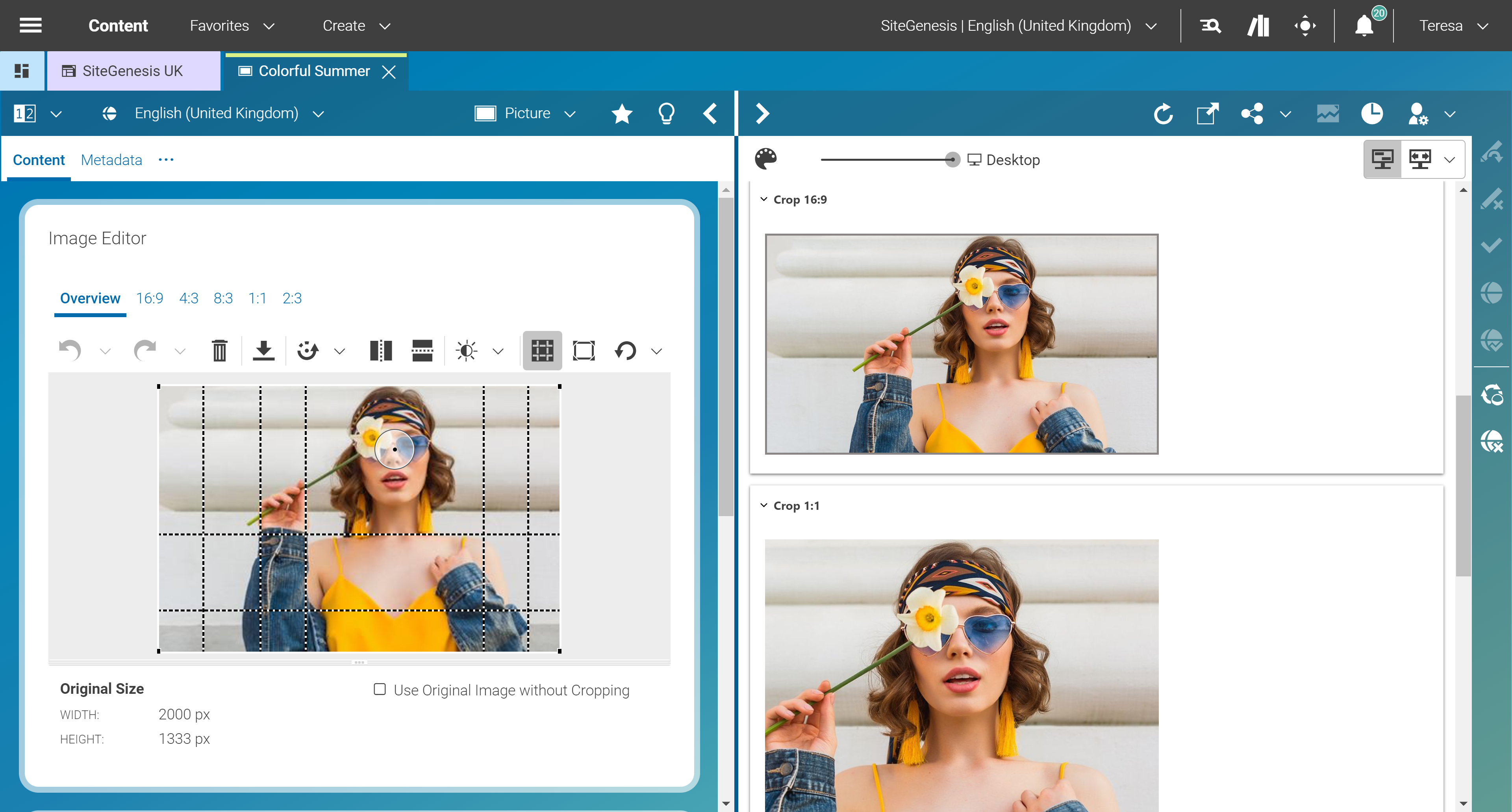 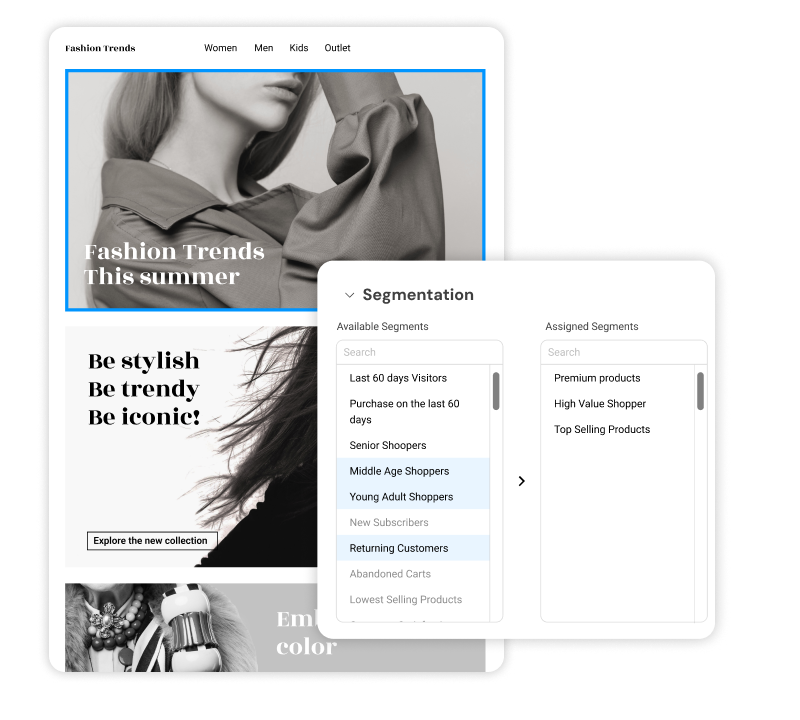 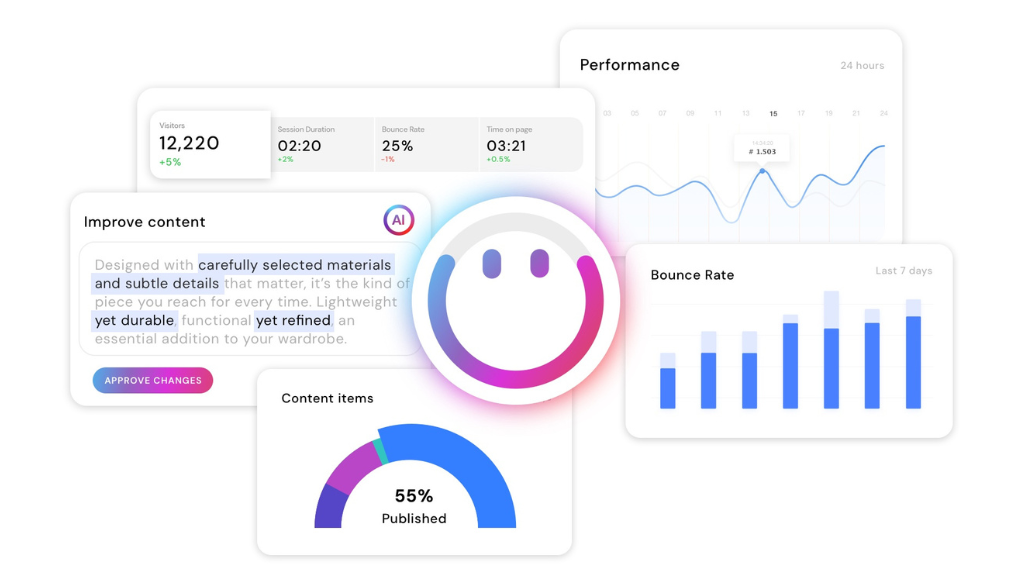 | Optimizely One Screenshots 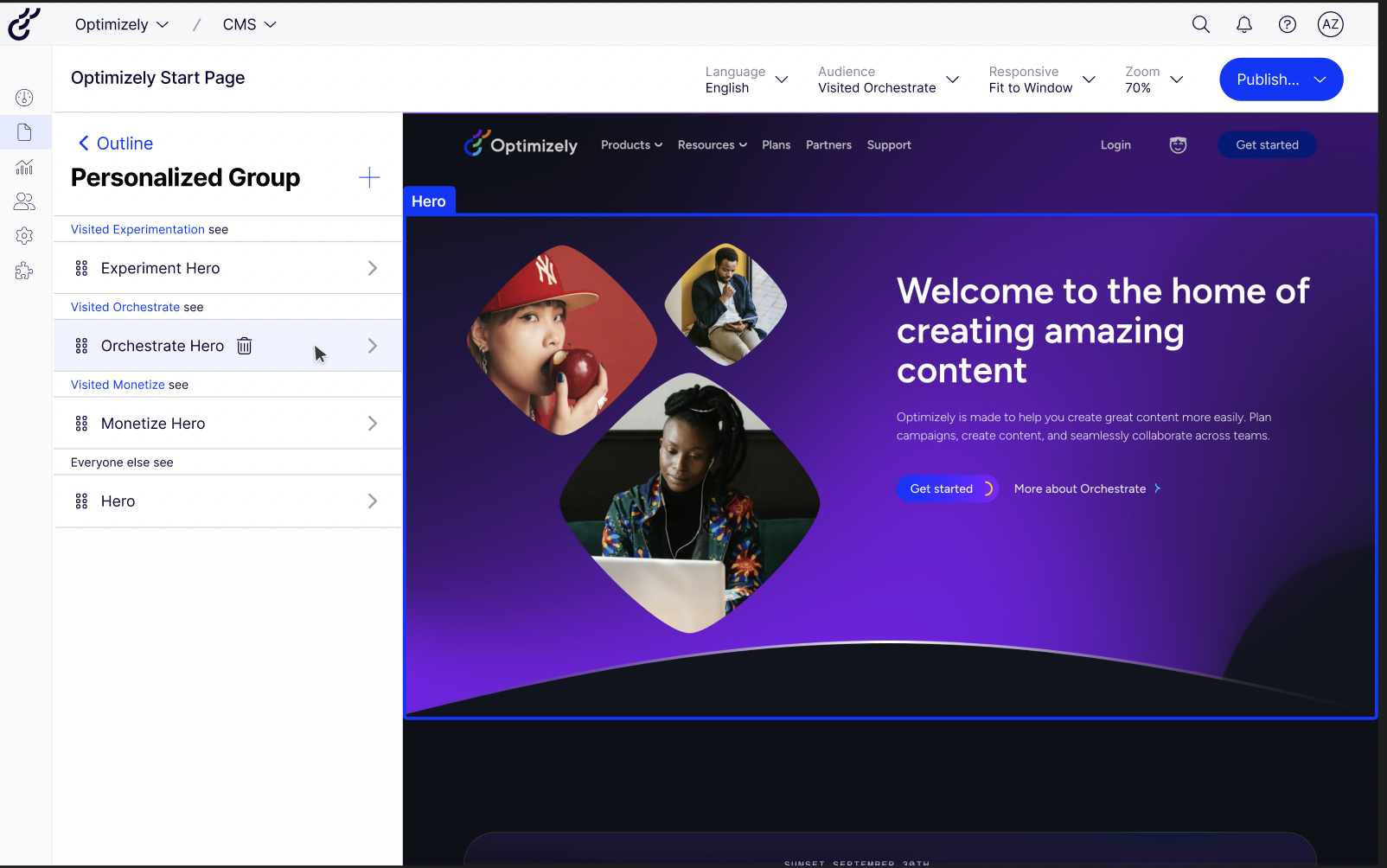 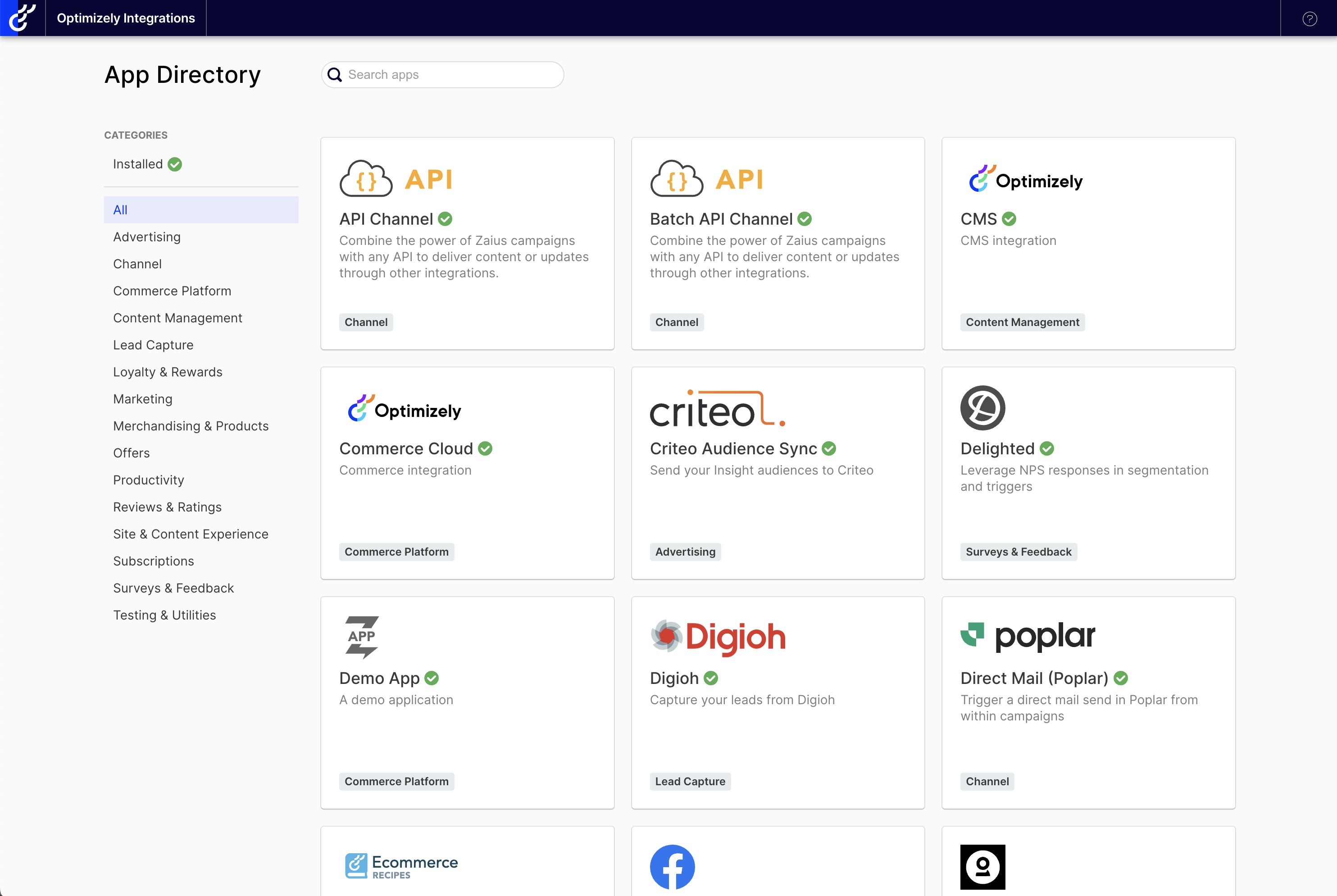    |