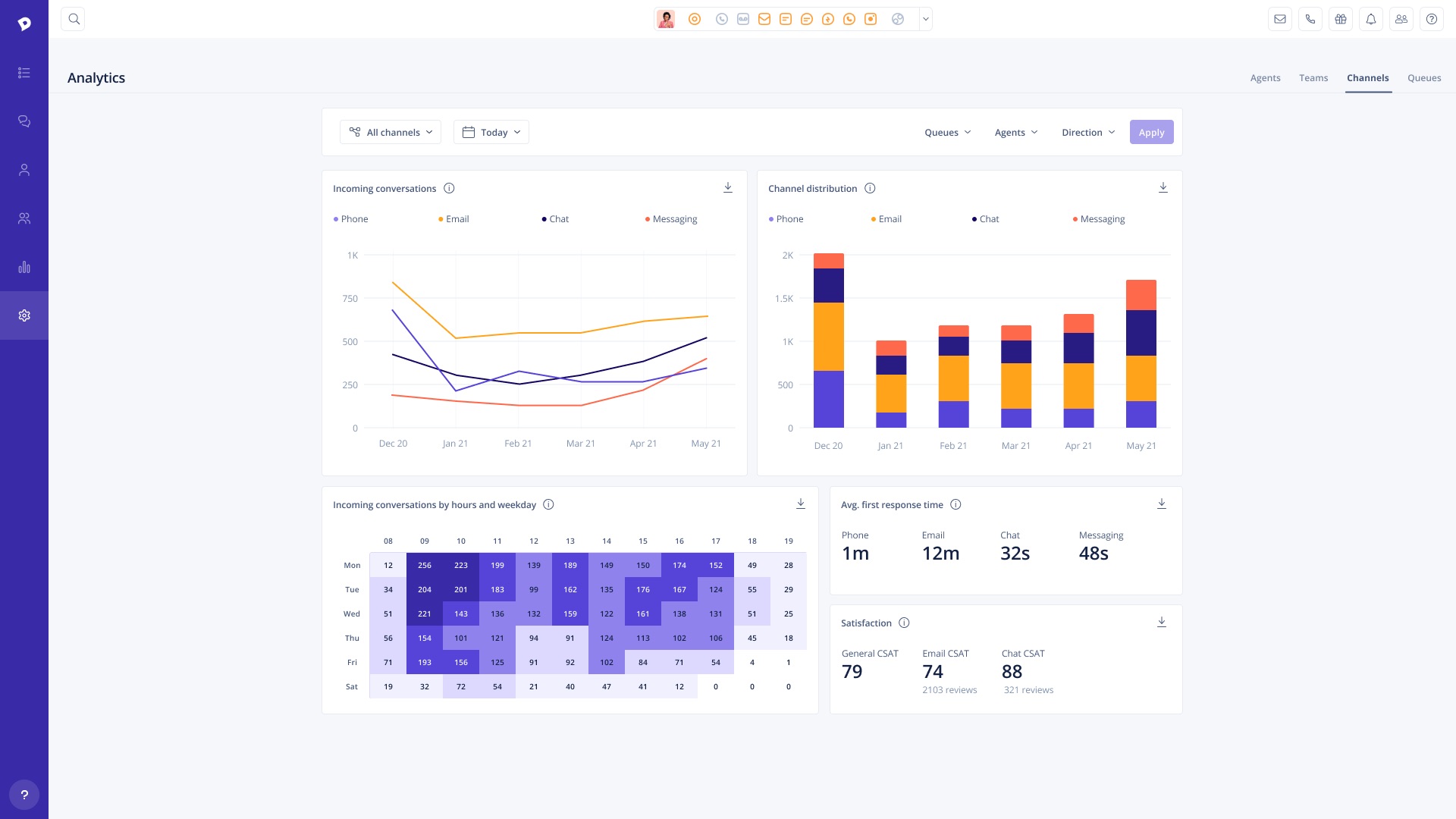
Dixa, headquartered in Copenhagen, offers their VoIP and call center software, featuring browser based phone, email, and live chat, intelligent skill-based call routing and other agent management tools, queue management and prioritization, and other features designed to provide scalable customer support for ecommerce and small businesses.
$39
per month per user
Fin
Score 8.8 out of 10
N/A
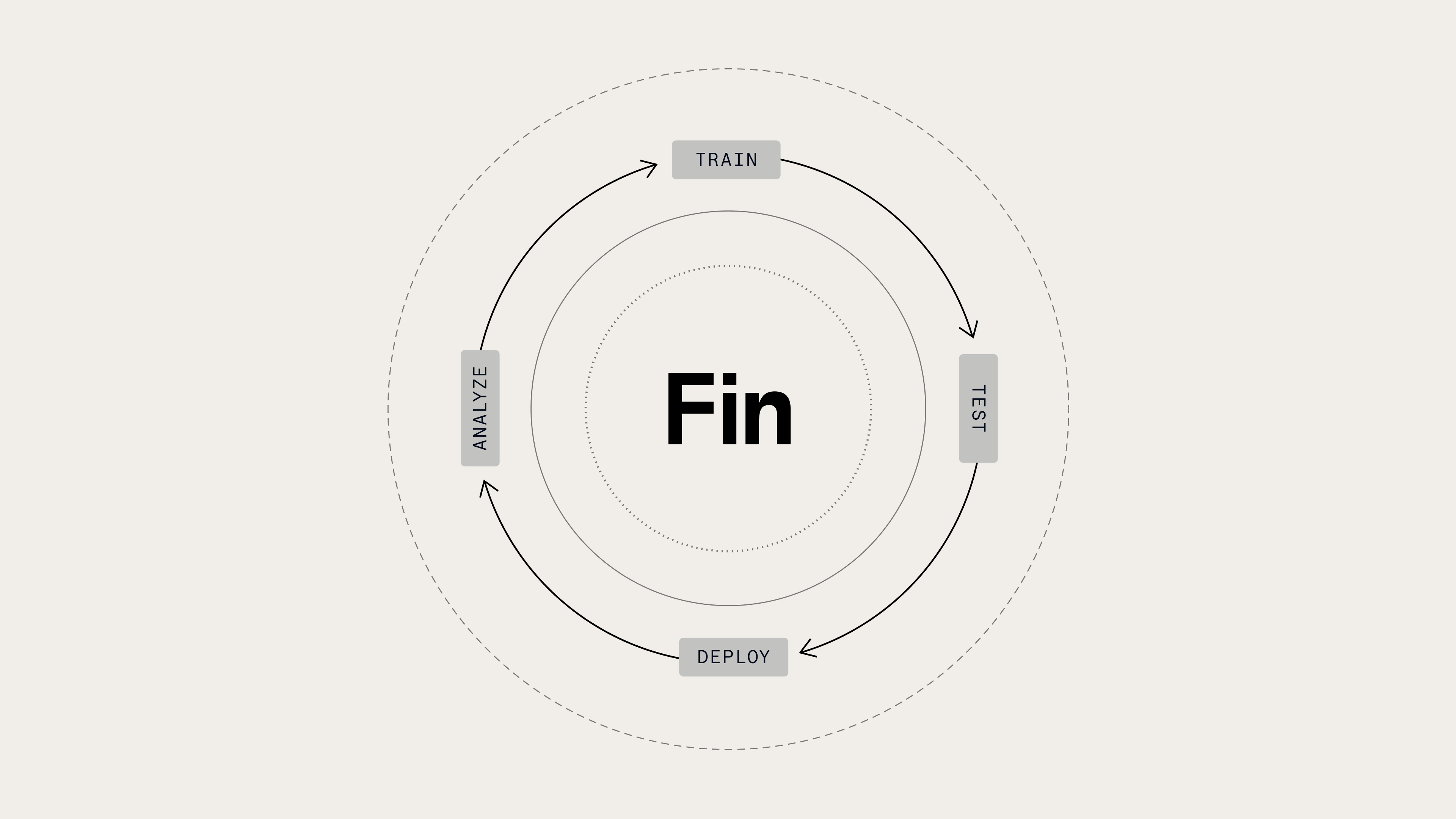
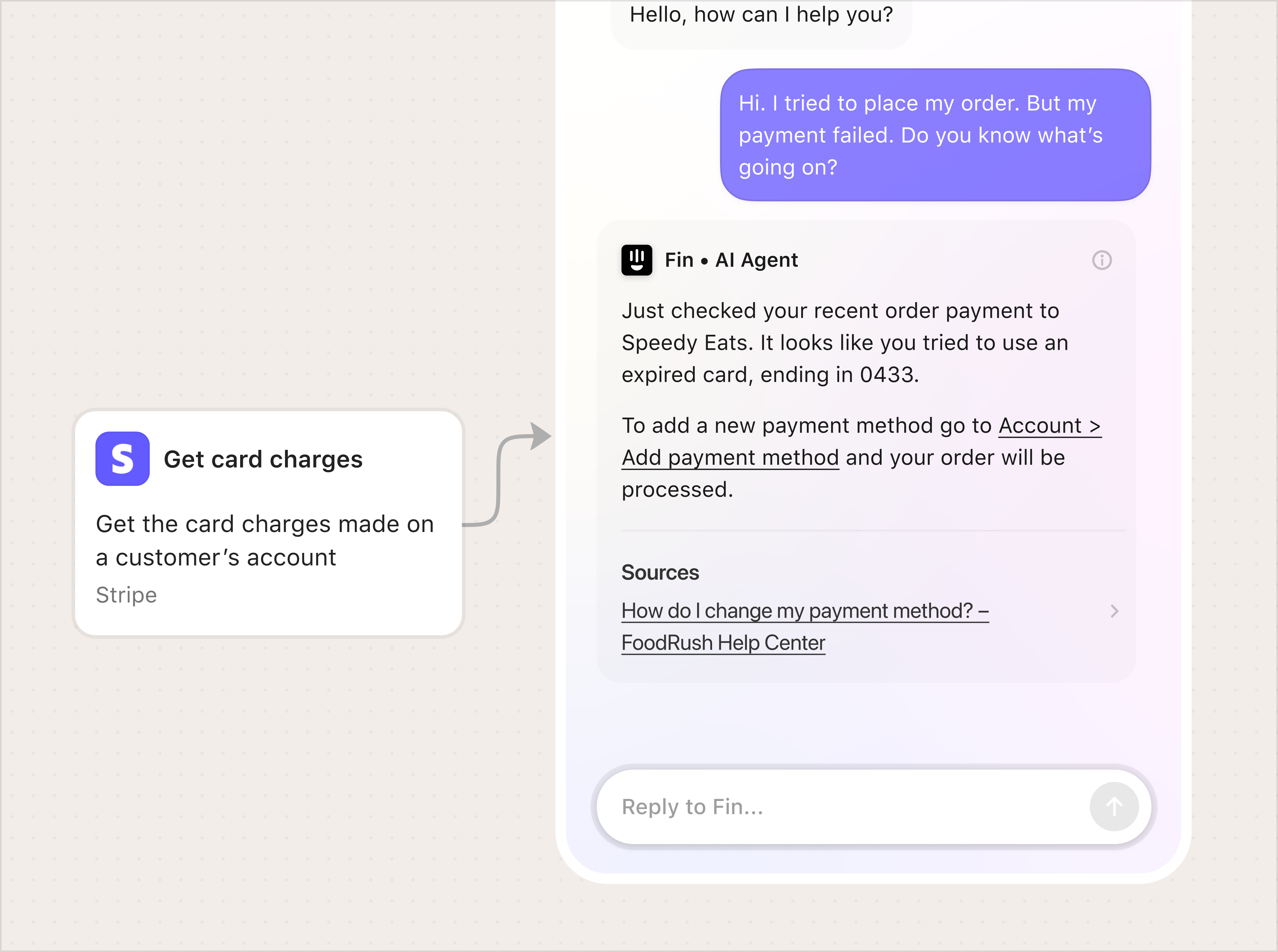
Fin is an AI Agent for customer service. It automates complex queries, improves resolution times, and delivers consistently high-quality support at scale.
$0.99
one-time fee per outcome
Pricing
Dixa
Fin
Editions & Modules
Growth
$109
per month per user
Ultimate
$169
per month per user
Prime
$215
per month per user
*Custom
Contact for quote
per month per user
Fin with your current helpdesk
$0.99
one-time fee per outcome
Copilot add-on
$35
per month per user
Pro add-on
$99
per month For analysis of 1,000 conversations
Fin with Intercom’s Helpdesk
from $39 + $0.99 per Fin outcome
per month per seat
Offerings
Pricing Offerings
Dixa
Fin
Free Trial
Yes
Yes
Free/Freemium Version
No
No
Premium Consulting/Integration Services
Yes
No
Entry-level Setup Fee
Optional
No setup fee
Additional Details
Discount offered for annual billing.
Many product add-ons available:
- Dixa Chatbot
- Dixa Quality and Insights
- Collaboration Users
- Seasonal Agents
Service add-ons
- Active Guidance: Dixa Platform
- Active Guidance: Chatbot & Automation
- Custom Card Integration
Fin comes with a 90-day money-back guarantee. Here's how it works:
Intercom states that users who sign up for the Fin Guarantee Success Program and do not achieve at least a resolution rate of 65% will be paid $1M. This program is designed for high volume customers.
Eligibility criteria:
High volume customers (over 250k monthly conversions) in North America and Europe. Intercom states that phase one of this program will admit customers on Intercom Helpdesk or Zendesk.
More Pricing Information
Community Pulse
Dixa
Fin
Considered Both Products
Dixa
No answer on this topic
Fin
Verified User
Manager
Chose Fin
We initially used Dixa Mim Bot, which is a far inferior chatbot and AI system. It felt like they were behind the curve compared to Intercom, with slow progress and little investment in the future of the Bot. It was very basic in its capabilities and needed more Dev support to …
Dixa may be a more cost-effective cash flow program than other programs used in our organization. Dixa does not require us to change our phone number when using the application because it is adaptable to our current number; the Dixa team handles the interface by quickly adding our phone number to their system. Despite the significant additions and updates to Dixa, our company is very pleased with the results obtained so far.
Fin is fantastic at answering simpler inquiries, where the range and types of questions are easier to categorize. Thereby reducing the subset of possible answers. Where it has shown great improvement - but still needs more improvement - is by becoming a true Agentic AI support engineer that is capable of answering more technically nuanced questions. Our product has a lot of variables used for troubleshooting that cannot be adequately captured in documentation. Even though we provide thousands of pages of spec docs, each issue is unique. Training and empowering Fin to be as good as a Level 1 support engineer is still very challenging.
It seems some users really struggle to figure out how to escalate to a human (especially through email).
Not excited about how "soft" resolutions still count as resolutions and are paid for. Though some abandoned cases appear to be able to be concluded as "the user got the answer they needed", there are others where they clearly didn't, because they just open up another chat (or even more), trying to get more info. This pads the resolution stats and makes it seem more effective than it actually is.
Cost -- Fin is quite expensive. It helps us with scaling coverage, but we're not really saving money.
We have been and will be continuing our journey with Intercom and nothing too concerning has happened that I have experienced or heard of that has us on the edge yet. If it ever happens it will be something along the lines of "Outgrowing" the use of need of the platform.
The platform is overall clear and intuitive. As with any new platform, there's a learning curve, but that wasn't an issue for our team (and it shouldn't be an issue for others). Fin options are scattered across several submenus, and I'd like them grouped together, but I also like having all those training-related tabs open at all times, so it's not much of a real issue for me.
I can get help by asking Fin questions about itself. It answers accurately, citing its own Help Center resources with visuals. It can reason and dialogue well. But when it comes to getting human support for Fin, it is not as quick. It can sometimes take a few days. They are polite and well-meaning. Some things aren't their fault (product limitations), but there was one occasion where something took a long time to resolve with lots of back and forth but it was I who found out the error in the end that they missed, so they didn't really help resolve it.
Value proposition was by far and away the best. Any other system that had the features was much more expensive. The ease of programming made start up cost almost non existent. You have the ability to modify programming easily and do any special projects that invariable need to be accomplished by customer care.
There are so many AI platforms available, and you could theoretically build a system using the available AI API's from any of the big platforms. However, I dont think it's as easy as this. Intercom is deliberately built for customer service, the features they are releasing a based on providing the best customer experience. If we were to build this ourselves or to use another platform we would be taking on the upkeep, using Fin is just much simpler as it's also our chosen ticketing platform so anything that Fin is not able to answer yet and escalated directly to our team with no extra effort required from our side.
New role opportunities — Using the “Fin-first” approach has reduced the workload for our Tier 1 team, giving them more time to focus on their own career growth. It’s also opened the door to a dedicated, AI-focused role, where a team member regularly reviews Fin’s answers and makes updates to help it perform even better.
Enabling Fin has also reduced our response time and allowed us to meet SLA's.