
Subramanian Kuthalingam
Chief Transformation Advisor
Chose GitLab
GitLab is full DevOps product compare with others as just VCS with other product integration. We will have control and security measures with us.

| Product | Rating | Most Used By | Product Summary | Starting Price |
|---|---|---|---|---|
 GitLab | N/A | GitLab is an intelligent orchestration platform for DevSecOps, where software teams enable AI at every stage of the software lifecycle to ship faster. The platform enables teams to automate repetitive tasks across planning, building, securing, testing, deploying, and maintaining software. | $0 per month per user | |
 Planview Portfolios | N/A | Planview Portfolios is an end-to-end project portfolio management and enterprise architecture management tool. It includes two components: Portfolio and Resource Management and Capability and Technology Management. The platform is available as a cloud-based or on-premise service. | N/A | |
 Trello | N/A | Trello from Atlassian is a project management tool based on a Kanban framework. Trello is ideal for task-management in a to-do list format. It supports sharing boards and cards across users or teams. The product offers a free version, and paid versions add greater automation, collaboration, and administrative control. | $6 per month per user |
| GitLab | Planview Portfolios | Trello | ||||||||||||||||||||||
|---|---|---|---|---|---|---|---|---|---|---|---|---|---|---|---|---|---|---|---|---|---|---|---|---|
| Editions & Modules |
| No answers on this topic |
| |||||||||||||||||||||
| Offerings |
| |||||||||||||||||||||||
| Entry-level Setup Fee | Optional | No setup fee | No setup fee | |||||||||||||||||||||
| Additional Details | GitLab Credits enable flexible, consumption-based access to agentic AI capabilities in the GitLab platform, allowing you to scale AI adoption at your own pace while maintaining cost predictability. Powered by Duo Agent Platform, GitLab’s agentic AI capabilities help software teams to collaborate at AI speed, without compromising quality and enterprise security. If usage exceeds monthly allocations and overage terms are accepted, automated on-demand billing activates without service interruption, so your developers never lose access to AI capabilities they need. Real-time dashboards provide transparency into AI consumption patterns. Software teams can see usage across users, projects, and groups with granular attribution for cost allocation. Automated threshold alerts facilitate proactive planning. Advanced analytics deliver trending, forecasting, and FinOps integration. | — | A discount is offered for annual billing and for larger numbers of users. | |||||||||||||||||||||
| More Pricing Information | ||||||||||||||||||||||||
| GitLab | Planview Portfolios | Trello | |
|---|---|---|---|
| Considered Multiple Products | GitLab Subramanian Kuthalingam Chief Transformation Advisor Chose GitLab GitLab is full DevOps product compare with others as just VCS with other product integration. We will have control and security measures with us. |  Planview Portfolios  Martin Monteiro Business Analyst Chose Planview Portfolios Planview Enterprise allows us to maintain a hierarchy of projects and resources and allows us to report on the projects for each department. |  Trello  Guy Stephane Waffo Software Engineering Chose Trello Trello is better than GitLab CI and other tools because it provides a very simple way of managing project with just lists and draggable components. Also, thanks to Mobile version, it is really easy for a team lead to manage his projects at anytime of a day. So I widely … |
| GitLab | Planview Portfolios | Trello | |||||||||||||||||||||||||||||||||||||||||||||||||||||||||||
|---|---|---|---|---|---|---|---|---|---|---|---|---|---|---|---|---|---|---|---|---|---|---|---|---|---|---|---|---|---|---|---|---|---|---|---|---|---|---|---|---|---|---|---|---|---|---|---|---|---|---|---|---|---|---|---|---|---|---|---|---|---|
| Project Management |
| ||||||||||||||||||||||||||||||||||||||||||||||||||||||||||||
| Professional Services Automation |
|
| GitLab | Planview Portfolios | Trello | |
|---|---|---|---|
| Small Businesses |  GitGuardian Score 9.0 out of 10 |  monday.com Score 8.3 out of 10 |  Stackby Score 8.9 out of 10 |
| Medium-sized Companies |  Veracode Score 8.8 out of 10 |  Planview PPM Pro Score 9.0 out of 10 |  InEight Score 8.4 out of 10 |
| Enterprises | Veracode Score 8.8 out of 10 | Planview PPM Pro Score 9.0 out of 10 | InEight Score 8.4 out of 10 |
| All Alternatives | View all alternatives | View all alternatives | View all alternatives |
| GitLab | Planview Portfolios | Trello | |
|---|---|---|---|
| Likelihood to Recommend | 8.3 (152 ratings) | 8.6 (114 ratings) | 9.4 (222 ratings) |
| Likelihood to Renew | 9.0 (5 ratings) | 9.3 (18 ratings) | 10.0 (6 ratings) |
| Usability | 10.0 (6 ratings) | 7.1 (13 ratings) | 9.4 (60 ratings) |
| Availability | - (0 ratings) | 9.0 (3 ratings) | 10.0 (1 ratings) |
| Performance | 9.0 (1 ratings) | 7.1 (2 ratings) | 10.0 (1 ratings) |
| Support Rating | 10.0 (12 ratings) | 7.5 (13 ratings) | 9.9 (81 ratings) |
| In-Person Training | - (0 ratings) | 6.4 (1 ratings) | 10.0 (1 ratings) |
| Online Training | - (0 ratings) | 6.8 (3 ratings) | - (0 ratings) |
| Implementation Rating | - (0 ratings) | 10.0 (4 ratings) | 8.0 (2 ratings) |
| Configurability | - (0 ratings) | 8.6 (3 ratings) | 5.0 (1 ratings) |
| Contract Terms and Pricing Model | - (0 ratings) | 6.4 (1 ratings) | - (0 ratings) |
| Ease of integration | - (0 ratings) | 4.0 (1 ratings) | - (0 ratings) |
| Product Scalability | 10.0 (1 ratings) | 9.0 (2 ratings) | 10.0 (1 ratings) |
| Professional Services | - (0 ratings) | 8.3 (2 ratings) | - (0 ratings) |
| Vendor post-sale | - (0 ratings) | 8.0 (2 ratings) | 10.0 (1 ratings) |
| Vendor pre-sale | - (0 ratings) | 5.5 (1 ratings) | - (0 ratings) |
| GitLab | Planview Portfolios | Trello | |
|---|---|---|---|
| Likelihood to Recommend | GitLab
| Planview
| Atlassian
 Ellen Valdez, CMP Event Manager |
| Pros | GitLab
| Planview
 Jason Przybycien Capital Systems Analyst | Atlassian
|
| Cons | GitLab
| Planview
| Atlassian
 Nick Butler Trainer and coach |
| Likelihood to Renew | GitLab
 Marco Urrea DevOps Engineer | Planview
 Carol Higgins Project Adminstrator - PMO | Atlassian
 Sahr Saffa CXO |
| Usability | GitLab
| Planview
 Ravindra Basantpurkar DEPUTY MANAGER Manufacturing engineering | Atlassian
|
| Reliability and Availability | GitLab
Marco Urrea DevOps Engineer | Planview
Carol Higgins Project Adminstrator - PMO | Atlassian
|
| Performance | GitLab
Marco Urrea DevOps Engineer | Planview
| Atlassian
|
| Support Rating | GitLab
| Planview
| Atlassian
 Jared DeLong Onboarding & Services Manager |
| In-Person Training | GitLab No answers on this topic | Planview No answers on this topic | Atlassian
|
| Online Training | GitLab No answers on this topic | Planview
| Atlassian No answers on this topic |
| Implementation Rating | GitLab No answers on this topic | Planview
Carol Higgins Project Adminstrator - PMO | Atlassian
 Raylene Wall Owner |
| Alternatives Considered | GitLab
 Austin Franchino Senior Data and Security Engineer | Planview
| Atlassian
 Courtney Wolf Founder |
| Contract Terms and Pricing Model | GitLab No answers on this topic | Planview
| Atlassian No answers on this topic |
| Scalability | GitLab
Marco Urrea DevOps Engineer | Planview
| Atlassian
|
| Professional Services | GitLab No answers on this topic | Planview
| Atlassian
|
| Return on Investment | GitLab
 Shivangani Tamrakar DevOps Engineer | Planview
| Atlassian
|
| ScreenShots | GitLab Screenshots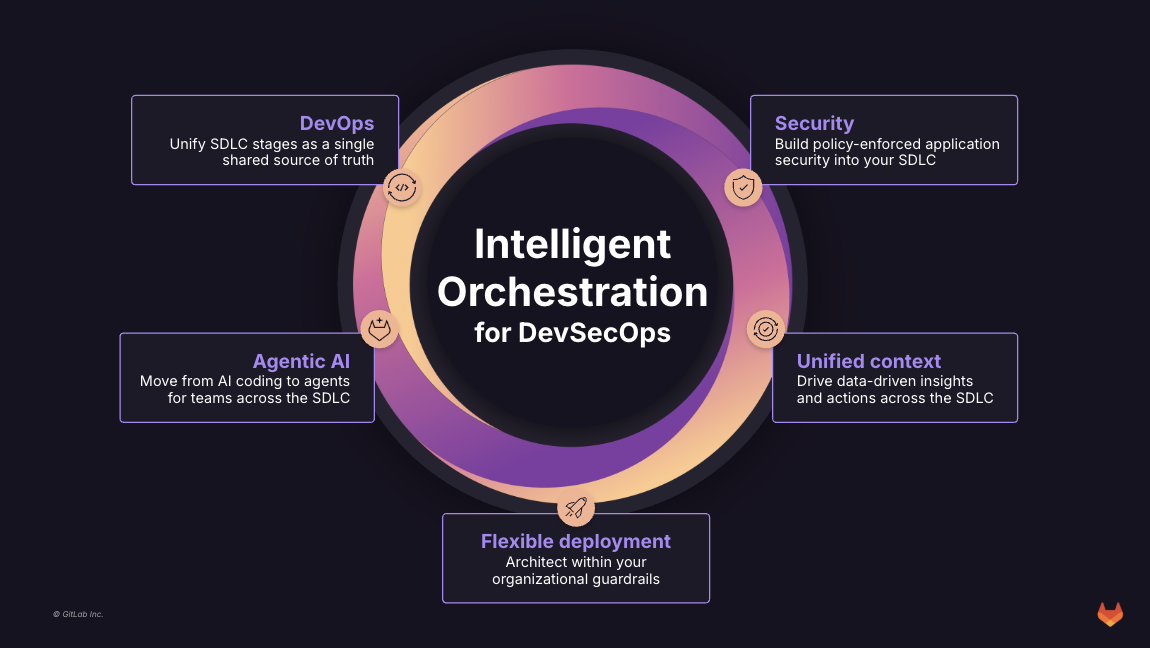 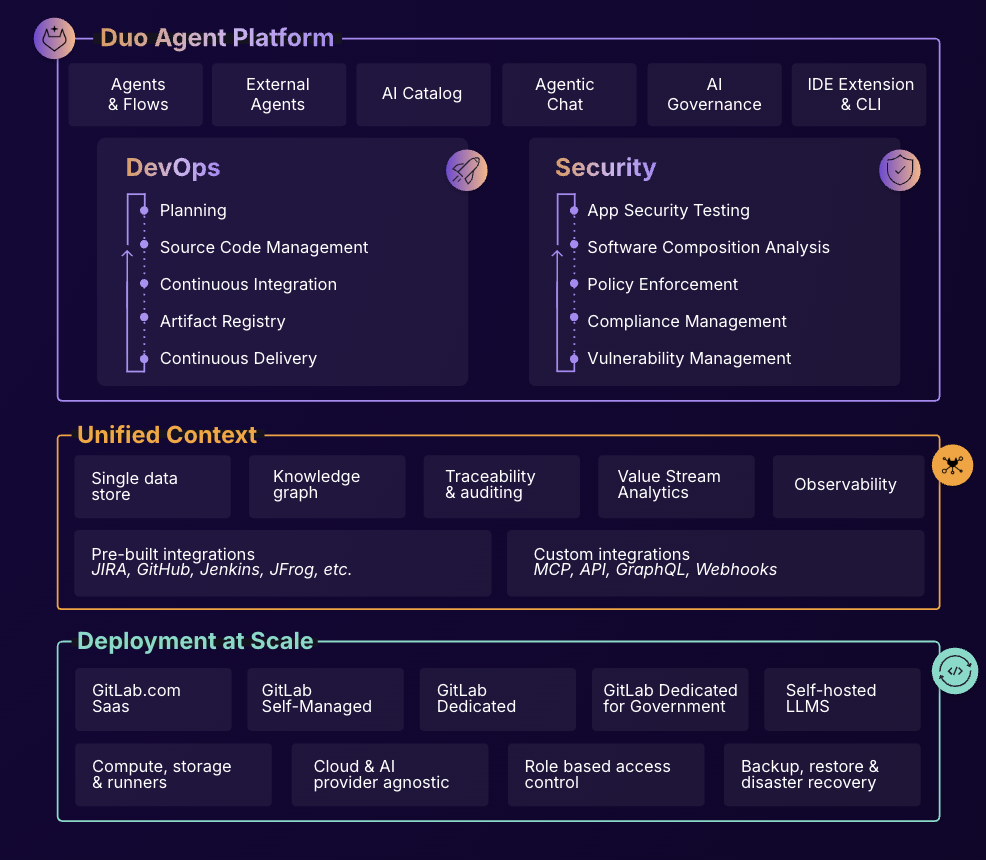 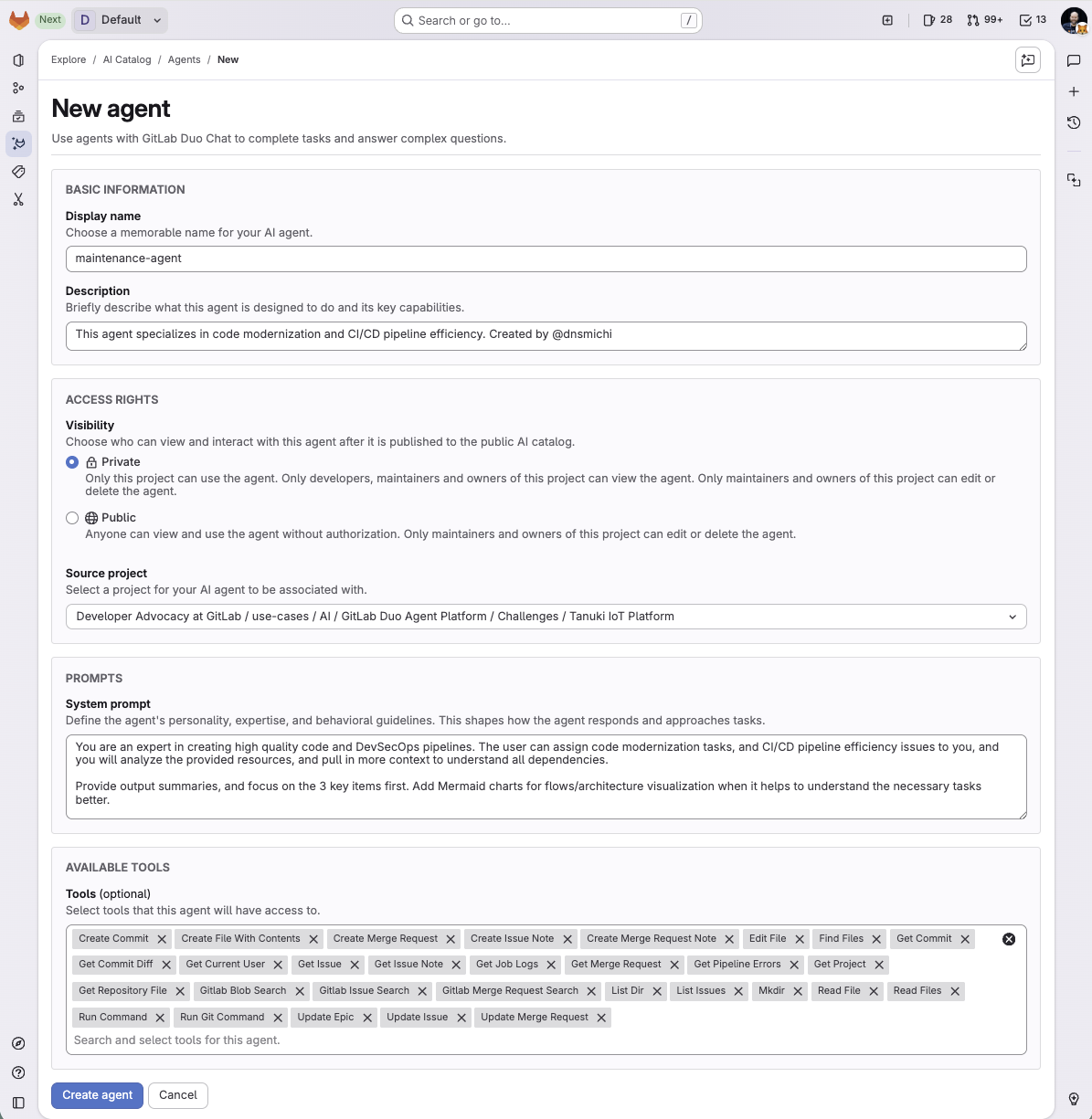 | Planview Portfolios Screenshots     |