Chose IBM Maximo Application Suite
It's highly configurable than SAP PM

| Product | Rating | Most Used By | Product Summary | Starting Price |
|---|---|---|---|---|
 IBM Maximo Application Suite | N/A | IBM Maximo Application Suite is an enterprise asset management (EAM) platform. | N/A | |
 IFS Applications | N/A | IFS Applications is presented by the vendor as an agile application suite that offers enterprise resource planning (ERP), enterprise asset management (EAM) and enterprise project management, handling 4 core processes: Service & Asset Management Full Enterprise Asset Management (EAM), Maintenance Repair and Overhaul (MRO) and Field Service Management (FSM) Manufacturing Enterprise Resource Planning (ERP) with support for process manufacturing, discrete manufacturing… | N/A | |
 IFS Cloud | N/A | IFS is a low-code / no-code approach to IFS solution suite, supporting various industries including aerospace & defense, construction, energy & utilities, and manufacturing with ERP, EAM and field service management functionality. IFS Cloud can be run as a service from IFS, or in a location of choice including on-premise as a containerized application. | N/A |
| IBM Maximo Application Suite | IFS Applications | IFS Cloud | ||||||||||||||||||||||
|---|---|---|---|---|---|---|---|---|---|---|---|---|---|---|---|---|---|---|---|---|---|---|---|---|
| Editions & Modules | No answers on this topic | No answers on this topic | No answers on this topic | |||||||||||||||||||||
| Offerings |
| |||||||||||||||||||||||
| Entry-level Setup Fee | No setup fee | No setup fee | No setup fee | |||||||||||||||||||||
| Additional Details | — | — | — | |||||||||||||||||||||
| More Pricing Information | ||||||||||||||||||||||||
| IBM Maximo Application Suite | IFS Applications | IFS Cloud | |
|---|---|---|---|
| Considered Multiple Products | IBM Maximo Application Suite | IFS Applications No answer on this topic |  IFS Cloud  Ketan Garud Managing Solution Architect Chose IFS Cloud IFS Cloud is an upgrade of IFS Applications. IFS Applications solution is under extended support and would eventually be replaced by cloud solution in coming years. |
| IBM Maximo Application Suite | IFS Applications | IFS Cloud | |||||||||||||||||||||||||||||||
|---|---|---|---|---|---|---|---|---|---|---|---|---|---|---|---|---|---|---|---|---|---|---|---|---|---|---|---|---|---|---|---|---|---|
| Payroll Management |
| ||||||||||||||||||||||||||||||||
| Customization |
| ||||||||||||||||||||||||||||||||
| Security |
| ||||||||||||||||||||||||||||||||
| Reporting & Analytics |
| ||||||||||||||||||||||||||||||||
| General Ledger and Configurable Accounting |
| ||||||||||||||||||||||||||||||||
| Inventory Management |
| ||||||||||||||||||||||||||||||||
| Order Management |
| ||||||||||||||||||||||||||||||||
| Subledger and Financial Process |
| ||||||||||||||||||||||||||||||||
| Project Financial Management |
| ||||||||||||||||||||||||||||||||
| Project Execution Management |
| ||||||||||||||||||||||||||||||||
| Grants Management |
| ||||||||||||||||||||||||||||||||
| Procurement |
| ||||||||||||||||||||||||||||||||
| Risk Management |
| ||||||||||||||||||||||||||||||||
| Logistics |
| ||||||||||||||||||||||||||||||||
| Manufacturing |
| ||||||||||||||||||||||||||||||||
| Supply Chain |
| ||||||||||||||||||||||||||||||||
| Product Lifecycle Management |
|
| IBM Maximo Application Suite | IFS Applications | IFS Cloud | |
|---|---|---|---|
| Likelihood to Recommend | 6.8 (85 ratings) | 8.4 (5 ratings) | 8.0 (5 ratings) |
| Likelihood to Renew | 7.8 (7 ratings) | - (0 ratings) | - (0 ratings) |
| Usability | 9.1 (6 ratings) | 8.4 (4 ratings) | 8.7 (5 ratings) |
| Support Rating | 7.2 (4 ratings) | 1.0 (1 ratings) | 9.5 (2 ratings) |
| Implementation Rating | 7.3 (3 ratings) | - (0 ratings) | - (0 ratings) |
| Ease of integration | 5.0 (1 ratings) | - (0 ratings) | - (0 ratings) |
| Product Scalability | 1.0 (1 ratings) | - (0 ratings) | - (0 ratings) |
| IBM Maximo Application Suite | IFS Applications | IFS Cloud | |
|---|---|---|---|
| Likelihood to Recommend | IBM
| IFS
| IFS
|
| Pros | IBM
 Nivin George Senior Consultant | IFS
 Thushitha A. Chandrasiri Lead ERP Consultant | IFS
|
| Cons | IBM
| IFS
| IFS
|
| Likelihood to Renew | IBM
| IFS No answers on this topic | IFS No answers on this topic |
| Usability | IBM
 Muhammad Imtiaz IT Business analyst | IFS
| IFS
|
| Performance | IBM
 Jan-Willem Steur Senior Product Design/Development Engineer | IFS No answers on this topic | IFS No answers on this topic |
| Support Rating | IBM
Nivin George Senior Consultant | IFS
| IFS
|
| In-Person Training | IBM
Jan-Willem Steur Senior Product Design/Development Engineer | IFS No answers on this topic | IFS No answers on this topic |
| Implementation Rating | IBM
Nivin George Senior Consultant | IFS No answers on this topic | IFS No answers on this topic |
| Alternatives Considered | IBM
| IFS
| IFS
Ketan Garud Managing Solution Architect |
| Scalability | IBM
| IFS No answers on this topic | IFS No answers on this topic |
| Return on Investment | IBM
| IFS
| IFS
|
| ScreenShots | IFS Applications Screenshots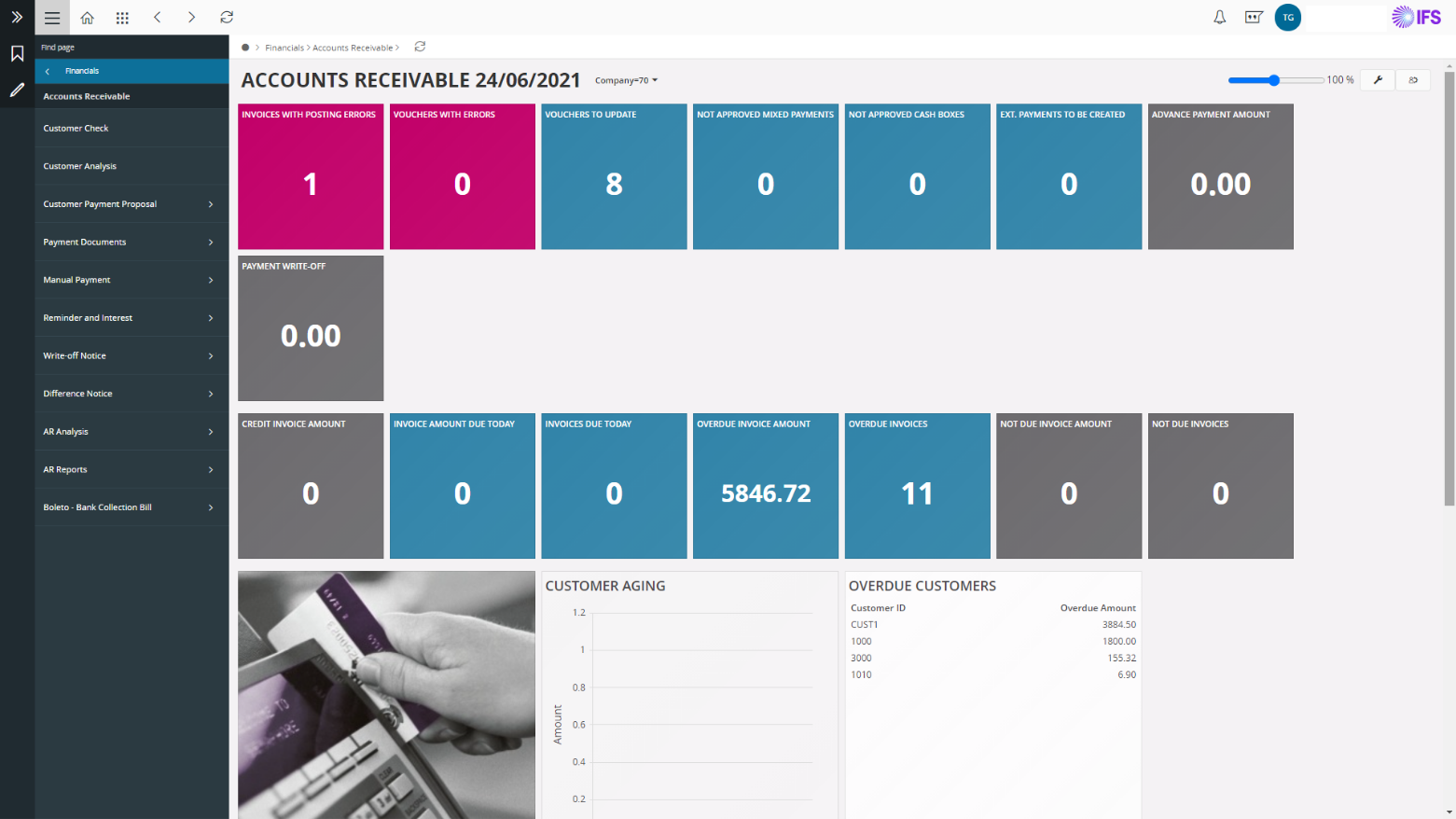   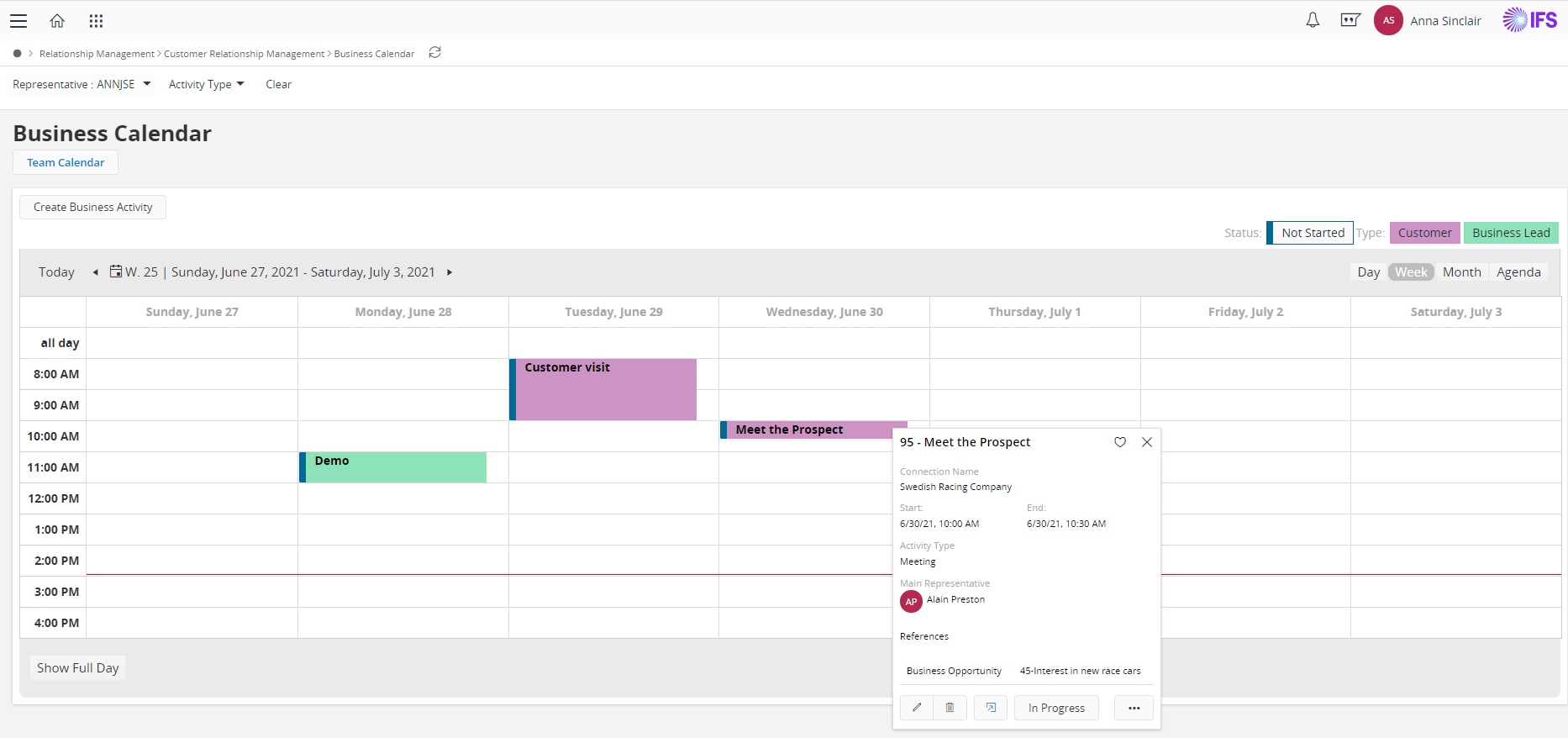  |
