
Animesh Kumar
Senior Member of Technical Staff
Chose IntelliJ IDEA

| Product | Rating | Most Used By | Product Summary | Starting Price |
|---|---|---|---|---|
 IntelliJ IDEA | N/A | IntelliJ IDEA is an IDE that aims to give Java and Kotlin developers everything they need out of the box, including a smart code editor, built-in developer tools, framework support, database support, web development support, and much more. | $19.90 per month | |
 MicroStrategy Analytics | N/A | MicroStrategy Analytics is an enterprise business analytics and mobility platform. Key features include automatic big data analysis and reporting, data discovery and visualization, digital security credentials, and support for mobile devices. | N/A | |
 PyCharm | N/A | PyCharm is an extensive Integrated Development Environment (IDE) for Python developers. Its arsenal includes intelligent code completion, error detection, and rapid problem-solving features, all of which aim to bolster efficiency. The product supports programmers in composing orderly and maintainable code by offering PEP8 checks, testing assistance, intelligent refactorings, and inspections. Moreover, it caters to web development frameworks like Django and Flask by providing framework… | $9.90 per month per user |
| IntelliJ IDEA | MicroStrategy Analytics | PyCharm | ||||||||||||||||||||||
|---|---|---|---|---|---|---|---|---|---|---|---|---|---|---|---|---|---|---|---|---|---|---|---|---|
| Editions & Modules |
| No answers on this topic |
| |||||||||||||||||||||
| Offerings |
| |||||||||||||||||||||||
| Entry-level Setup Fee | No setup fee | No setup fee | No setup fee | |||||||||||||||||||||
| Additional Details | All Products Pack (For Individual Use) – $299 /1st year, $ 239 /2nd year and $ 179 /3d year onwards All Products Pack (For Organizations) – $979 / year | Must contact sales team for pricing information. | — | |||||||||||||||||||||
| More Pricing Information | ||||||||||||||||||||||||
| IntelliJ IDEA | MicroStrategy Analytics | PyCharm | |
|---|---|---|---|
| Considered Multiple Products | IntelliJ IDEA Animesh Kumar Senior Member of Technical Staff Chose IntelliJ IDEA  Nitin Gupta Salesforce/Apttus Developer Chose IntelliJ IDEA  Balázs Kiss Software Developer Chose IntelliJ IDEA IntelliJ surpassed every single competitor. The only viable alternative I still use is VisualStudio Code build in a browser for demo purposes... other than that, IDEA does everything better, faster, and in a more comfy way. This is the best IDE out there. This is just as good …  Dinesh Pabbi Software Engineer Chose IntelliJ IDEA Against competition I can say about IntelliJ that: 1. It is definitely faster and efficient than other IDEs. Comparing with Eclipse it emerges as a clear winner in terms or raw performance. 2. More feature Rich with great support for modern technologies. It has great support for …  Rahul Rajput Data Engineer Chose IntelliJ IDEA Chosen for its feature of auto-downloading dependencies and intelligent suggestions.  Dylan Cauwels DevOps Engineer Chose IntelliJ IDEA IntelliJ is much more polished and is consistently updated with quality features. Yes, it has its flaws, but using Eclipse is the IDE equivalent of Windows Vista. I would much rather spend the extra time learning how to use all the intricate features than not have the features …  Ilya Popovich QA Test Lead Chose IntelliJ IDEA IDEA has great roadmap, every update brings useful features. Support is great. Excellent documentation. It's full-featured as it comes out of the box and even if you can't find something you'll get it via plugins.  Rahul Chaudhary Senior Software Engineer Chose IntelliJ IDEA  Kevan Dunsmore Sr. Director, Engineering Chose IntelliJ IDEA There are a number of alternatives to IntelliJ IDEA on the market, some free, some paid. Overall, IntelliJ IDEA is easier to use and far more full-featured as it comes out of the box. It provides a simpler level of customization and the ability to share this customization with … |  MicroStrategy Analytics No answer on this topic | PyCharm  Avinash Saklani Frontend Developer Chose PyCharm First of all, PyCharm is easy to install for beginners whose parent organization is JetBrains. It can be installed on any operating system with ease. It provides Python Django Framework for FrontEnd Developers which others do not provide. The UI is also simpler as compared to … Balázs Kiss Software Developer Chose PyCharm Simply one of the best IDE's of our time. It has a lot of features, a big user base, and a professional developer team behind it. It simply surpasses most of its competitors, as there are not too many Python-specialized IDEs anyway. |
| IntelliJ IDEA | MicroStrategy Analytics | PyCharm | |||||||||||||||||||||||||||
|---|---|---|---|---|---|---|---|---|---|---|---|---|---|---|---|---|---|---|---|---|---|---|---|---|---|---|---|---|---|
| BI Standard Reporting |
| ||||||||||||||||||||||||||||
| Ad-hoc Reporting |
| ||||||||||||||||||||||||||||
| Report Output and Scheduling |
| ||||||||||||||||||||||||||||
| Data Discovery and Visualization |
| ||||||||||||||||||||||||||||
| Access Control and Security |
| ||||||||||||||||||||||||||||
| Mobile Capabilities |
| ||||||||||||||||||||||||||||
| Application Program Interfaces (APIs) / Embedding |
|
| IntelliJ IDEA | MicroStrategy Analytics | PyCharm | |
|---|---|---|---|
| Small Businesses | PyCharm Score 9.2 out of 10 |  Yellowfin Score 8.7 out of 10 | IntelliJ IDEA Score 9.3 out of 10 |
| Medium-sized Companies | PyCharm Score 9.2 out of 10 |  Reveal Score 10.0 out of 10 | IntelliJ IDEA Score 9.3 out of 10 |
| Enterprises | PyCharm Score 9.2 out of 10 |  Kyvos Semantic Layer Score 9.5 out of 10 | IntelliJ IDEA Score 9.3 out of 10 |
| All Alternatives | View all alternatives | View all alternatives | View all alternatives |
| IntelliJ IDEA | MicroStrategy Analytics | PyCharm | |
|---|---|---|---|
| Likelihood to Recommend | 9.7 (58 ratings) | 10.0 (50 ratings) | 9.3 (42 ratings) |
| Likelihood to Renew | 5.0 (1 ratings) | 9.9 (27 ratings) | 10.0 (2 ratings) |
| Usability | 9.1 (8 ratings) | 3.2 (5 ratings) | 9.3 (4 ratings) |
| Availability | - (0 ratings) | 9.0 (2 ratings) | - (0 ratings) |
| Performance | - (0 ratings) | 9.0 (2 ratings) | - (0 ratings) |
| Support Rating | 8.9 (15 ratings) | 2.2 (5 ratings) | 8.3 (13 ratings) |
| Online Training | - (0 ratings) | 9.0 (5 ratings) | - (0 ratings) |
| Implementation Rating | 9.0 (1 ratings) | 9.0 (4 ratings) | - (0 ratings) |
| Configurability | - (0 ratings) | 9.0 (1 ratings) | - (0 ratings) |
| Product Scalability | - (0 ratings) | 9.0 (2 ratings) | - (0 ratings) |
| Vendor post-sale | - (0 ratings) | 10.0 (1 ratings) | - (0 ratings) |
| Vendor pre-sale | - (0 ratings) | 10.0 (1 ratings) | - (0 ratings) |
| IntelliJ IDEA | MicroStrategy Analytics | PyCharm | |
|---|---|---|---|
| Likelihood to Recommend | JetBrains
 Gaurav Gosavi Staff Software Engineer | MicroStrategy
| JetBrains
|
| Pros | JetBrains
| MicroStrategy
 Jeff Harris Hospitality Consultant | JetBrains
 Nitin Pasumarthy Web & Network Performance |
| Cons | JetBrains
Animesh Kumar Senior Member of Technical Staff | MicroStrategy
| JetBrains
 Leah Jakaitis Senior Data Analyst |
| Likelihood to Renew | JetBrains
| MicroStrategy
 Paul Campbell Professional Services Engineer | JetBrains
|
| Usability | JetBrains
| MicroStrategy
 Wm. Dexter Jones Manager, Business Intelligence and Reporting Services | JetBrains
|
| Reliability and Availability | JetBrains No answers on this topic | MicroStrategy
Paul Campbell Professional Services Engineer | JetBrains No answers on this topic |
| Performance | JetBrains No answers on this topic | MicroStrategy
Paul Campbell Professional Services Engineer | JetBrains No answers on this topic |
| Support Rating | JetBrains
| MicroStrategy
 Dharmesh Shah Associate Principal | JetBrains
|
| Online Training | JetBrains No answers on this topic | MicroStrategy
 Shawn Stephens Senior BI Developer | JetBrains No answers on this topic |
| Implementation Rating | JetBrains
| MicroStrategy
Dharmesh Shah Associate Principal | JetBrains No answers on this topic |
| Alternatives Considered | JetBrains
 Tung Vu Senior Software Engineer | MicroStrategy
| JetBrains
|
| Scalability | JetBrains No answers on this topic | MicroStrategy
Paul Campbell Professional Services Engineer | JetBrains No answers on this topic |
| Return on Investment | JetBrains
 Dhruba Jyoti Nag Associate | MicroStrategy
 Toreyan Clarke Strategy and Market Development Analyst | JetBrains
|
| ScreenShots | IntelliJ IDEA Screenshots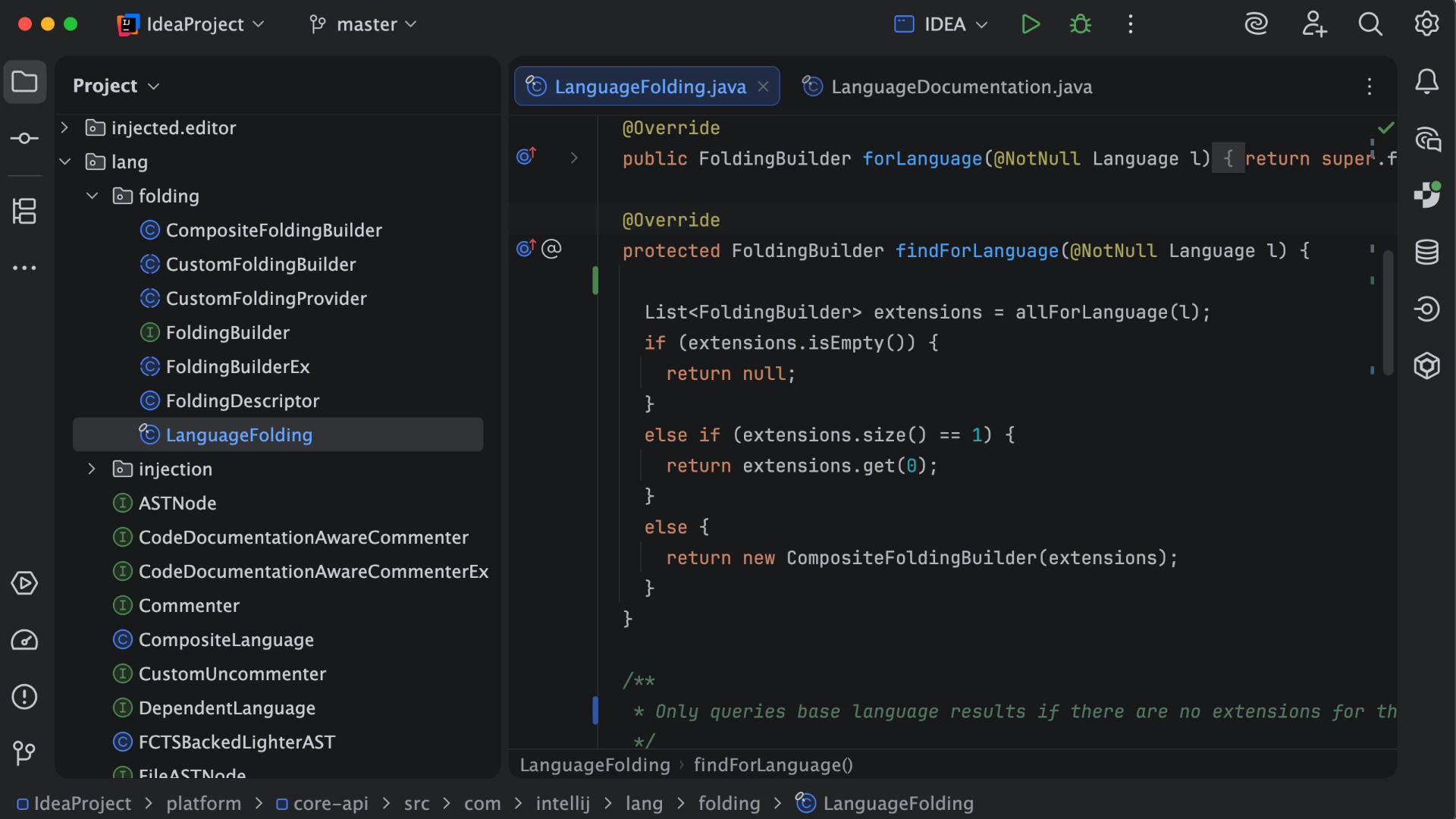 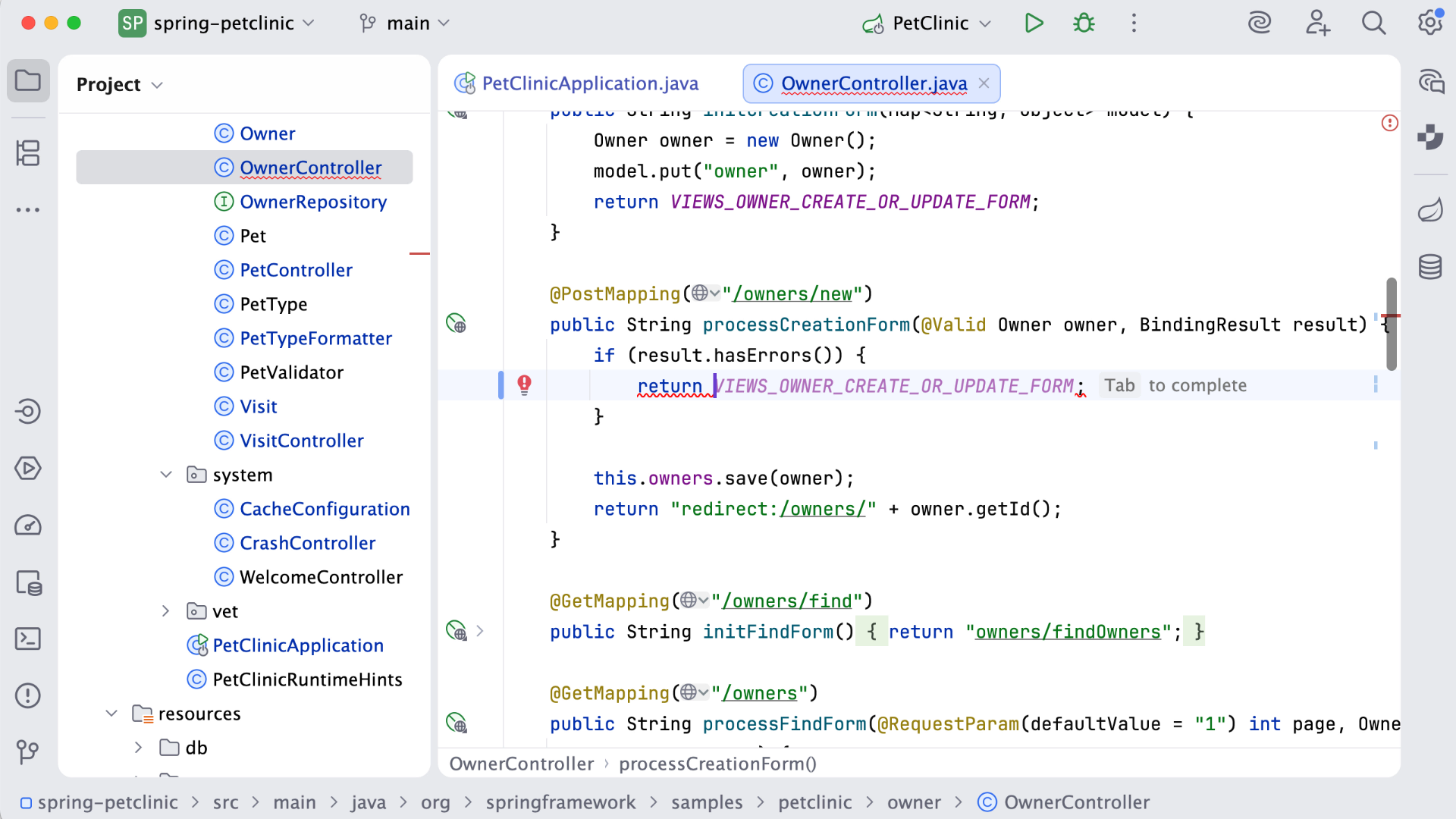 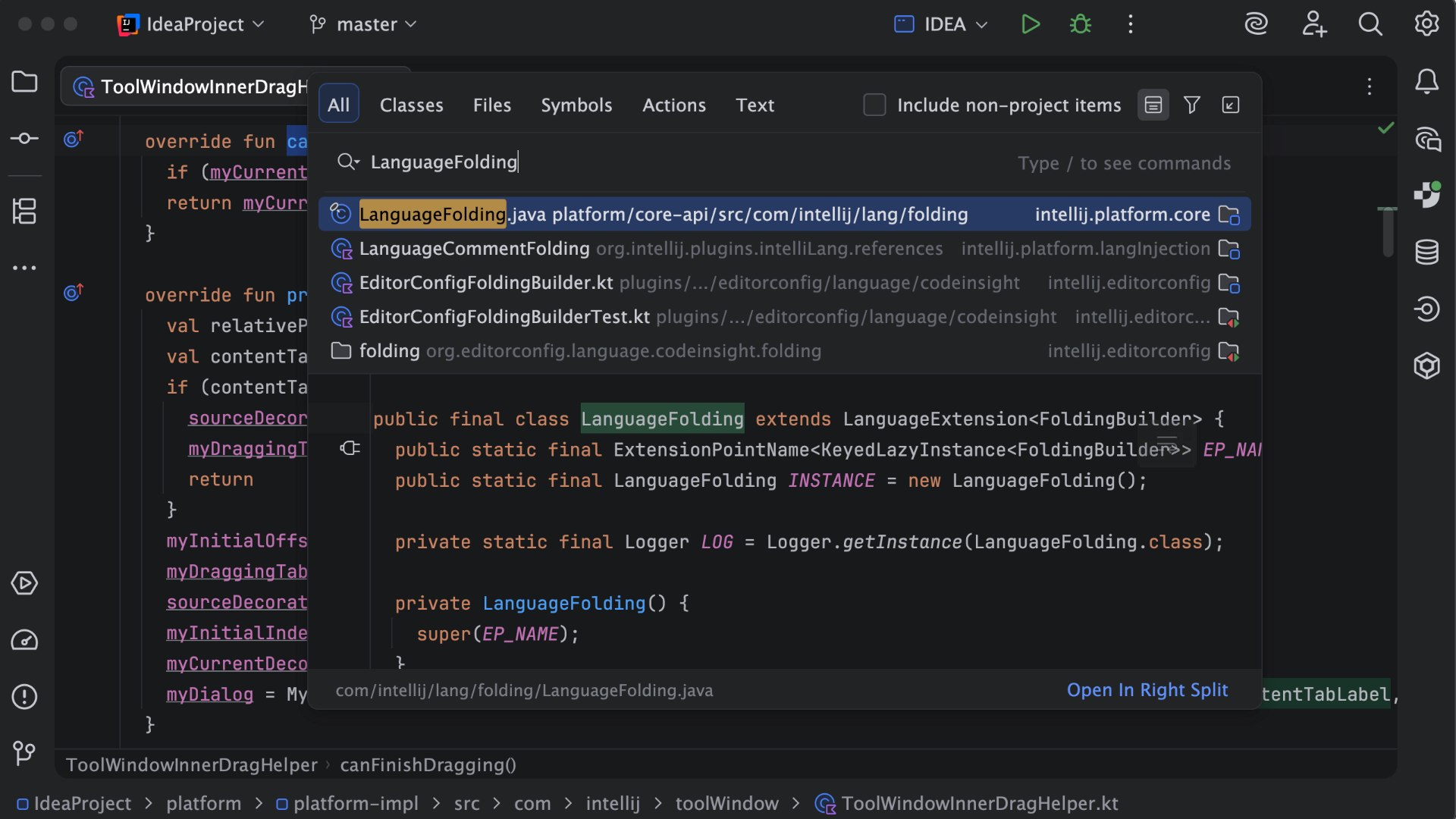 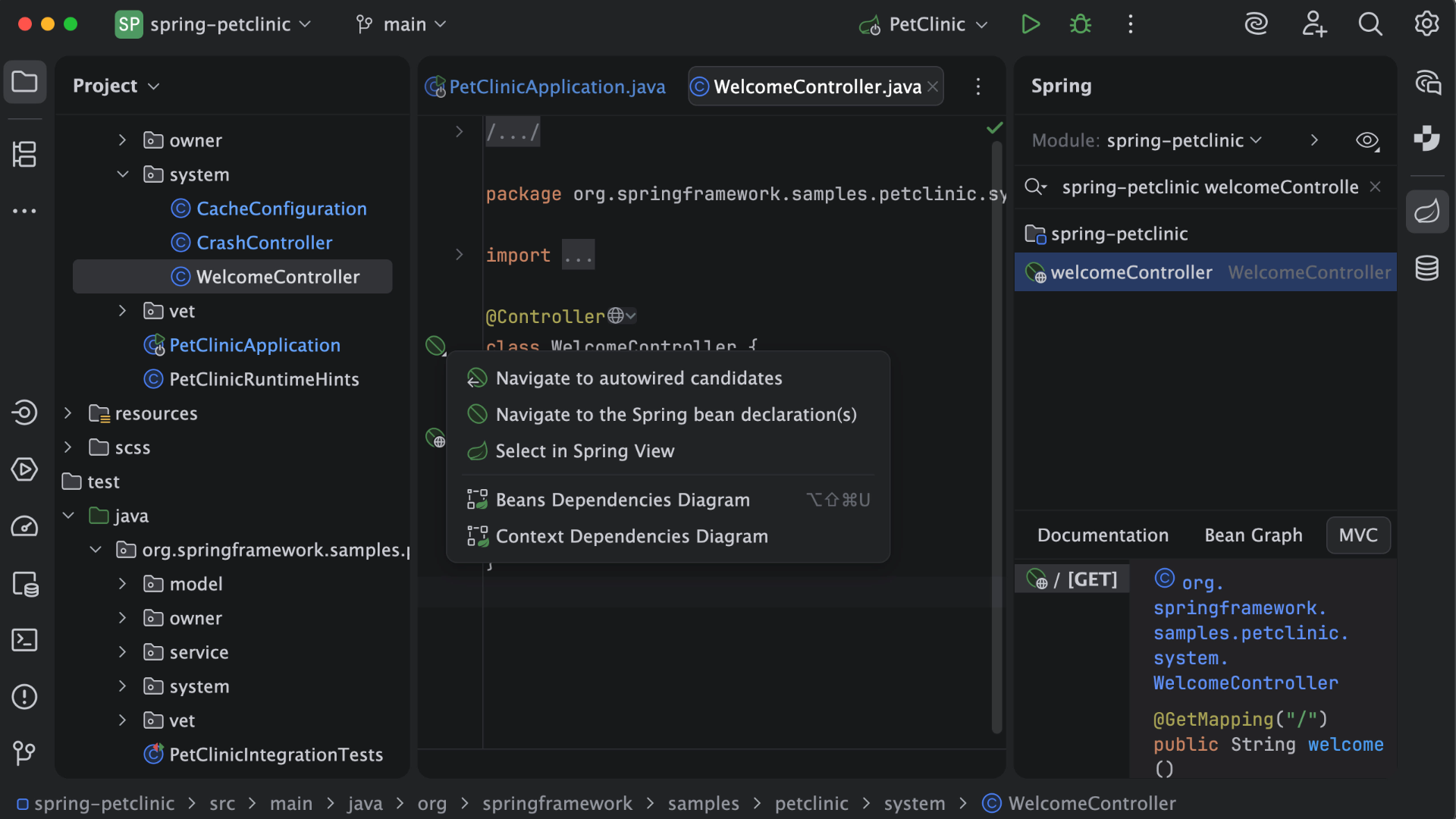  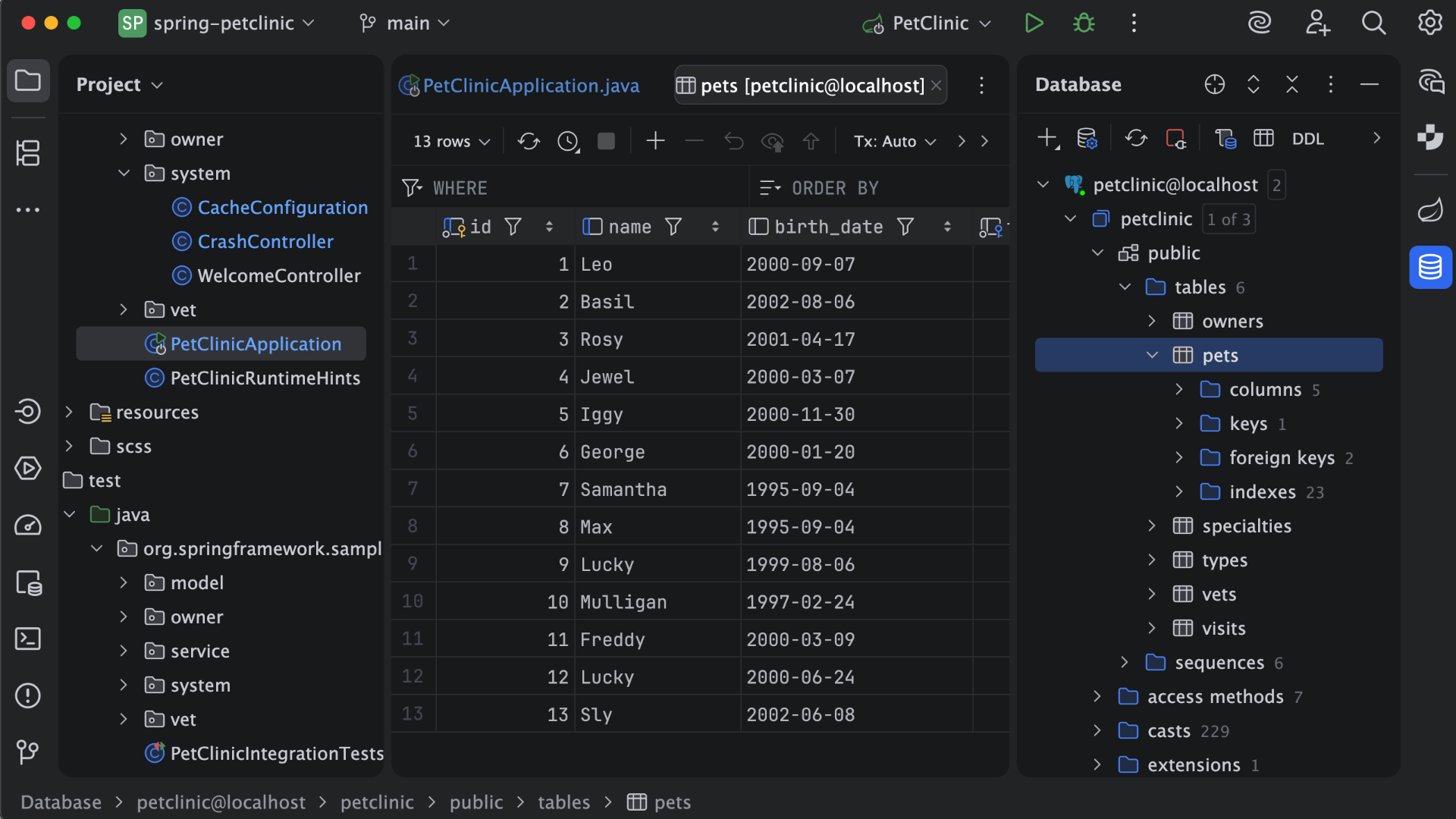 |