
Lansweeper vs. Netbox
| Product | Rating | Most Used By | Product Summary | Starting Price |
|---|---|---|---|---|
 Lansweeper | Score8.7 out of 10 | N/A | Lansweeper helps organizations see, understand, and make confident decisions about their technology estate across IT, OT, IoT, and Cloud. Lansweeper automatically discovers and inventories every asset: hardware, software, and user—then connects that data to insights about usage, lifecycle, and risk. This is to create what the vendor describes as Technology Asset Intelligence (TAI): a trusted foundation of knowledge that turns raw inventory data into clear, actionable… | $2,868 per year (includes 2000 assets) |
 Netbox | Score8.7 out of 10 | N/A | NetBox is a free and open source tool (Apache 2.0 license) used to model a network's entire presence through the use of purpose-built models, built to serve the needs of network engineers and operators. | $0 |
| Lansweeper | Netbox | |||||||||||||||
|---|---|---|---|---|---|---|---|---|---|---|---|---|---|---|---|---|
| Editions & Modules |
| No answers on this topic | ||||||||||||||
| Offerings |
| |||||||||||||||
| Entry-level Setup Fee | No setup fee | No setup fee | ||||||||||||||
| Additional Details | — | — | ||||||||||||||
| More Pricing Information | ||||||||||||||||
| Lansweeper | Netbox | |
|---|---|---|
| Considered Both Products | No answer on this topic | No answer on this topic |
| Key User Insights | ||
| Would buy again | ||
100% Would buy again 10 Answers | No answers on this topic | |
| Delivers good value for the price | ||
100% Delivers good value for the price 8 Answers | No answers on this topic | |
| Happy with the feature set | ||
100% Happy with the feature set 10 Answers | No answers on this topic | |
| Lived up to sales and marketing promises | ||
100% Lived up to sales and marketing promises 7 Answers | No answers on this topic | |
| Implementation went as expected | ||
100% Implementation went as expected 8 Answers | No answers on this topic | |
| Lansweeper | Netbox | ||||||||||||||||
|---|---|---|---|---|---|---|---|---|---|---|---|---|---|---|---|---|---|
| IT Asset Management |
| ||||||||||||||||
| Lansweeper | Netbox | |
|---|---|---|
| Small Businesses | No answers on this topic | No answers on this topic |
| Medium-sized Companies |  KACE Asset Management Appliance Score8.9 out of 10 | No answers on this topic |
| Enterprises | KACE Systems Management Appliance Score8.9 out of 10 | No answers on this topic |
| All Alternatives | View all alternatives | View all alternatives |
| Lansweeper | Netbox | |
|---|---|---|
| Likelihood to Recommend | 9.0 | 9.0 |
| Likelihood to Renew | 10.0 | - |
| Usability | 9.0 | - |
| Support Rating | 9.9 | - |
| Lansweeper | Netbox | |
|---|---|---|
| Likelihood to Recommend |
|
|
| Pros |
|
|
| Cons |
|
|
| Likelihood to Renew |
| No answers on this topic |
| Usability |
| No answers on this topic |
| Support Rating |
| No answers on this topic |
| Alternatives Considered |
|
|
| Return on Investment |
|
|
| ScreenShots | Lansweeper Screenshots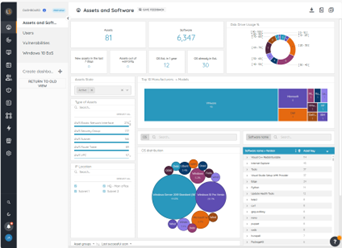 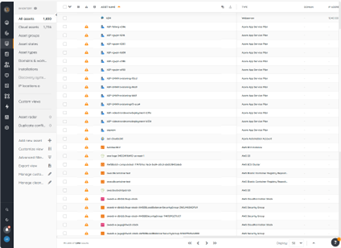 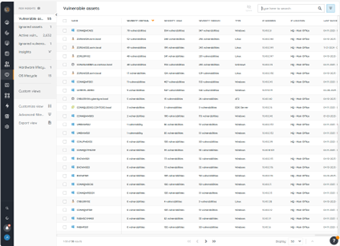 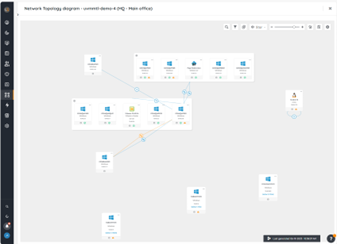 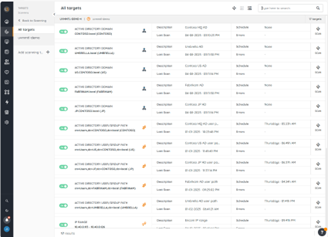 |


