
Mendix vs. Solutions2Share Teams Manager
| Product | Rating | Most Used By | Product Summary | Starting Price |
|---|---|---|---|---|
 Mendix | Score7.1 out of 10 | Enterprise companies (1,001+ employees) | Mendix is a low code platform-as-a-service offering with mobile and social extensions. Mendix was acquired by Siemens August 2018. | $0 |
 Teams Manager | Score8 out of 10 | Mid-Size Companies (51-1,000 employees) | IT administrators can keep control of their Microsoft 365 environment with Teams Manager. Teams Manager is used to prevent the uncontrolled creation of Teams and Groups and automate governance processes. Key Features: • Governance Dashboard and Reports – provides an overview of the M365 environment (inactive or ownerless teams, teams with guests etc.) • Provisioning of new teams & SharePoint sites – with channels,… | $1.60 per year |
| Mendix | Teams Manager | |||||||||||||||
|---|---|---|---|---|---|---|---|---|---|---|---|---|---|---|---|---|
| Editions & Modules |
|
| ||||||||||||||
| Offerings |
| |||||||||||||||
| Entry-level Setup Fee | Optional | Optional | ||||||||||||||
| Additional Details | — | Prices are starting prices. Not listed here are the different support and service packages. | ||||||||||||||
| More Pricing Information | ||||||||||||||||
| Mendix | Teams Manager | |
|---|---|---|
| Considered Both Products | No answer on this topic | No answer on this topic |
| Key User Insights | ||
| Would buy again | ||
100% Would buy again 11 Answers | 90% Would buy again 9 Answers | |
| Delivers good value for the price | ||
86% Delivers good value for the price 6 Answers | 100% Delivers good value for the price 8 Answers | |
| Happy with the feature set | ||
91% Happy with the feature set 10 Answers | 100% Happy with the feature set 10 Answers | |
| Lived up to sales and marketing promises | ||
89% Lived up to sales and marketing promises 8 Answers | No answers on this topic | |
| Implementation went as expected | ||
100% Implementation went as expected 9 Answers | 100% Implementation went as expected 5 Answers | |
| Mendix | Teams Manager | ||||||||||||||||||||||
|---|---|---|---|---|---|---|---|---|---|---|---|---|---|---|---|---|---|---|---|---|---|---|---|
| Low-Code Development |
| ||||||||||||||||||||||
| Mendix | Teams Manager | |
|---|---|---|
| Small Businesses |  Zoho Creator Score7.7 out of 10 | No answers on this topic |
| Medium-sized Companies |  AppSheet Score8.2 out of 10 | No answers on this topic |
| Enterprises |  Oracle APEX Score9.1 out of 10 | No answers on this topic |
| All Alternatives | View all alternatives | View all alternatives |
| Mendix | Teams Manager | |
|---|---|---|
| Likelihood to Recommend | 9.0 | 8.0 |
| Usability | 8.5 | 8.0 |
| Support Rating | 7.8 | - |
| Mendix | Teams Manager | |
|---|---|---|
| Likelihood to Recommend |
|
|
| Pros |
|
|
| Cons |
|
|
| Usability |
|
|
| Support Rating |
| No answers on this topic |
| Alternatives Considered |
|
|
| Return on Investment |
|
|
| ScreenShots | Mendix Screenshots    | Teams Manager Screenshots   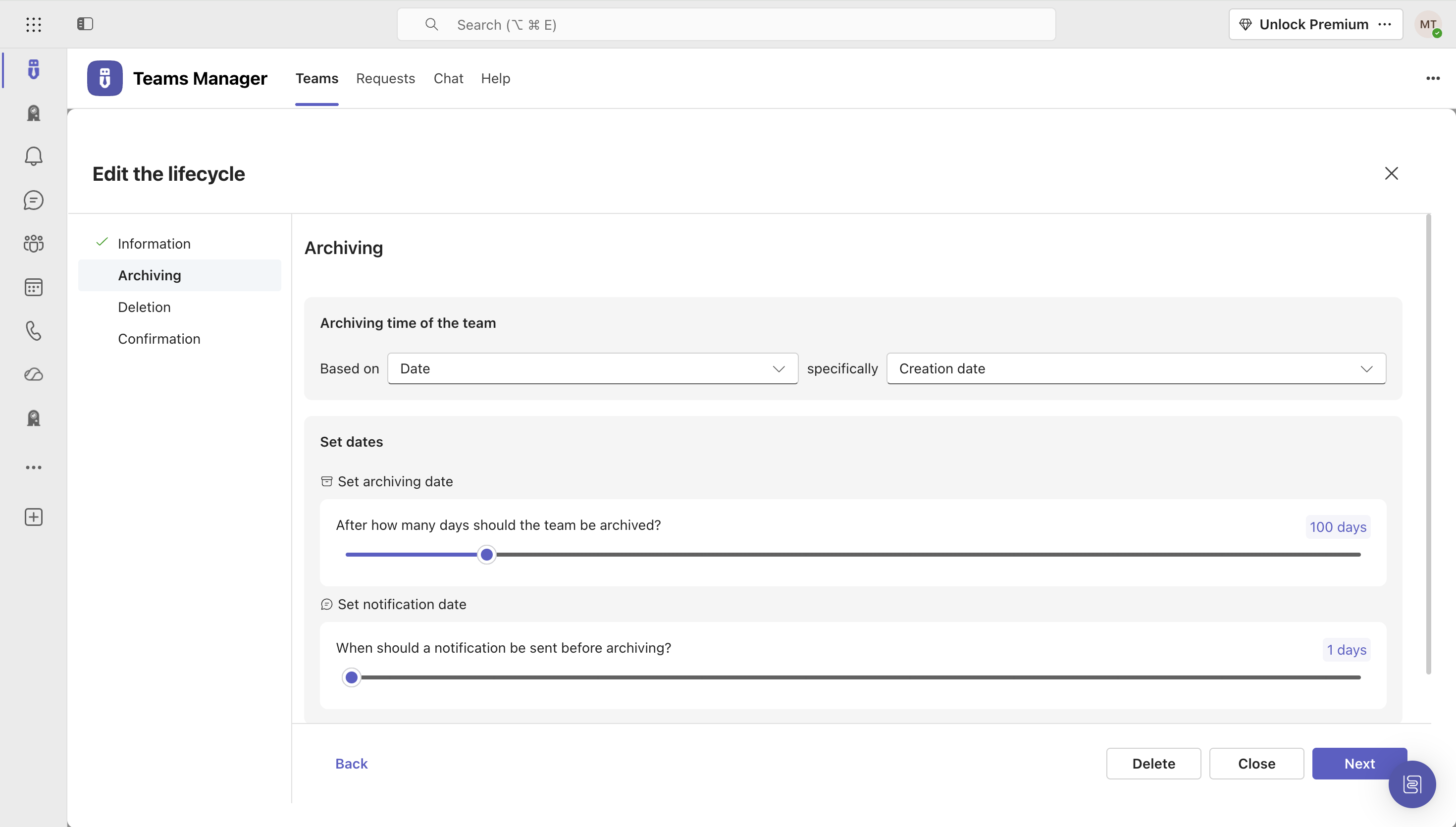   |




