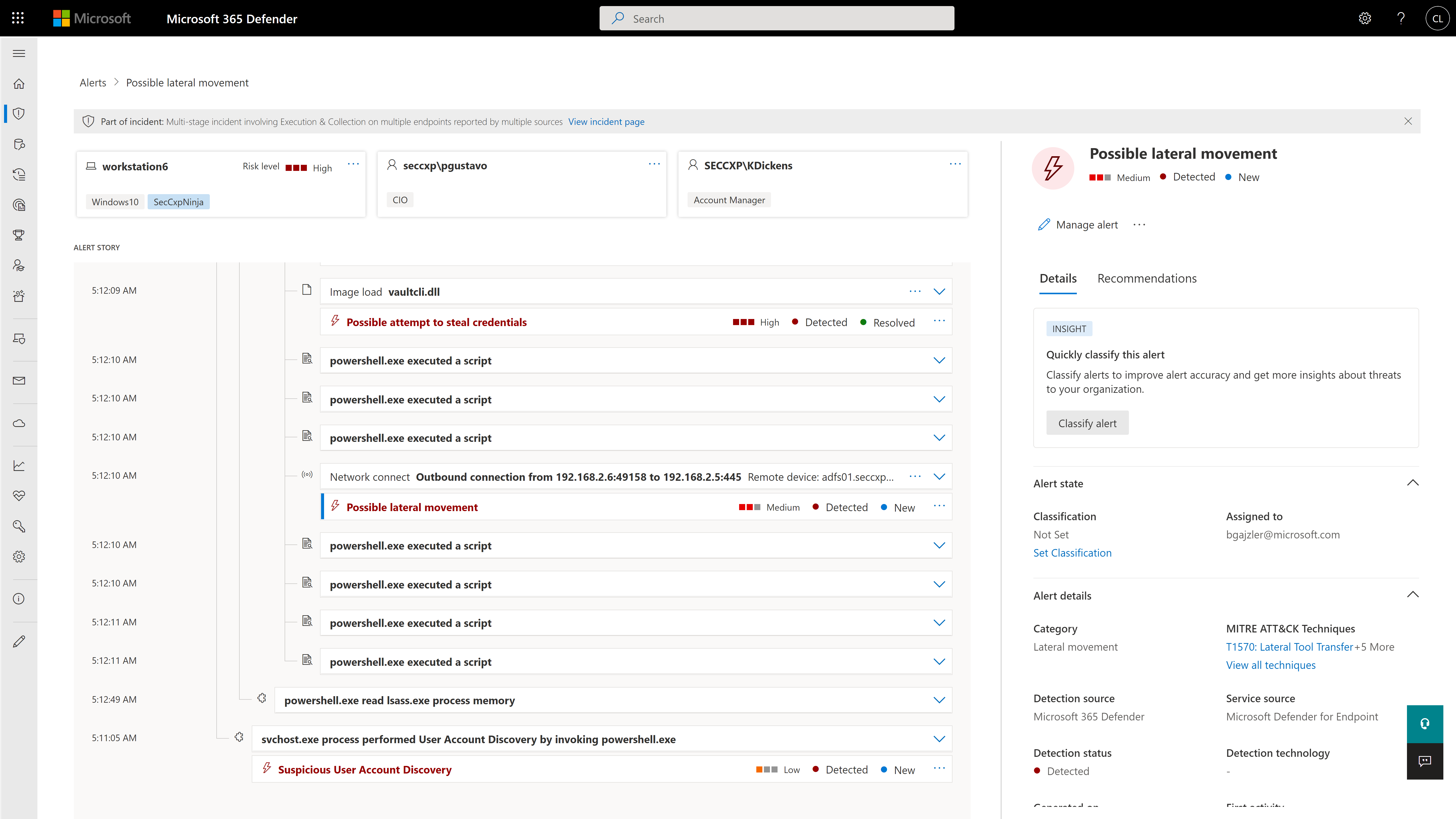
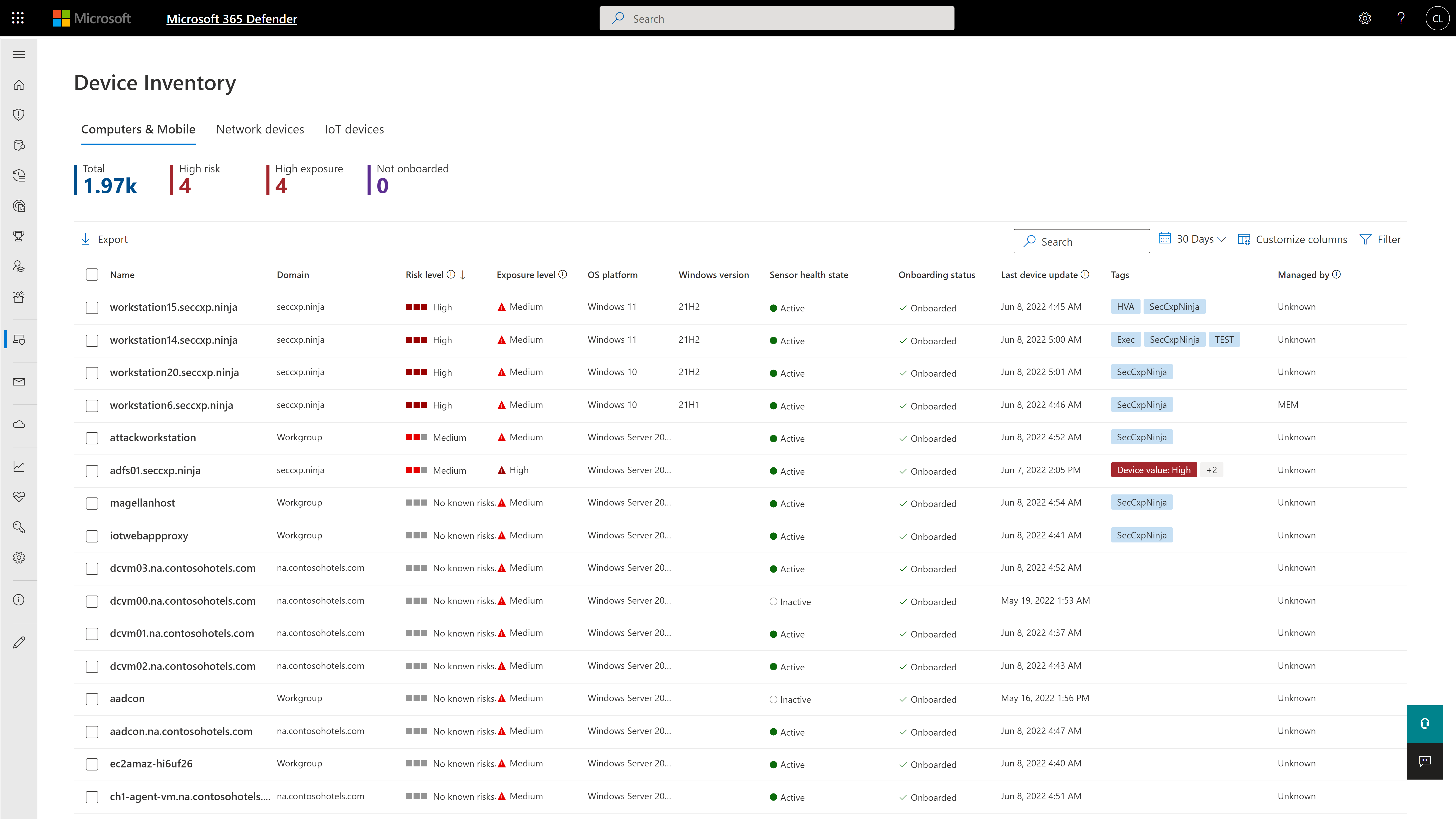
Microsoft Defender for Endpoint (formerly Microsoft Defender ATP) is a holistic, cloud delivered endpoint security solution that includes risk-based vulnerability management and assessment, attack surface reduction, behavioral based and cloud-powered next generation protection, endpoint detection and response (EDR), automatic investigation and remediation, managed hunting services, rich APIs, and unified security management.
$2.50
per user/per month
Sophos Intercept X
Score 8.7 out of 10
N/A
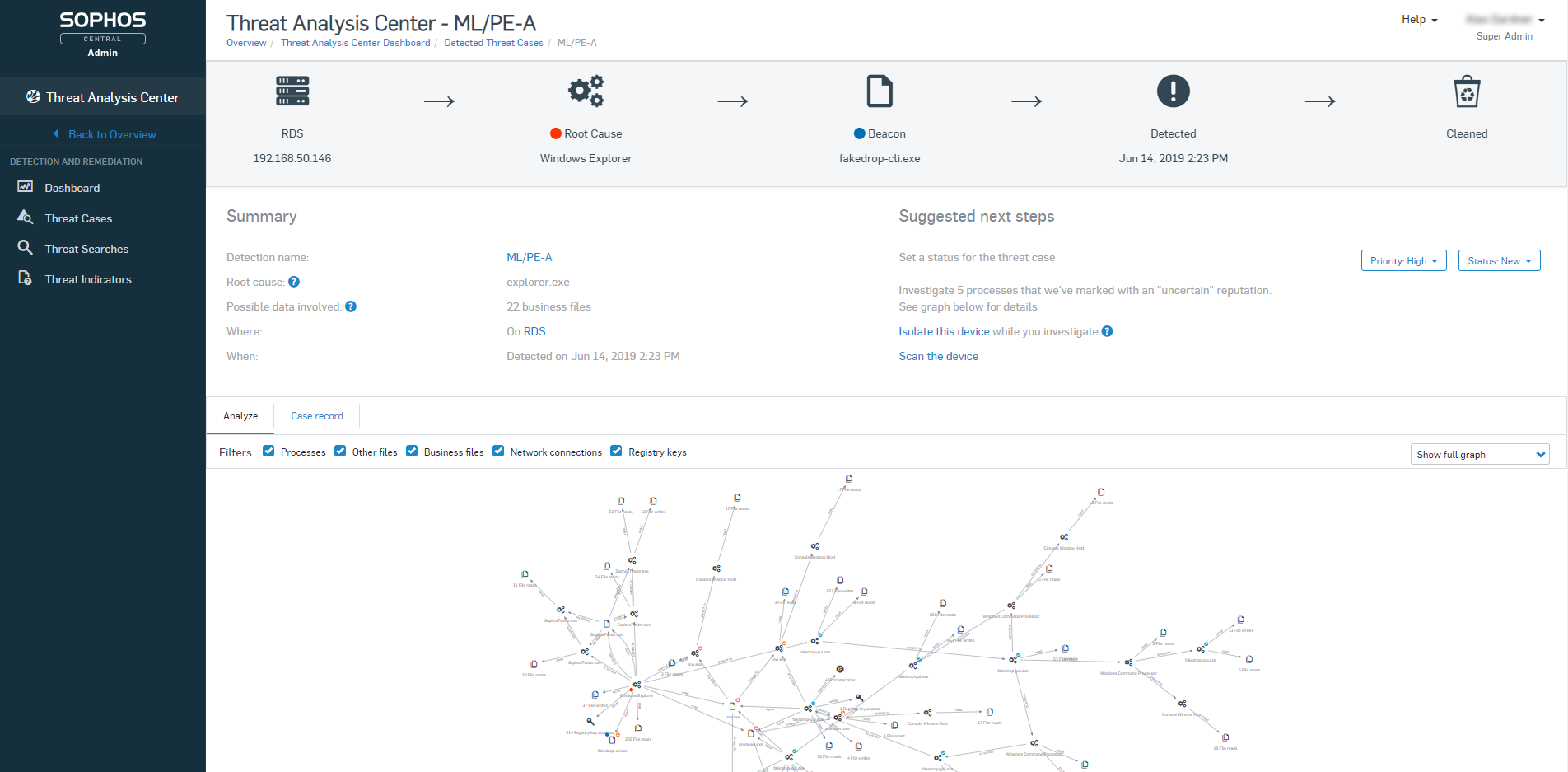
Sophos Endpoint Protection (Sophos EPP) with Intercept X is an endpoint security product providing an antivirus / antimalware solution that when upgraded with Intercept X or Intercept X Advanced provides advanced threat detection and EDR capabilities.
$28
per year per user
Trend Micro Deep Security
Score 8.5 out of 10
N/A
Trend Micro™ Deep Security™ software provides comprehensive security for virtual, cloud, and container environments. Deep Security allows for consistent security regardless of the workload. It also provides a rich set of application programming interfaces (APIs) so security can be automated.
N/A
Pricing
Microsoft Defender for Endpoint
Sophos Intercept X
Trend Micro Deep Security
Editions & Modules
Academic
$2.50
per user/per month
Standalone
$5.20
per user/per month
Intercept X Advanced
$28
per year per user
Intercept X Advanced with XDR
$48
per year per user
Sophos Managed Threat Response
$79
per year per user
No answers on this topic
Offerings
Pricing Offerings
Microsoft Defender for Endpoint
Sophos Intercept X
Trend Micro Deep Security
Free Trial
Yes
No
No
Free/Freemium Version
No
No
No
Premium Consulting/Integration Services
No
No
No
Entry-level Setup Fee
No setup fee
No setup fee
No setup fee
Additional Details
—
Pricing is for a 3-year commitment. Government and Education pricing available.
CrowdStrike Falcon is also a good solution for endpoint protection which offer EDR Soultion, threat hunting and AI driven threat protection. Sophos Intercept X combines next-gen antivirus with advanced EDR capabilities with its deep learning technology, exploit prevention, and …
Microsoft Defender gels very well with the rest of the M365 suite of products. The security Dashboard gives one view for Email Security and Endpoint Security. The security events can be generated while getting integrated with SIEM solution or can use its own SIEM offering.
Microsoft Defender for Endpoint is east to deploy, hence safed lot of efforts in implementation and management. When I evaluated CrowdStrike I found that not all threats are identified in it, which was a matter of concern for us. We also had issues with configuration and …
Sophos Intercept X is a little less expensive than the comparable package from Trend Micro and a little more expensive than a comparable package from Symantec, but in my opinion, it's easier to operate and it's got better centralized controls than both of the others. But the …
Microsoft Defender for Endpoint is easy to deployed across the entire organization. Having a cloud based solution with a single pane of glass to manage all assets is a real no-brainer. Being able to receive immediate alerts when suspicious activity occurs is extremely helpful in keeping risks at a minimum. Microsoft Defender for Endpoint management is also smart enough to not send several alerts when an attack could be hitting multiple targets within a certain time frame or when it's the same attack multiple times. However, be prepared to click through multiple pages all over the site to figure out what happened when an attack occurs.
To be frank, this product is fairly expensive. So I would recommend this to companies that are mid-sized or larger to condone the cost of the purchase. It does save me a significant amount of time in my day - being able to glance at the dashboard and see if there are any outstanding issues that require my attention, as not much digging must be done to accomplish this. So for our company, with a short-staffed IT department, it's incredibly helpful to us. We also qualify for Educational pricing which brings the cost down - which helps tremendously
Hypervisor based agentless security this product excels at. It provides thorough protection for your VM's. The web filtering product that comes with it also does a great job filtering out malicious websites from being accessed by users with a very user friendly prompt that they are going to a website which has been found to be malicious. This is particularly useful when it comes to VDI.
One, it's crazy lightweight, so compared to some of the competitors that we also have used with our security services, it's really lightweight and so I don't have a lot of overhead on the system that it's running on.
Sophos Intercept X is great at preventing malware infections and rolling back their effects. I have seen this happen hundreds of times since we installed it
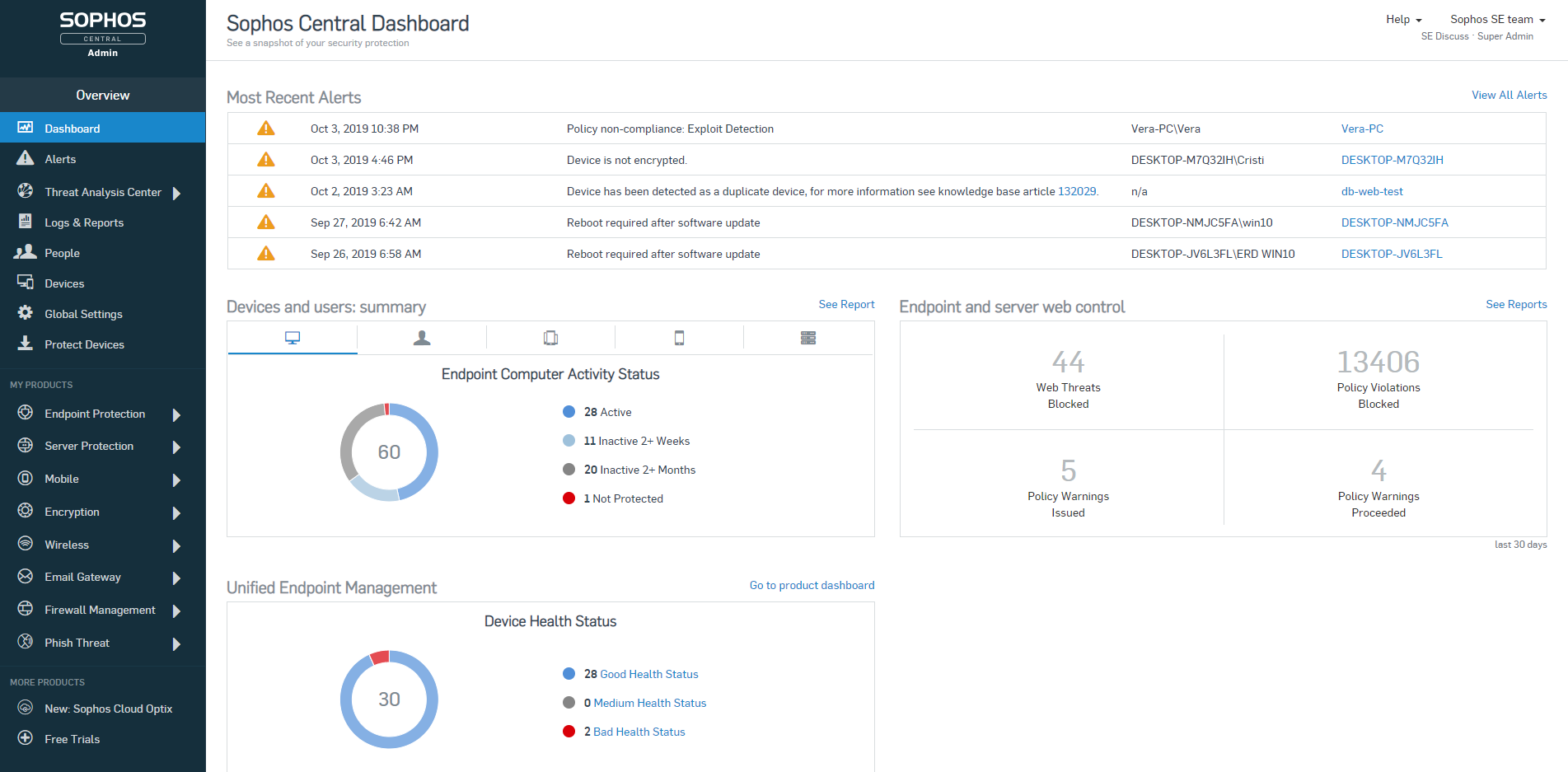
When combined with Sophos Central, you have an easy to use dashboard where you can manage all installations from a single pane of glass.
It's easy to deploy on machines and stays updated.
Good reporting features including alerts sent to the admin if there's ever something wrong with it.
Sophos OOTB policies are very strict and they don't offer anything less strict without you creating new custom policies. I'm sure this is deliberate because the product starts you out in the safest way possible but it means that you will have lots of calls to your tech support desk when you first deploy it unless you do somewhat extensive testing beforehand.
Sophos Intercept X is currently broken (at least the DLP component) by having secure boot turned on in the UEFI/BIOS. If any user wants to be able to write data to a USB drive or floppy from their PC (yes we still have a couple users who need to use floppies) we have to turn off secure boot on their PC, even if the DLP policy for that user/PC combination specifies that the user and PC are allowed to write to USB/floppy. This would be a very serious problem if it weren't for the fact that we have very few users who need to write files to USB. For us it's OK but I bet it would be a deal-breaker for others.
I don't see a whole lot of evidence that Intercept X is any different than any other anti-virus, so maybe their admin alerts just don't clearly identify when they have identified a zero-day threat or maybe we just haven't had any zero-day threats.
Trend Micro has very little room for improvement. I am using version 9.6 at this time and it is extremely reliable. Some of the upgrades were not completely intuitive, but in those cases Deep Security support came through with documentation that covered all the bases.
Cost add-ons for Security features is nickel and diming the process to keep pace with cybercrime. Limited Education budgets require us to be more pro-active in finding cost-effective measures to protect our devices, staff and students. Defender is a strong, well-featured product that is pricing itself out of the education market
It offers multiple security features and integrates well with Microsoft ecosystems. A workflow for threat detection, investigation, automated remediation, and a centralized dashboard is an added advantage. This application is mainly designed for experienced users; new users may feel challenged.
The usability has never been a problem. Sophos Intercept X is a program you can install and let protect your company without much intervention. Apart from a few policies, Sophos will keep you protected better than most any product on the market. Sophos Intercept X works quite well when you are looking to "tighten your grip" on user's access to websites, programs, and add-ons.
Microsoft Defender for Endpoint chugs along just fine no matter what we throw at it and what systems it's running on. It doesn't take up a lot of resources either, so that's welcomed.
The first time I tried to onboard my macOS endpoints to MDE I struggled for quite a bit. I had to reach out to Microsoft's MDE support team. The tech was very helpful in walking me through the steps during a screen share session
Most of the support reps are fantastic. There have been a few though that have had to be escalated via Account Manager when they haven't followed up but this is a rare instance, and often followed up by the Support Manager for APAC.
Trend Micro's support is pretty decent, we have had issues in the past and they have been fairly responsive to us and our complaints. Depending on how severe the issue was. Any ticket that had a high priority was handled very shortly especially when we contacted our account rep even if it was after hours, we were still able to get support within a short time period.
Deployment was handled by our team here and everything went pretty smoothly. We did have a few hiccups in our test group, but that only took a bit to get ironed out.
Defender is far easier to deploy and manage than Sophos and tends to work without as many issues. The threat assessment portal provides an in-depth view of the organization's security posture, whereas Sophos only shows the patching status of the PCs. We did need Intune to get many of the control features (disabling USB drives) that Sophos offered out of the box.
Webroot Endpoint Protection is not even in the same league as Sophos Intercept-X. I have tested and compared both sides by side, run simulations and it's not even close. Plus the Sophos central management is so much better. Easier to view user activities and apply policies and remediate threats. Sophos is the clear winner between these two products.
We selected trend micro to take the AV scans and filtering out of the hands of the Windows and Linux vm's we have deployed and move it to the hypervisor level. This has led us to be able to deploy only a single DSVA per host and can protect all VM"s that are on that hosts. This has allowed for more time being spent on other priority security tasks.
Once our technical and commercial areas got certified, the ROI over the time spent, is great. Actual customers, and/or new ones with other tools, feel safe and advised, once they get in touch with us.
When Sophos EndPoint is being compared against Web Management Tools (competitors), we have failed to deliver, nevertheless, there is a version of Sophos Central (Cloud) which achieves this requirement at 100% and more, since is Cloud Based (on AWS).
We are grateful to be on Sophos "Radar" as a Platinum Partner, and "The Americas" valued partner, we have seen our business grow, thanks to this kind of technology, throughout the years.
100% positive ROI. Without Deep Security we would have to leverage and endpoint protection management solution like Sophos or SEPM (Symantec). Although both are good products, from a cost perspective it would have hit us much harder. Trend Micro Deep Security scales very nicely.
Since Deep Security actually has zero (or at least unnoticeable) resource footprint on monitored VMs, it is a huge cost benefit for us. As previously mentioned, actual antivirus clients installed on each virtual machine (VM) would have significantly affected performance. This would have cost us much more additionally in paying for additional resources to allocate over VMs in the VMware environment. Deep Security is almost completely unintrusive from a resource perspective.
Also, from a layered security perspective, it helps us meet our goals; and since the price of Trend Micro Deep Security quite reasonable, it is that much easier to get approval for this specific internal layer of security.