
Seismic Content vs. Storylane
| Product | Rating | Most Used By | Product Summary | Starting Price |
|---|---|---|---|---|
 Seismic Content | Score7.7 out of 10 | Enterprise companies (1,001+ employees) | Seismic is a recognized leader in sales and marketing enablement. The vendor's value proposition is that their solution equips global sales teams with the knowledge, messaging, and automatically personalized content proven to be the most effective for any buyer interaction. Additionally, the vendor says powerful content intelligence and analytics enable marketers to prove and improve their impact on the bottom line, revealing what is really driving revenue and what needs to be… | N/A |
 Storylane | Score9.1 out of 10 | N/A | Storylane, headquartered in Santa Clara, helps companies build interactive product demos in minutes with their eponymous no-code tool. Marketing users can embed guided product tours on their websites, landing pages , blogs or share them in email campaigns. Sales users can replicate the product and build custom demos tailor made for conversation. Storylane's no code editor enables users to personalize anything in the demo. | $50 per month per seat |
| Seismic Content | Storylane | |||||||||||||||
|---|---|---|---|---|---|---|---|---|---|---|---|---|---|---|---|---|
| Editions & Modules | No answers on this topic |
| ||||||||||||||
| Offerings |
| |||||||||||||||
| Entry-level Setup Fee | No setup fee | No setup fee | ||||||||||||||
| Additional Details | — | Discount available for annual pricing. | ||||||||||||||
| More Pricing Information | ||||||||||||||||
| Seismic Content | Storylane | |
|---|---|---|
| Considered Both Products | No answer on this topic | No answer on this topic |
| Key User Insights | ||
| Would buy again | ||
91% Would buy again 43 Answers | 100% Would buy again 12 Answers | |
| Delivers good value for the price | ||
91% Delivers good value for the price 31 Answers | 100% Delivers good value for the price 11 Answers | |
| Happy with the feature set | ||
87% Happy with the feature set 41 Answers | 92% Happy with the feature set 11 Answers | |
| Lived up to sales and marketing promises | ||
86% Lived up to sales and marketing promises 25 Answers | 100% Lived up to sales and marketing promises 11 Answers | |
| Implementation went as expected | ||
86% Implementation went as expected 24 Answers | 100% Implementation went as expected 11 Answers | |
| Seismic Content | Storylane | |
|---|---|---|
| Small Businesses | No answers on this topic |  Mediafly Score7.7 out of 10 |
| Medium-sized Companies |  Paperflite Score8 out of 10 | Mediafly Score7.7 out of 10 |
| Enterprises |  Scratchpad Score9.7 out of 10 |  ClearSlide Score8 out of 10 |
| All Alternatives | View all alternatives | View all alternatives |
| Seismic Content | Storylane | |
|---|---|---|
| Likelihood to Recommend | 6.6 | 8.9 |
| Usability | 6.0 | 8.5 |
| Support Rating | 7.5 | - |
| Seismic Content | Storylane | |
|---|---|---|
| Likelihood to Recommend |
|
|
| Pros |
|
|
| Cons |
|
|
| Usability |
|
|
| Support Rating |
| No answers on this topic |
| Alternatives Considered |
|
|
| Return on Investment |
|
|
| ScreenShots | Seismic Content Screenshots 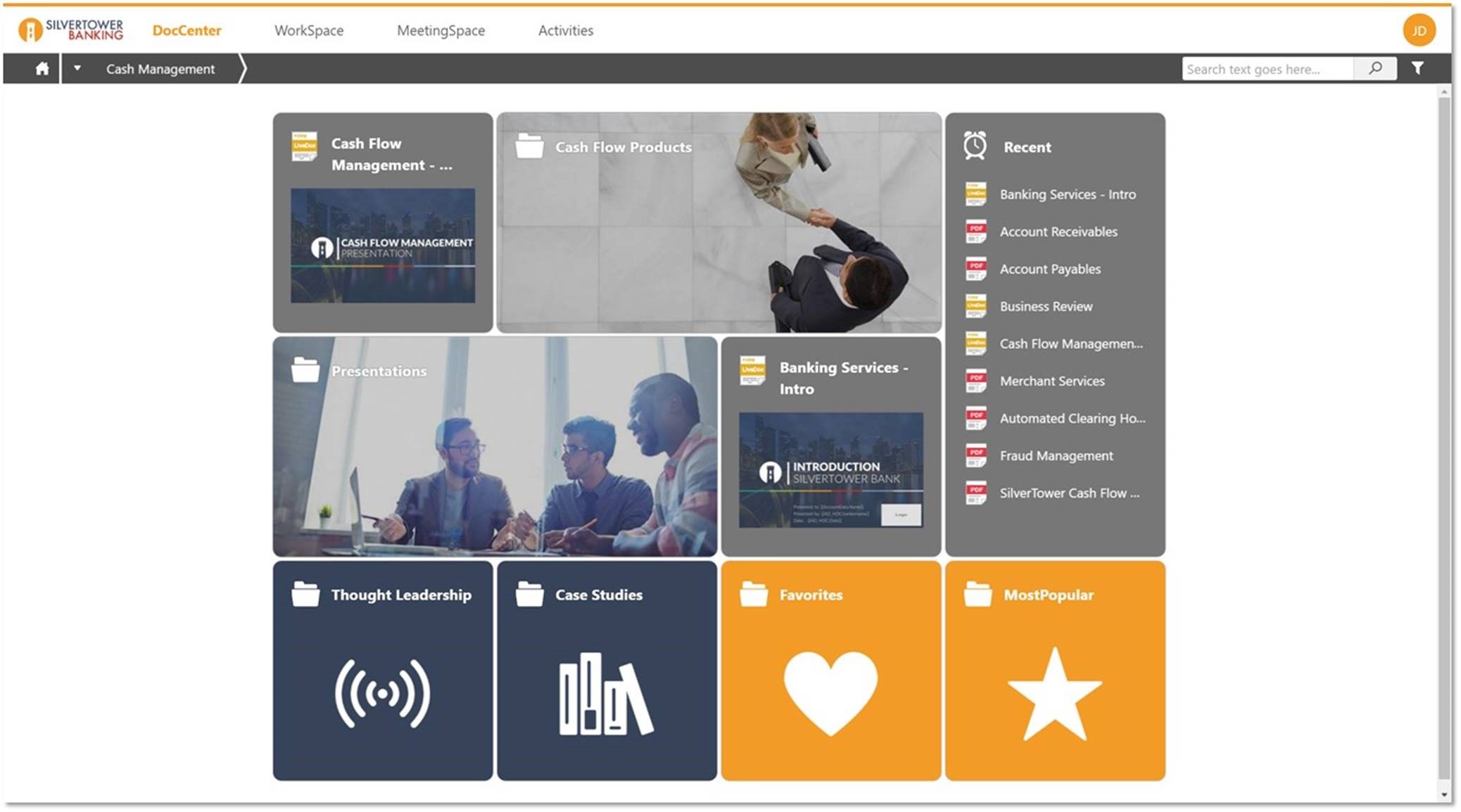  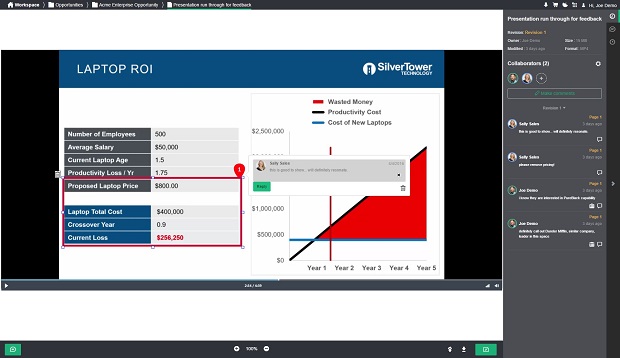 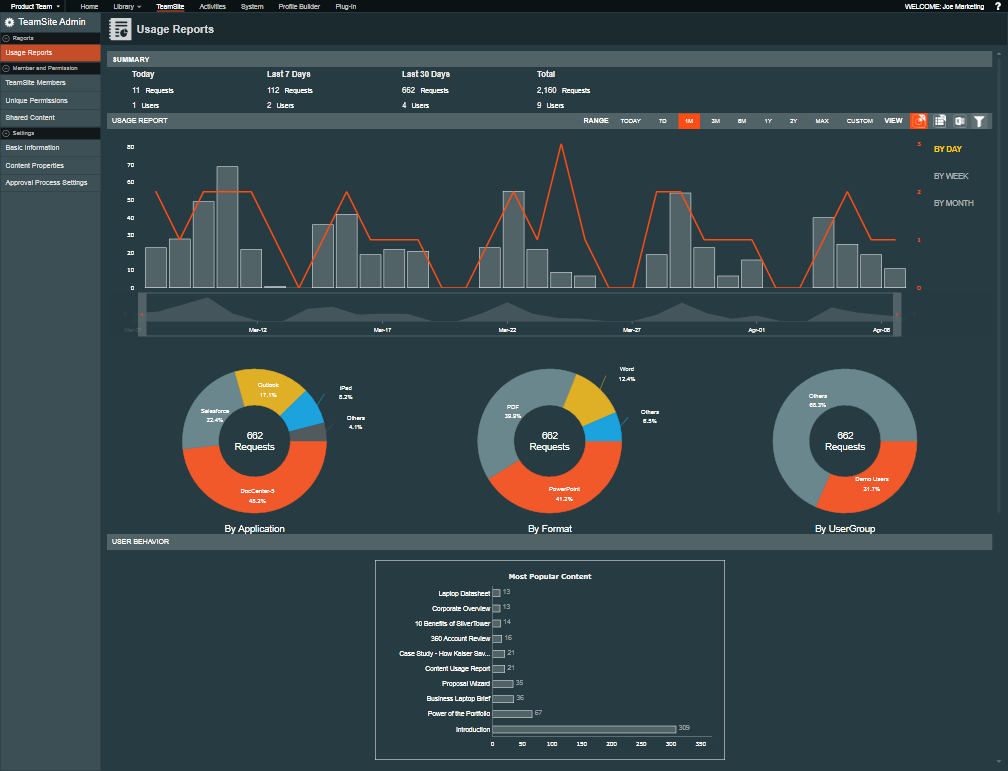 | Storylane Screenshots    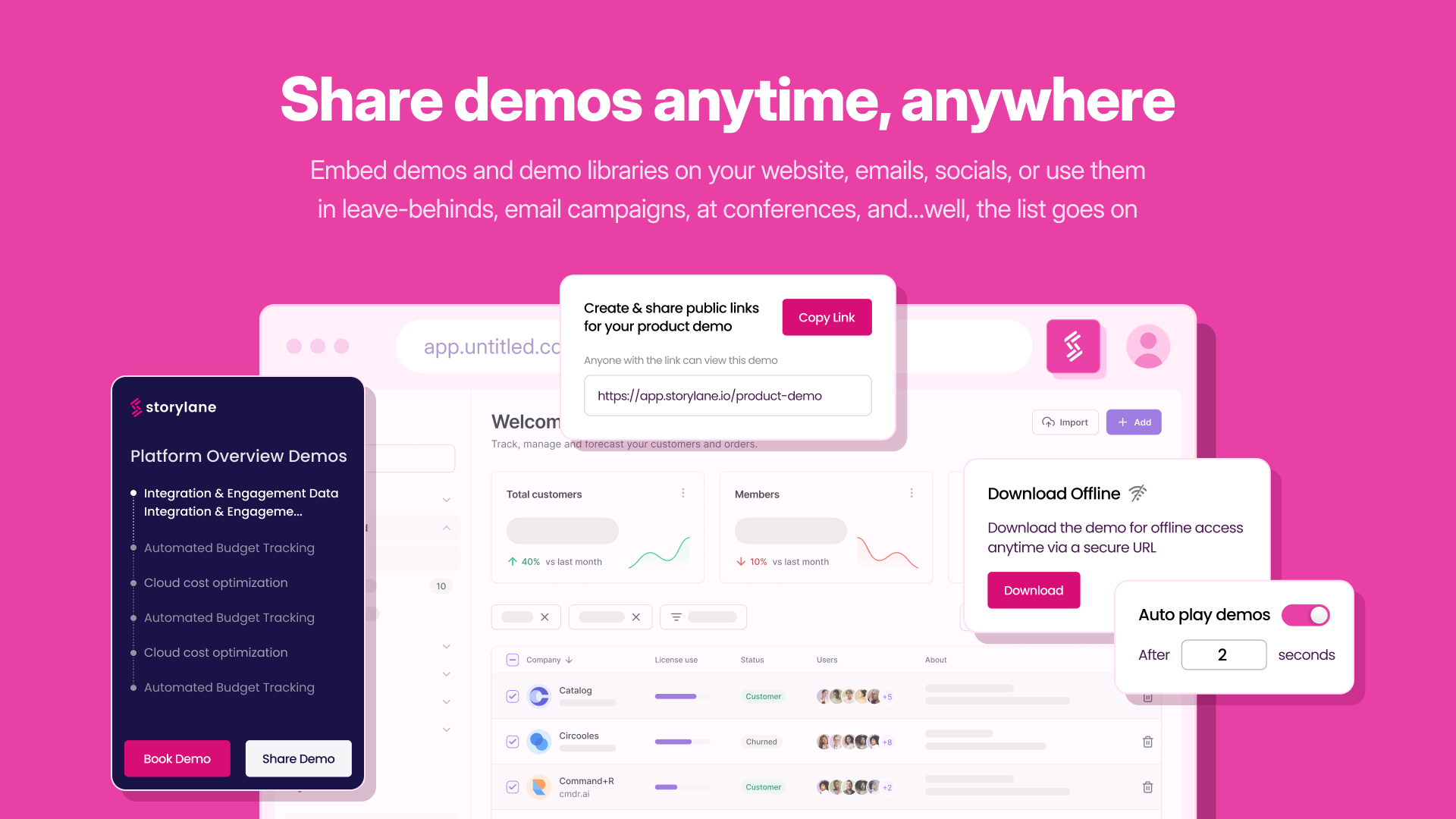  |



