Chose Airbrake
I chose Airbrake over Sentry and Rollbar primarily because I’m most familiar with Airbrake, I’ve been using it for many years now so it’s well-established and I know what I’m getting and that it works.

| Product | Rating | Most Used By | Product Summary | Starting Price |
|---|---|---|---|---|
 Airbrake | N/A | Airbrake, now from LogicMonitor (acquired February 2021) is an error monitoring and performance insight tool. Airbrak offers real-time error alerts, rich contextual data about why errors are occurring, integration into an existing workflow, and application performance insights to enable users to identify, diagnose, and fix problems - before users get annoyed. | $0 per month | |
 Sentry | N/A | Sentry provides engineering teams with tools to detect and solve user-impacting bugs and other issues. | $26 per month | |
 Totango | N/A | Totango customer success software, now with Catalyst, helps enterprise businesses and cross-functional teams accelerate customer outcomes in productivity, retention, and expansion. Totango and Catalyst will become a unified product, following the merger in February 2024. | N/A |
| Airbrake | Sentry | Totango | ||||||||||||||||||||||
|---|---|---|---|---|---|---|---|---|---|---|---|---|---|---|---|---|---|---|---|---|---|---|---|---|
| Editions & Modules |
|
| No answers on this topic | |||||||||||||||||||||
| Offerings |
| |||||||||||||||||||||||
| Entry-level Setup Fee | No setup fee | No setup fee | Optional | |||||||||||||||||||||
| Additional Details | Airbrake offers plans that include up to 200M errors, plus unlimited on-demand errors. Start your free trial and find the plan that right for your needs. 10% discount available for annual pricing. | — | Each package gives teams a 360° customer account profile, customer health scoring, customer journey program templates (SuccessBLOCS), automated workflows (SuccessPlays), email campaigns, self-paced onboarding, and customer support. | |||||||||||||||||||||
| More Pricing Information | ||||||||||||||||||||||||
| Airbrake | Sentry | Totango | |
|---|---|---|---|
| Considered Multiple Products | Airbrake  Daniele Dolci Full-stack Developer Chose Airbrake Better feedback among programmers | Sentry No answer on this topic |  Totango No answer on this topic |
| Airbrake | Sentry | Totango | |||||||||||||||||||||||||||||||
|---|---|---|---|---|---|---|---|---|---|---|---|---|---|---|---|---|---|---|---|---|---|---|---|---|---|---|---|---|---|---|---|---|---|
| Security |
| ||||||||||||||||||||||||||||||||
| Platform & Infrastructure |
| ||||||||||||||||||||||||||||||||
| Customer Data Extraction / Integration |
| ||||||||||||||||||||||||||||||||
| Customer Success Management |
| ||||||||||||||||||||||||||||||||
| CSM Reporting & Analytics |
|
| Airbrake | Sentry | Totango | |
|---|---|---|---|
| Small Businesses |  GitLab Score 8.7 out of 10 | GitLab Score 8.7 out of 10 |  ChurnZero Score 8.0 out of 10 |
| Medium-sized Companies | GitLab Score 8.7 out of 10 | GitLab Score 8.7 out of 10 |  CustomerSuccessBox Score 9.5 out of 10 |
| Enterprises | GitLab Score 8.7 out of 10 | GitLab Score 8.7 out of 10 |  Gainsight CS Score 8.8 out of 10 |
| All Alternatives | View all alternatives | View all alternatives | View all alternatives |
| Airbrake | Sentry | Totango | |
|---|---|---|---|
| Likelihood to Recommend | 7.9 (16 ratings) | 9.0 (15 ratings) | 9.1 (261 ratings) |
| Likelihood to Renew | - (0 ratings) | - (0 ratings) | 7.3 (8 ratings) |
| Usability | - (0 ratings) | 8.0 (3 ratings) | 8.6 (95 ratings) |
| Availability | - (0 ratings) | - (0 ratings) | 9.9 (3 ratings) |
| Performance | - (0 ratings) | - (0 ratings) | 8.8 (2 ratings) |
| Support Rating | - (0 ratings) | - (0 ratings) | 7.7 (93 ratings) |
| Online Training | - (0 ratings) | - (0 ratings) | 7.0 (1 ratings) |
| Implementation Rating | - (0 ratings) | - (0 ratings) | 10.0 (12 ratings) |
| Configurability | - (0 ratings) | - (0 ratings) | 8.2 (4 ratings) |
| Ease of integration | - (0 ratings) | - (0 ratings) | 8.0 (8 ratings) |
| Product Scalability | - (0 ratings) | - (0 ratings) | 9.8 (3 ratings) |
| Vendor post-sale | - (0 ratings) | - (0 ratings) | 8.0 (1 ratings) |
| Vendor pre-sale | - (0 ratings) | - (0 ratings) | 8.0 (1 ratings) |
| Airbrake | Sentry | Totango | |
|---|---|---|---|
| Likelihood to Recommend | LogicMonitor
| Sentry
| Totango
 Jaime Cortes Customer Success Manager |
| Pros | LogicMonitor
| Sentry
 Luke Abbott Developer | Totango
 Bex Howell - Trusty Oak Client Success |
| Cons | LogicMonitor
 Tyler McWilliam Software Engineer | Sentry
| Totango
|
| Likelihood to Renew | LogicMonitor No answers on this topic | Sentry No answers on this topic | Totango
 Alex Sandrea Customer Success Manager |
| Usability | LogicMonitor No answers on this topic | Sentry
| Totango
|
| Reliability and Availability | LogicMonitor No answers on this topic | Sentry No answers on this topic | Totango
|
| Performance | LogicMonitor No answers on this topic | Sentry No answers on this topic | Totango
|
| Support Rating | LogicMonitor No answers on this topic | Sentry No answers on this topic | Totango
 Janet Price Customer Success Director |
| Online Training | LogicMonitor No answers on this topic | Sentry No answers on this topic | Totango
|
| Implementation Rating | LogicMonitor No answers on this topic | Sentry No answers on this topic | Totango
 Sam Rutzick Customer Success Maven |
| Alternatives Considered | LogicMonitor | Sentry
 Nazif Aksay QA and Observability Engineer | Totango
|
| Scalability | LogicMonitor No answers on this topic | Sentry No answers on this topic | Totango
 John Abraham Customer Success Manager |
| Return on Investment | LogicMonitor
| Sentry
 Rahul Jain Senior Software Engineering | Totango
|
| ScreenShots | Airbrake Screenshots   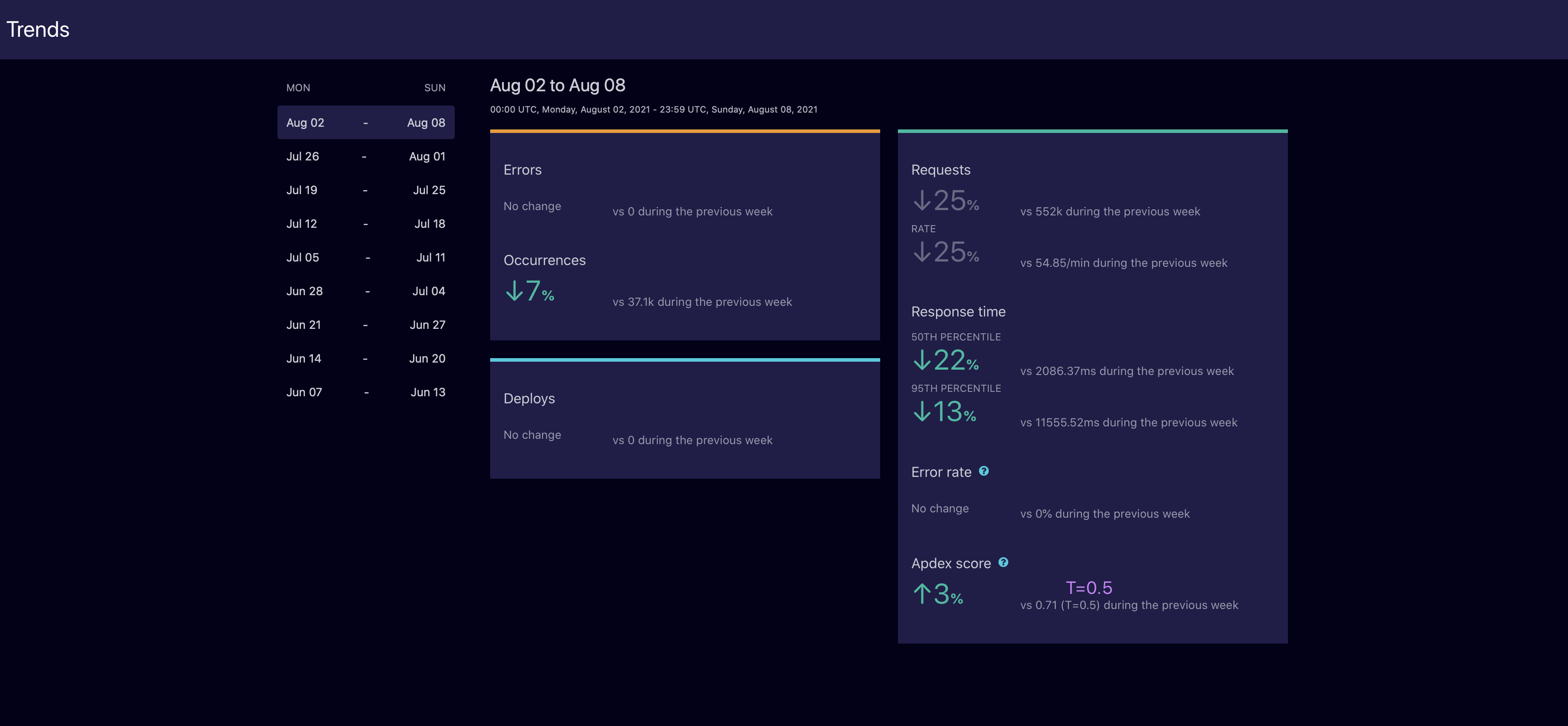  | Totango Screenshots     |