Chose Akamai Cloud Computing
DigitalOcean

| Product | Rating | Most Used By | Product Summary | Starting Price |
|---|---|---|---|---|
 Akamai Cloud Computing | N/A | Akamai Cloud Computing (formerly Linode) include scalable and accessible Linux cloud solutions and services. These products and services support developers and enterprises as they build, deploy, secure, and scale applications. | N/A | |
 Everpure FlashBlade | N/A | Everpure (formerly Pure Storage) offers FlashBlade, a scale-out file and object storage – architected to consolidate complex data silos (like backup appliances and data lakes) while accelerating tomorrow's discoveries and insights. | N/A |
| Akamai Cloud Computing | Everpure FlashBlade | |||||||||||||||
|---|---|---|---|---|---|---|---|---|---|---|---|---|---|---|---|---|
| Editions & Modules | No answers on this topic | No answers on this topic | ||||||||||||||
| Offerings |
| |||||||||||||||
| Entry-level Setup Fee | Optional | No setup fee | ||||||||||||||
| Additional Details | CPU, transfer, storage, and RAM are bundled into one price. Storage capacity can be increased with additional Block Storage or S3-compatible Object Storage. Instant Backups can be added with complete independence to the stack. Linode NodeBalancers ensure applications are available. | — | ||||||||||||||
| More Pricing Information | ||||||||||||||||
| Akamai Cloud Computing | Everpure FlashBlade | |
|---|---|---|
| Considered Both Products | Akamai Cloud Computing Chose Akamai Cloud Computing Better efficiency, better cost savings, improved Return on Investments. Overall the Akamai Connected Cloud (Linode) cloud solutions are a step above the competition in regards to all categories. We prefer it for several reasons but the one that stands out is the cost and …  Osama Khan Support Specialist Chose Akamai Cloud Computing Azure VM Image Builder  Erik Rothoff Andersson Founder Chose Akamai Cloud Computing It is more user-friendly than the big three cloud providers like AWS and GCP. The interface blows them out of the water; pricing is so much more competitive—no egregious bandwidth fees like AWS. As a small startup, cutting out the overhead of ultra-complex UI and pricing …  Panagiotis Karaberis CTO (Chief Technical Officer) Chose Akamai Cloud Computing Compared to AWS EC2, Linode has an easier creation of services and lots of options to pre-select and get a ready VM installed in minutes.  Giuseppe Nucifora Senior Software Engineer Manager Chose Akamai Cloud Computing the relevant point that made me choose linode is the pricing strategy.  Eric Mintz CEO Chose Akamai Cloud Computing We've used larger solutions, including AWS, Azure, Google Cloud, and Oracle Cloud. In each case, the pricing was confusing and, with all of the add-ons needed for even a simple infrastructure, ended up being several times the cost of a similar Linode solution. On the flip side, …  👨🏼💻 Roy Verrips Director Chose Akamai Cloud Computing Linode's offering is almost identical to DigitalOcean's, but I find Linode's customer service better AWS, Azure and Google Cloud provide all services Linode does, but provides a much large set of other features and customizations.  Sheryl Villaroman President Chose Akamai Cloud Computing AWS Instance, AWS S3 Bucket, and other AWS Services. Linode is more cost-efficient, easier to deploy servers.  Arthur Furlan CEO & Co-founder Chose Akamai Cloud Computing Linode delivers higher performance cloud servers, within an easier web interface, simpler API, and better cost-benefit. Amazon has a complex interface that many times make the customers spend much more time in order to finish simple tasks and use "AWS-terms" so even if you need …  Roseli Bianca DevOps Engineer Chose Akamai Cloud Computing Linode offers the most applicable services to the users through Cloud deployment and easy data management capabilities, and even easy project cost management. The features adaptation is easy and quality services from the migration of data and demand monitoring and the project …  James Freeman Head of Consultancy Chose Akamai Cloud Computing I've had performance issues with other providers, and when running workloads where CPU performance is vitally important, my experience with Linode has been excellent. The cloud landscape is crowded, and I think it's important to know why one vendor might stand out amongst …  Harry Finn Lead Developer Chose Akamai Cloud Computing DigitalOcean, Heroku Platform, Vultr Object Storage and Redis | Everpure FlashBlade  Alexander Cooper RPA Developer Chose Everpure FlashBlade Pure Storage FlashBlade is in our experience far faster, performance-wise, compared to its close competitors. However, if you factor in any packages you currently have with IBM or AWS for example, you can get more value for money for your data requirements. However, if …  Chirag Deol Chief Marketing Officer Chose Everpure FlashBlade Pure Storage FlashBlade is very fast. [It was] simplify with the easy install, easy upgrades, automatic performance.  Edward Hammond Principal Solutions Architect Chose Everpure FlashBlade Pure Storage FlashBlade provides higher performance than the competition.  Julie Ulrich Systems Engineer Chose Everpure FlashBlade Flasharray C is the true second-tier storage we were looking for with all the features we need.  Nathan Chitwood Sr. Systems Administrator Chose Everpure FlashBlade The main difference between them and these mentioned is pure performance. There is no comparing backup and restoration times with competitors. We are talking thrusters vs warp engines here. Data compress and dedupe was for a time when storage came at a premium. Data rehydration …  Todd Crouse IT Hardware Engineer/Storage Architect - Senior Staff Member Chose Everpure FlashBlade Pure is easiest to install and administer making it a perfect fit for our EDA scratch environment. Pure lacks mixed mode support which forces Qualcomm to use NetApp or Isilon for any SMB environments.  Michael Cannella Enterprise Cloud Architect Chose Everpure FlashBlade Performace knocked it out of the park. Our only issue at the time was that ECS wasn't supported with Replication. |
| Akamai Cloud Computing | Everpure FlashBlade | |
|---|---|---|
| Small Businesses |  DigitalOcean Droplets Score 9.7 out of 10 |  Amazon S3 Glacier Score 9.0 out of 10 |
| Medium-sized Companies |  SAP on IBM Cloud Score 9.0 out of 10 |  Azure Blob Storage Score 8.9 out of 10 |
| Enterprises | SAP on IBM Cloud Score 9.0 out of 10 | Azure Blob Storage Score 8.9 out of 10 |
| All Alternatives | View all alternatives | View all alternatives |
| Akamai Cloud Computing | Everpure FlashBlade | |
|---|---|---|
| Likelihood to Recommend | 8.2 (0 ratings) | 8.4 (0 ratings) |
| Likelihood to Renew | 9.2 (0 ratings) | - (0 ratings) |
| Usability | 8.6 (0 ratings) | 8.2 (0 ratings) |
| Availability | 8.2 (0 ratings) | - (0 ratings) |
| Performance | 8.2 (0 ratings) | - (0 ratings) |
| Support Rating | 9.0 (0 ratings) | 8.2 (0 ratings) |
| Online Training | 8.2 (0 ratings) | - (0 ratings) |
| Implementation Rating | 8.3 (0 ratings) | - (0 ratings) |
| Configurability | 9.1 (0 ratings) | - (0 ratings) |
| Ease of integration | 9.1 (0 ratings) | - (0 ratings) |
| Product Scalability | 9.1 (0 ratings) | - (0 ratings) |
| Vendor post-sale | 9.1 (0 ratings) | - (0 ratings) |
| Vendor pre-sale | 9.1 (0 ratings) | - (0 ratings) |
| Akamai Cloud Computing | Everpure FlashBlade | |
|---|---|---|
| Likelihood to Recommend |
|
Chirag Deol Chief Marketing Officer |
| Pros |
|
Michael Cannella Enterprise Cloud Architect |
| Cons |
 P Thomas Mr Many Hats |
|
| Likelihood to Renew |
| No answers on this topic |
| Usability |
 David Chmelik scientist |
Edward Hammond Principal Solutions Architect |
| Reliability and Availability |
| No answers on this topic |
| Performance |
Erik Rothoff Andersson Founder | No answers on this topic |
| Support Rating |
Osama Khan Support Specialist |
|
| Online Training |
| No answers on this topic |
| Implementation Rating |
| No answers on this topic |
| Alternatives Considered |
Erik Rothoff Andersson Founder |
Alexander Cooper RPA Developer |
| Scalability |
| No answers on this topic |
| Return on Investment |
|
|
| ScreenShots | Akamai Cloud Computing Screenshots   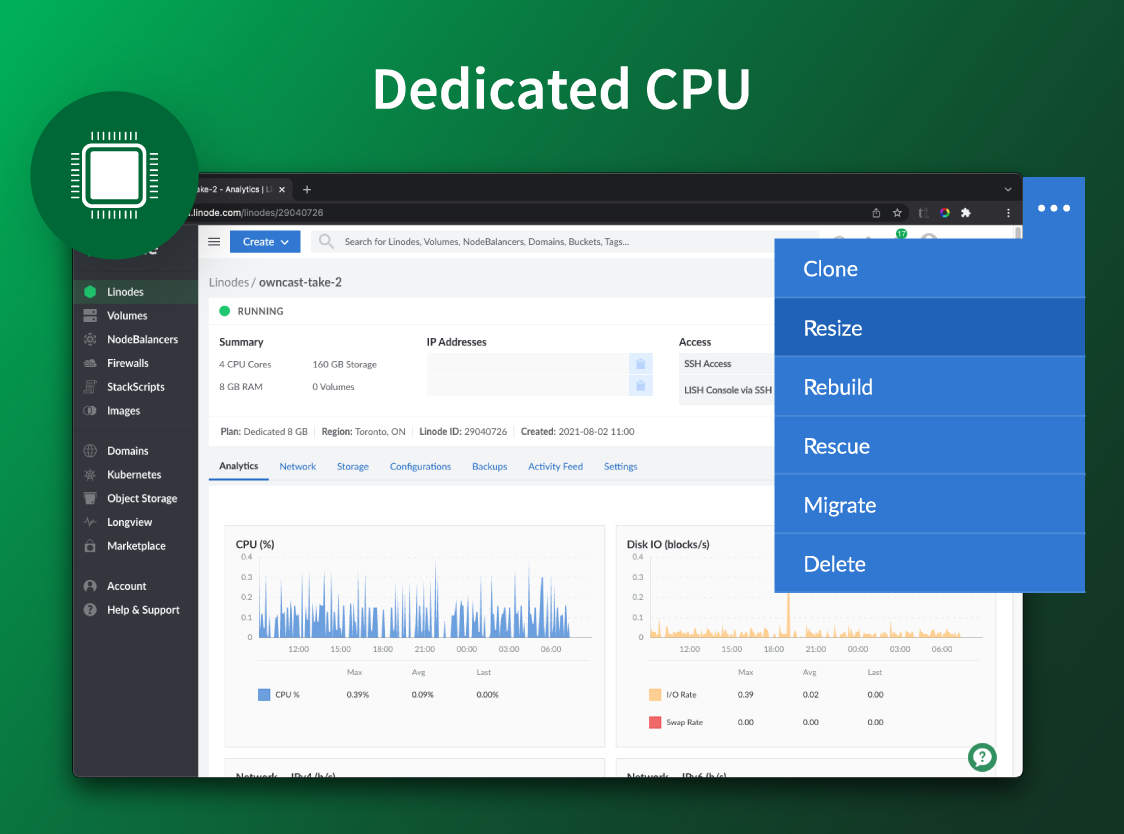 |
