Apache Subversion is a version control option that is free to download and open source under the Apache 2.0 license.
N/A
GitLab
Score 8.8 out of 10
N/A
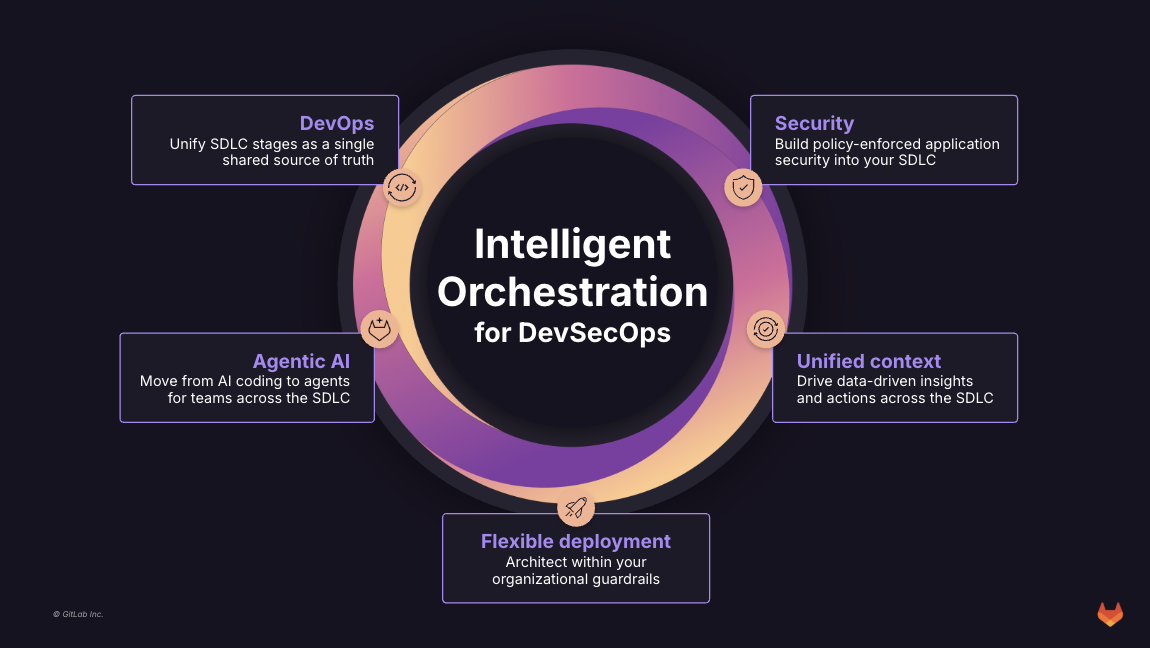
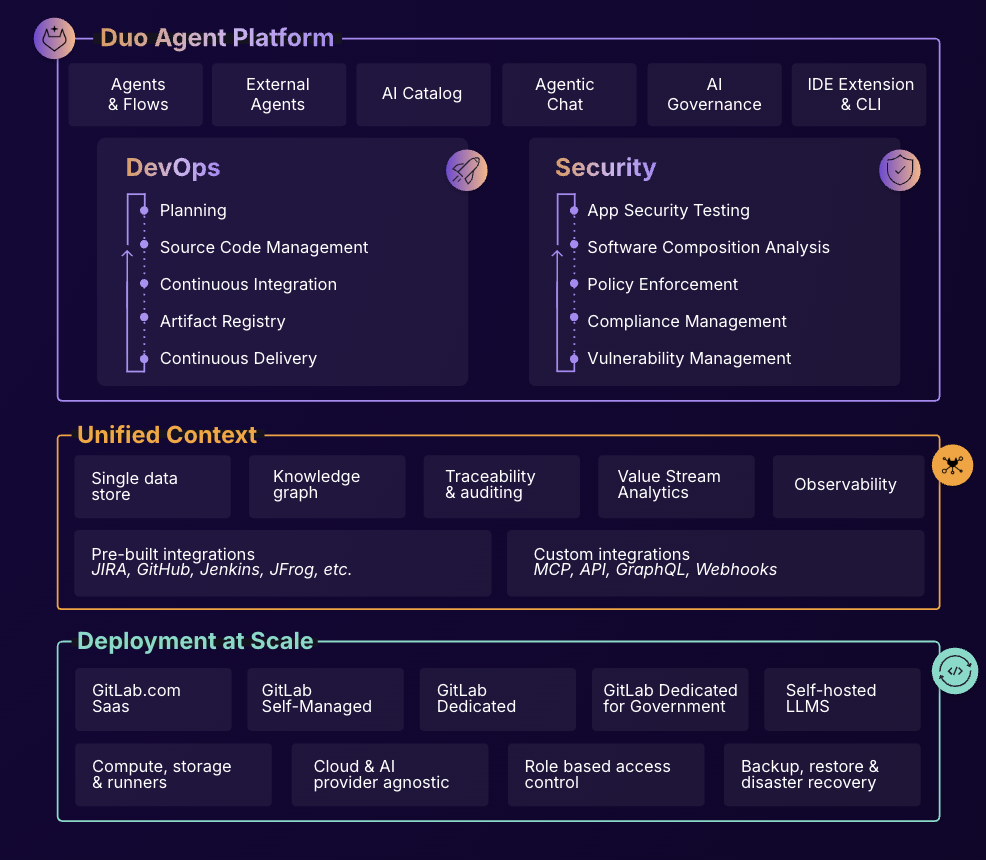
GitLab is an intelligent orchestration platform for DevSecOps, where software teams enable AI at every stage of the software lifecycle to ship faster. The platform enables teams to automate repetitive tasks across planning, building, securing, testing, deploying, and maintaining software.
$0
per month per user
Redmine
Score 7.1 out of 10
N/A
Redmine is a project management web application written using the Ruby on Rails framework. It is cross-platform and cross-database, and free to download and use as an open source project available on the GNU 2.0 license.
$0
per month
Pricing
Apache Subversion
GitLab
Redmine
Editions & Modules
No answers on this topic
GitLab Free (self-managed)
$0
GitLab Free
$0
GitLab Premium
$29
per month per user
GitLab Premium (self-managed)
$29
per month per user
GitLab Ultimate
Contact Sales
GitLab Ultimate (self-managed)
Contact Sales
No answers on this topic
Offerings
Pricing Offerings
Apache Subversion
GitLab
Redmine
Free Trial
No
Yes
No
Free/Freemium Version
No
Yes
Yes
Premium Consulting/Integration Services
No
Yes
No
Entry-level Setup Fee
No setup fee
Optional
No setup fee
Additional Details
—
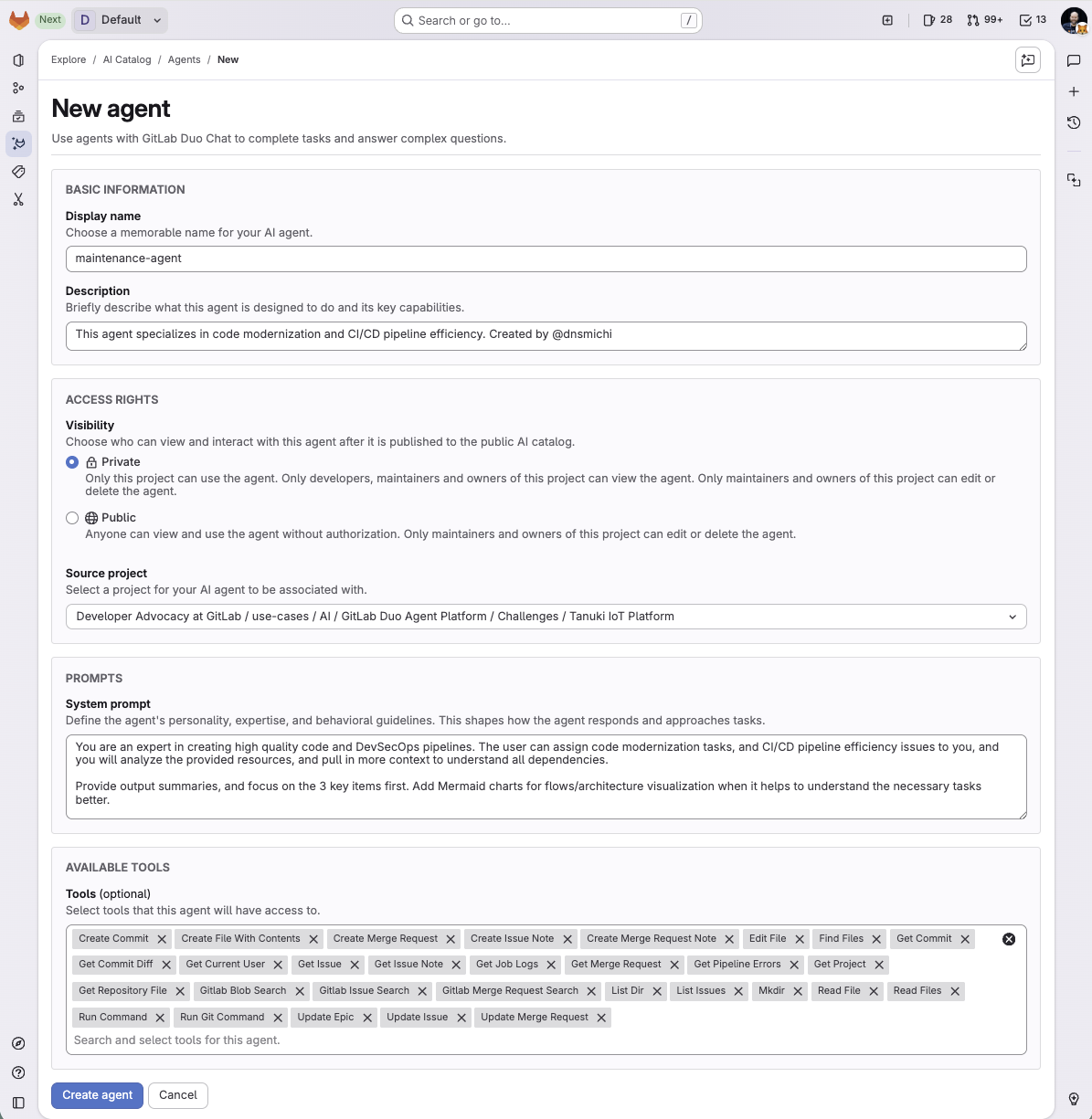
GitLab Credits enable flexible, consumption-based access to agentic AI capabilities in the GitLab platform, allowing you to scale AI adoption at your own pace while maintaining cost predictability. Powered by Duo Agent Platform, GitLab’s agentic AI capabilities help software teams to collaborate at AI speed, without compromising quality and enterprise security.
If usage exceeds monthly allocations and overage terms are accepted, automated on-demand billing activates without service interruption, so your developers never lose access to AI capabilities they need.
Real-time dashboards provide transparency into AI consumption patterns. Software teams can see usage across users, projects, and groups with granular attribution for cost allocation. Automated threshold alerts facilitate proactive planning. Advanced analytics deliver trending, forecasting, and FinOps integration.
GitLab is miles ahead of the competition. In so many words, having a simple UI with robust security and the ability to conduct Git actions takes the cake. The competitions like to say they can do these things easily but their products are more confusing and hard to use.
GitLab is distributed version control system unlike Subversion (SVN) is a centralized version control system. Multiple developers can work on the same file simultaneously unlike Subversion (SVN) if a developer locked a file other developers can not change it. GitLab provides a …
Git has a Distributed Model. SVN has a Centralized Model. In git every user has their own copy of code on their local like their own branch. In SVN there is central repository has working copy that also make changes and committed in central repository
Earlier we used SVN as our SCM tool. SVN was a centralized version control system due to which developers had to connect to the server every time they needed to commit. It was causing trouble for developers considering the large Org size. Also, SVN does not have a robust CI …
GitLab is the best combination of all the other tools. They are still viable in their own sense, but for the projects we were using, GitLab proved to be an excellent alternative.
JIRA is currently the gold standard here, but it has a pretty substantial subscription price based on the number of accounts you need to create. JIRA gets pricey, very quickly.
As we've moved to using agile-based methodologies, we've started using JIRA more, which is better suited for agile development. JIRA looks and feels like a more modern web application and has greater flexibility and more features. I used Basecamp a long time ago for some small …
It's a relatively simple version control system so it works great for an individual or small team (less than 10 people). But if you have a medium to large team, especially one with members distributed over a large geographic area, or one where individuals need to be able to work "offline" without access to a central server, Apache Subversion will likely not be the best choice.
Also, if you're maintaining an open-source project where outside people will be interacting with your code repository, git is probably a better choice because it's becoming the de-facto standard these days and what most developers are familiar with.
GitLab is good if you work a lot with code and do complex repository actions. It gives you a very good overview of what were the states of your branches and the files in them at different stages in time. It's also way easier and more efficient to write pipelines for CI\CD. It's easier to read and it's easier to write them. It takes fewer clicks to achieve the same things with GitLab than it does for competitor products.
Redmine is a perfect solution for businesses that are looking for a FREE and open source solution for project management. It is great for teams that are managing numerous tasks or projects at one time. Redmine is easy to set up and is fairly self-explanatory for anyone who is semi tech-savvy.
Distributed development - I've never worked in an environment where distributed development (developers widely scattered geographically) was a factor, but that's why git exists.
Merging - Merging of code from one branch to another can be painful, especially if it's not done frequently. (On the other hand, doing merges is one of the reasons I get a nice salary, so I can't complain too much!)
Acceptance - Let's face it, git is what "all the cool kids are using." If you've got a bunch of developers fresh out of school, they'll probably know git and not Subversion.
The design and user-interface are a little outdated. It looks like a product that was designed ten years ago and doesn't have a polished look and feel like newer apps have.
It's not particularly designed to support agile-based project management methodologies such as Scrum.
While there are interesting alternatives, such a GIT, Subversion has been a breath of fresh air compared to its predecessors like CVS or Microsoft Source Safe (now called Team Foundation Server). Its ease of use and high adoption rate is going to keep me using this product for years to come.
I really feel the platform has matured quite faster than others, and it is always at the top of its game compared to the different vendors like GitHub, Azure pipelines, CircleCI, Travis, Jenkins. Since it provides, agents, CI/CD, repository hosting, Secrets management, user management, and Single Sign on; among other features
I find it easy to use, I haven't had to do the integration work, so that's why it is a 9/10, cause I can't speak to how easy that part was or the initial set up, but day to day use is great!
Redmine is a great product to have in an organization. It's extremely flexible, costs much less to maintain than other alternatives, and as a tool, it is relatively fast to get experienced with. The primary advantages of working with Redmine are: flexible platform, API, open-source and highly configurable, stability.
I've never had experienced outages from GItlab itself, but regarding the code I have deployed to Gitlab, the history helps a lot to trace the cause of the issue or performing a rollback to go back to a working version
GItlab reponsiveness is amazing, has never left me IDLE. I've never had issues even with complex projects. I have not experienced any issues when integrating it with agents for example or SSO
At this point, I do not have much experience with Gitlab support as I have never had to engage them. They have documentation that is helpful, not quite as extensive as other documentation, but helpful nonetheless. They also seem to be relatively responsive on social media platforms (twitter) and really thrived when GitHub was acquired by Microsoft
Redmine is free, easy to use and it's everything you could want in a free project management program. The fact that it has wiki integration and that it can track on such a granular level is amazing. Assigning tasks to other users, such as our development team, is fantastic and ensures we are always up-to-date on where we are what - on what projects.
Git has become the new standard of version control, with its support for distributed design. As a tool to manage and control versions, Subversion does it well, but Git is the future.
Gitlab seems more cutting-edge than GitHub; however, its AI tools are not yet as mature as those of CoPilot. It feels like the next-generation product, so as we selected a tool for our startup, we decided to invest in the disruptor in the space. While there are fewer out-of-the-box templates for Gitlab, we have never discovered a lack of feature parity.
Jira is a great project management tool for software product life cycle management for an agile environment based on agile methodologies. Jira is an intuitive and modernized user interface design compared with Redmine but Redmine is a lightweight and affordable project management and task tracking solution with its essential features and functionalities.
Customers receive updates on all progress made for their issues -- this results in an informed customer who is being given transparency on all steps of our process.
Customers have responded well from being able to not have to track down emails and instead come to a central place for requests.