Chose IBM Cognos Analytics
i believe that CA is more powerful, has better modelling, and is not held back by a cumbersome method of re-using data models. The only thing that holds it back is the complexity of licensing.

| Product | Rating | Most Used By | Product Summary | Starting Price |
|---|---|---|---|---|
 IBM Cognos Analytics | N/A | IBM Cognos is a full-featured business intelligence suite by IBM, designed for larger deployments. It comprises Query Studio, Reporting Studio, Analysis Studio and Event Studio, and Cognos Administration along with tools for Microsoft Office integration, full-text search, and dashboards. | $11.25 per month per user | |
 Numetric | N/A | Numetric is an easy-to-use BI tool for non-experts. It can handle data centralization, data cleaning, as well as analysis and publishing. | N/A | |
 OpenText Magellan | N/A | OpenText Magellan Analytics Suite leverages a comprehensive set of data analytics software to identify patterns, relationships and trends through data visualizations and interactive dashboards. | N/A |
| IBM Cognos Analytics | Numetric | OpenText Magellan | ||||||||||||||||||||||
|---|---|---|---|---|---|---|---|---|---|---|---|---|---|---|---|---|---|---|---|---|---|---|---|---|
| Editions & Modules |
| No answers on this topic | No answers on this topic | |||||||||||||||||||||
| Offerings |
| |||||||||||||||||||||||
| Entry-level Setup Fee | Optional | No setup fee | No setup fee | |||||||||||||||||||||
| Additional Details | — | — | — | |||||||||||||||||||||
| More Pricing Information | ||||||||||||||||||||||||
| IBM Cognos Analytics | Numetric | OpenText Magellan | |
|---|---|---|---|
| Considered Multiple Products |  IBM Cognos Analytics  Nishant Thakkar Senior Analyst Chose IBM Cognos Analytics IBM Cognos Analytics is robust in terms of reporting, governance and scheduling while Power BI excels in use, interactivity and visuals. In nutshell, IBM Cognos Analytics has edge over Power BI for enterprise grade , structured reporting needs.  Ranjit R Puthenpuramodyil Principal Chose IBM Cognos Analytics I think IBM Cognos Analytics is better than others I have used.  Bernd Oerthle Head of analytic infrastructure Chose IBM Cognos Analytics IBM Planning Analytics  Dion Paul Business Intelligence Administrator Chose IBM Cognos Analytics We chose IBM Cognos Analytics because, in our experience, IBM Cognos Analytics was Better, had more feature functionality, and is easier to use  Eric Pleiss Business Development Chose IBM Cognos Analytics Microsoft Power BI Embedded  Astrid Ortega Data Analyst and Risk Assessor Chose IBM Cognos Analytics Tableau, Power BI, QlikView were the other options considered. Tableau lacked the following key components of business intelligence and analytics. Some other statistical functions that are available on the platform were not matched by Power BI. QlikView lacked robust …  Vinit Mahiwal BI Developer Chose IBM Cognos Analytics It was due to trust in IBM. Very good support provide by IBM. Response time is pretty good Product is proven in past & well robust feature Many good enterprises have used this product  Cristian Racu Deputy CEO Chose IBM Cognos Analytics It is a tool that delivers good performance at a good price. | Numetric  Kelly D. Harris, PE, PTOE Senior Transportation Engineer Chose Numetric None |  OpenText Magellan  Martin Rubens IT solutions Manager Chose OpenText Magellan OpenText Magellan can produce reports that are much more elaborate than PowerBI, which is ideal for users that just need to see a report. On the other hand, PowerBI seems to be better at allowing users to interact with data.  Christopher Noyes Director Advertising Technology Chose OpenText Magellan It is vastly superior to these in many ways, for complex reporting it is a much more sophisticated solution. Visualizations are very good. Javascript extensibility is very powerful, others don't support this or as well. Pentaho and MS are both OLAP oriented. Pentaho is moving …  Bri Gipson Sr. Systems Engineer Chose OpenText Magellan Actuate has been in the industry a while and the open source community make going with Actuate's BIRT a stable decision. Changing report engines can be expensive, so going with a company with a good reputation helps long-term.  Shawn Thomas Sr Business Systems Analyst Chose OpenText Magellan Actuate has a larger learning curve than other products.  Todd Bellamy Systems Analyst Chose OpenText Magellan Actuate has a HUGE number of features that can tie nicely into almost any ERP but it takes some time to learn and the development community was relatively small compared to the Crystal Reports alternative. Crystal was far easier to learn and had a massive support base. Probably … |
| IBM Cognos Analytics | Numetric | OpenText Magellan | |||||||||||||||||||||||||||
|---|---|---|---|---|---|---|---|---|---|---|---|---|---|---|---|---|---|---|---|---|---|---|---|---|---|---|---|---|---|
| BI Standard Reporting |
| ||||||||||||||||||||||||||||
| Ad-hoc Reporting |
| ||||||||||||||||||||||||||||
| Report Output and Scheduling |
| ||||||||||||||||||||||||||||
| Data Discovery and Visualization |
| ||||||||||||||||||||||||||||
| Access Control and Security |
| ||||||||||||||||||||||||||||
| Mobile Capabilities |
| ||||||||||||||||||||||||||||
| Application Program Interfaces (APIs) / Embedding |
|
| IBM Cognos Analytics | Numetric | OpenText Magellan | |
|---|---|---|---|
| Small Businesses |  Yellowfin Score 8.6 out of 10 | Yellowfin Score 8.6 out of 10 | Yellowfin Score 8.6 out of 10 |
| Medium-sized Companies |  Reveal Score 10.0 out of 10 | Reveal Score 10.0 out of 10 | Reveal Score 10.0 out of 10 |
| Enterprises |  Kyvos Semantic Layer Score 9.5 out of 10 | Kyvos Semantic Layer Score 9.5 out of 10 | Kyvos Semantic Layer Score 9.5 out of 10 |
| All Alternatives | View all alternatives | View all alternatives | View all alternatives |
| IBM Cognos Analytics | Numetric | OpenText Magellan | |
|---|---|---|---|
| Likelihood to Recommend | 7.7 (0 ratings) | 9.0 (0 ratings) | 9.0 (0 ratings) |
| Likelihood to Renew | 8.1 (0 ratings) | - (0 ratings) | 3.9 (0 ratings) |
| Usability | 7.3 (0 ratings) | - (0 ratings) | 9.0 (0 ratings) |
| Availability | 8.6 (0 ratings) | - (0 ratings) | - (0 ratings) |
| Performance | 9.0 (0 ratings) | - (0 ratings) | - (0 ratings) |
| Support Rating | 1.0 (0 ratings) | - (0 ratings) | 9.0 (0 ratings) |
| In-Person Training | 8.7 (0 ratings) | - (0 ratings) | - (0 ratings) |
| Online Training | 8.0 (0 ratings) | - (0 ratings) | - (0 ratings) |
| Implementation Rating | 7.0 (0 ratings) | - (0 ratings) | - (0 ratings) |
| Configurability | 7.0 (0 ratings) | - (0 ratings) | - (0 ratings) |
| Ease of integration | 5.7 (0 ratings) | - (0 ratings) | - (0 ratings) |
| Product Scalability | 2.7 (0 ratings) | - (0 ratings) | - (0 ratings) |
| Vendor post-sale | 7.0 (0 ratings) | - (0 ratings) | - (0 ratings) |
| Vendor pre-sale | 7.0 (0 ratings) | - (0 ratings) | - (0 ratings) |
| IBM Cognos Analytics | Numetric | OpenText Magellan | |
|---|---|---|---|
| Likelihood to Recommend |
|
Kelly D. Harris, PE, PTOE Senior Transportation Engineer |
Bri Gipson Sr. Systems Engineer |
| Pros |
|
Kelly D. Harris, PE, PTOE Senior Transportation Engineer |
Martin Rubens IT solutions Manager |
| Cons |
 Josepe Bonfante Social Media Strategist |
Kelly D. Harris, PE, PTOE Senior Transportation Engineer |
|
| Likelihood to Renew |
 Dwight Taylor Manager of BI Reporting | No answers on this topic |
Todd Bellamy Systems Analyst |
| Usability |
 Robert Goodman Director, Business Intelligence & Analytics | No answers on this topic |
|
| Reliability and Availability |
 Gerrit Goewey Senior Analytics Consultant | No answers on this topic | No answers on this topic |
| Performance |
 Meghdeep Raval, PMP Manager, Data Architecture | No answers on this topic | No answers on this topic |
| Support Rating |
 Jonathan Kyrlach Business Intelligence Architect | No answers on this topic |
 Jeffrey Fischer Business and Channel Development Director |
| In-Person Training |
Robert Goodman Director, Business Intelligence & Analytics | No answers on this topic | No answers on this topic |
| Online Training |
Gerrit Goewey Senior Analytics Consultant | No answers on this topic | No answers on this topic |
| Implementation Rating |
Robert Goodman Director, Business Intelligence & Analytics | No answers on this topic | No answers on this topic |
| Alternatives Considered |
Nishant Thakkar Senior Analyst | No answers on this topic |
Christopher Noyes Director Advertising Technology |
| Scalability |
Robert Goodman Director, Business Intelligence & Analytics | No answers on this topic | No answers on this topic |
| Return on Investment |
| No answers on this topic |
|
| ScreenShots | IBM Cognos Analytics Screenshots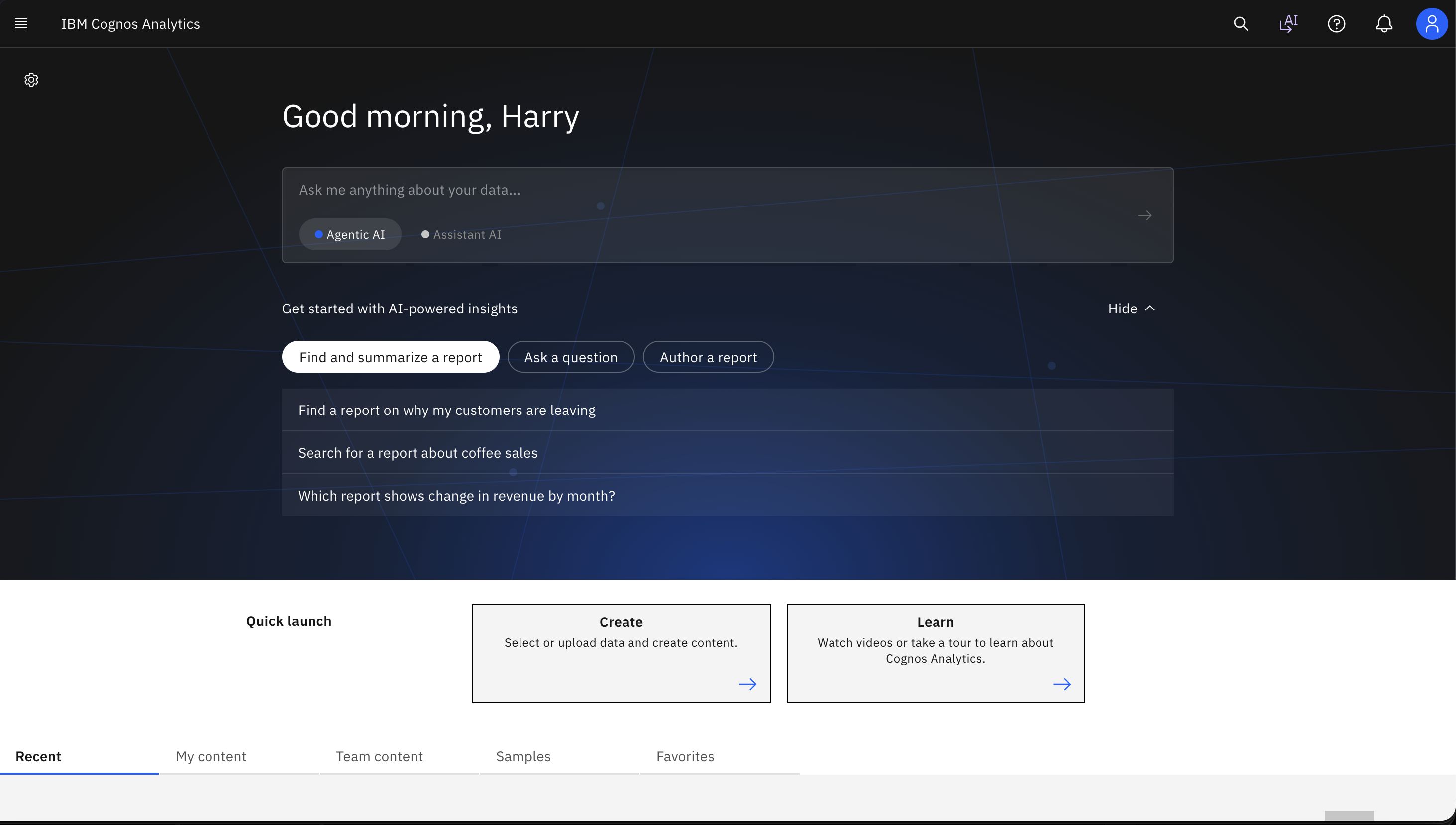    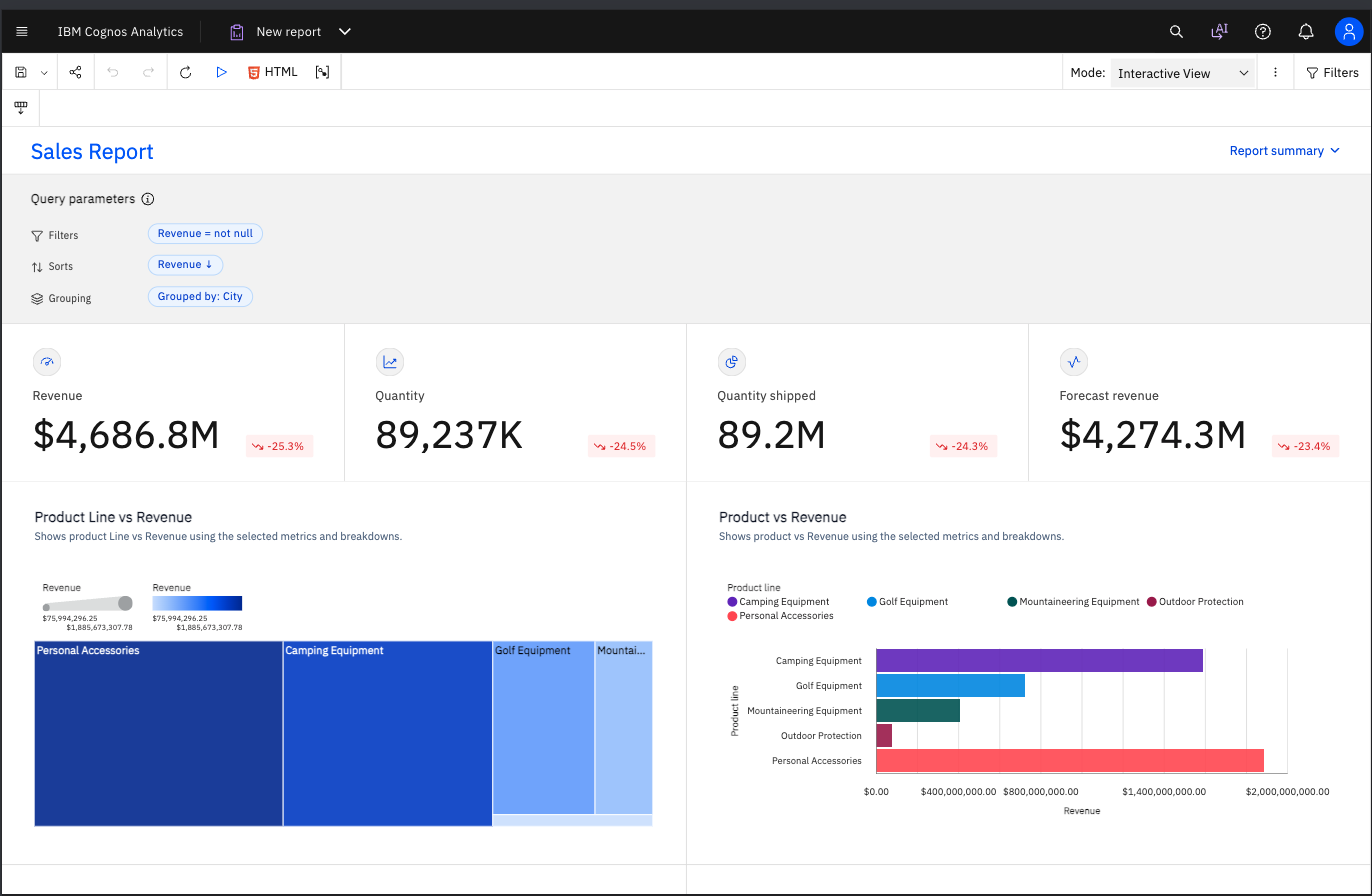 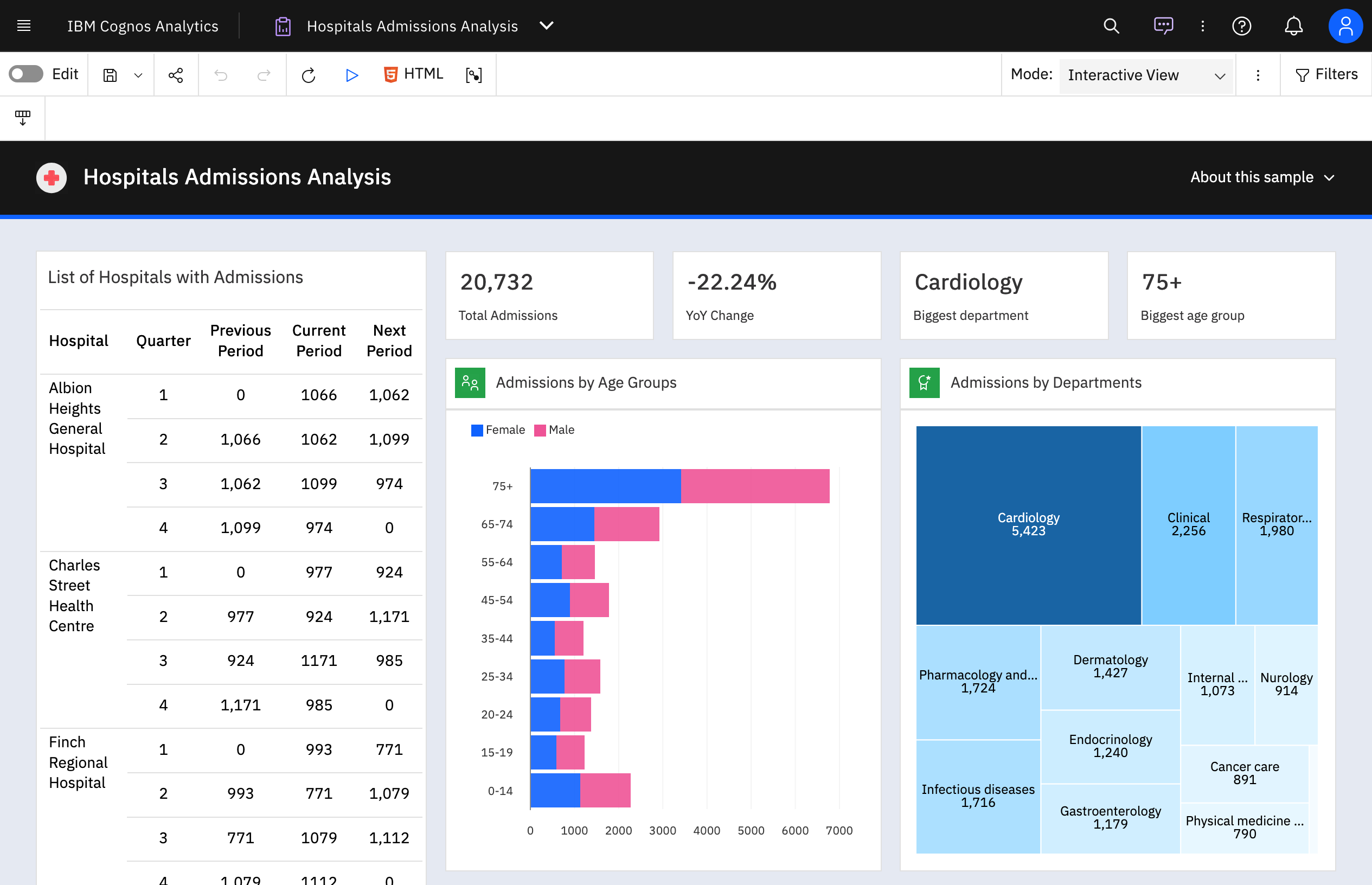 | OpenText Magellan Screenshots   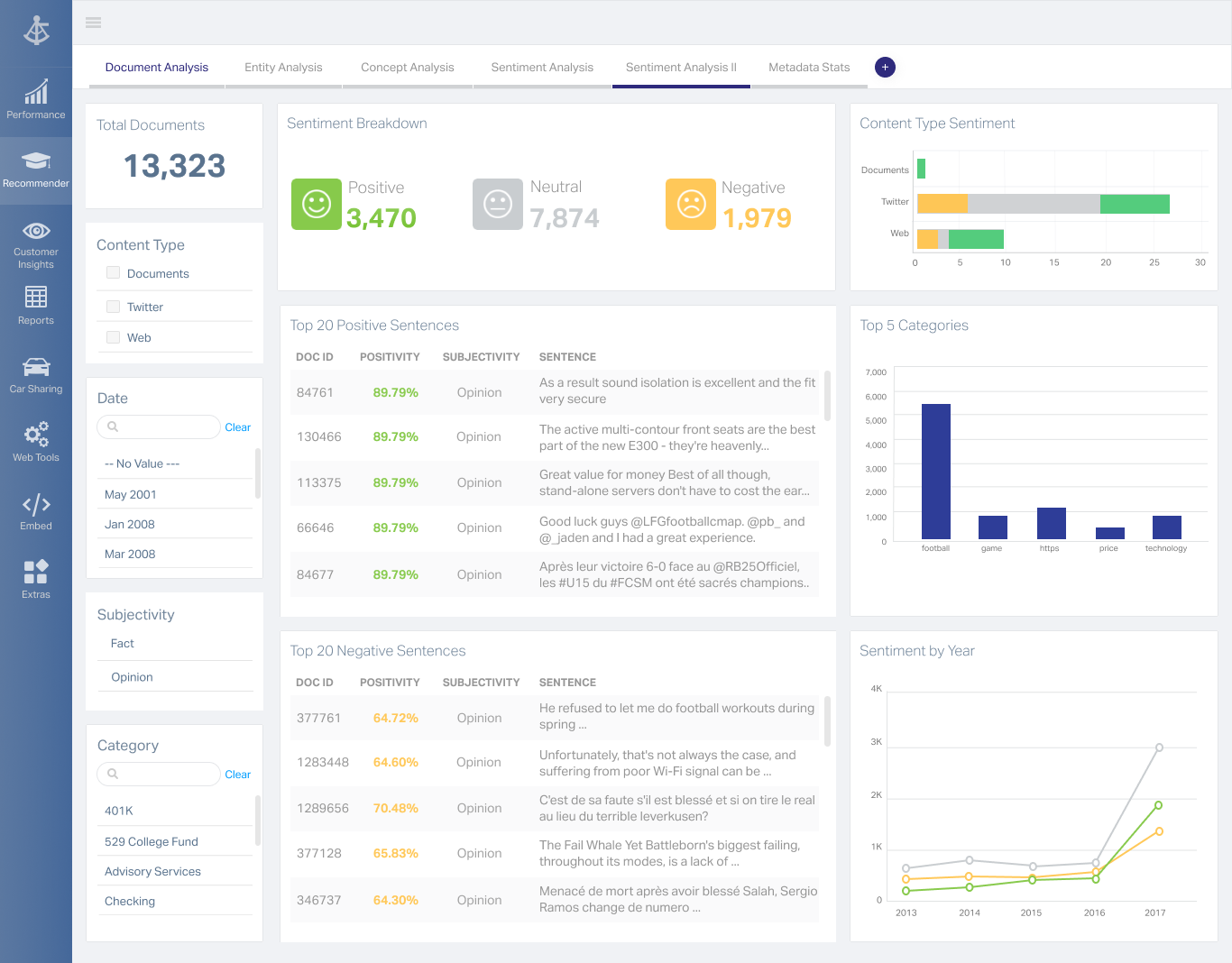 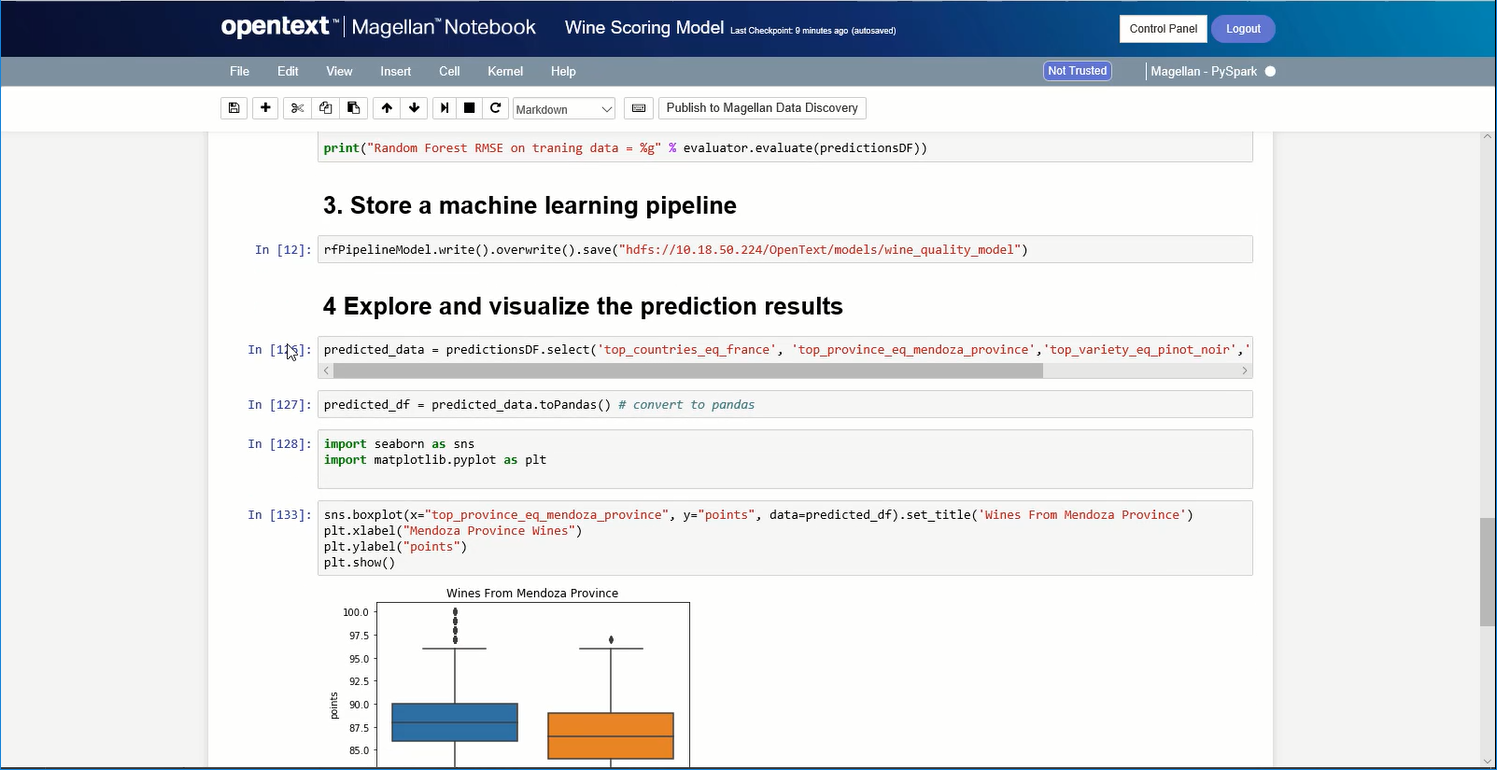 |