
Brassring vs. SAP Fieldglass vs. Transformify
Brassring vs. SAP Fieldglass vs. Transformify
| Product | Rating | Most Used By | Product Summary | Starting Price |
|---|---|---|---|---|
 Brassring | N/A | Brassring, formerly from IBM and part of the Kenexa Talent Acquisition Suite, and now sold by Infinite Computer Solutions, is an enterprise grade ATS and onboarding solution. It allows companies to find the right talent, track and manage candidates, and use candidate data to spot trends within the applicant pool. | N/A | |
 SAP Fieldglass | N/A | A Vendor Management System (VMS) used to find, engage, and manage a global external workforce – including temporary workers, freelancers, contractors, consultants, and service workers. | N/A | |
 Transformify | Mid-Size Companies (51-1,000 employees) | Transformify is a Workforce Management System, designed to help businesses of all sizes to manage the onboarding process , assign projects to their contingent workforce, transfer payments across the globe, and automate billing. Transformify features an integrated applicant tracking system (ATS) that enables HR teams to schedule interviews and streamline the hiring process by shortlisting candidates based on skills, salary expectations, or locations, etc. Transformify offers 3 main… | N/A |
| Brassring | SAP Fieldglass | Transformify | ||||||||||||||||||||||
|---|---|---|---|---|---|---|---|---|---|---|---|---|---|---|---|---|---|---|---|---|---|---|---|---|
| Editions & Modules | No answers on this topic | No answers on this topic | No answers on this topic | |||||||||||||||||||||
| Offerings |
| |||||||||||||||||||||||
| Entry-level Setup Fee | No setup fee | No setup fee | Optional | |||||||||||||||||||||
| Additional Details | — | — | FMS (Freelancer Management System): $5 per team member Application Tracking System: $50 per posted job | |||||||||||||||||||||
| More Pricing Information | ||||||||||||||||||||||||
| Brassring | SAP Fieldglass | Transformify |
|---|
| Brassring | SAP Fieldglass | Transformify | |||||||||||||||||||||||||||||||||||||||||||||||||||||||||||||||
|---|---|---|---|---|---|---|---|---|---|---|---|---|---|---|---|---|---|---|---|---|---|---|---|---|---|---|---|---|---|---|---|---|---|---|---|---|---|---|---|---|---|---|---|---|---|---|---|---|---|---|---|---|---|---|---|---|---|---|---|---|---|---|---|---|---|
| Recruiting / ATS |
|
| Brassring | SAP Fieldglass | Transformify | |
|---|---|---|---|
| Small Businesses |  Breezy HR Score 8.9 out of 10 | No answers on this topic |  When I Work Score 7.0 out of 10 |
| Medium-sized Companies | Breezy HR Score 8.9 out of 10 |  Beeline Extended Workforce Platform Score 7.4 out of 10 |  Paypro Workforce Management Score 9.1 out of 10 |
| Enterprises |  PeopleStrong Score 10.0 out of 10 | Beeline Extended Workforce Platform Score 7.4 out of 10 | SAP Fieldglass Score 8.4 out of 10 |
| All Alternatives | View all alternatives | View all alternatives | View all alternatives |
| Brassring | SAP Fieldglass | Transformify | |
|---|---|---|---|
| Likelihood to Recommend | 8.3 (30 ratings) | 8.9 (55 ratings) | - (0 ratings) |
| Likelihood to Renew | 6.0 (12 ratings) | 9.5 (4 ratings) | - (0 ratings) |
| Usability | 7.0 (3 ratings) | 9.0 (1 ratings) | - (0 ratings) |
| Performance | 5.0 (1 ratings) | - (0 ratings) | - (0 ratings) |
| Support Rating | 1.8 (2 ratings) | 1.0 (1 ratings) | - (0 ratings) |
| Implementation Rating | 2.6 (2 ratings) | - (0 ratings) | - (0 ratings) |
| Configurability | - (0 ratings) | 8.4 (44 ratings) | - (0 ratings) |
| Brassring | SAP Fieldglass | Transformify | |
|---|---|---|---|
| Likelihood to Recommend |  Infinite Computer Solutions, Inc
| SAP
 Scott Klein VP IT- Financial Systems (Source-to-Pay) | Transformify No answers on this topic |
| Pros | Infinite Computer Solutions, Inc
| SAP
 Kamal Singh Data Analyst | Transformify No answers on this topic |
| Cons | Infinite Computer Solutions, Inc
 Aaron Binkley Research and Sourcing Coordinator | SAP
 Erika Thier Category Manager External Workforce Management | Transformify No answers on this topic |
| Likelihood to Renew | Infinite Computer Solutions, Inc
 Brett Kummer, PHR Strategic Recruiting & Operations Manager - Global Recruiting | SAP
| Transformify No answers on this topic |
| Usability | Infinite Computer Solutions, Inc
 Dennard Melton Recruiting Specialist | SAP
| Transformify No answers on this topic |
| Performance | Infinite Computer Solutions, Inc
Dennard Melton Recruiting Specialist | SAP No answers on this topic | Transformify No answers on this topic |
| Support Rating | Infinite Computer Solutions, Inc
| SAP
| Transformify No answers on this topic |
| Implementation Rating | Infinite Computer Solutions, Inc
| SAP No answers on this topic | Transformify No answers on this topic |
| Alternatives Considered | Infinite Computer Solutions, Inc
| SAP
 Mohit Goyal Assistant Manager - R & D | Transformify No answers on this topic |
| Return on Investment | Infinite Computer Solutions, Inc
 Shaleen Whitfield Human Resources Field Recruiter | SAP
 Elias Cobb Recruiting Manager | Transformify No answers on this topic |
| ScreenShots | SAP Fieldglass Screenshots     | Transformify Screenshots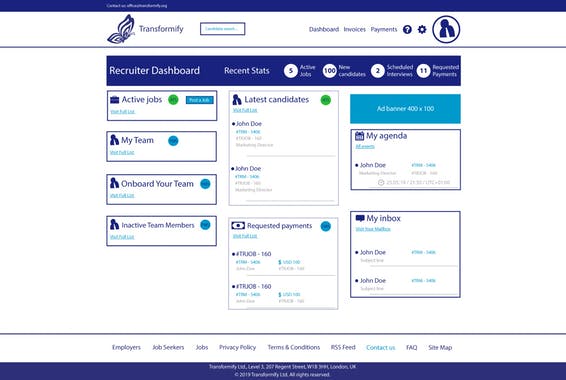 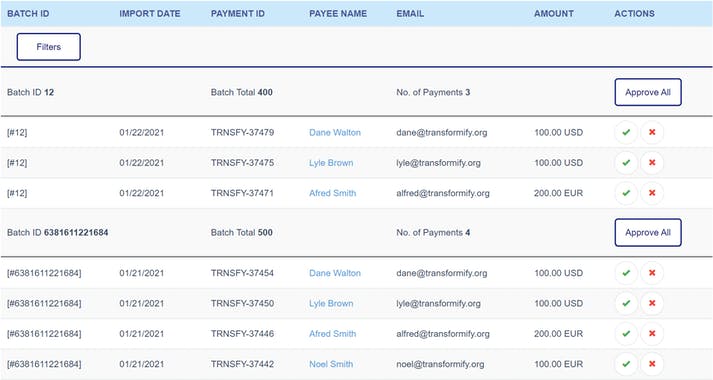 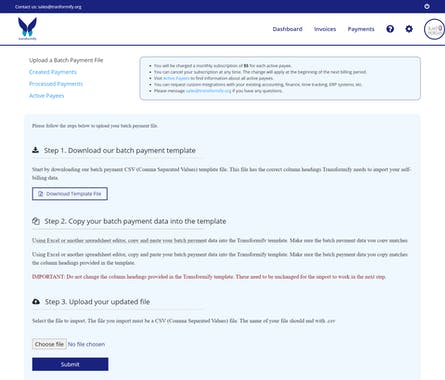 |