Chose Kintone
Kintone is more customizable, which allowed our small organization to create exactly what we needed. The other platforms we evaluated were really designed for larger organizations with more need for customer facing tools.

| Product | Rating | Most Used By | Product Summary | Starting Price |
|---|---|---|---|---|
 Kintone | N/A | Kintone is a customizable digital workplace platform used to manage data, tasks, and communication. The no-code drag-and-drop interface can be used to create custom applications. | $24 per month per user | |
 Link CRM | N/A | Link CRM is a sales platform from Aaram Tech headquartered in Istanbul, that offers lead management and the control over customers, deals, sales, and products management. Users can Manage customers and contacts, track and follow-up on any previous activities with customers, including phone calls, emails, meetings, and assign a customer to one or multiple agents. Users can add customers manually or using its excel import utility. | N/A | |
 monday.com | Mid-Size Companies (51-1,000 employees) | monday.com Work OS is an open platform designed so that anyone can create the tools they need to run all aspects of their work. It includes ready-made templates or the ability to customize any work solution ranging from sales pipelines to marketing campaigns, CRMs, and project tracking. | $12 per month per user |
| Kintone | Link CRM | monday.com | ||||||||||||||||||||||
|---|---|---|---|---|---|---|---|---|---|---|---|---|---|---|---|---|---|---|---|---|---|---|---|---|
| Editions & Modules |
| No answers on this topic |
| |||||||||||||||||||||
| Offerings |
| |||||||||||||||||||||||
| Entry-level Setup Fee | Optional | No setup fee | Optional | |||||||||||||||||||||
| Additional Details | Minimum requirement of 5 users. Kintone offers a free prototype to build with using existing process. | — | An 18% discount is available for annual billing. | |||||||||||||||||||||
| More Pricing Information | ||||||||||||||||||||||||
| Kintone | Link CRM | monday.com | |
|---|---|---|---|
| Considered Multiple Products |  Kintone  Nate Powers Deputy Director Chose Kintone We used to use Facilicase and Kintone is miles above in reliability and customization.  Lori Scarmardo Program Administrator - Public Power Pool (P3) Chose Kintone Kintone is more customisable. Platforms like Zendesk and Monday were much more than we needed, yet also lacked things we wanted. Access, which we used for years, was customisable, but also required us to maintain servers on site and tended to be slow. Kintone was the perfect …  Farshad Karimi Implementation Manager Chose Kintone More customizable in my opinion and free, though Kintone has drag and drop which is excellent and my favorite part.  Caneel Johnson Database Developer Chose Kintone Previously we used, sequalm access, and something called CSST. None of them were as dynamic or easy to build and update as Kintone.  Shin Kishioka PRESIDENT Chose Kintone Salesforce CMS  Carmen Miller Project Manager Chose Kintone Monday.com — I used this in my previous job and loved it for tracking stages and tasks (and I color-code everything), but at the time it was more clunky on raw data. It may have improved in this since then? Kintone is strong on data and I still color-code everything! …  Becca Rusinko Life Coach Chose Kintone We selected Kintone because it was the best combination of price and function. We needed something that could grow and scale with the organization, and that included looking at future prices. We didn't want to invest in something if we would be priced out five new users later. … | Link CRM No answer on this topic |  monday.com  Micah King Sr. IT Security Administrator Chose monday.com monday.com feels like it offers a lower barrier to entry as well as more versatility, extensibility without becoming too complex. Atlassian is geared more for larger companies requiring a greater degree of granular controls. Both platforms have a number of integrations (though, …  Daniel Cascarina PMO Specialist Chose monday.com Cost is a big factor as the alternatives stacked up poorly in user costs and built in features. Also, the business was already using a different facet of monday.com so it was a quick setup and we already had experience and people were Jo knew the platform. Less complex and also …  Gina Jehn Director of Human Resources Chose monday.com Features and automation blow this product out of the water!  Chance Johnson Production Supervisor Chose monday.com We have only ever tried one other software that was designed to work similarly to monday.com. I will not name the company but our experience with it was just short of harrowing. The company was friendly and supportive but the product they designed was not user friendly. It did …  Aviv Degani Cloud Solutions Architecture Manager Chose monday.com monday.com is the sweet spot of rich feature set and simplicity  Giovanni Jurado Business Analyst Team Lead Chose monday.com monday.com offer much of the standard tools and seems to be ever evolving. They seem to take feedback and constantly upgrade the tools. If all the tools are there, the differentiating factor might be the cost, any integrations you may need, and the visual "chemistry". To me, …  Brandon Stokes Customer Operations Enablement Manager Chose monday.com When I arrived at my org, I was initially disappointed to hear that we used something other than Asana for project management. Fast forward just a few months, and I became a complete monday.com convert. While its organization is similar to Asana's, it's user interface, … |
| Kintone | Link CRM | monday.com | |||||||||||||||||||||||||||||||||||||||||||||||||||||||||||
|---|---|---|---|---|---|---|---|---|---|---|---|---|---|---|---|---|---|---|---|---|---|---|---|---|---|---|---|---|---|---|---|---|---|---|---|---|---|---|---|---|---|---|---|---|---|---|---|---|---|---|---|---|---|---|---|---|---|---|---|---|---|
| Sales Force Automation |
| ||||||||||||||||||||||||||||||||||||||||||||||||||||||||||||
| Customer Service & Support |
| ||||||||||||||||||||||||||||||||||||||||||||||||||||||||||||
| Marketing Automation |
| ||||||||||||||||||||||||||||||||||||||||||||||||||||||||||||
| CRM Project Management |
| ||||||||||||||||||||||||||||||||||||||||||||||||||||||||||||
| CRM Reporting & Analytics |
| ||||||||||||||||||||||||||||||||||||||||||||||||||||||||||||
| Customization |
| ||||||||||||||||||||||||||||||||||||||||||||||||||||||||||||
| Integrations with 3rd-party Software |
| ||||||||||||||||||||||||||||||||||||||||||||||||||||||||||||
| Platform |
| ||||||||||||||||||||||||||||||||||||||||||||||||||||||||||||
| Security |
| ||||||||||||||||||||||||||||||||||||||||||||||||||||||||||||
| Project Management |
| ||||||||||||||||||||||||||||||||||||||||||||||||||||||||||||
| Professional Services Automation |
|
| Kintone | Link CRM | monday.com | |
|---|---|---|---|
| Small Businesses |  Salesmate Score 10.0 out of 10 | Salesmate Score 10.0 out of 10 |  Stackby Score 8.9 out of 10 |
| Medium-sized Companies |  Creatio Score 9.3 out of 10 | Creatio Score 9.3 out of 10 |  InEight Score 8.2 out of 10 |
| Enterprises | Creatio Score 9.3 out of 10 | Creatio Score 9.3 out of 10 | InEight Score 8.2 out of 10 |
| All Alternatives | View all alternatives | View all alternatives | View all alternatives |
| Kintone | Link CRM | monday.com | |
|---|---|---|---|
| Likelihood to Recommend | 9.7 (0 ratings) | - (0 ratings) | 8.6 (0 ratings) |
| Likelihood to Renew | 10.0 (0 ratings) | - (0 ratings) | 9.1 (0 ratings) |
| Usability | 9.3 (0 ratings) | - (0 ratings) | 8.6 (0 ratings) |
| Availability | 10.0 (0 ratings) | - (0 ratings) | 8.2 (0 ratings) |
| Performance | 10.0 (0 ratings) | - (0 ratings) | 8.6 (0 ratings) |
| Support Rating | 9.4 (0 ratings) | - (0 ratings) | 8.1 (0 ratings) |
| In-Person Training | - (0 ratings) | - (0 ratings) | 9.1 (0 ratings) |
| Online Training | 10.0 (0 ratings) | - (0 ratings) | 9.1 (0 ratings) |
| Implementation Rating | 6.8 (0 ratings) | - (0 ratings) | 9.1 (0 ratings) |
| Configurability | 9.0 (0 ratings) | - (0 ratings) | 8.2 (0 ratings) |
| Ease of integration | 10.0 (0 ratings) | - (0 ratings) | 9.0 (0 ratings) |
| Product Scalability | 10.0 (0 ratings) | - (0 ratings) | 6.9 (0 ratings) |
| Vendor post-sale | 10.0 (0 ratings) | - (0 ratings) | 9.0 (0 ratings) |
| Vendor pre-sale | 10.0 (0 ratings) | - (0 ratings) | 9.0 (0 ratings) |
| Kintone | Link CRM | monday.com | |
|---|---|---|---|
| Likelihood to Recommend |
| No answers on this topic |
|
| Pros |
Becca Rusinko Life Coach | No answers on this topic |
|
| Cons |
| No answers on this topic |
 Joshua Rodriguez Digital Strategy Manager |
| Likelihood to Renew |
Lori Scarmardo Program Administrator - Public Power Pool (P3) | No answers on this topic |
|
| Usability |
| No answers on this topic |
|
| Reliability and Availability |
| No answers on this topic |
|
| Performance |
Farshad Karimi Implementation Manager | No answers on this topic |
|
| Support Rating |
| No answers on this topic |
|
| Online Training |
| No answers on this topic |
|
| Implementation Rating |
Shin Kishioka PRESIDENT | No answers on this topic |
 Joseph Madere Learning Management System Analyst -- CornerstoneOnDemand |
| Alternatives Considered |
| No answers on this topic |
Micah King Sr. IT Security Administrator |
| Scalability |
Farshad Karimi Implementation Manager | No answers on this topic |
|
| Return on Investment |
| No answers on this topic |
Brandon Stokes Customer Operations Enablement Manager |
| ScreenShots | Kintone Screenshots 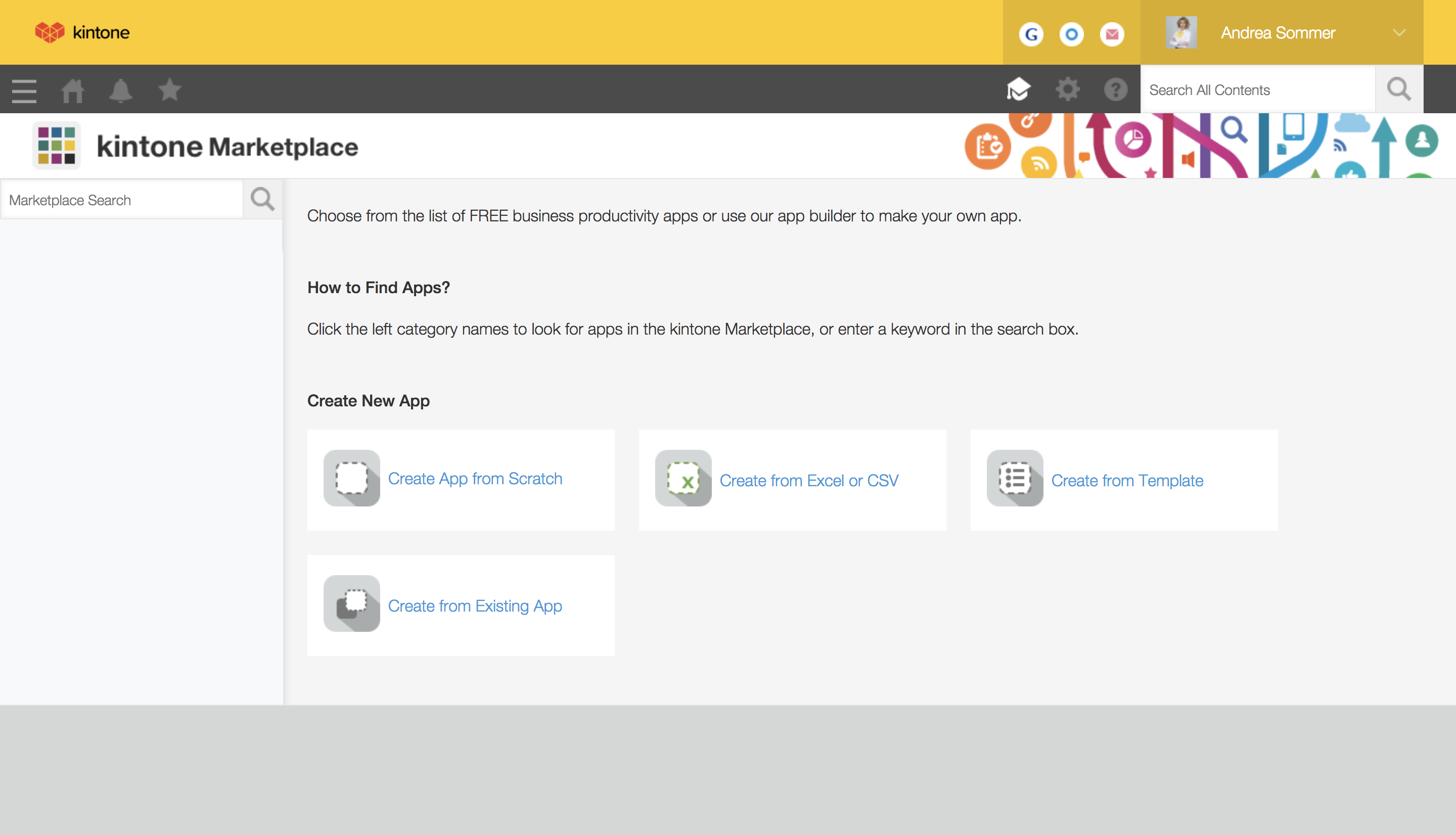   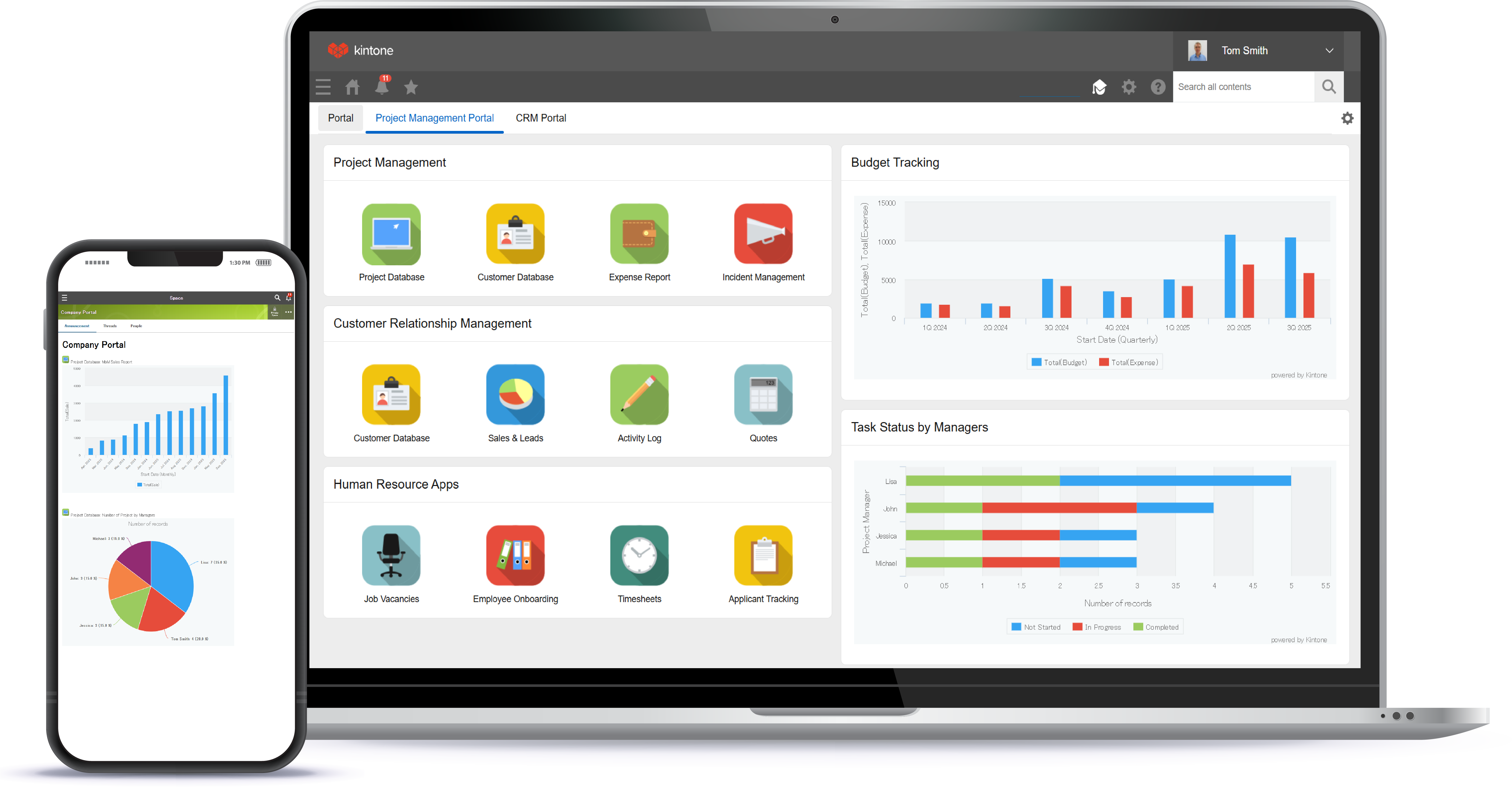 | monday.com Screenshots 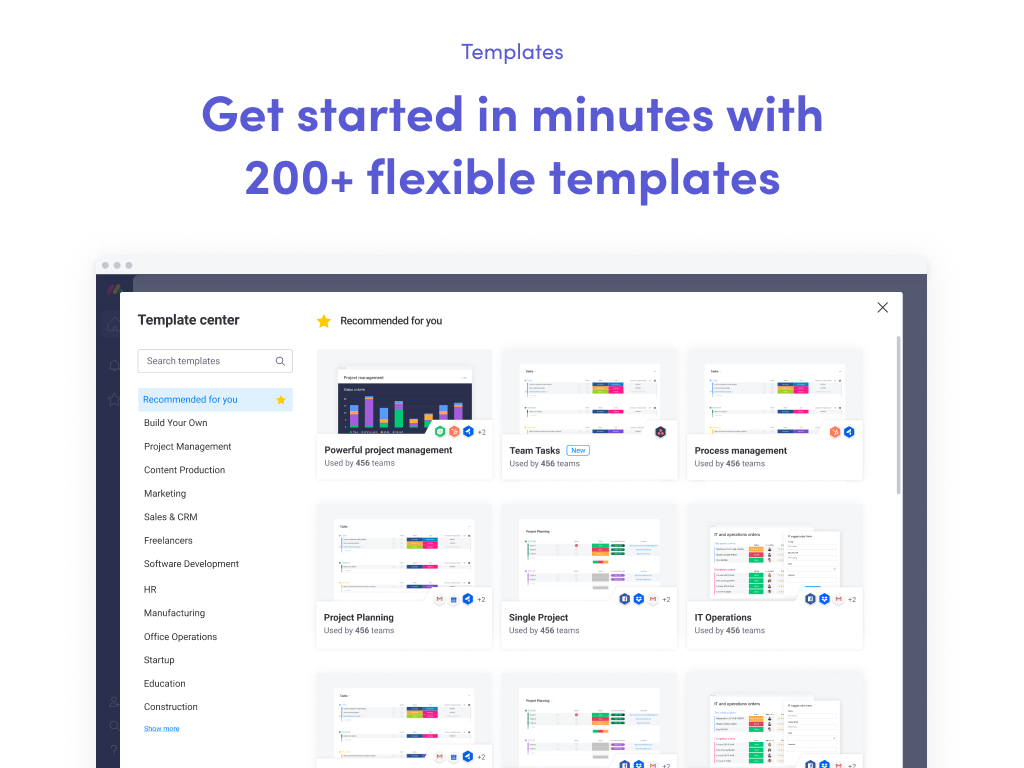     |