
KYRO vs. NetSuite ERP
| Product | Rating | Most Used By | Product Summary | Starting Price |
|---|---|---|---|---|
 KYRO | Score8.8 out of 10 | N/A | KYRO AI is a platform built for storm restoration, utility storm response, and field operations management. It helps utilities, contractors, subcontractors, and linemen manage everything from crew mobilization and project execution to documentation, billing, and access to working capital in one connected system. Built for high-pressure environments like storm response, KYRO AI enables teams to build storm rosters in minutes, verify crews on arrival, track field progress in real time, and… | $95 per month per user |
 NetSuite ERP | Score8.1 out of 10 | N/A | NetSuite is a suite of ERP and accounting modules which is sold in various editions aimed at different size customers. The multi-country, multi-currency version is an additional module called OneWorld. Netsuite is a SaaS system and is not offered in an on-premise edition. | N/A |
| KYRO | NetSuite ERP | |||||||||||||||
|---|---|---|---|---|---|---|---|---|---|---|---|---|---|---|---|---|
| Editions & Modules |
| No answers on this topic | ||||||||||||||
| Offerings |
| |||||||||||||||
| Entry-level Setup Fee | No setup fee | No setup fee | ||||||||||||||
| Additional Details | **Kyro charges by the license or by the number of projects executed per year. Both pricing models require a minimum commitment of 50 (either licenses per month or projects per year). 20% discount for annual pricing. | Users subscribe to NetSuite for an annual license fee. The license is made up of three main components: core platform, optional modules and the number of users. There is also a one-time implementation fee for initial setup. New modules and users and can be added as a business grows. | ||||||||||||||
| More Pricing Information | ||||||||||||||||
| KYRO | NetSuite ERP | |
|---|---|---|
| Considered Both Products | No answer on this topic | No answer on this topic |
| Key User Insights | ||
| Would buy again | ||
No answers on this topic | 94% Would buy again 280 Answers | |
| Delivers good value for the price | ||
No answers on this topic | 92% Delivers good value for the price 240 Answers | |
| Happy with the feature set | ||
No answers on this topic | 95% Happy with the feature set 282 Answers | |
| Lived up to sales and marketing promises | ||
No answers on this topic | 79% Lived up to sales and marketing promises 151 Answers | |
| Implementation went as expected | ||
No answers on this topic | 70% Implementation went as expected 154 Answers | |
| KYRO | NetSuite ERP | |||||||||||||||||||||||||
|---|---|---|---|---|---|---|---|---|---|---|---|---|---|---|---|---|---|---|---|---|---|---|---|---|---|---|
| Payroll Management |
| |||||||||||||||||||||||||
| Customization |
| |||||||||||||||||||||||||
| Security |
| |||||||||||||||||||||||||
| Reporting & Analytics |
| |||||||||||||||||||||||||
| General Ledger and Configurable Accounting |
| |||||||||||||||||||||||||
| Inventory Management |
| |||||||||||||||||||||||||
| Order Management |
| |||||||||||||||||||||||||
| Subledger and Financial Process |
| |||||||||||||||||||||||||
| Project Financial Management |
| |||||||||||||||||||||||||
| Project Execution Management |
| |||||||||||||||||||||||||
| Grants Management |
| |||||||||||||||||||||||||
| Procurement |
| |||||||||||||||||||||||||
| Risk Management |
| |||||||||||||||||||||||||
| Logistics |
| |||||||||||||||||||||||||
| Manufacturing |
| |||||||||||||||||||||||||
| Supply Chain |
| |||||||||||||||||||||||||
| Product Lifecycle Management |
| |||||||||||||||||||||||||
| KYRO | NetSuite ERP | |
|---|---|---|
| Small Businesses |  Kickserv Score9.3 out of 10 |  Zoho One Score9.2 out of 10 |
| Medium-sized Companies | No answers on this topic | Zoho One Score9.2 out of 10 |
| Enterprises | No answers on this topic |  Microsoft Dynamics AX (discontinued) Score4.8 out of 10 |
| All Alternatives | View all alternatives | View all alternatives |
| KYRO | NetSuite ERP | |
|---|---|---|
| Likelihood to Recommend | 8.8 | 8.5 |
| Likelihood to Renew | - | 7.6 |
| Usability | - | 8.0 |
| Availability | - | 9.0 |
| Performance | - | 8.0 |
| Support Rating | - | 5.4 |
| In-Person Training | - | 7.3 |
| Online Training | - | 6.4 |
| Implementation Rating | - | 5.4 |
| Configurability | - | 8.7 |
| CPA Rating | - | 7.3 |
| Ease of integration | - | 7.3 |
| Product Scalability | - | 9.0 |
| Vendor post-sale | - | 4.8 |
| Vendor pre-sale | - | 5.0 |
| KYRO | NetSuite ERP | |
|---|---|---|
| Likelihood to Recommend |
|
|
| Pros |
|
|
| Cons | No answers on this topic |
|
| Likelihood to Renew | No answers on this topic |
|
| Usability | No answers on this topic |
|
| Reliability and Availability | No answers on this topic |
|
| Performance | No answers on this topic |
|
| Support Rating | No answers on this topic |
|
| In-Person Training | No answers on this topic |
|
| Online Training | No answers on this topic |
|
| Implementation Rating | No answers on this topic |
|
| Alternatives Considered | No answers on this topic |
|
| Scalability | No answers on this topic |
|
| Return on Investment |
|
|
| ScreenShots | KYRO Screenshots    | NetSuite ERP Screenshots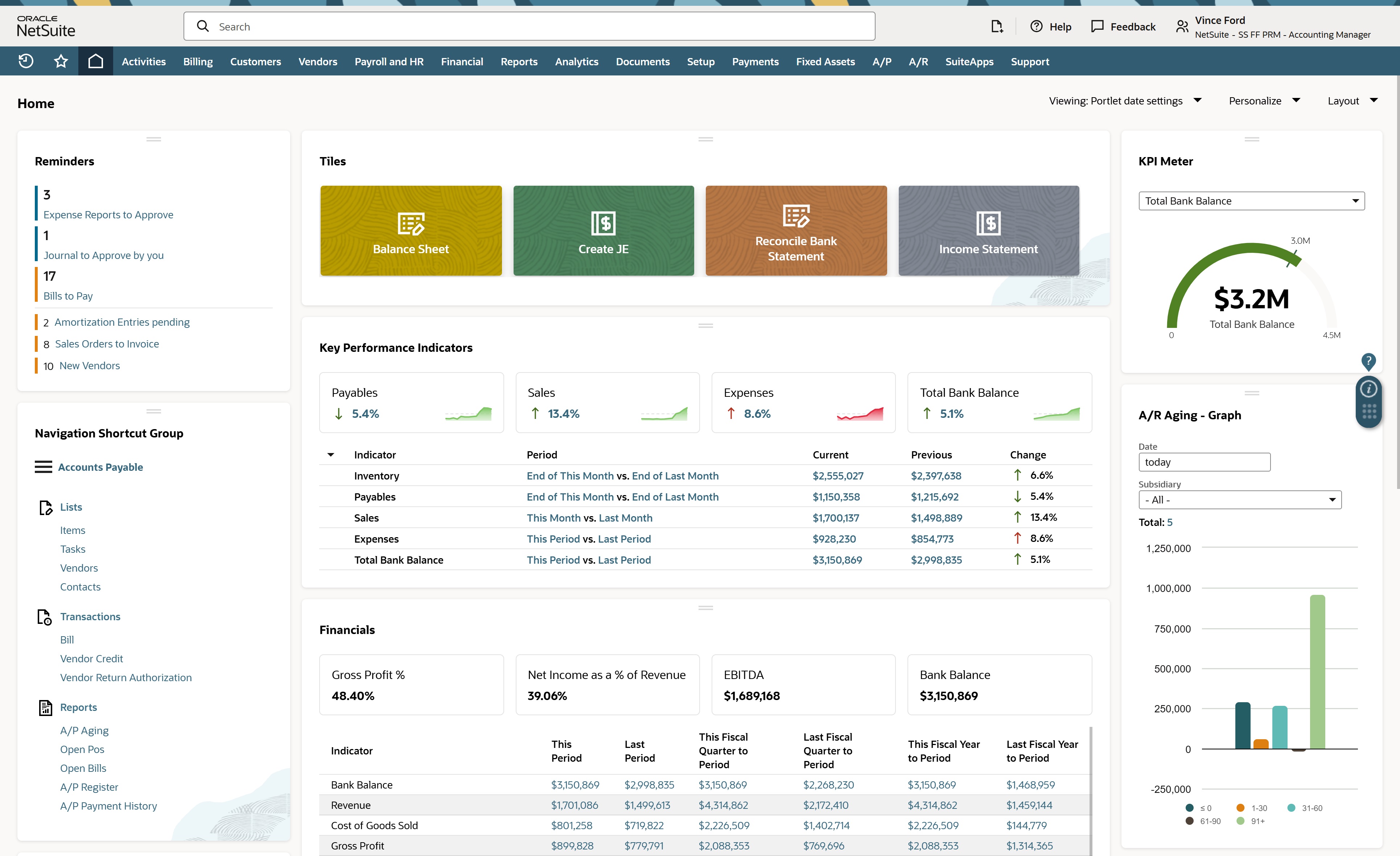  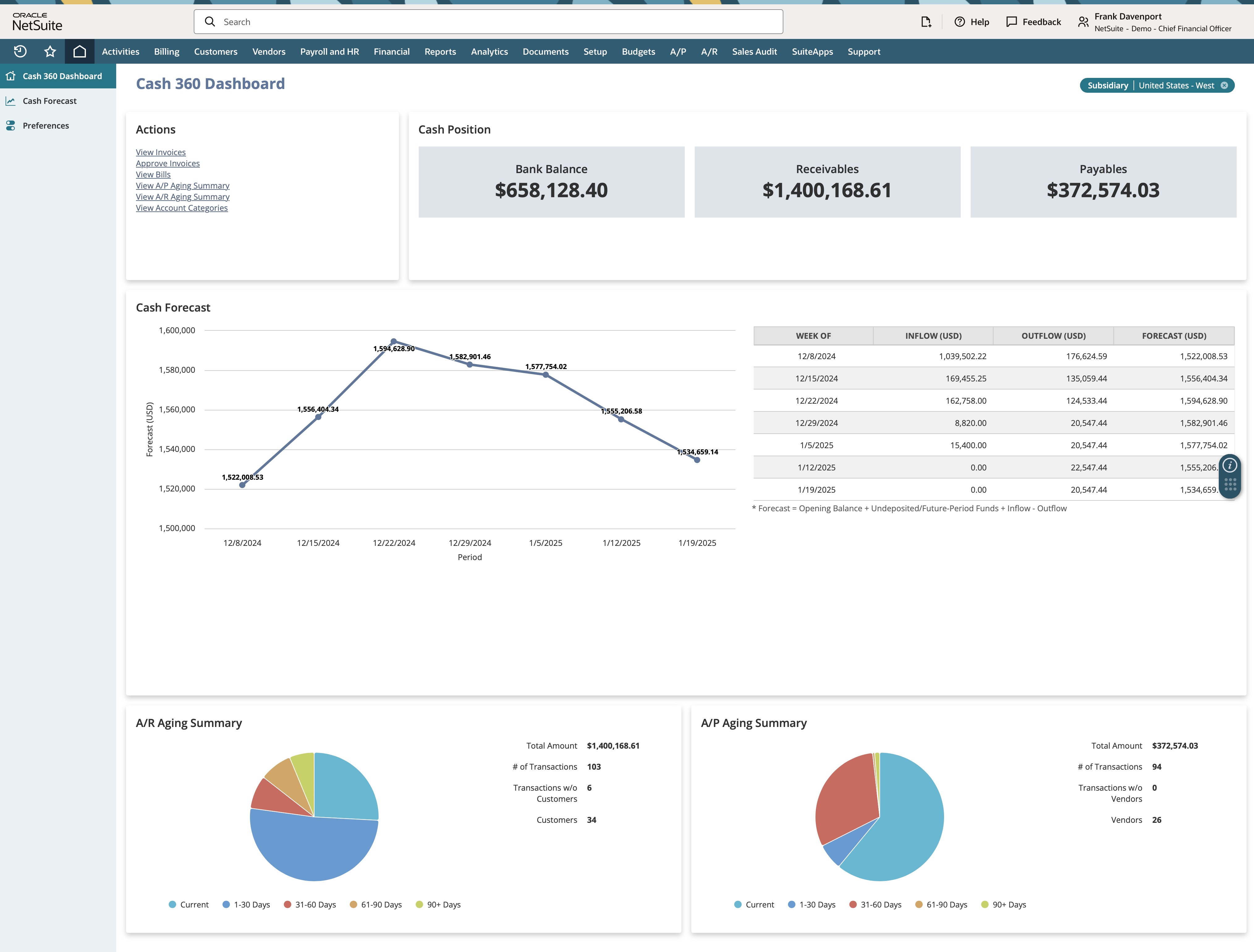 |



