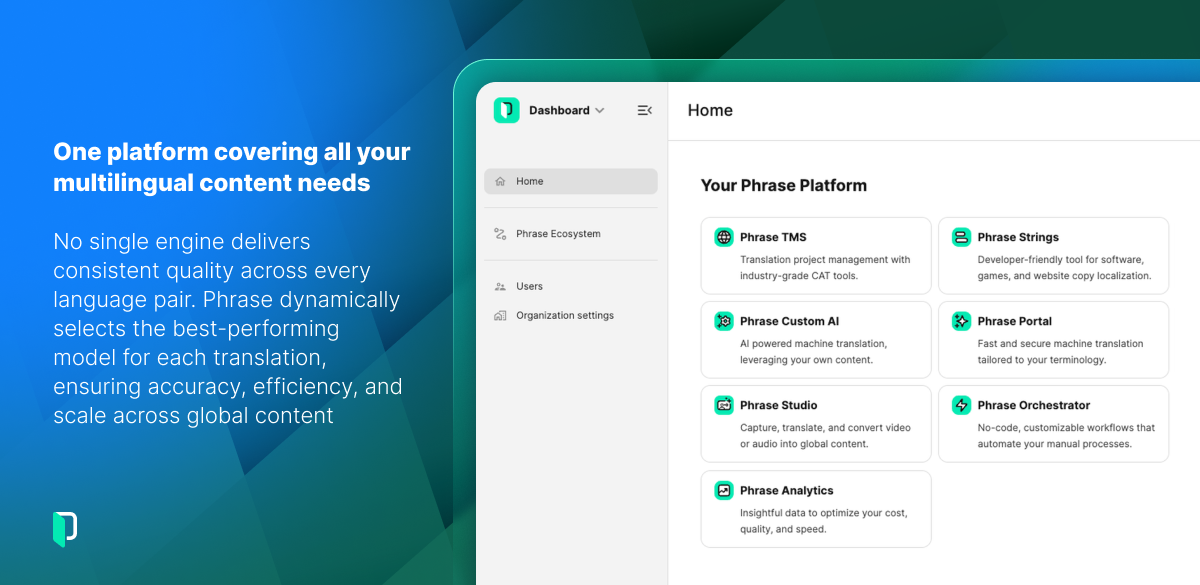
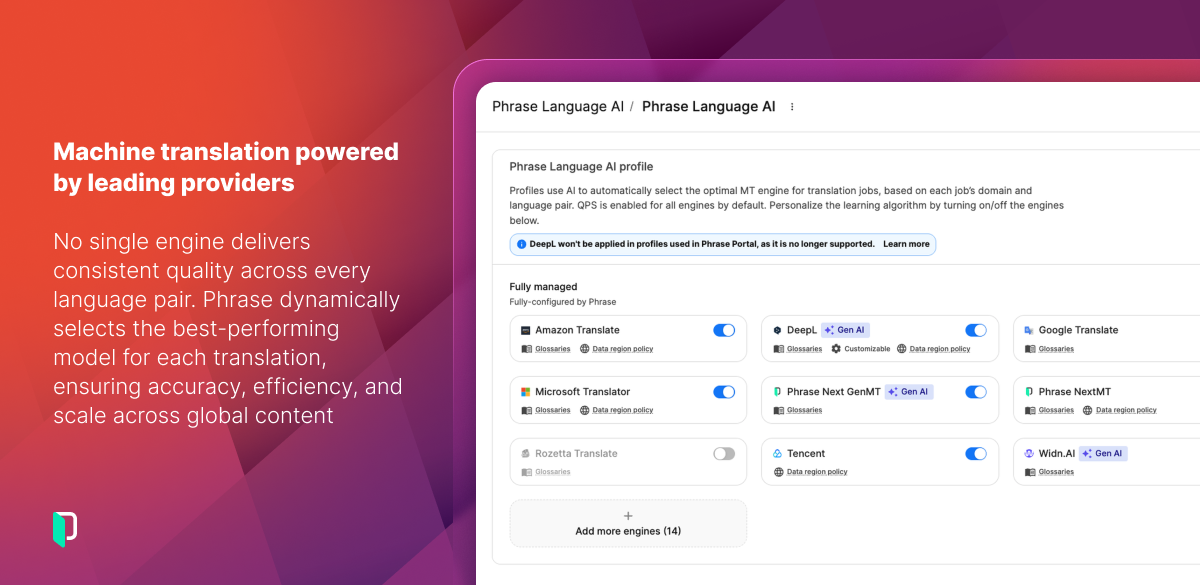
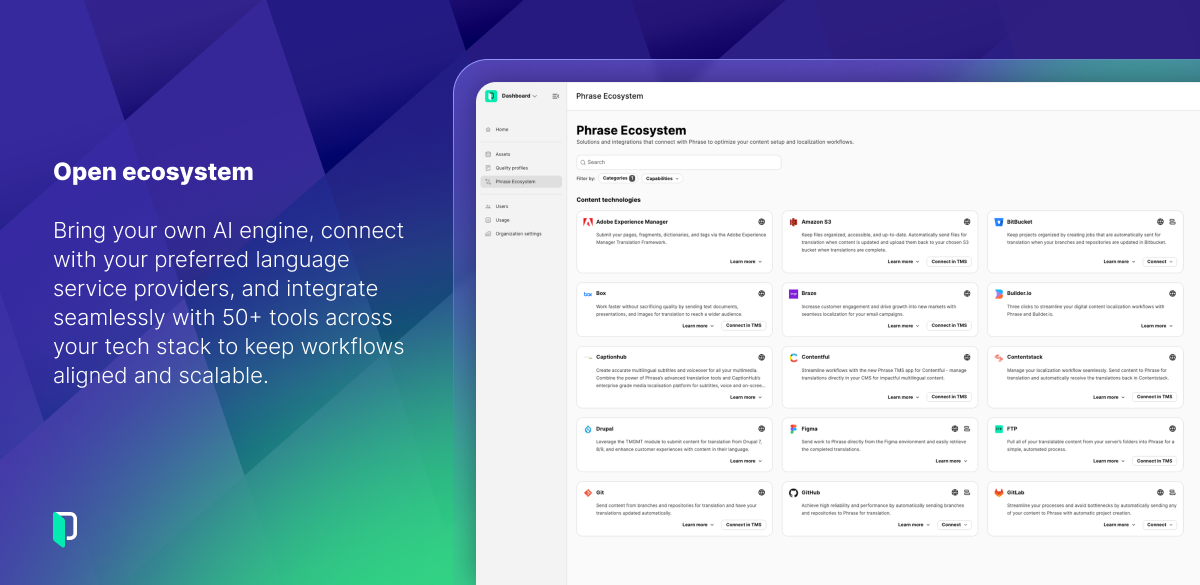
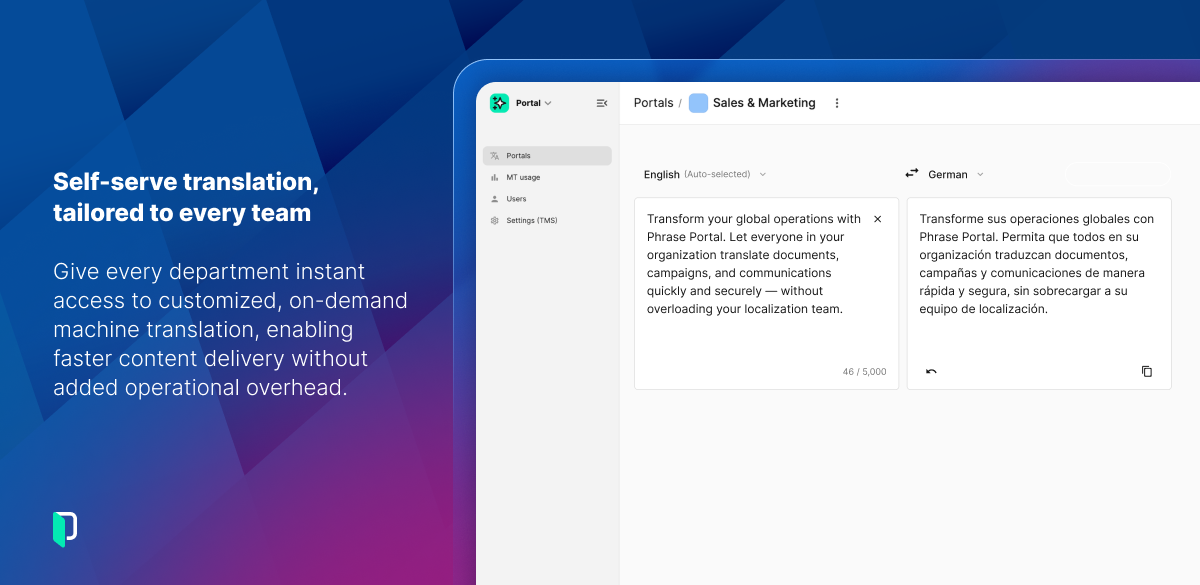
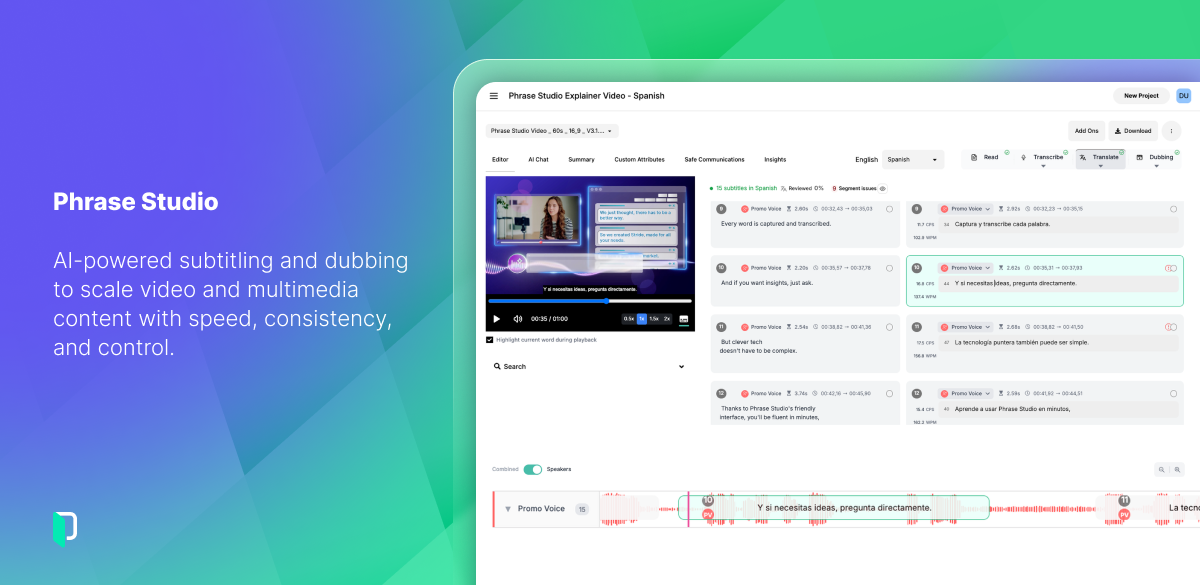
Phrase is a Language Intelligence provider. Its enterprise platform automates, manages, and delivers multilingual content. Global brands use Phrase across hundreds of languages to reduce time to market and deliver consistent brand experiences worldwide. The Phrase Platform brings together translation management, software localization, multimedia localization, machine translation, workflow automation, and language AI in a single integrated environment. From marketing…
$324
per year
Wordbee
Score 6.0 out of 10
N/A
Wordbee in Luxembourg offers their eponymous computer-assisted translation and translation management.
Phrase has more editing options than Wordbee and Wordfast and it's easier to search the TMs. The QA is also far more user-friendly than Wordbee and more efficient.
I also use Wordbee, but the thing I don't like it most about it is that the number of segments you can display at a time is limited to 100 and you must move around many pages if the job size is large. I use SDL Trados Studio as well, but not cloud-based, so not really …
The system is well suited if you also run Trados or any second system. As the system is very expensive and the use of MTUs is rather complicated to understand the best thing is to run most larger projects through Trados or any other CAT tool and then to import it. Large projects are expensive in Phrase Localization Platform so I would recommend it if you have small projects and have enough capacity to carefully check the terminology as the data pulled from the term base is inconsistent. The same applies to the find replace feature which can work great.
It is easy to view two columns of source and target, and when using the filter to see just untranslated segments. TM and matches can be seen and differentiated easily. Scenarios where it is less appropriate are their spellcheck and filter areas, which could be improved by adding more options.
Different colors to differentiate the status of the segment. One can click on the segment and change the color for the segments that were translated and those that still need to be reviewed.
Machine translation interface. There are three different machine translators at the side of the segments.
TM can be seen with matches highlighted at the side.
In the case of EN to JA translation, we enter text and then convert it to get the correct final text (word or phrase) which uses correct Chinese character(s), as there are often multiple Chinese characters with the same reading but different meanings. When those conversion options are displayed, it is usually possible to change our selection among them by hitting the Tab key, but in Phrase, hitting the Tab key makes us leave the text conversion and move to the source segment, so we must make sure to use arrow keys to choose the right conversion option when using Phrase.
When there are tag elements used in the source text, the tags must exist in the target text of course, but the tag order also must be the same. The tags cannot be moved around in the segment, which causes problems in the case of the Japanese language, because the word order differs between EN and JA.
In the Japanese language, Italics are basically not used, so there must be no texts between the tags which specify Italic font. But then the segment cannot be confirmed and the job status cannot be changed to "Complete".
Find and replace option could be improved to be easier.
The filter could have more options.
Spellcheck and QA need to be improved because I can not see it as an option in the online interface of my client. I need to download the document to do the spell check, and then correct the errors with the find and replace option.
I use and manage an Academic edition (approx. 15 students) and the corporate license (10 users). In both cases, the features are easy to find, set and use. My students and my translators understand the dynamics of the platform easily and get used to them quickly.
It is designed to be a lean system, but that means that things are clustered in weird groups and a lot of trial and error is involved getting the settings right. If something goes wrong first level support is very quick and has very fast answers which are quite typical of first level support and essentially equate to asking you if you have switched it off and on yet. Anything more involved is challenging for support to address.
We rarely use support, but most questions were answered in a timely fashion, although we didn't exactly find them satisfactory. That's mostly the fault of the software and not the Support team because we asked for things that Phrase couldn't do.
Phrase has a very good user interface that people can quickly learn and start using. Also, its analysis features are top class which helps me provide a detailed estimate to my client based on the file particulars. It has a QA feature that helps me do a very high-quality check before I send out my translation to the client.