
Giuseppe Nucifora
Senior Software Engineer Manager
Chose Akamai Cloud Computing
the relevant point that made me choose linode is the pricing strategy.

| Product | Rating | Most Used By | Product Summary | Starting Price |
|---|---|---|---|---|
 Akamai Cloud Computing | N/A | Akamai Cloud Computing (formerly Linode) include scalable and accessible Linux cloud solutions and services. These products and services support developers and enterprises as they build, deploy, secure, and scale applications. | $5 per month | |
 Amazon RDS | N/A | Amazon Relational Database Service (Amazon RDS) is a database-as-a-service (DBaaS) from Amazon Web Services. | N/A | |
 Google Compute Engine | N/A | Google Compute Engine is an infrastructure-as-a-service (IaaS) product from Google Cloud. It provides virtual machines with carbon-neutral infrastructure which run on the same data centers that Google itself uses. | $0 per month GB |
| Akamai Cloud Computing | Amazon Relational Database Service (RDS) | Google Compute Engine | ||||||||||||||||||||||
|---|---|---|---|---|---|---|---|---|---|---|---|---|---|---|---|---|---|---|---|---|---|---|---|---|
| Editions & Modules | No answers on this topic |
|
| |||||||||||||||||||||
| Offerings |
| |||||||||||||||||||||||
| Entry-level Setup Fee | Optional | Optional | No setup fee | |||||||||||||||||||||
| Additional Details | CPU, transfer, storage, and RAM are bundled into one price. Storage capacity can be increased with additional Block Storage or S3-compatible Object Storage. Instant Backups can be added with complete independence to the stack. Linode NodeBalancers ensure applications are available. | — | Prices vary according to region (i.e US central, east, & west time zones). Google Compute Engine also offers a discounted rate for a 1 & 3 year commitment. | |||||||||||||||||||||
| More Pricing Information | ||||||||||||||||||||||||
| Akamai Cloud Computing | Amazon Relational Database Service (RDS) | Google Compute Engine | |
|---|---|---|---|
| Considered Multiple Products |  Akamai Cloud Computing Giuseppe Nucifora Senior Software Engineer Manager Chose Akamai Cloud Computing the relevant point that made me choose linode is the pricing strategy.  Erle Pereira, MBA (EntMgt) Information Technology Specialist, Digital Strategist Chose Akamai Cloud Computing There are a lot of very good cloud operations. Linode, for us represents a good offering. It offers a simple way to control infrastructure, without being overly simplified. For us, it was a good median giving us the flexibility to explore, experiment and still build for scale. …  Philip Thomas Mr Many Hats Chose Akamai Cloud Computing I am still evaluating DigitalOcean Droplets as their pricepoint has moved more towards Linode, but so far I am leaning back towards Linode. They also don't have the GPU machines. But they do have a wider range of options for CPU. At present if you do lscpu on Linode it lists …  Paul Marclay Co-founder Chose Akamai Cloud Computing I used a lot of different services, a lot of services inside Amazon AWS and Digital ocean, but I found at Linode a different way to do all what I need, without having to be worried about weird costs calculations and other things like that. Chose Akamai Cloud Computing I have used DigitalOcean once, the price is quite the same but the support I am getting from Linode is more valuable than DigitalOcean.  Harald Kubota Veep Chose Akamai Cloud Computing For simple VMs or Kubernetes, Linode is cheaper and it also has consistently good performance. As long as this is what you need, you get all you'd want. AWS and GCP shine when you need their other services. Oracle Cloud was bare bone and expensive. Droplets are easy to start …  Marc Lewis Owner Chose Akamai Cloud Computing One of our clients was previously hosted on Rackspace, then Google Cloud Services. Their Rackspace services were very expensive and provided little in the way of migration or management. After re-engineering their deployment, we migrated them to Google Cloud Services (GCS) … | Amazon RDS Giuseppe Nucifora Senior Software Engineer Manager Chose Amazon Relational Database Service (RDS) Offers enterprise-grade service that is incomparable to proven services. Obviously, the price is higher but justified if you want these features. |  Google Compute Engine |
| Akamai Cloud Computing | Amazon Relational Database Service (RDS) | Google Compute Engine | |||||||||||||||||||||||||||||||||||||||
|---|---|---|---|---|---|---|---|---|---|---|---|---|---|---|---|---|---|---|---|---|---|---|---|---|---|---|---|---|---|---|---|---|---|---|---|---|---|---|---|---|---|
| Infrastructure-as-a-Service (IaaS) |
|
| Akamai Cloud Computing | Amazon Relational Database Service (RDS) | Google Compute Engine | |
|---|---|---|---|
| Small Businesses |  DigitalOcean Droplets Score 9.4 out of 10 |  InterSystems IRIS Score 8.0 out of 10 | DigitalOcean Droplets Score 9.4 out of 10 |
| Medium-sized Companies |  SAP on IBM Cloud Score 9.0 out of 10 | InterSystems IRIS Score 8.0 out of 10 | SAP on IBM Cloud Score 9.0 out of 10 |
| Enterprises | SAP on IBM Cloud Score 9.0 out of 10 |  SAP IQ Score 10.0 out of 10 | SAP on IBM Cloud Score 9.0 out of 10 |
| All Alternatives | View all alternatives | View all alternatives | View all alternatives |
| Akamai Cloud Computing | Amazon Relational Database Service (RDS) | Google Compute Engine | |
|---|---|---|---|
| Likelihood to Recommend | 8.3 (218 ratings) | 8.9 (131 ratings) | 8.7 (64 ratings) |
| Likelihood to Renew | 9.2 (30 ratings) | 8.4 (5 ratings) | 7.3 (3 ratings) |
| Usability | 8.8 (22 ratings) | 8.7 (8 ratings) | 8.7 (9 ratings) |
| Availability | 8.3 (4 ratings) | 9.0 (1 ratings) | 9.6 (27 ratings) |
| Performance | 8.2 (4 ratings) | 7.0 (1 ratings) | 9.0 (27 ratings) |
| Support Rating | 9.1 (217 ratings) | 9.6 (13 ratings) | 10.0 (10 ratings) |
| Online Training | 8.2 (1 ratings) | 10.0 (1 ratings) | - (0 ratings) |
| Implementation Rating | 8.5 (12 ratings) | - (0 ratings) | - (0 ratings) |
| Configurability | 9.1 (3 ratings) | - (0 ratings) | - (0 ratings) |
| Ease of integration | 9.1 (2 ratings) | - (0 ratings) | - (0 ratings) |
| Product Scalability | 9.1 (4 ratings) | 9.0 (1 ratings) | 7.3 (1 ratings) |
| Vendor post-sale | 9.1 (2 ratings) | - (0 ratings) | - (0 ratings) |
| Vendor pre-sale | 9.1 (3 ratings) | - (0 ratings) | - (0 ratings) |
| Akamai Cloud Computing | Amazon Relational Database Service (RDS) | Google Compute Engine | |
|---|---|---|---|
| Likelihood to Recommend | Akamai
| Amazon AWS
| Google
|
| Pros | Akamai
 Eric Mintz CEO | Amazon AWS
| Google
|
| Cons | Akamai
| Amazon AWS
 Animesh Kumar Senior Member of Technical Staff | Google
 Tyler Johnson Senior Software Architect |
| Likelihood to Renew | Akamai
| Amazon AWS
 Rahul Jain Software Engineer | Google
 Sagar Mehta Consultant |
| Usability | Akamai
 Erik Rothoff Andersson Founder | Amazon AWS
 Erlon Sousa Pinheiro Senior Devops Engineer | Google
 Brendon Brown Business IT, Web Development, eCommerce and Digital Marketing |
| Reliability and Availability | Akamai
| Amazon AWS No answers on this topic | Google
 Manan Soni Application Engineer |
| Performance | Akamai
Erik Rothoff Andersson Founder | Amazon AWS No answers on this topic | Google
|
| Support Rating | Akamai
 Osama Khan Support Specialist | Amazon AWS
 Michael Jenkins Senior Systems Reliability Engineer | Google
|
| Online Training | Akamai
| Amazon AWS
 KAUSHIK DEBNATH SAP BASIS Consultant | Google No answers on this topic |
| Implementation Rating | Akamai
| Amazon AWS No answers on this topic | Google No answers on this topic |
| Alternatives Considered | Akamai
| Amazon AWS
| Google
|
| Scalability | Akamai
| Amazon AWS No answers on this topic | Google
|
| Return on Investment | Akamai
 Arthur Furlan CEO & Co-founder | Amazon AWS
| Google
 David Long, SPA Director of Development |
| ScreenShots | Akamai Cloud Computing Screenshots   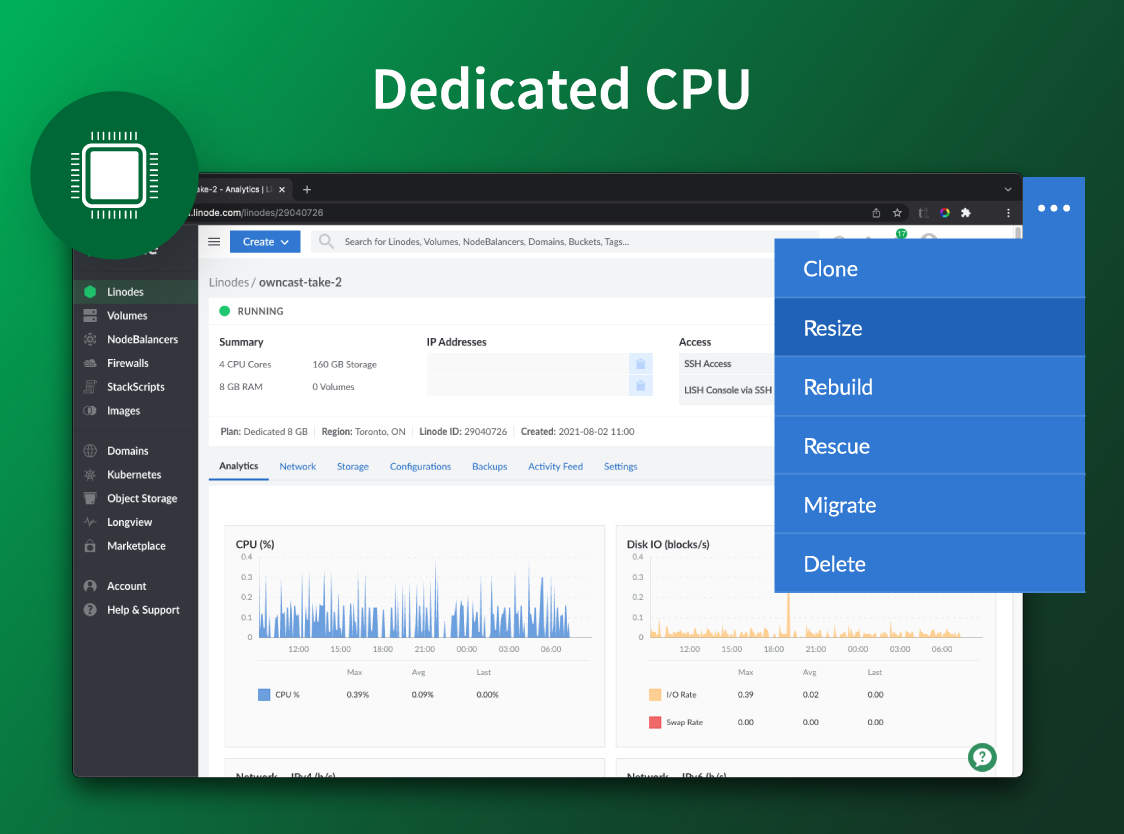 | Amazon RDS Screenshots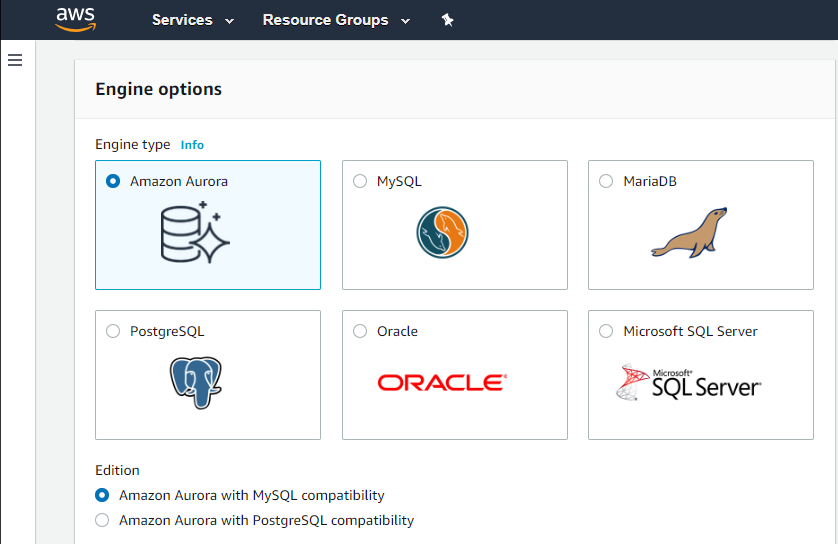 | Google Compute Engine Screenshots  |
