BrowserStack is a test platform built for developers and QAs to expand test coverage, scale and optimize testing with cross-browser, real device cloud, accessibility, visual testing, test management, and test observability. BrowserStack states it currently powers over a billion tests a year for customers who include Amazon, Paypal, Well Fargo Bank, Nvidia, MongoDB, Pfizer, GE, Discovery, React JS, Apache, JQuery and several others rely on BrowserStack to test their web and mobile apps.
$0
per month Unlimited users and 5000 free screenshots
IBM DevOps Test Performance
Score 5.7 out of 10
N/A
IBM DevOps Test Performance helps software testing teams test earlier and more frequently by shifting testing left. IBM DevOps Test Performance validates the scalability of web and server applications, identifies the presence and cause of system performance bottlenecks and reduces load testing. Software testing teams can execute performance tests that analyze the impact of load on applications.
N/A
Pricing
BrowserStack
IBM DevOps Test Performance
Editions & Modules
Percy - Free
$0
per month Unlimited users and 5000 free screenshots
App Percy - Free
$0
per month 5000 free screenshots and 100 minutes of infrastructure
BrowserStack is very useful if you need to troubleshoot a client's reported experience from using an older device or browser version that you do not own and can not personally replicate in-house. For instance, if you are in a Windows environment and your client has a Mac, or if you have iPhones and they have Android. It's also great for ensuring that above-the-fold content is presented effectively across a variety of mobile devices and optimizing visitor experiences. If you are a small business with lower client volumes where these services are needed, then the price point may be high.
Go for IBM RPT if: 1. You're testing a Java-based Web application with HTTP protocol 2. You wanted to distribute the load across machines easily 3. Your team is in learning phase/not really introduced to a wide range of performance testing tools Do not go for IBM RPT if: 1. You wanted to test REST or any other advanced protocols 2. Your system under test demands a very high user load 3. Your application is written in .NET or any other platform except Java.
Tests Android and iOS on real devices on cloud, without the need to purchase the devices.
Run Maestro tests and other frameworks on real devices, reporting the errors to be fixed to developers or the test workflows that failed to the QA team.
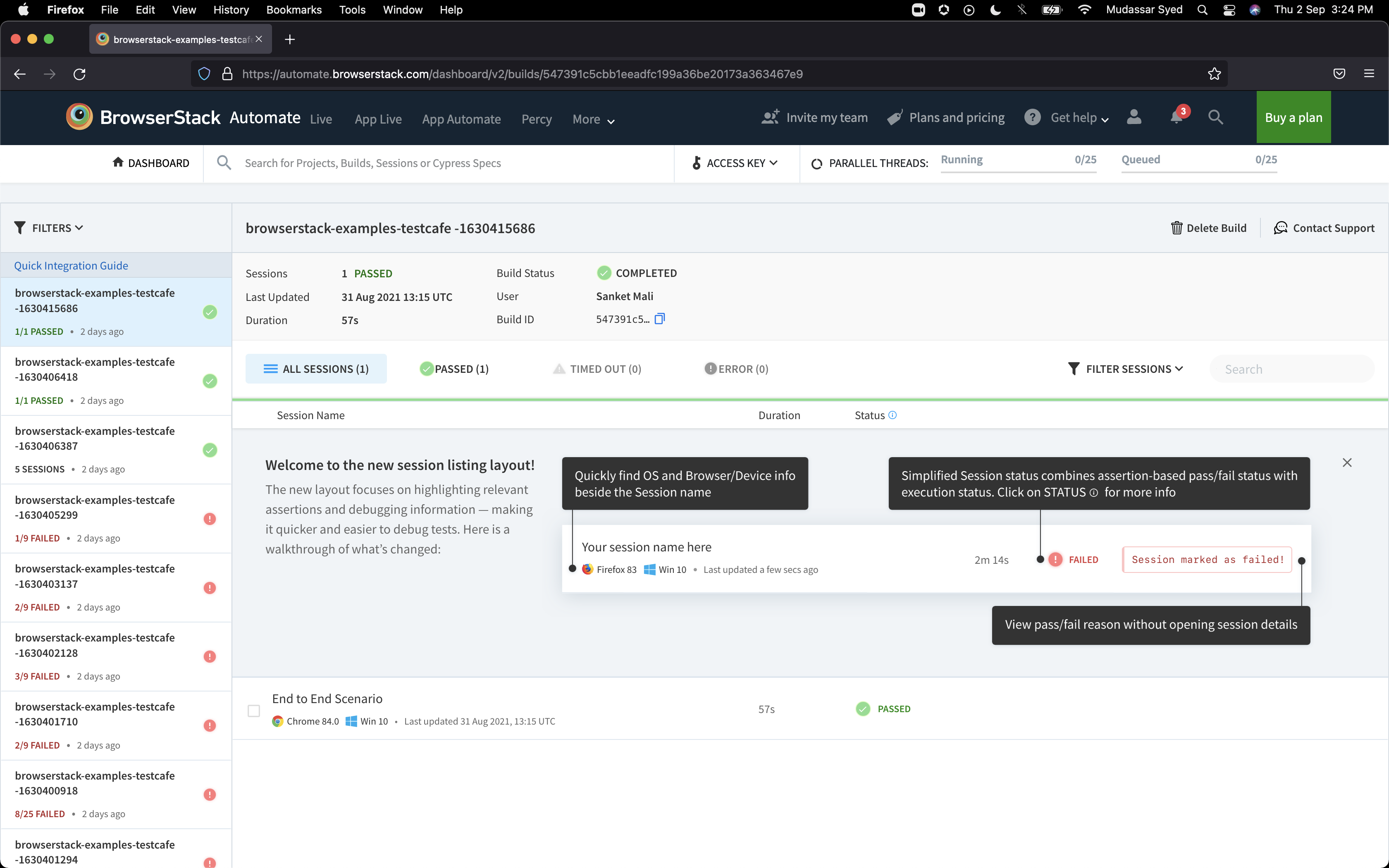
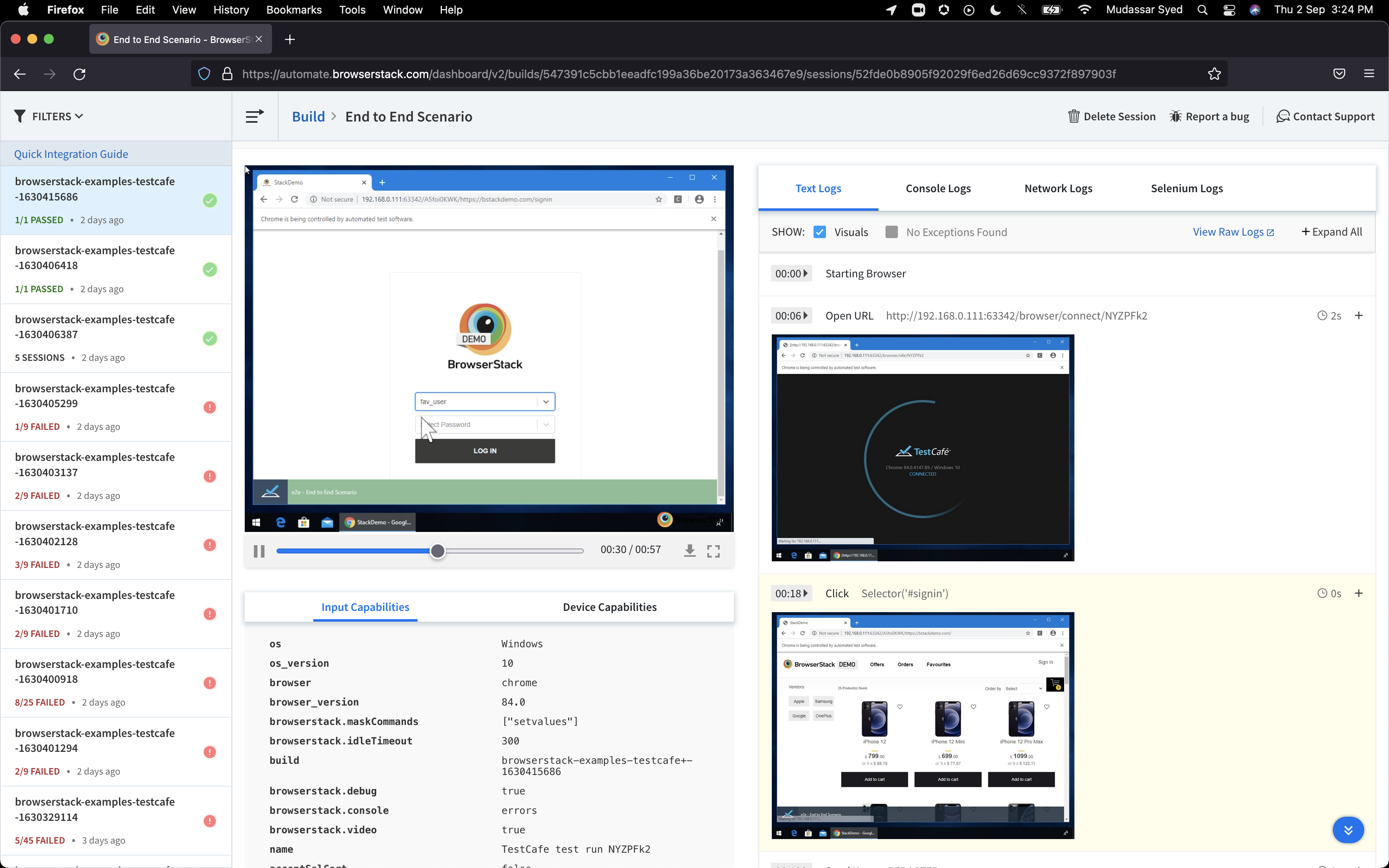
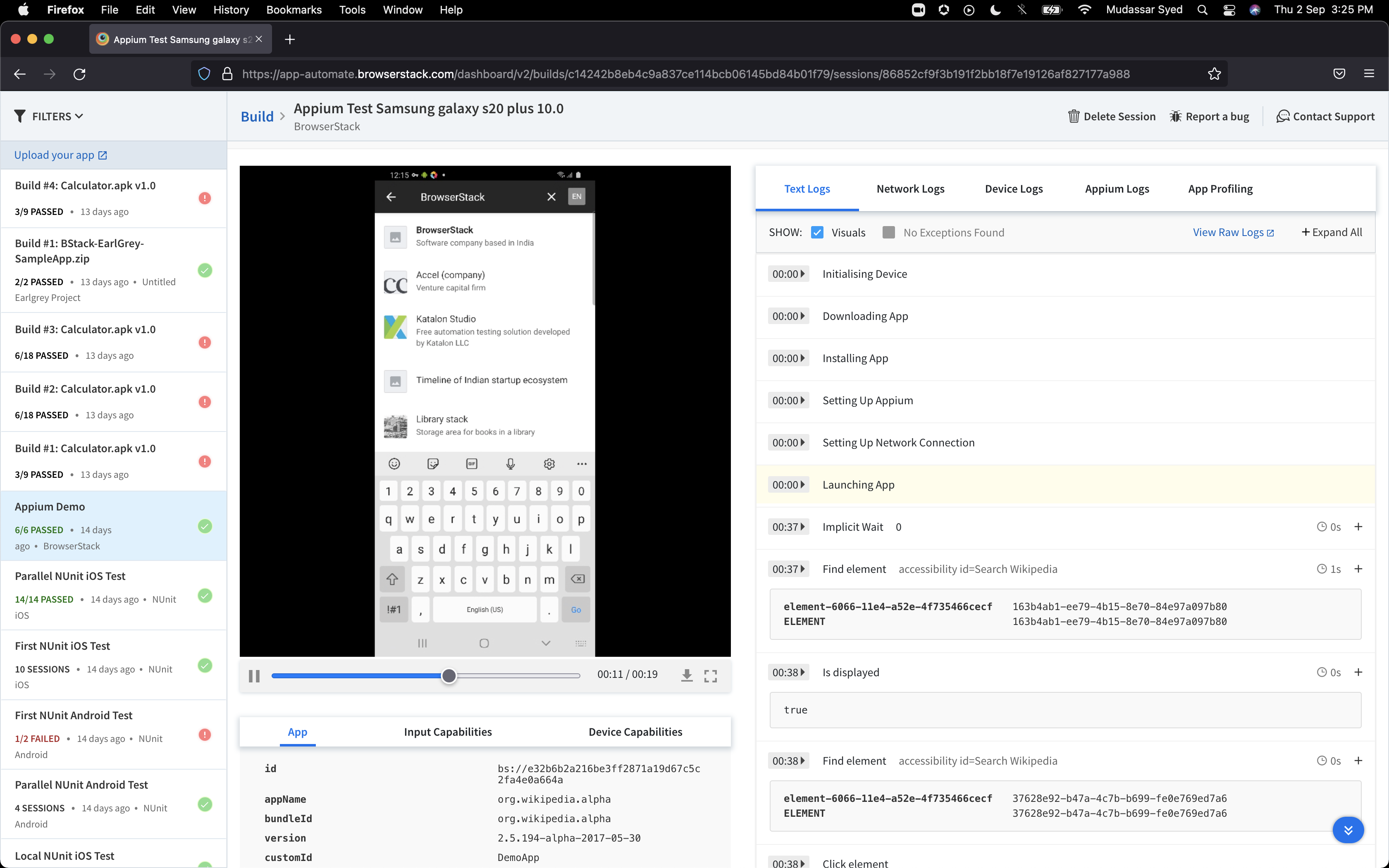
The quality reports at the end of the tests are really good, because they contain videos of the tests being performed on the devices. So, not only text, I can check the behavior of the application exactly how it runs.
The documentation needs to improve for browser edge cases, such as "approving permissions automatically". There are several "solutions" posted, none of which worked. I needed to go to Discord to get the real solution.
Documentation in general seems to provide answers that are unclear or flaky
There needs to be a more reliable way to programmatically choose device, platform, and window size by being able to query a 'plan' endpoint instead of just 'failing the combination.'
Memory utilization could have been improved.(Eats up system's RAM)! It may crash if a test is conducted with the heavy load if adequate RAM is not available in the VM/host machine.
Licensing could have been made simpler. IBM's licensing method is difficult to follow.
Support for protocols other than HTTP. Not really up to the current trend.
It's almost the 3rd year for us and it's renewal time for us. So yes, we are already discussing how many licenses we need to increase as users are increasing internally. So it's 100% sure that we are already planning renewal this year as well BrowserStack with live and app automate.
So many options that it can be a little overwhelming, but the core functions are easy to find and use and it's usually not too hard to figure things out for the more complex tasks. Very easy to boot up a device and a specific browser from the dashboard to begin a manual website test.
I rated BrowserStack's availability a 10 because it is consistently reliable, with minimal to no downtime or unplanned outages. The platform is accessible whenever needed, ensuring uninterrupted testing. Its robust infrastructure and proactive monitoring ensure a seamless experience, allowing us to meet deadlines without delays caused by availability issues and all
The tests are fast considering the fact that they're Appium tests. I've seen tests reliably pass or fail when they're supposed to, with next to zero issues on the BrowserStack side of things. Tests launch only seconds after I kick off them off from my CLI.
I've not had much direct interaction with the BrowserStack support team. The help and community are great and we've not run into any issue that has really required us to reach out. I guess having a stable and easy to use system means you may never need to contact support.
Yes, it was online training on meet, and trainer looks like skilled and technical strong, he has covered end to end all the features and he has answers all the queries. because of this trainings we are able to implement it by our own in the organization, thank you for support and training.
It was a quick training from the support of browserstack, it was nice and easy to understand, thanks again for the support given by the team. and regularly I used to receive mails for training from support for any new feature they launch, I was able to spread same training to all my team and dev.
I rated the implementation satisfaction an 8 because while it went smoothly overall, there were some challenges during the initial learning phase and integration with existing tools. Key insights include the importance of providing sufficient training upfront and ensuring seamless integration with other systems to minimize disruptions and improve adoption speed.
BrowserStack is simpler and more user friendly than Sauce Labs and can be easily learned by any individual who is new to it and does not require much efforts. Also, BrowserStack is more trusted by the clients that we offer services to, and is always considered the best option among others.
Cost/Licensing: While JMeter is an opensource testing tool from Apache, compared to IBM RPT and HP LoadRunner, RPT is much cheaper than Loadrunner. Functionality:JMeter provides basic functionalities which are adequate for performance testing, however advanced features are not available (such as load testing with GUI, reporting is very basic etc.). But when it comes to Loadrunner, it offers very broad features and supports a variety of protocols. So in this category, Loadrunner is a winner, but RPT is better than JMeter. Ease of operating:JMeter is easy compared to LoadRunner, but it has old GUI and look and feel is not that great to understand. Also, most of the things are to be done in a command line, non-GUI mode. While LoadRunner is very advanced with many options, which also confusing sometimes. But RPT, on the other hand, maintains a balance between simplicity and offering of different features. So winner: RPT.
I may not be the best person to answer this as I am only using it for 1 department and at 1 site but will still try my best As far as Scalability for Devices for Mobile Automation is concerned, it gets a Solid 10, as the users can run cases on upto 10 device parallel and also have the best choices of devices to choose
Browserstack improved our internal confidence level when it came to signing off on testing
Browserstack improved the confidence level of our clients by decreasing the number of bugs found during PVT and providing an entry level opportunity for our clients to perform UAT using the same tools.