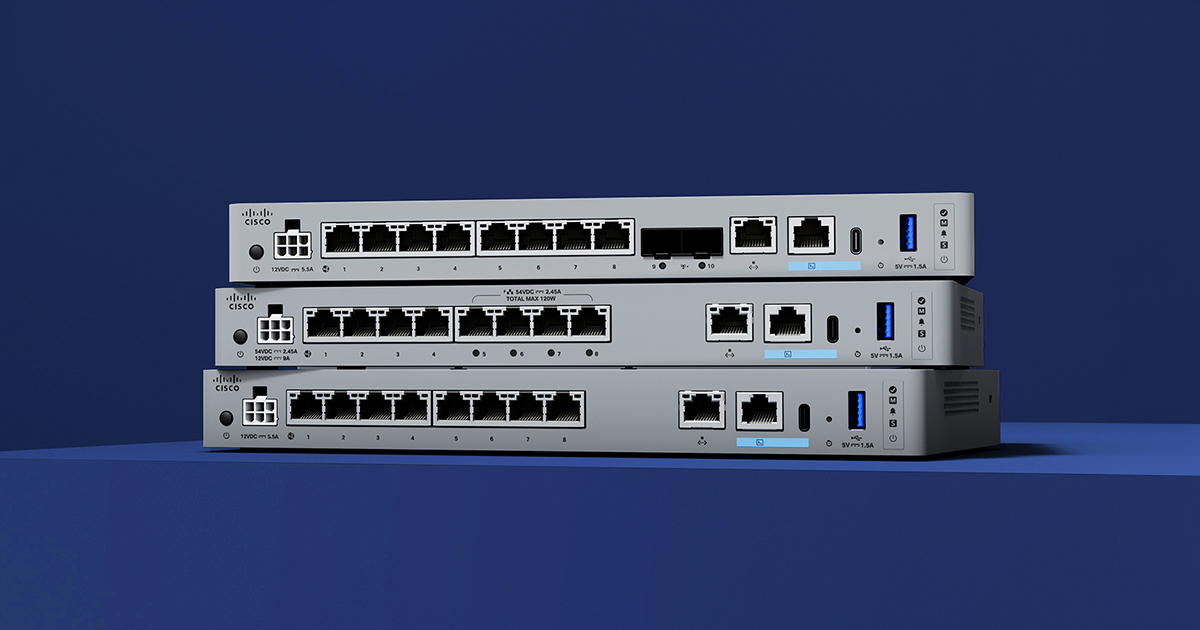
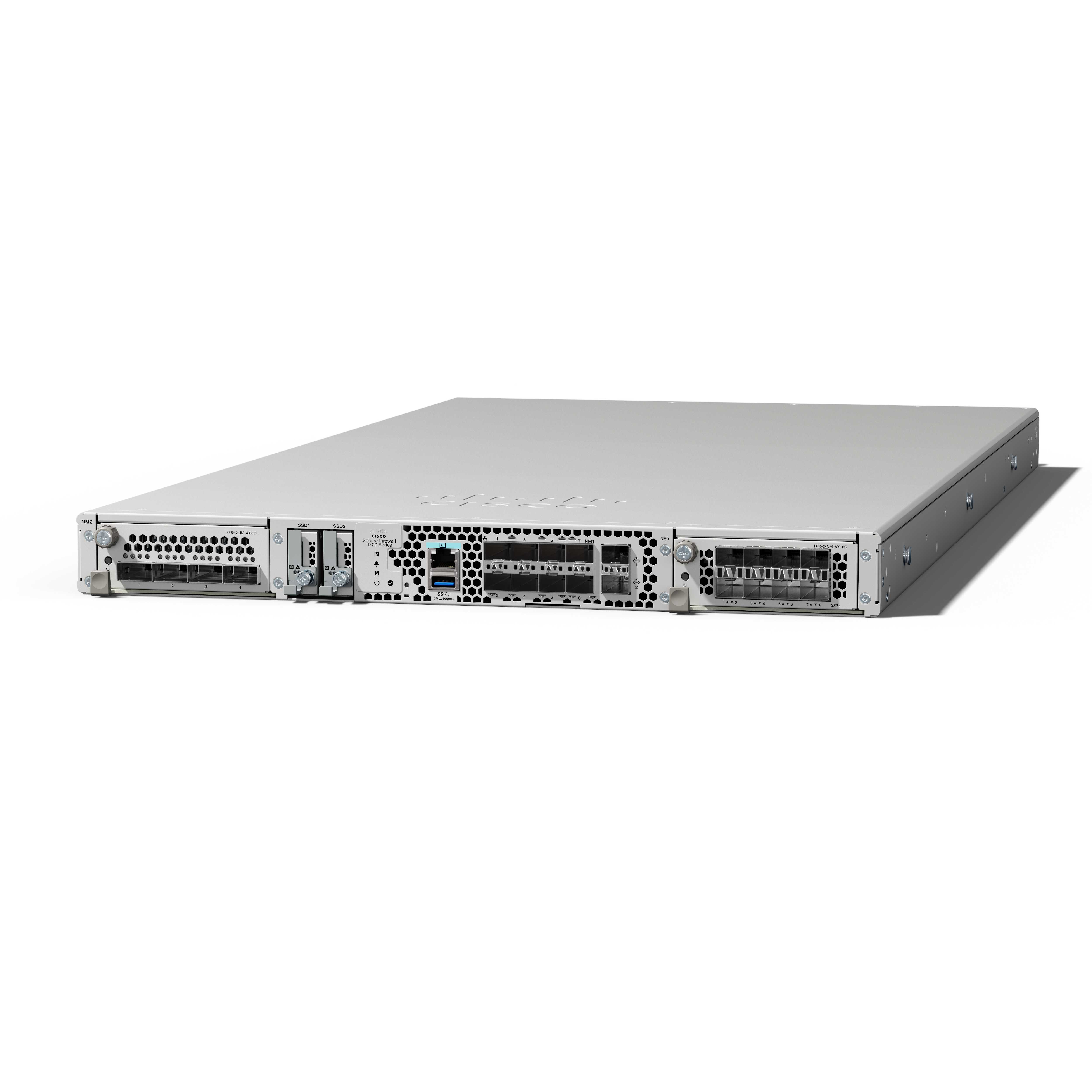
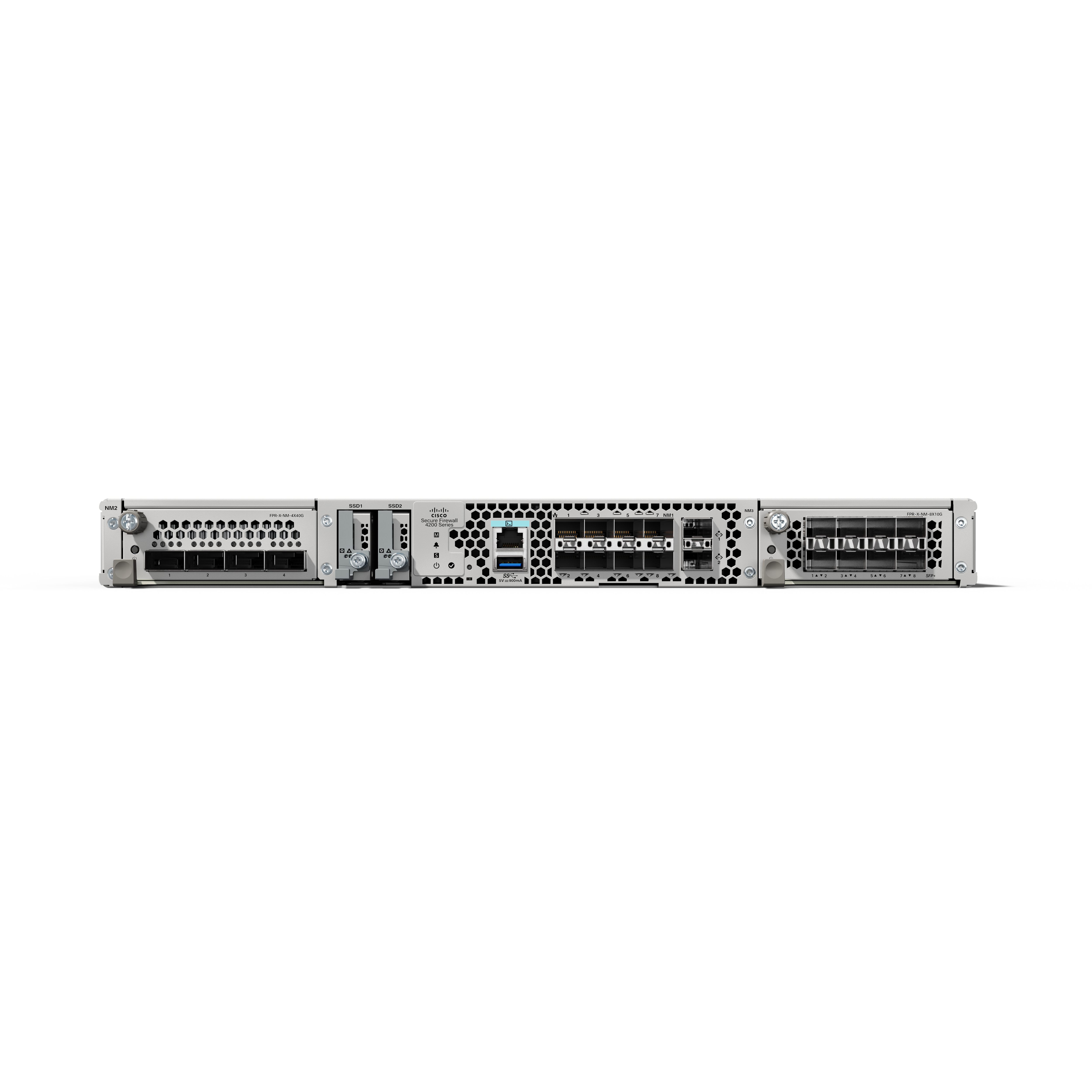
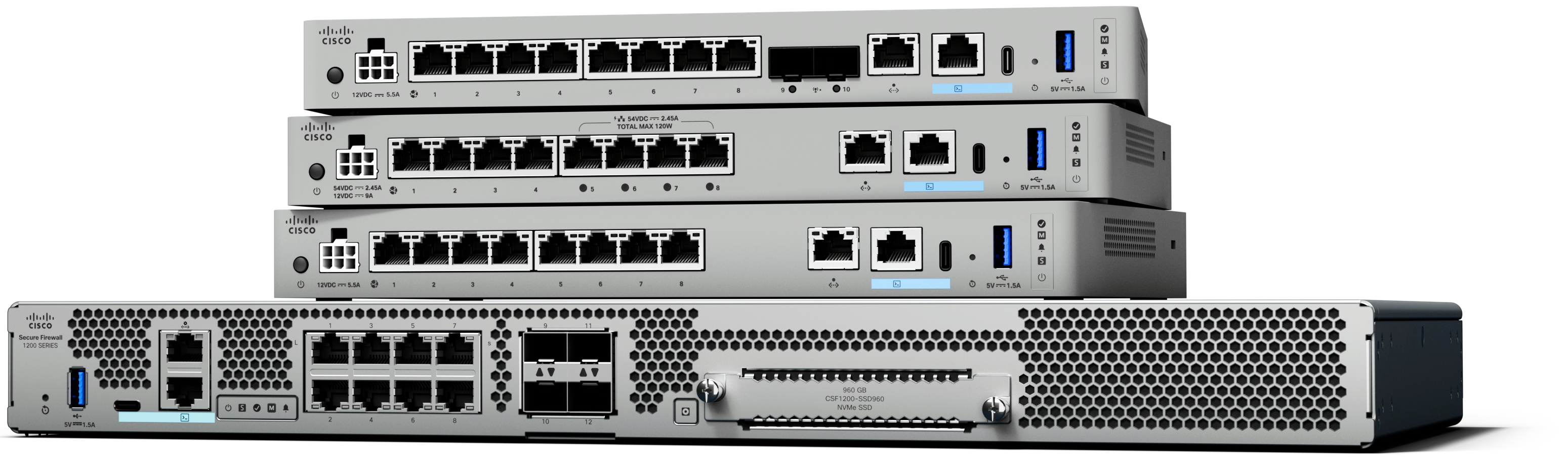
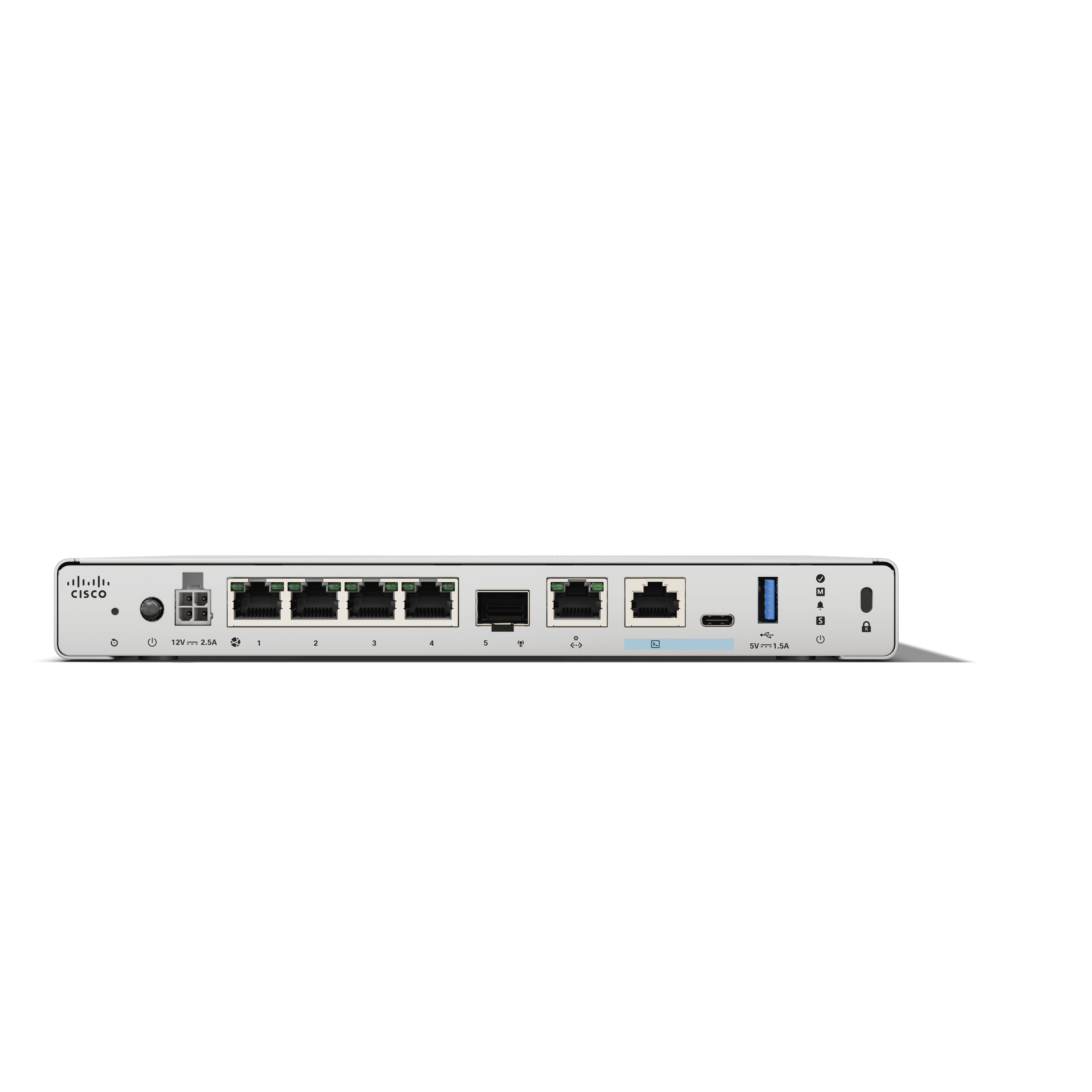
Cisco Secure Firewall delivers comprehensive threat protection for modern, distributed networks. Built to support hybrid workforces and multicloud environments, it enables Zero Trust access, application visibility, and secure remote connectivity. With integration across the Cisco Secure portfolio, including SecureX and Talos threat intelligence, the firewall powers organizations to detect and stop more sophisticated threats. Centralized management simplifies policy enforcement, orchestration,…
N/A
Sophos UTM
Score8.5 out of 10
N/A
Sophos UTM provides core firewall features, plus sandboxing and AI threat detection for advanced network security. It has customizable deployment options.
N/A
WatchGuard Network Security
Score8.8 out of 10
N/A
WatchGuard Network Security is a network security and firewall software. WatchGuard includes secure Wi-Fi, multi-factor authentication, and network intelligence products and services designed for SMB’s.
N/A
Pricing
Cisco Secure Firewall
Sophos UTM
WatchGuard Network Security
Editions & Modules
No answers on this topic
No answers on this topic
Support
Contact sales team
Contact sales team
Basic Security
Contact sales team
Contact sales team
Total Security
Contact sales team
Contact sales team
Offerings
Pricing Offerings
Cisco Secure Firewall
Sophos UTM
WatchGuard Network Security
Free Trial
Yes
Yes
No
Free/Freemium Version
No
No
No
Premium Consulting/Integration Services
No
No
No
Entry-level Setup Fee
No setup fee
No setup fee
No setup fee
Additional Details
—
t2.small - $0.123 - Total / hr
m3.medium - $0.417 - Total / hr
m3.large - $0.883 - Total / hr
m3.xlarge - $1.366 - Total / hr
m3.2xlarge- $1.982 - Total / hr
c3.large - $0.555 - Total / hr
c3.xlarge - $1.11 - Total / hr
c3.2xlarge - $1.72 - Total / hr
c3.4xlarge - $2.59 - Total / hr
c3.8xlarge - $3.68 - Total / hr
c4.large - $0.55 - Total / hr
c4.xlarge - $1.099 - Total / hr
c4.2xlarge - $1.698 - Total / hr
c4.4xlarge - $2.546 - Total / hr
c4.8xlarge - $3.841 - Total / hr
m4.large - $0.868 - Total / hr
m4.xlarge - $1.365 - Total / hr
m4.2xlarge- $1.931 - Total / hr
A de minimis incentive was given to thank the reviewer for their time. The incentive was not used to bias or drive a particular response, nor was the incentive contingent on a positive endorsement. More Info
Senior IT Administrator in Information Technology at Nowtel (Information Technology & Services, 1-10 employees)
Chose WatchGuard Network Security
As I mentionned before, the WSM tool and Dimension is the main reasons we stock with WatchGuard beside being satisfied with deployement results at our clients infrastructures.
A de minimis incentive was given to thank the reviewer for their time. The incentive was not used to bias or drive a particular response, nor was the incentive contingent on a positive endorsement. More Info
Verified User
Chose WatchGuard Network Security
Our tech had previous experience with WatchGuard Network Security and the Fortinet devices we were using weren't functioning to the standards we needed them to. As costs have increased with WatchGuard Network Security and across the board, we are looking for a different vendor …
A de minimis incentive was given to thank the reviewer for their time. The incentive was not used to bias or drive a particular response, nor was the incentive contingent on a positive endorsement. More Info
System Administrator in Information Technology at IT PRO SERVICES (Information Technology & Services, 1001-5000 employees)
Chose WatchGuard Network Security
In comparison with other network security companies and its services', WatchGuard Network Security seems to be a more economic choice for our customers needs
A de minimis incentive was given to thank the reviewer for their time. The incentive was not used to bias or drive a particular response, nor was the incentive contingent on a positive endorsement. More Info
Verified User
Chose WatchGuard Network Security
WatchGuard Network Security integrates multiple security functionalities (firewall, VPN, intrusion prevention, antivirus, application control, etc.) into a unified platform. This integration simplifies management, enhances visibility, and ensures consistent policy enforcement …
A de minimis incentive was given to thank the reviewer for their time. The incentive was not used to bias or drive a particular response, nor was the incentive contingent on a positive endorsement. More Info
A de minimis incentive was given to thank the reviewer for their time. The incentive was not used to bias or drive a particular response, nor was the incentive contingent on a positive endorsement. More Info
A de minimis incentive was given to thank the reviewer for their time. The incentive was not used to bias or drive a particular response, nor was the incentive contingent on a positive endorsement. More Info
Verified User
Chose WatchGuard Network Security
WatchGuard was selected due to product familiarity; their free training courses mean we have all our technicians qualified in their use. Support has always been top-notch. And security is their focus; there's no trying to sell additional HW or add-ons. Although somewhat from …
A de minimis incentive was given to thank the reviewer for their time. The incentive was not used to bias or drive a particular response, nor was the incentive contingent on a positive endorsement. More Info
Technical Manager in Information Technology at AKCS (Information Technology & Services, 1-10 employees)
Chose WatchGuard Network Security
WatchGuard has in the past always been one step ahead of new security needs for network perimeters. They have managed to do this, and continue to have high throughput with all security turned on, while many of its competitors will not show you what [their] speed is with all …
A de minimis incentive was given to thank the reviewer for their time. The incentive was not used to bias or drive a particular response, nor was the incentive contingent on a positive endorsement. More Info
A de minimis incentive was given to thank the reviewer for their time. The incentive was not used to bias or drive a particular response, nor was the incentive contingent on a positive endorsement. More Info
A de minimis incentive was given to thank the reviewer for their time. The incentive was not used to bias or drive a particular response, nor was the incentive contingent on a positive endorsement. More Info
Managed Services Engineer in Engineering at Lisa Communications Ltd (Computer & Network Security, 11-50 employees)
Chose WatchGuard Network Security
WatchGuard Network Security has more features than Peplink and Meraki and ultimately makes it a better firewall than them. Sophos is very similar in feature set however WatchGuard's approach to management and visibility sets it apart.
A de minimis incentive was given to thank the reviewer for their time. The incentive was not used to bias or drive a particular response, nor was the incentive contingent on a positive endorsement. TR verified that a representative sample of customers was invited. More Info
IT Director in Information Technology at Wendco of Puerto Rico Inc (Restaurants, 5001-10,000 employees)
Chose WatchGuard Network Security
Sophos is more advanced and is better in the Gartner quadrant right now. It is more sophisticated as well. I still use WatchGuard because it is still functional for part of the company conglomerate but might be centralizing everything under Sophos soon.
A de minimis incentive was given to thank the reviewer for their time. The incentive was not used to bias or drive a particular response, nor was the incentive contingent on a positive endorsement. More Info
I can't think of scenarios where it is less appropriate, unless we are talking about real tiny businesses. More businesses will find Cisco Secure Firewall an outstanding tool to use, love, and trust from a reputable Network giant vendor. It is a must for businesses that want to focus on what they are doing, and leaving the network security for the pros.
A de minimis incentive was given to thank the reviewer for their time. The incentive was not used to bias or drive a particular response, nor was the incentive contingent on a positive endorsement. More Info
UTM works great if you want a solid, obvious firewall. There's not a lot of second-guessing as to what you are about to do with every change you make. If you incorporate their wireless access points and RED (remote ethernet device) for remote users or small offices, it's considerably much easier to set up than other comparable solutions. If you are looking to manage your firewalls via the cloud, you are out of luck.
A de minimis incentive was given to thank the reviewer for their time. The incentive was not used to bias or drive a particular response, nor was the incentive contingent on a positive endorsement. More Info
It's well suited for businesses that want better features than a standard router, but are willing to pay the extra price for the product and someone to configure, set up and maintain the router. It's probably less desirable for home users or very small home offices or unqualified network users.
A de minimis incentive was given to thank the reviewer for their time. The incentive was not used to bias or drive a particular response, nor was the incentive contingent on a positive endorsement. More Info
Cisco's firewall actually does its job of blocking what it is supposed to block. We had an old Firewall that led to slippages. Cisco catches 97% of malware and vulnerabilities during testing. For Coitiar, that means an engineer who clicks a link with malware is handled quickly.
We actually tested if failovers would affect running sessions. We pulled our primary unit during a certification submission period. The firewall just switched, and the connection kept running.
The AI assistant in policy management is excellent, and for our lean team, it makes the whole process easy and efficient. I don't have to audit 200 policies manually; the AI steps in and does its thing.
A de minimis incentive was given to thank the reviewer for their time. The incentive was not used to bias or drive a particular response, nor was the incentive contingent on a positive endorsement. TR verified that a representative sample of customers was invited. More Info
A de minimis incentive was given to thank the reviewer for their time. The incentive was not used to bias or drive a particular response, nor was the incentive contingent on a positive endorsement. More Info
A de minimis incentive was given to thank the reviewer for their time. The incentive was not used to bias or drive a particular response, nor was the incentive contingent on a positive endorsement. More Info
I mean I think a lot of the technology with managing them is getting better. There's a few cons to the new firewall management console. You can't sort through routes or I think you can with interfaces now, but there's a few caveats that they haven't really worked out yet, but they're implementing AI into it, so it's getting to be a lot easier to use.
A de minimis incentive was given to thank the reviewer for their time. The incentive was not used to bias or drive a particular response, nor was the incentive contingent on a positive endorsement. TR verified that a representative sample of customers was invited. More Info
A de minimis incentive was given to thank the reviewer for their time. The incentive was not used to bias or drive a particular response, nor was the incentive contingent on a positive endorsement. More Info
A de minimis incentive was given to thank the reviewer for their time. The incentive was not used to bias or drive a particular response, nor was the incentive contingent on a positive endorsement. More Info
It works really well. We can do most anything we want or need to with it, and you don’t have to have a doctorate or multiple certs to necessarily figure it out. The thing that would probably have to happen to make us switch would be if we just got priced out - Cisco’s more powerful and higher bandwidth models cost a pretty penny.
A de minimis incentive was given to thank the reviewer for their time. The incentive was not used to bias or drive a particular response, nor was the incentive contingent on a positive endorsement. More Info
We have been renewing and purchasing new equipment for the last 20 years. This is because the equipment is easy to use and manage and also quite affordable. Compared to other products, Watchguard just works and has not had the issues with device security seen in other products. They have been a reliable partner.
A de minimis incentive was given to thank the reviewer for their time. The incentive was not used to bias or drive a particular response, nor was the incentive contingent on a positive endorsement. More Info
i think overall after ALOT of tac cases it works allright now. But still have alot of issues if you use cloud based mangement. fx, if you open 2 windows of access policys, both of the pages, rules starte to jump form side to side. if you then open one more list, its start to jump even faster. if you close the 2 of them, its back to normal. ALSO the extended access lists for VPN, SUCKS. Its the tiniest window when opening the editor, and you are not able to give the rules names, Which means finding and editing rules SUCKS, its a horrible experience, and eveytime we have to we want to yell :P
A de minimis incentive was given to thank the reviewer for their time. The incentive was not used to bias or drive a particular response, nor was the incentive contingent on a positive endorsement. TR verified that a representative sample of customers was invited. More Info
The interface is no non-sense and easy to understand. No need for any consultants to help implement this solution. The performance is consistent and solid. Paired with a good amount of firmware and definitions, it's hard to find any fault in this product. It's interoperability with other Sophos products make a compelling argument to invest in more Sophos products.
A de minimis incentive was given to thank the reviewer for their time. The incentive was not used to bias or drive a particular response, nor was the incentive contingent on a positive endorsement. More Info
Although it might take some time to figure out, we have been able to use WatchGuard's online reference library and tech support to create/implement/modify all of our filtering rules and exceptions needed. There really has not been a shortcoming other than perhaps a learning curve.
A de minimis incentive was given to thank the reviewer for their time. The incentive was not used to bias or drive a particular response, nor was the incentive contingent on a positive endorsement. More Info
A de minimis incentive was given to thank the reviewer for their time. The incentive was not used to bias or drive a particular response, nor was the incentive contingent on a positive endorsement. TR verified that a representative sample of customers was invited. More Info
Availability has always been a strong point of this product, it is rare that watchguard does not have a solution for customers' network monitoring needs.
A de minimis incentive was given to thank the reviewer for their time. The incentive was not used to bias or drive a particular response, nor was the incentive contingent on a positive endorsement. TR verified that a representative sample of customers was invited. More Info
We have not had any performance issues with Cisco Secure Firewall, even with DPI and IPS enabled, we have not seen a performance hit. Emoployes have not complained about any slow network speeds that could have been attributed to the secure firewall it has always been something else within the office network.
A de minimis incentive was given to thank the reviewer for their time. The incentive was not used to bias or drive a particular response, nor was the incentive contingent on a positive endorsement. TR verified that a representative sample of customers was invited. More Info
The performance of WatchGuard Network Security is very good, in the years that we have used the solution we have only had a single error and Watchguard itself was able to solve it. Furthermore, when purchasing any product, the partner always evaluates the capacity of the solution to recommend the most appropriate product for our needs.
A de minimis incentive was given to thank the reviewer for their time. The incentive was not used to bias or drive a particular response, nor was the incentive contingent on a positive endorsement. TR verified that a representative sample of customers was invited. More Info
I rarely get the support I need in the time I need it. Often, while they are "looking at packet captures and going to get back to me" I fix the problem on my own. If you were to look at my TAC cases over the past year, you would see some very lengthy cases that usually ended with me contacting the TAC person and telling them to just close the case
A de minimis incentive was given to thank the reviewer for their time. The incentive was not used to bias or drive a particular response, nor was the incentive contingent on a positive endorsement. More Info
I find the support fair. The wait can be frustrating when dealing with fire. The pandemic has not helped with this. Although the wait can be long, the support reps are knowledgeable and was able to resolve the issues I was facing.
A de minimis incentive was given to thank the reviewer for their time. The incentive was not used to bias or drive a particular response, nor was the incentive contingent on a positive endorsement. More Info
We have only had to contact them once during the initial set up to help bring the internet back on line. After that for the most part our systems have been automated, and could easily be checked form their online FAQ and Knowledge base that they provide. Everything else is easily handled from their browser based interface
A de minimis incentive was given to thank the reviewer for their time. The incentive was not used to bias or drive a particular response, nor was the incentive contingent on a positive endorsement. More Info
A de minimis incentive was given to thank the reviewer for their time. The incentive was not used to bias or drive a particular response, nor was the incentive contingent on a positive endorsement. TR verified that a representative sample of customers was invited. More Info
We participate to a in person training and the three days of learning was really useful and complete to gain skill to solve the major part of the problem we encounter during our life. And more the in person training give us the opportunity to create a network with other WatchGuard partner.
A de minimis incentive was given to thank the reviewer for their time. The incentive was not used to bias or drive a particular response, nor was the incentive contingent on a positive endorsement. TR verified that a representative sample of customers was invited. More Info
was a good training but questions was answered not so good. Training was "Fundamentals of Cisco Firewall Threat Defense and Intrusion Prevention (SFWIPF)".
A de minimis incentive was given to thank the reviewer for their time. The incentive was not used to bias or drive a particular response, nor was the incentive contingent on a positive endorsement. TR verified that a representative sample of customers was invited. More Info
A de minimis incentive was given to thank the reviewer for their time. The incentive was not used to bias or drive a particular response, nor was the incentive contingent on a positive endorsement. More Info
Our initial implementation was aided by Cisco's professional services and was excellent. The engineer was very knowledgeable and helped us work through issues while building out our new internet security edge Part of this involved tools to migrate the firewall configuration from old to new.
A de minimis incentive was given to thank the reviewer for their time. The incentive was not used to bias or drive a particular response, nor was the incentive contingent on a positive endorsement. TR verified that a representative sample of customers was invited. More Info
WatchGuard Network Security offers varied methods of implementation. Their devices are very easy to set up manually, and for a more automated setup where many devices need to be deployed, they have different offerings like RapidDeploy (prepopulate a config for a specific device in the portal), registering the device's serial number to manage it through cloud services on first boot (including the option to populate a USB stick with basic interface setup if required) and the ability to run your own Management Server and register to be deployed serial numbers, so the device connects to your own hosted management server on first boot.
A de minimis incentive was given to thank the reviewer for their time. The incentive was not used to bias or drive a particular response, nor was the incentive contingent on a positive endorsement. More Info
Cisco Secure Firewall works better with the Cisco ecosystem when we can utilize it and feels beefy enough when we utilize it in the data center. The Fortinet we have found are great, small cost boxes for remote offices with a better UI then Cisco Secure Firewalls. The feature set included with the firewalls feels similar from a security point of view.
A de minimis incentive was given to thank the reviewer for their time. The incentive was not used to bias or drive a particular response, nor was the incentive contingent on a positive endorsement. TR verified that a representative sample of customers was invited. More Info
I would rate Sophos second on this list right below Webroot. Webroot has an easier user interface and policy builder. However, Sophos would be on top of its UI would be improved. I would rank CrowStrike third and McAfee last. Sophos is great for complex environments that have multiple needs.
A de minimis incentive was given to thank the reviewer for their time. The incentive was not used to bias or drive a particular response, nor was the incentive contingent on a positive endorsement. More Info
I was not involved with the decision making for WatchGuard versus another product. However, I know WatchGuard is significantly less expensive than other brands. My overall preference would be Ubiquiti due to their continuous improvement of the product with tons of great features. I know WatchGuard is making great advances, but the progress seems slower in comparison.
A de minimis incentive was given to thank the reviewer for their time. The incentive was not used to bias or drive a particular response, nor was the incentive contingent on a positive endorsement. TR verified that a representative sample of customers was invited. More Info
A solid, realistic rating most people give for Cisco Secure Firewall pricing is 7 or 8 out of 10 (because the product is strong but licensing can be a bit complex)
A de minimis incentive was given to thank the reviewer for their time. The incentive was not used to bias or drive a particular response, nor was the incentive contingent on a positive endorsement. TR verified that a representative sample of customers was invited. More Info
Cisco Secure Firewall has never given us any trouble, it has stayed up at all times, upgrading the appliance has also become much simpler. We operate the appliance in a HA pair, so 0% downtime within our organisation. During switchover while upgrading, not a single packet seems to get lost, so this has been a very valuable asset to our company.
A de minimis incentive was given to thank the reviewer for their time. The incentive was not used to bias or drive a particular response, nor was the incentive contingent on a positive endorsement. TR verified that a representative sample of customers was invited. More Info
This product is very scalable since previously everything related to Watchguard was on premises but that has now changed with the inclusion of watchguard cloud. Now the product has evolved to have full control of firewalls at the cloud level.
A de minimis incentive was given to thank the reviewer for their time. The incentive was not used to bias or drive a particular response, nor was the incentive contingent on a positive endorsement. TR verified that a representative sample of customers was invited. More Info
A de minimis incentive was given to thank the reviewer for their time. The incentive was not used to bias or drive a particular response, nor was the incentive contingent on a positive endorsement. TR verified that a representative sample of customers was invited. More Info
A de minimis incentive was given to thank the reviewer for their time. The incentive was not used to bias or drive a particular response, nor was the incentive contingent on a positive endorsement. TR verified that a representative sample of customers was invited. More Info
A de minimis incentive was given to thank the reviewer for their time. The incentive was not used to bias or drive a particular response, nor was the incentive contingent on a positive endorsement. More Info
A de minimis incentive was given to thank the reviewer for their time. The incentive was not used to bias or drive a particular response, nor was the incentive contingent on a positive endorsement. More Info